Can You Have a Second Hair Transplant?

If you had a hair transplant years ago and are now noticing thinning in new areas, you are not alone. A first procedure restores the regions treated at the time, but it does not stop the natural, ongoing process of hereditary hair loss elsewhere on the scalp. For many people, this raises a practical question: can you have a second hair transplant? The short answer is yes — a repeat transplant is a common, well-established option for the right candidate. Whether it suits you depends on the condition of your donor area, the reasons behind your continued hair loss, and a careful plan made with a qualified specialist.
This guide explains when and why people pursue a second transplant, how timing works, why donor-area assessment matters, and how to set realistic expectations. As with any medical procedure, individual results vary, and the information here is general education rather than personal medical advice.
Why People Consider a Second Hair Transplant
There is rarely a single reason for a repeat procedure. People usually return for a combination of natural changes over time and personal goals, and understanding the cause matters — it shapes how a second transplant should be planned.
1. Further Natural Hair Loss
Hereditary hair loss (androgenetic alopecia) is progressive. Someone who had a transplant in their twenties or thirties may see thinning continue in untreated areas over the following years. The transplanted hair, taken from genetically resistant zones, typically remains, while surrounding native hair gradually thins — a contrast that prompts people to seek a second procedure. This is not a sign the first transplant "failed"; it reflects the ongoing nature of pattern hair loss.
2. Increasing Density
A first session often prioritizes a natural framework and the most visible areas of loss. Some people later want greater density in a region treated more conservatively the first time. A second session can add fullness where the initial grafts have settled well and the result simply needs reinforcing.
3. Repairing or Refining Older Work
Techniques and aesthetic standards have evolved considerably. People who had procedures done many years ago — or work they were not happy with — sometimes seek a second transplant to refine the hairline, improve graft direction, or soften abrupt results. Some outcomes that prompt a repeat procedure trace back to how the first was planned and performed, such as:
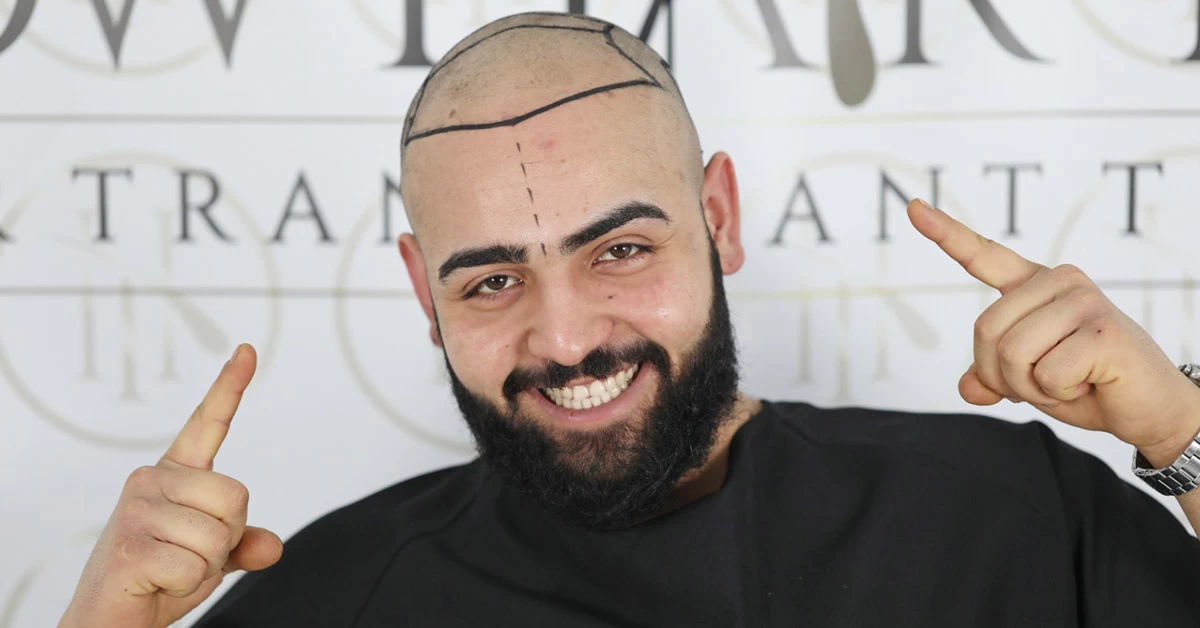
- An unnatural front hairline — a line that is too straight, too low, or poorly angled.
- Inaccurate graft planning — graft numbers or distribution that did not match the pattern of loss.
- Aftercare not followed — neglecting post-operative instructions can affect how grafts establish.
- Poor graft handling — grafts not kept in suitable conditions may not thrive.
How Soon Can You Have a Second Hair Transplant?
Timing is one of the most important — and most frequently rushed — aspects of a repeat procedure. There are two reasons to wait.
Letting the First Result Mature
Transplanted hair goes through phases before the final result is visible. After the initial shedding that commonly follows a transplant, new growth emerges gradually over many months and continues to refine for around a year. Judging your outcome too early can lead to a premature decision for more surgery before you have seen what the first session achieved. Specialists generally advise allowing the previous transplant to fully mature before evaluating the need for a second one.
Allowing the Donor Area to Recover
The donor area also needs time to heal after grafts have been harvested, and operating again too soon can compromise graft quality. A common guideline is to wait several months to about a year, but there is no universal number — the right interval depends on how your scalp has healed and your specialist's assessment. In short, a second transplant should be driven by a stabilized, properly evaluated situation, not by impatience.
The Donor Area: The Most Important Factor
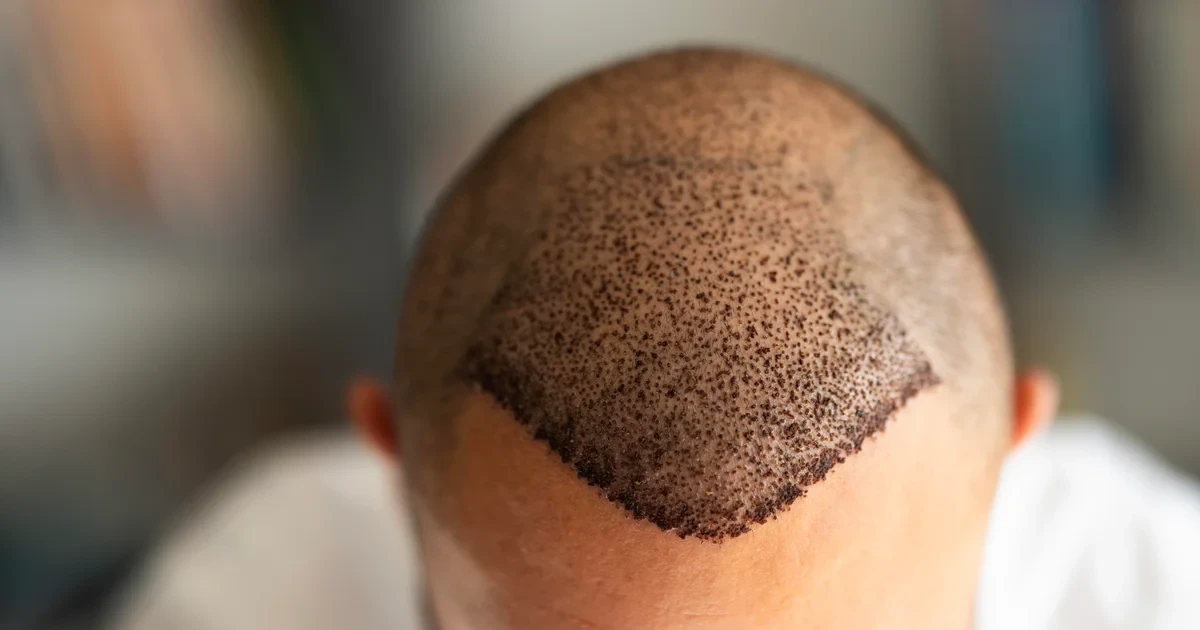
More than anything else, the feasibility of a second hair transplant comes down to the donor area — the hair at the back of the head and above the ears, often called the "safe" zone because it tends to resist pattern loss. The donor area is a finite, non-renewable resource: every graft removed in a first session reduces what remains. When planning a second procedure, a specialist assesses:
- Remaining donor density — how much usable hair is still available without visibly thinning the donor zone.
- Hair characteristics — caliber, curl, and color contrast with the scalp, which influence coverage.
- Scarring or changes from the first session — previous harvesting can affect how easily new grafts can be taken.
- The area to be treated — matching realistic supply to genuine need.
If the donor area is limited, a second transplant may deliver more modest coverage, or may not be advisable at all. Overharvesting to chase higher numbers can cause visible thinning in the donor zone itself, so preserving it is part of responsible planning — especially for younger patients whose loss may continue for years. There is no fixed graft figure that suits everyone; the yield in a repeat session is usually more limited than in the first, and specific numbers should come from a personalized assessment.
FUE and DHI for a Second Session
Repeat transplants generally use the same minimally invasive techniques as primary procedures.
FUE (Follicular Unit Extraction)
With FUE hair transplant, individual follicular units are extracted directly from the donor area and implanted into the recipient zone. Because it harvests grafts individually rather than removing a strip, FUE is widely used for second sessions, where working precisely around a previously treated area matters.
DHI (Direct Hair Implantation)
With DHI hair transplant, grafts are implanted using a specialized tool that gives close control over the depth, angle, and direction of each graft. This is especially useful when new grafts must be placed naturally among existing hair and along an established hairline.
The choice between FUE, DHI, or a combined approach is made by your specialist based on your donor and recipient areas, the density required, and the need to blend with existing grafts. One technique is not universally "better" than the other — what matters is matching the method to your situation.
Planning Around Existing Grafts
Because the surgeon must integrate new grafts with hair already in place, careful planning means matching the angle and direction of new hair to existing growth, refining the hairline with soft, irregular transitions, blending density so treated areas do not contrast with their surroundings, and anticipating future loss so the design stays balanced if native hair thins.
Recovery After a Second Transplant
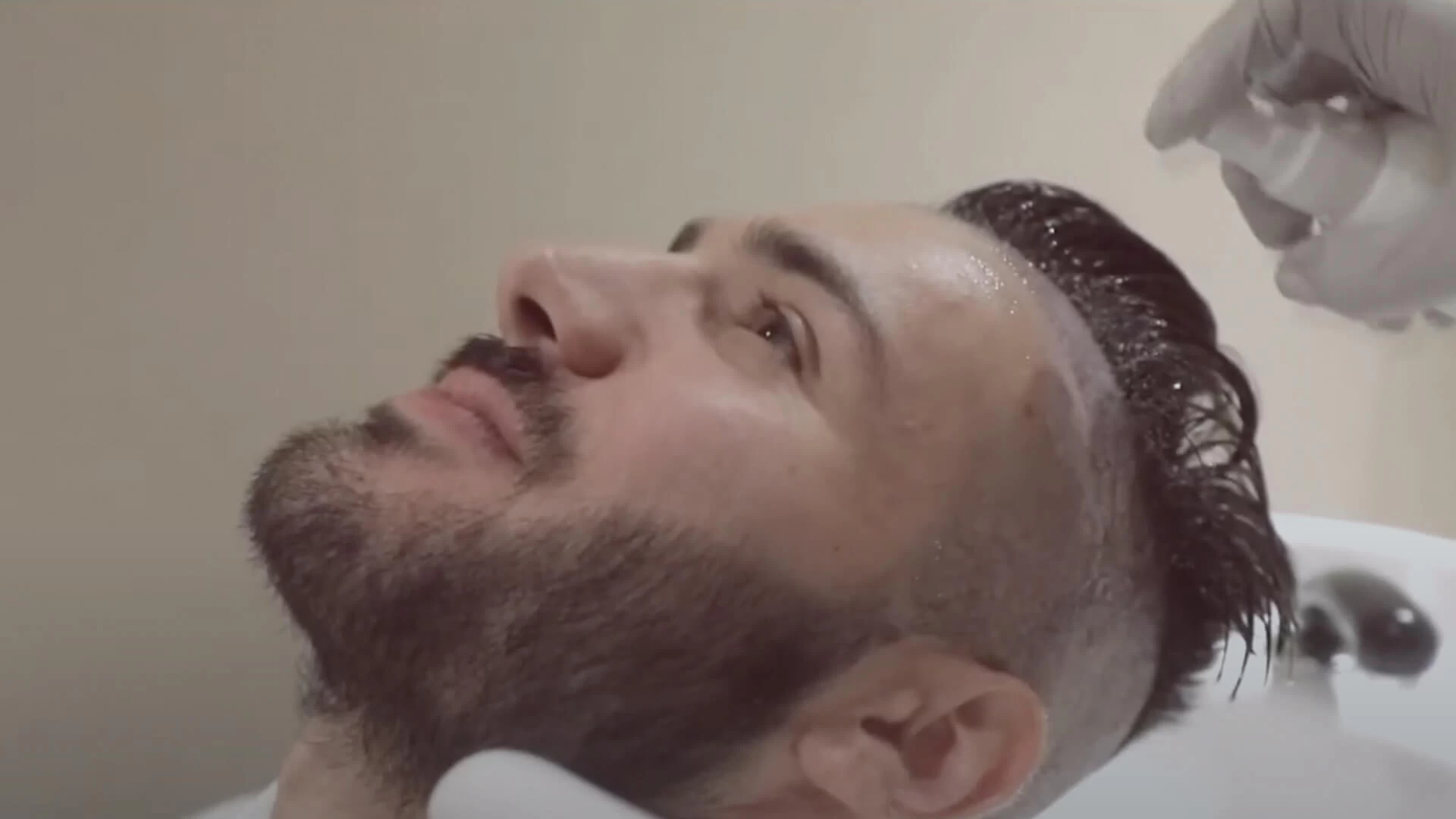
For most people, recovery from a second transplant is broadly similar to the first. Some redness, mild swelling, scabbing, and tenderness in the donor and recipient areas are common and generally settle over days to a couple of weeks. Follow the specific aftercare instructions your specialist provides.
General aftercare guidance that often applies includes:
- Follow the gentle washing routine your clinic provides, exactly as instructed.
- Protect the treated areas from knocks, scratching, and direct sun.
- Avoid strenuous exercise, heavy sweating, swimming, and saunas until cleared.
- Limit alcohol and tobacco, which can interfere with healing.
- Tell your specialist about any medications, supplements, or health conditions beforehand, as some affect bleeding and healing.
Healing varies from person to person, and a previously harvested donor area may behave slightly differently than the first time. Patience during the growth phase remains essential — transplanted hair sheds and then regrows gradually over many months.
Setting Realistic Expectations
An honest conversation about expectations is one of the most valuable parts of planning a second transplant. A repeat procedure can improve coverage and refine an earlier result, but it has limits, and it does not stop future hereditary hair loss in untreated native hair. Realistic expectations include understanding that:
- A second session may provide less coverage than the first if donor supply is reduced.
- Results vary between individuals, and no ethical clinic can guarantee a specific outcome.
- Final results take many months to become fully visible.
- Ongoing loss in native hair may need to be addressed separately as part of a long-term plan.
A trustworthy specialist will tell you honestly if a second transplant is unlikely to achieve what you hope.
Choosing an Experienced Clinic for a Repeat Procedure
Because a second transplant is technically demanding and your donor reserve is precious, the choice of clinic and surgical team matters even more than the first time. Considering hair transplant cost in Turkey is reasonable, but cost should never be the only factor in a decision that affects your appearance for life. A few questions help.
Do You Know Who Your Doctor Is?
Look for transparent information about the qualified medical professionals involved, their training, and their role in your procedure. If a clinic gives no clarity about who will plan and perform your treatment, treat that as a warning sign.
Where Will the Procedure Take Place?
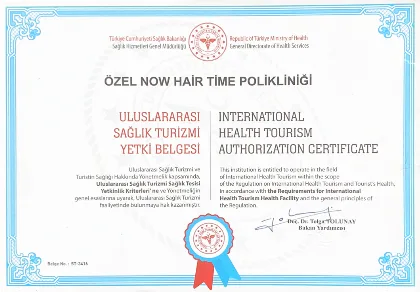
In Turkey, hair transplant procedures should be carried out in properly authorized medical facilities rather than informal settings — places equipped and staffed to handle care safely, including in the event of a complication.
Is the Plan Truly Individual?
Every scalp, donor area, and goal is different — doubly so for a repeat procedure that must account for existing grafts. A good clinic assesses your situation, explains the proposed approach, and sets honest expectations rather than offering a one-size-fits-all promise.
Frequently Asked Questions
Can you have a second hair transplant?
Yes, provided you have sufficient healthy hair in the donor area and a qualified specialist confirms you are a suitable candidate. Donor capacity and the reason for your continued hair loss are the main considerations.
How long should I wait between transplants?
It varies. You should generally allow your first transplant to fully mature — often around a year — so the result can be properly assessed, and give your donor area time to heal. There is no single number that fits everyone; your specialist will advise based on your healing and donor condition.
Will a second transplant be as full as the first?
Not necessarily. Because some donor hair has already been used, a repeat session may provide more modest coverage. The outcome depends on your remaining donor density and individual characteristics, and results vary from person to person.
Does a second transplant stop future hair loss?
No. A transplant relocates hair to thinning areas, but it does not halt hereditary hair loss in your remaining native hair. Continued loss in untreated areas is one of the most common reasons people consider a repeat procedure.
Is the recovery harder the second time?
For most people, recovery is broadly similar to the first procedure, with common effects such as redness, mild swelling, and scabbing that typically settle over days to a couple of weeks. Healing varies, so following your clinic's aftercare instructions is essential.
Talk to Now Hair Time About Your Options
If you are weighing up a repeat procedure, the best next step is a personalized assessment of your donor area and goals. At Now Hair Time in Istanbul, Turkey, our team can review your situation, explain whether a second hair transplant is appropriate for you, and set realistic, honest expectations. Because every case is unique, we encourage you to consult a qualified specialist before deciding. Get in touch with Now Hair Time today.