How to Treat Thinning Hair?
Noticing more strands on your pillow, a widening part, or a ponytail that feels thinner than it used to? Thinning hair is one of the most common concerns people bring to a clinic, affecting both men and women at almost every stage of adult life. Importantly, it rarely has a single, simple fix; it usually results from several factors working together, so understanding the cause is the first step toward a realistic plan. In this guide from Now Hair Time in Istanbul, Turkey, we explain what thinning hair is, what causes it, how it differs between men and women, what you can do early on, and when a hair transplant becomes a sensible option. Please remember that this is general educational information, not a diagnosis, and that results vary from person to person.
What Is Thinning Hair?
Thinning hair describes a gradual reduction in the density, diameter, or coverage of the hair on your scalp, and it is not always the same as sudden hair loss. Many people notice that strands become finer, that the scalp shows through more easily under bright light, or that overall volume isn't what it once was. In other cases, it shows up as a specific pattern, such as a receding hairline or a widening parting.
It helps to know that shedding some hair every day is completely normal, as the scalp constantly cycles hairs through growth, rest, and shedding phases. Thinning becomes a concern when shedding consistently outpaces regrowth, when strands regrow noticeably finer, or when bald-looking areas appear. Because the difference can be subtle, a professional assessment is the most reliable way to understand it.
Common Causes of Thinning Hair
Thinning hair is so widespread partly because it can be triggered by many factors, often more than one at once. Identifying the underlying cause matters, because temporary and permanent forms are managed very differently. Below are the most established contributors.
Genetics and Androgenetic Pattern Hair Loss
By far the most common cause of long-term thinning is androgenetic hair loss, often called male or female pattern hair loss. This is hereditary and hormone-influenced, and it follows recognisable patterns: in many men it appears at the temples and crown, while in many women it shows as diffuse thinning across the top of the scalp. Because it is progressive, it generally does not reverse on its own, so those with a family history often act earlier.
Hormonal Changes
Hormones strongly affect the hair cycle. Shifts during pregnancy and after childbirth, changes around menopause, thyroid imbalances, and certain hormonal conditions can push more hairs into the shedding phase or cause strands to grow back finer. This thinning is sometimes temporary and may improve once the underlying balance is addressed, but it should always be evaluated by a doctor.
Stress and Lifestyle
Significant physical or emotional stress, major illness, surgery, rapid weight loss, or poor sleep can disrupt the hair cycle and lead to noticeable shedding, often a couple of months later. This shedding is frequently temporary, and hair commonly recovers once the trigger is removed.
Nutrition
Because hair is metabolically demanding, the body deprioritises it when nutrients are scarce. Crash diets, very restrictive eating, and deficiencies in iron, protein, and certain vitamins and minerals can contribute to thinning. A balanced diet supports healthier hair, though supplements should only be taken on a doctor's advice, since too much of certain nutrients can be harmful.
Medical Conditions and Medications
Various medical issues can affect the hair, including thyroid disorders, autoimmune conditions, and scalp conditions, and some medications can cause shedding as a side effect. Because these causes need proper diagnosis and sometimes specific treatment, self-diagnosis is unwise.
Styling and Hair Care Habits
Everyday habits can quietly contribute to thinning. Tight hairstyles that pull on the roots, frequent heat styling, harsh chemical treatments such as repeated bleaching or straightening, and aggressive brushing can stress the follicles over time. Gentle handling and avoiding constant tension are simple protective steps.
Thinning Hair in Men vs Women
While the underlying biology overlaps, thinning hair often looks different in men and women, and recognising your pattern can help identify the likely cause.
- In men: Pattern hair loss usually begins with the temples receding and the hairline moving backward, often with thinning at the crown, and these areas can merge over time. Genetic factors play a leading role, while stress, poor nutrition, and general health influence how quickly it advances.
- In women: Thinning more commonly appears as a general reduction in density across the top of the scalp, with a widening parting, while the frontal hairline is often retained. Hormonal influences play a larger role, and frequent coloring, straightening, and blow-drying add stress to vulnerable hair.
Because the causes and patterns differ, the right approach for one person may not suit another, which is why an individual assessment matters.

Early Signs to Watch For
Thinning hair is easier to manage when it is noticed early, so it is worth knowing the typical warning signs:
- A part line or parting that looks gradually wider than before.
- More visible scalp under direct or bright lighting.
- Hair that feels finer, softer, or less full when you style it.
- A ponytail or bun that has become noticeably thinner.
- A receding hairline or thinning concentrated at the temples or crown.
- More shedding than usual on your pillow, in the shower, or on your brush over a sustained period.
Occasional fluctuations are normal, but a persistent trend over several weeks or months is a good reason to seek a professional opinion.
Non-Surgical Options and Everyday Care
Not every case of thinning hair calls for a procedure. Especially when thinning is caught early or linked to a temporary trigger, non-surgical approaches and good habits can help. None of these are guaranteed cures, and results vary from person to person, but they are reasonable first steps to discuss with a qualified doctor.
Lifestyle and Scalp-Friendly Habits
- Eat a balanced diet with adequate protein, and address any nutritional deficiencies under medical guidance.
- Manage stress and prioritise sleep, since the body's condition is reflected in the hair.
- Be gentle: reduce heat styling, avoid tight hairstyles that pull on the roots, and limit harsh chemical treatments.
- Use mild hair-care products and avoid over-washing or aggressive brushing.
Topical and Clinically Recognised Approaches
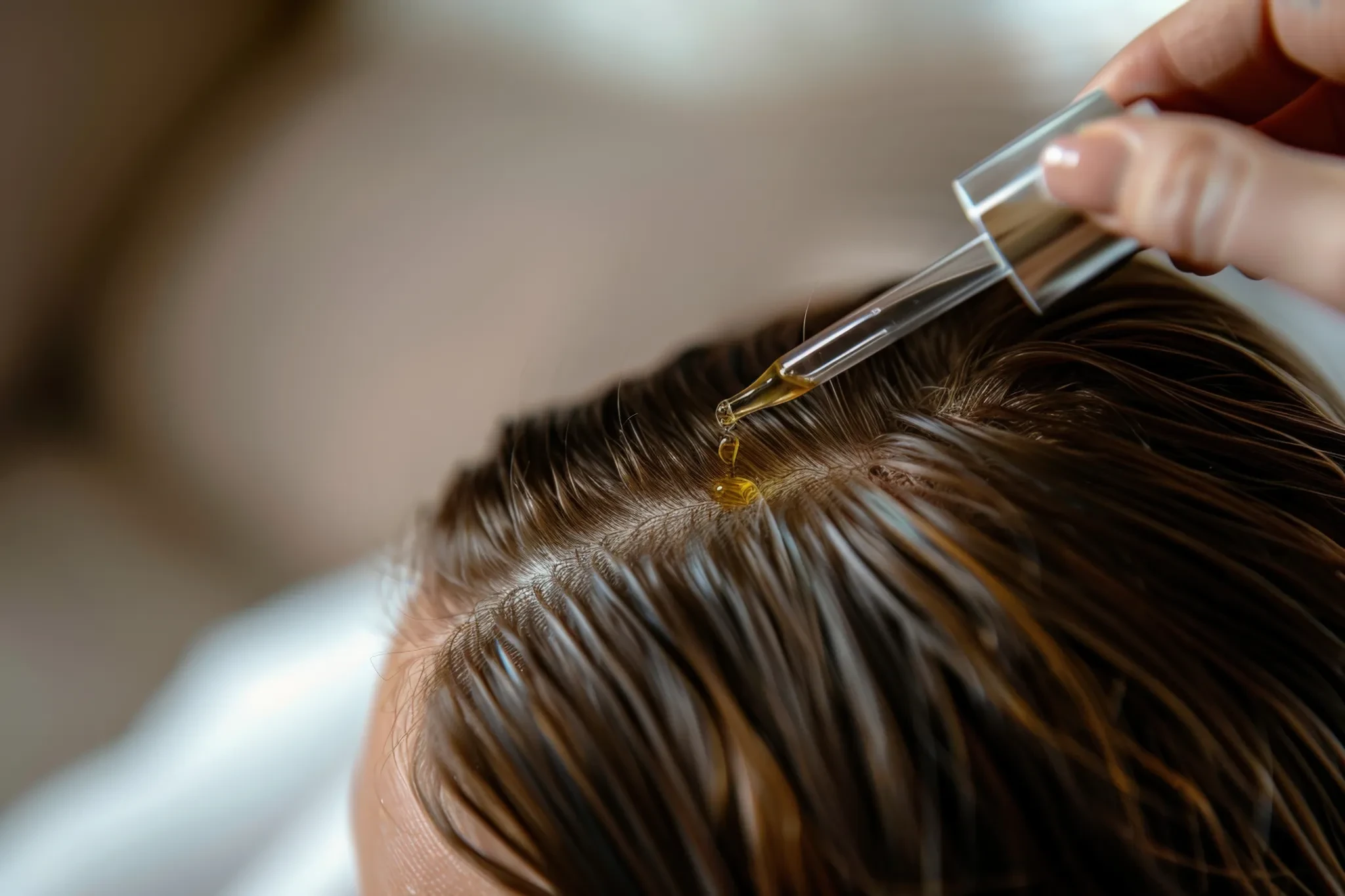
Several treatments are commonly discussed in relation to thinning hair. Minoxidil is a widely recognised topical option some people use to support hair density. Platelet-rich plasma, often shortened to PRP, is another approach in which a portion of your own blood is processed and applied to the scalp. These options suit some people and not others, may need to be continued to maintain any benefit, and can have side effects, so consider them only after consulting a qualified doctor.
When to See a Specialist
Because thinning hair has so many possible causes, a professional assessment is the most reliable way to understand yours. Consider seeing a qualified doctor or hair specialist if you notice persistent or accelerating thinning, sudden or patchy hair loss, scalp symptoms such as itching, redness, pain, or scaling, or hair changes alongside other health symptoms. A specialist can examine your scalp, review your history, arrange tests where appropriate, and outline suitable options. Acting early keeps more doors open.
How a Hair Transplant Can Address Pattern Thinning
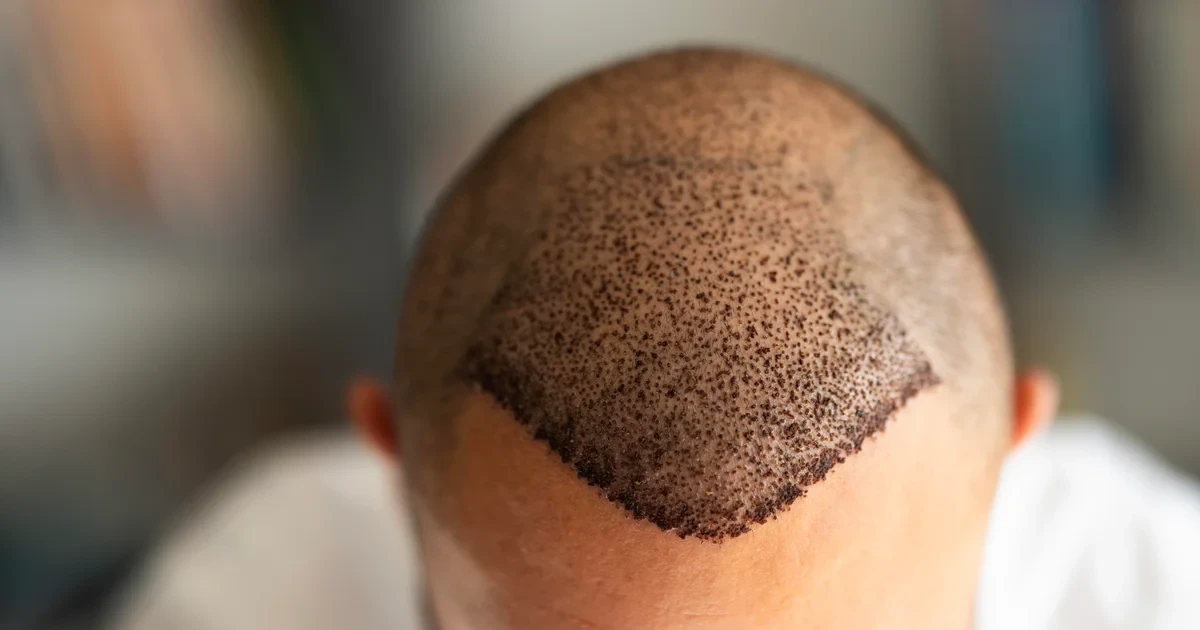
When thinning follows a stable, hereditary pattern and the follicles in the affected areas have stopped producing meaningful hair, non-surgical methods may no longer restore coverage. In these cases, a hair transplant is the option many people consider for a lasting result. The principle is simple: healthy follicles from an area genetically resistant to thinning, usually the back and sides of the scalp, are placed into the thinning areas.
At Now Hair Time in Istanbul, the two main techniques are FUE and DHI:
- FUE (Follicular Unit Extraction): Individual follicular units are extracted one by one and implanted into the recipient area. Read more on our FUE hair transplant in Turkey page.
- DHI (Direct Hair Implantation): A technique using a specialised implanter tool to place follicles directly, allowing precise control over angle and direction. More detail is on our DHI hair transplant in Turkey page.
A hair transplant is best suited to pattern thinning rather than active, undiagnosed shedding, so a proper assessment comes first. Transplanted hair typically continues to grow naturally, but suitability, graft numbers, and the outcome depend on the individual, and results vary from person to person. If cost is part of your planning, our hair transplant cost in Turkey page explains it.
What to Expect From the Process
While every clinic and patient differs, a typical hair transplant journey includes:
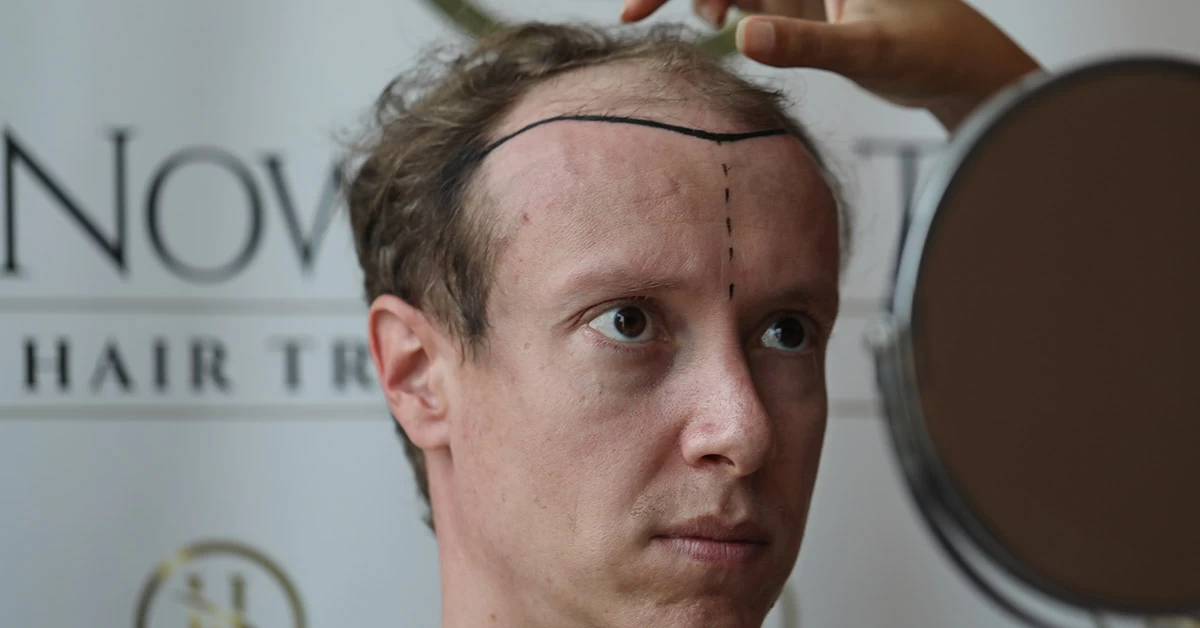
- Consultation and planning: A specialist examines your scalp, discusses your goals, and designs a natural hairline and density plan suited to your face and donor hair.
- The procedure: Follicles are extracted from the donor area and implanted into the thinning regions, usually in a single-day session under local anaesthesia.
- Recovery: A short recovery period follows, with aftercare instructions to support healing. Some initial shedding of the transplanted hairs is normal before new growth.
- Growth over time: New hair grows in gradually over the following months, with the fuller result developing patiently.
Frequently Asked Questions
Is thinning hair always permanent?
No. Some thinning is temporary, particularly when linked to stress, illness, hormonal changes, or nutritional issues, and it can improve once the trigger is resolved. Hereditary pattern thinning, by contrast, tends to be progressive. Only a doctor can tell you which type you have.
How much hair shedding is normal?
Losing a moderate amount of hair every day is part of the normal cycle, as old hairs are shed and replaced. Thinning becomes a concern when shedding consistently outpaces regrowth or when regrown hair is noticeably finer over time.
Can lifestyle changes really help with thinning hair?
They can support healthier hair, especially when thinning is connected to stress, diet, or harsh styling habits. They are not a guaranteed cure, however, so it is best to discuss your situation with a doctor.
Are minoxidil and PRP suitable for everyone?
Not necessarily. These recognised approaches may help some people, but they are not appropriate for everyone, may need to be continued to maintain any benefit, and can have side effects. A qualified doctor can advise whether they suit you.
Am I a good candidate for a hair transplant?
Hair transplants are generally most suitable for stable, pattern thinning where there is enough healthy donor hair. Whether you are a candidate depends on your individual situation, so a professional assessment is essential first.
How long until I see results after a hair transplant?
Results develop gradually. After an initial settling and shedding phase, new hair grows in over the following months, with the fuller outcome visible over a longer period that varies for each person.
Talk to Now Hair Time
Thinning hair can feel discouraging, but you do not have to navigate it alone or guess at the cause. The most important step is an honest, professional assessment so you can choose an approach that fits your needs, whether that is lifestyle adjustments, non-surgical care, or a modern FUE or DHI hair transplant. The team at Now Hair Time in Istanbul, Turkey is happy to answer your questions with realistic guidance, and results vary from person to person. Get in touch with Now Hair Time to learn more about treating thinning hair.