DHI vs FUE Hair Transplant: Method Comparison and Results
If you’re considering a hair transplant, you’ve likely come across two leading techniques: Direct Hair Implantation (DHI) and Follicular Unit Extraction (FUE). Both are advanced, widely used, and capable of delivering excellent results, but they are not always interchangeable. While both methods involve transplanting healthy follicles, the precise extraction and implantation processes can affect recovery and overall results.
Knowing the differences can help you avoid confusion and choose the approach best suited to your goals. This guide breaks down those differences to help you make the right choice for your needs, along with expert consultation and guidance.
DHI vs FUE: Which is Better for Hairline vs Crown?
Comparing and deciding which FUE vs DHI hair transplant method is best is largely dependent on the area being treated.
Different regions of the scalp require various levels of precision and density to address:
- The Hairline: This is where DHI is often preferred for its controlled implantation technique, which allows for precise angle, direction, and natural-looking density.
- Larger Areas like the Crown: Here, FUE is typically better suited for broader coverage, while efficient graft installation is key to achieving balanced results.
Ultimately, the best approach depends on your hair loss patterns and treatment goals, where you may even benefit from a tailored combination of both techniques.
What FUE and DHI Hair Transplant Methods Actually Mean
FUE (Follicular Unit Extraction) and DHI (Direct Hair Implantation) are both modern hair transplant techniques that involve extracting healthy hair follicles from a donor area and grafting them to areas of thinning or hair loss. The key difference lies in how the follicles are implanted: FUE involves creating channels in the scalp before placing grafts, while a DHI transplant uses a specialized tool to implant follicles directly in a single step.
Although they share similar extraction processes, their distinctive implantation techniques affect precision, volume control, and recovery for hair restoration goals.
FUE Hair Transplant Explained
Follicular Unit Extraction (FUE Hair Transplant) is a widely used hair transplant technique where individual hair follicles are carefully extracted from the donor area, routinely at the back of the scalp. Small channels are then created in the recipient area, and the donor hair follicle grafts are placed to restore fullness and coverage.
This method is known for its versatility, making it suitable for treating larger areas such as the crown or advanced thinning. It is minimally invasive, leaves no visible linear scars, unlike older Follicular Unit Transplantation (FUT) methods, and offers authentic-looking results when performed with proper planning and technique.
DHI Transplant Explained (Direct Hair Implantation)
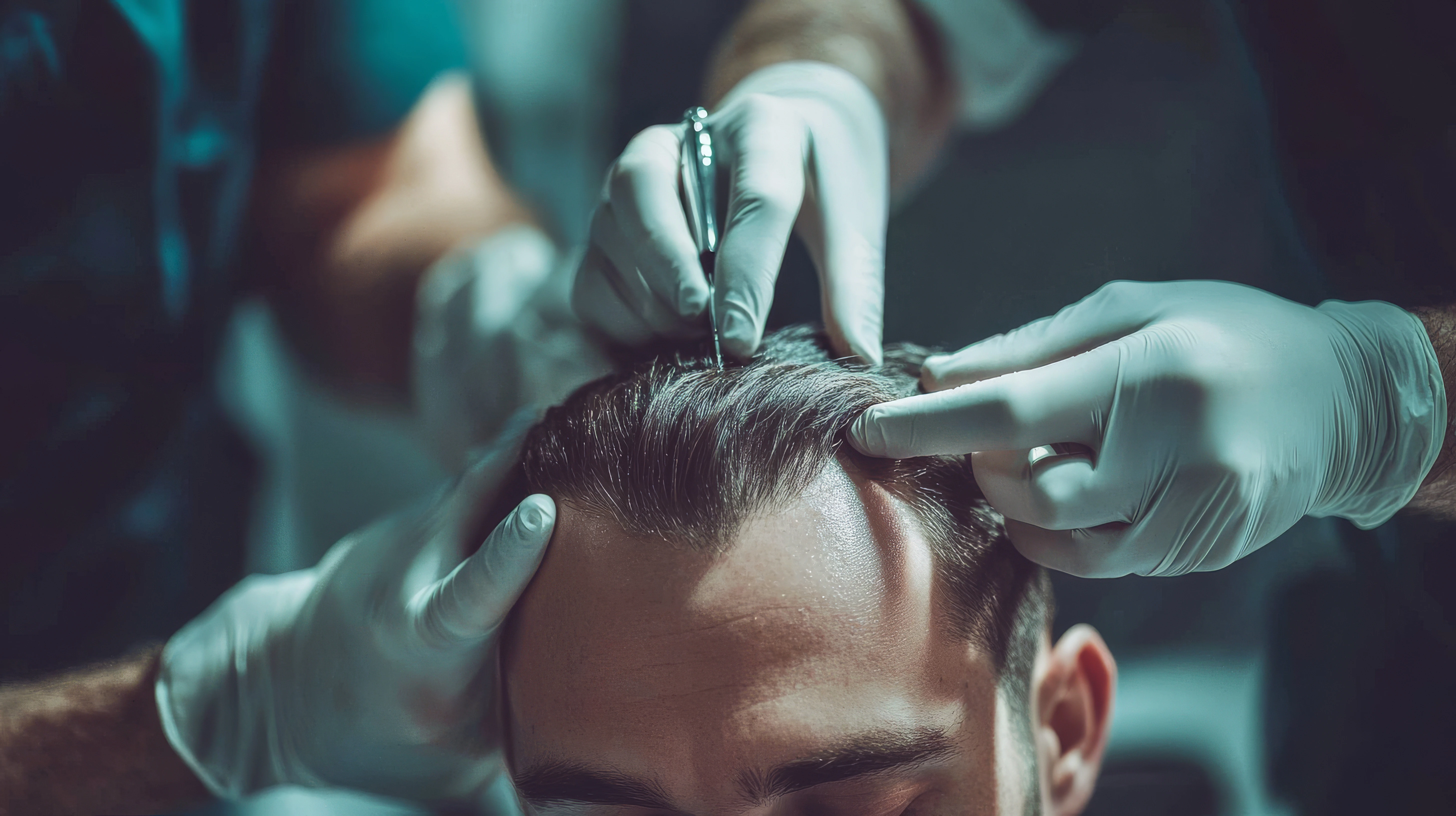
Direct Hair Implantation (DHI Hair Transplant.com/dhi-hair-transplant-in-turkey) is an advanced hair transplant technique similar to FUE, but goes a step further, where extracted follicles are implanted directly into the scalp using a specialized pen-like instrument. By using this method, the surgeon can control the slant, depth, and path of each graft in real time, without the need to pierce channels beforehand. DHI is best applied for areas requiring high precision, such as the hairline or smaller zones of thinning and is predominantly chosen for its ability to achieve dense, convincing results with minimal disruption to surrounding hair.
DHI vs FUE Hair Transplant: Step-by-Step Procedure Comparison
While DHI and FUE share the same goal to restore hair by transplanting healthy follicles, their procedures differ mainly during the implantation stage.
| Comparing Hair Transplant Methods | ||
| Main Hair Transplant Stage | FUE Procedure | DHI Procedure |
| Extraction | Individual follicles are extracted from the donor area. | Individual follicles are extracted from the donor area. |
| Graft Preparation | The recipient area is prepared by creating tiny channels. | Each graft is loaded into a specialized implantation tool. |
| Implantation | Grafts are then placed into the channels to restore density. | Follicles are implanted directly into the scalp in a single step, without pre-made channels. |
FUE Workflow: Recipient Sites First, Then Graft Placement
In FUE procedures, the implantation phase begins by creating tiny recipient sites in the target area before any grafts are placed. These micro-incisions are carefully designed to control the tilt, positioning, and overall pattern of hair growth. Once the sites are prepared, the extracted follicles are placed into these channels.
DHI Workflow: Choi Pen Creates the Site and Implants the Graft
In DHI procedures, implantation is performed in a single step using a specialized Choi implanter pen, or CHOÏ, a tool developed by Dr Young-Chul Choi and his Kyungpook National University team in South Korea in 1992. Each extracted follicle is loaded into the device, which simultaneously pierces the recipient site and places the graft into the scalp. This streamlined process reduces the time grafts spend outside the body, supporting optimal survival and true-to-life results.
DHI vs FUE Results: Density, Precision, and Natural Look
Both DHI and FUE are capable of delivering realistic, long-lasting results, but they differ in their approach to achieving these outcomes. Factors such as distribution, precision, and overall appearance are influenced by the method used, as well as the area being addressed and your hair characteristics.
How Do Hair Characteristics Affect Hair Transplant Choice?
Several key traits of your hair type will influence the choice of technique and the final aesthetic outcome, which both help surgeons tailor the transplant plan for the best results.
The seven main factors of hair types and best approaches include:
- Hair Thickness (Shaft Diameter)
- Coarser/Thicker Hair: Gives the appearance of higher hair concentration.
- Finer Hair: Requires more grafts to achieve similar coverage.
Technique suggestion: Finer hair may benefit from DHI for more precise, dense placement, while thicker hair performs well with FUE for broader coverage.
- Hair Curl or Wave Pattern
- Curly or Wavy Hair: Creates more visual fullness.
- Straight Hair: May require a denser arrangement for the same effect.
Technique suggestion: Straight hair may favor DHI for controlled angling and fullness, while curly hair adapts well to FUE due to its natural volume.
- Hair Color vs Scalp Skin Coloring Contrast
- High Contrast (Dark Hair, Light Scalp): Makes thinning more visible.
- Lower Contrast (Similar in Shades): Can appear fuller even at lower physical thickness.
Technique suggestion: High-contrast cases may benefit from DHI for refined graft concentration, while lower contrast offers more flexibility with FUE.
- Donor Hair Quality
- The strength, consistency, and resistance to miniaturization impact long-term survival and natural results.
Technique suggestion: Both FUE and DHI rely heavily on donor quality; this factor determines suitability more than technique choice.
- Hair Density in the Donor Area
- The available number of grafts per cm² limits how vigorous the transplant plan can be.
Technique suggestion: Lower donor density may favor DHI for targeted placement, while higher density supports FUE for larger areas.
- Hair Growth Direction and Natural Pattern
- Particularly important for hairline design and temple reconstruction affects how ‘natural’ the final result looks.
Technique suggestion: DHI is customarily preferred for high-precision areas like the hairline, while FUE is effective for general coverage.
- Miniaturisation Level (Early Thinning in Donor or Recipient Zones)
- Indicates ongoing hair loss activity.
- Critical for deciding technique and timing.
Technique suggestion: Active miniaturisation may delay surgery or require a conservative FUE approach; DHI can be used later for refinement once stable.
Best Use Cases: Detailed Hairline and Temples vs Large-Area Coverage
DHI and FUE are commonly selected based on the specific area being treated, as each technique offers distinct advantages depending on the level of detail or coverage required. In general, some regions benefit more from high-precision distribution, while others require broader, more efficient graft distribution.
Detailed Hairline and Temples
DHI is more preferred for the hairline and temple areas due to its ability to control angling, path, and fullness with high precision. These zones require a soft, natural transition. Careful organising is essential to avoid a harsh, artificial-looking or overly structured appearance.
Large-Area Coverage (Crown and Mid-Scalp)
FUE is generally well-suited for larger areas such as the crown or mid-scalp. Here, the priority is to achieve even coverage and overall volume. Its process allows for efficient graft configuration across wide sections while maintaining a life-like balance.
Recovery, Scarring, and Shaving Requirements
Recovery, scarring, and shaving needs can vary slightly between DHI and FUE, although both are deemed minimally invasive techniques with generally quick healing.
Some of the post-procedure phase considerations include:
- Recovery Timeline: In both methods, temporary redness, mild swelling, and small scabs are common in the first days after treatment, with most visible healing occurring within one to two weeks.
- Shaving Requirements: FUE normally requires shaving of the donor area (and sometimes the recipient area), while DHI may allow for partial or no-shave options in suitable cases.
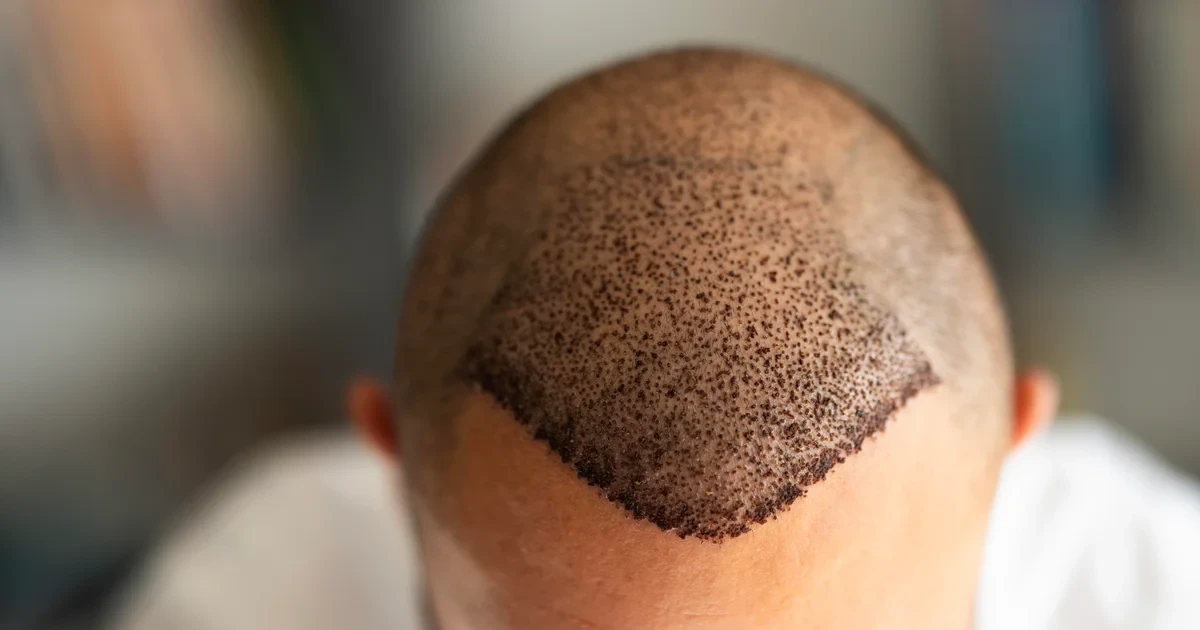
- Scarring: For both techniques, scarring can be quite minimal, appearing as tiny dot-like marks in the donor region that are usually not noticeable once healed.
Procedure Time and Graft Capacity (Small vs Large Sessions)
The duration of a hair transplant and the number of grafts that can be transferred in a single session depend on both the technique used and the extent of hair loss. DHI and FUE can both be used for small or large sessions, but they differ in efficiency, workflow, and overall speed. In general, smaller, more detailed sessions may prioritise precision and design, while larger sessions focus on achieving broader coverage and higher graft numbers.
DHI vs FUE Cost Comparison
The cost differences between an FUE vs DHI hair transplant can vary depending on the clinic, surgeon's expertise, and the number of grafts required, rather than the technique alone. In many cases, DHI is priced higher due to the specialized tools, increased precision, and longer procedure time involved; whereas FUE is at times more cost-efficient for larger sessions, as it allows for faster graft insertion across broader areas. Hair transplant pricing will also depend on the complexity of the case and the level of customization needed to achieve natural, long-lasting results.
Why DHI Hair Transplants Usually Cost More
DHI procedures may involve higher costs because they require specialised implantation tools and a more meticulous, time-intensive technique. As each graft is placed individually using an advanced Choi pen, this demands greater precision and substantial time. In addition, DHI in many cases requires a more experienced surgical team to achieve consistent follicle distribution and natural hairline design, which can also influence pricing.
When the Higher Cost of DHI May Be Worth It
While DHI can be more expensive than FUE, it can be worth the investment. This applies to cases where precision and natural detailing are the top priority, and especially if you are focusing on hairline refinement, temple restoration, or smaller areas. It may also be preferable for individuals seeking minimally invasive or more discreet procedures for fine hair or female patients, as DHI can offer greater flexibility in select cases. Ultimately, the added cost is justifiable by the level of control and refinement it provides in carefully planned treatments.
How to Choose Safely: Questions to Ask Your Surgeon
Choosing between DHI and FUE is not just about the technique; it’s about the skill, experience, and transparency of the surgical team performing the procedure. Asking all relevant questions during your consultation helps you understand the plan, the expected results, and the level of care. You should feel confident discussing the surgeon’s technique experience, viewing before-and-after cases, and understanding how graft survival, design, and donor management will be handled.
A reputable clinic will provide clear, honest answers and tailor recommendations based on your individual hair loss pattern, rather than a one-size-fits-all approach.
Additional Questions for Hair Transplant Procedures
There are several important questions to ask when considering a hair transplant, especially around timing, longevity, and the level of grafting required.
Key questions to ask should include a focus on:
- Ideal Age: What is the best age for a hair transplant? Choosing the right timing for surgery is important, as age can influence hair loss stability and long-term results.
- Duration and Sustainability: How long do hair transplants last? Understanding the longevity of results helps you know what to expect from your investment and whether maintenance may be needed over time.
- Graft Count: How many grafts are needed for a hair transplant? Graft requirements vary depending on the extent of hair loss and the desired density, making this a key factor in planning treatment.
Common Red Flags When Choosing a Hair Transplant Clinic
When researching a hair transplant clinic, certain warning signs can indicate poor quality or unsafe practices.
Be sure to look out for any of the following concerns:
- Unclear pricing structures.
- Limited evidence of real patient outcomes.
- Unrealistic promises of guaranteed results.
- Pressure to book quickly without proper consultation.
- A lack of transparency about the surgeon’s qualifications.
- Clinics that offer a standard approach, regardless of individual hair loss patterns.
Choosing a reputable provider should always involve clear and honest communication, realistic expectations, and a medically led treatment plan.
Can FUE and DHI Be Combined in One Hair Transplant?
Yes, FUE and DHI can be combined in the same hair transplant procedure, and in some cases, this approach is used to maximise both coverage and precision. The two techniques complement each other well, as FUE allows efficient harvesting and broader graft configuration, while DHI can be used for more detailed work, such as the hairline or temples.
A combined FUE with DHI approach can be recommended based on your hair loss pattern, donor capacity, and desired level of fullness and refinement. Strategy customisation allows surgeons to optimise results by using the strengths of each method where they are most effective.
Frequently Asked Questions (FAQ)
Does DHI give better results than FUE?
DHI does not necessarily produce ‘better’ results than FUE for overall hair growth, as both techniques have high success rates when performed correctly. The main difference lies in how the grafts are implanted: DHI allows for more precise control, ideal for detailed areas like the hairline, while FUE is often more efficient for covering larger regions of thinning. The best results come from choosing the right technique for your specific hair loss pattern.
Is DHI more painful or faster to heal than FUE?
DHI may feel slightly more comfortable for some patients and can involve a quicker surface healing phase due to its implantation approach, but the difference is generally small. However, DHI and FUE are both minimally invasive procedures performed under local anaesthetic, with most patients reporting only mild discomfort rather than significant pain. Generally, pain perception levels and healing speed depend more on individual sensitivity and post-operative care.
Why is DHI usually more expensive than FUE
DHI is typically priced higher than FUE due to the specialised equipment and more time-intensive nature of the procedure. It uses dedicated implantation tools that allow for highly controlled placement of each follicle, which requires advanced surgical skill and precision. Additionally, the higher overall cost is also due to the longer procedure time and increased level of technical detail for achieving dense, authentic-looking results.
Which is better for the hairline DHI or FUE?
For the hairline, DHI is generally preferred because it allows very precise control over the tilt, orientation, and installation of each graft, all essential elements for creating a soft and authentic-looking frontal hairline. This makes it a top choice for detailed, high-visibility areas where volume and refinement quality will be noticeable. FUE is largely better suited to larger treatment zones where broader coverage is the priority, rather than fine detailing.
Can I do a no shave hair transplant with DHI or FUE?
Yes, a no-shave or minimally shaved hair transplant can be performed with both DHI and FUE techniques, allowing you to keep most of your existing hair length. In many cases, only a small, discreet area in the donor zone is trimmed so it can be easily concealed by surrounding hair. DHI is more well-suited to no-shave procedures due to its precise implantation method, but FUE can also be adapted depending on your needs and the number of grafts required.
Can FUE and DHI be combined in one procedure?
Yes, FUE and DHI can be combined in a single procedure, named a ‘hybrid approach’. The blending of the two allows surgeons to use FUE for efficient graft extraction and broader coverage, while applying DHI for more detailed, high-precision work for the hairline or temples. By combining both techniques, treatment can be tailored to maximise density, control, and natural-looking outcomes within one customised plan.