Hair Transplant for Women: Complete Guide to Female Hair Restoration

Hair loss is often seen as a male concern, yet up to 40% of women experience noticeable hair thinning by the age of 50. While male hair loss tends to follow predictable patterns, female hair loss can be more complex. Due to the variables involved, women require a different diagnostic and treatment approach than male pattern baldness.
However, in 2026, hair transplant for women are becoming an increasingly effective solution when guided by accurate diagnosis, careful planning, and a personalized approach. This guide explores when a hair transplant is appropriate for women, and how to achieve natural, lasting results with a comprehensive plan.
Can Women Get a Hair Transplant and When Does It Work?
Yes, women can undergo hair transplants, but success depends on accurate diagnosis, the type of hair loss, and the availability of suitable donor hair. Hair plugs for women are most effective when individuals are mainly experiencing patterned thinning or localized hair loss, where healthy follicles can be moved to areas of reduced density. Early consultation with a specialist helps select the appropriate procedure, sets realistic expectations, and overall creates a personalized plan for natural, long-lasting results.
Why Female Hair Loss is Different
Female hair loss can be more intricate than male pattern baldness, which tends to be associated with distinct patterns, causes, and treatment considerations. Women are more likely to experience diffuse thinning across the scalp caused by any number of reasons, rather than clearly receded hairlines, making diagnosis and treatment planning more nuanced. Understanding these differences is critical for applying the right interventions, whether medical, surgical, or supportive, so results are effective, natural-looking, and aligned with each patient's goals.
Female Pattern Hair Loss vs Telogen Effluvium vs Traction Alopecia vs Scarring Alopecia
Not all hair loss in women is the same, and identifying the correct type is essential before considering a hair transplant. Each condition has different causes, progression patterns, and treatment approaches; some are reversible, while others require more advanced solutions.
Some of the main hair loss experienced by women include:
- Female Pattern Hair Loss (FPHL): The most common form, characterized by gradual thinning along the part line and crown, and is usually linked to genetics and hormones.
- Telogen Effluvium: A temporary form of shedding triggered by stress, illness, hormonal changes, or nutritional deficiencies, and may resolve after addressing the underlying cause.
- Traction Alopecia: This hair loss type is caused by repeated tension from tight hairstyles, commonly affecting the hairline and temples, and is potentially reversible if caught early.
- Scarring Alopecia: A less common, but more serious condition where inflammation damages hair follicles permanently, and requires early medical intervention to prevent progression.
For a deeper exploration of hair loss in women, we recommend reading more in our guide about what causes thinning hair in women.
Female Hair Transplant Candidacy Checklist
As hair loss can result from various causes, not all women experiencing hair loss are ideal candidates for a hair transplant. Suitability for female hair implants depends on the type of hair loss, the stability of the condition, and the availability of healthy donor hair. To understand and determine whether a hair transplant may be the right option for you, we developed a checklist.
You qualify as a hair transplant candidate if you have:
- Stable hair loss rather than ongoing or sudden shedding.
- Localized or pattern-based hair loss, not diffuse across the entire scalp.
- Sufficient donor hair identified at the back or sides of the scalp.
- An accurately diagnosed underlying cause of hair loss.
- Good overall health and are suitable for a minor surgical procedure.
Donor Density, Hair Loss Stability, and Realistic Expectations
Three key factors determine whether a female hair transplant will be successful: donor density, hair loss stability, and realistic expectations.
- Strong, Dense Donor Areas: These are sourced from the back of the scalp, and are essential to provide enough healthy follicles for natural coverage.
- Stabilized Hair Loss: This is vital, as active or rapidly progressing hair loss can affect both transplant success and long-term results.
- Realistic Patient Expectations: You should note that transplants improve density but may not fully restore original volume, especially in cases of diffuse thinning.
Red Flags that Make Hair Transplant Surgery Risky
Not all types of hair loss are suitable for surgical treatment, and identifying red flags early can prevent poor outcomes or unnecessary procedures.
The following factors may make a hair transplant for women less effective or inappropriate:
- Active or Rapid Hair Shedding: Ongoing hair loss (such as telogen effluvium) can make results unpredictable.
- Diffuse Thinning Across the Scalp: Limited quality donor hair strength may not support successful transplantation.
- Untreated Underlying Conditions: Any hormonal imbalances, nutritional deficiencies, or medical issues should be addressed and stabilized first before attempting a transplant.
- Scarring or Inflammatory Scalp Conditions: The scalp must be in prime condition; any scalp issues can contribute to damaged follicles and reduced graft survival.
- Insufficient Donor Hair: To have a successful transplant, donor hairs must be at their peak; weak or sparse donor areas limit possible overall hair density.
What Areas Can be Treated with Hair Transplants for Women
Hair plantation for women treatments and procedures are designed to address a wider range of concerns than in men, sometimes focusing more on overall density rather than defined bald patches. While men are more likely to seek restoration of the hairline or crown, women may seek subtle enhancement along the part line, temples, or areas of thinning across the scalp. With a personalized approach, they can also deliver natural, discreet results tailored to each patient's needs, such as restoring eyebrows or correcting traction-related hair loss.
Part Line and Crown Thinning
Thinning along the part line and crown is one of the most common patterns of hair loss in women, presenting as a widening part or reduced overall density. Hair transplants in these areas focus on carefully distributing grafts from existing hairs to sparse areas to create a fuller, more natural appearance. Precision and planning are essential, as the goal is to enhance density without disrupting surrounding hair growth.
Hairline and High Forehead
A high or uneven hairline can be approached with a carefully planned hair transplant, creating a more balanced and authentic-appearing facial frame. Unlike male procedures, female hairline restoration requires a less defined approach for softer and more rounded hairlines to maintain natural density and avoid an artificial or harsh appearance. Strategic placement of grafts allows for subtle lowering of the hairline while preserving a natural, feminine contour.
Temples and Traction Alopecia Edges
Thinning at the temples is common in women and can be caused by both genetic factors and traction alopecia from repeated tension due to tautly pulled hairstyles. Hair transplants in these areas require careful, low-density placement to restore softness and symmetry without creating a blocky or unnatural hairline. Early intervention is important in traction-related cases, as restoring these edges can significantly improve overall facial framing and hair balance.
Tip: To reduce further traction damage, avoid consistently tight hairstyles like high ponytails, braids, or buns, and vary your styling to lessen repeated tension on the hairline and temples.
Hair Transplant Techniques for Women
Modern hair transplant techniques have evolved significantly since Follicular Unit Transplantation (FUT) in the late 1980s. Now, specialists offer highly precise minimally invasive hair-by-hair procedures that are well-suited to the unique patterns of female hair loss to prioritize density refinement, natural hairline design, and discreet recovery. The choice of advanced techniques applied during women hair transplant in Turkey depends on your diagnosis, donor availability, and the desired level of precision and recovery time.
Female Hair Grafting Techniques Explained
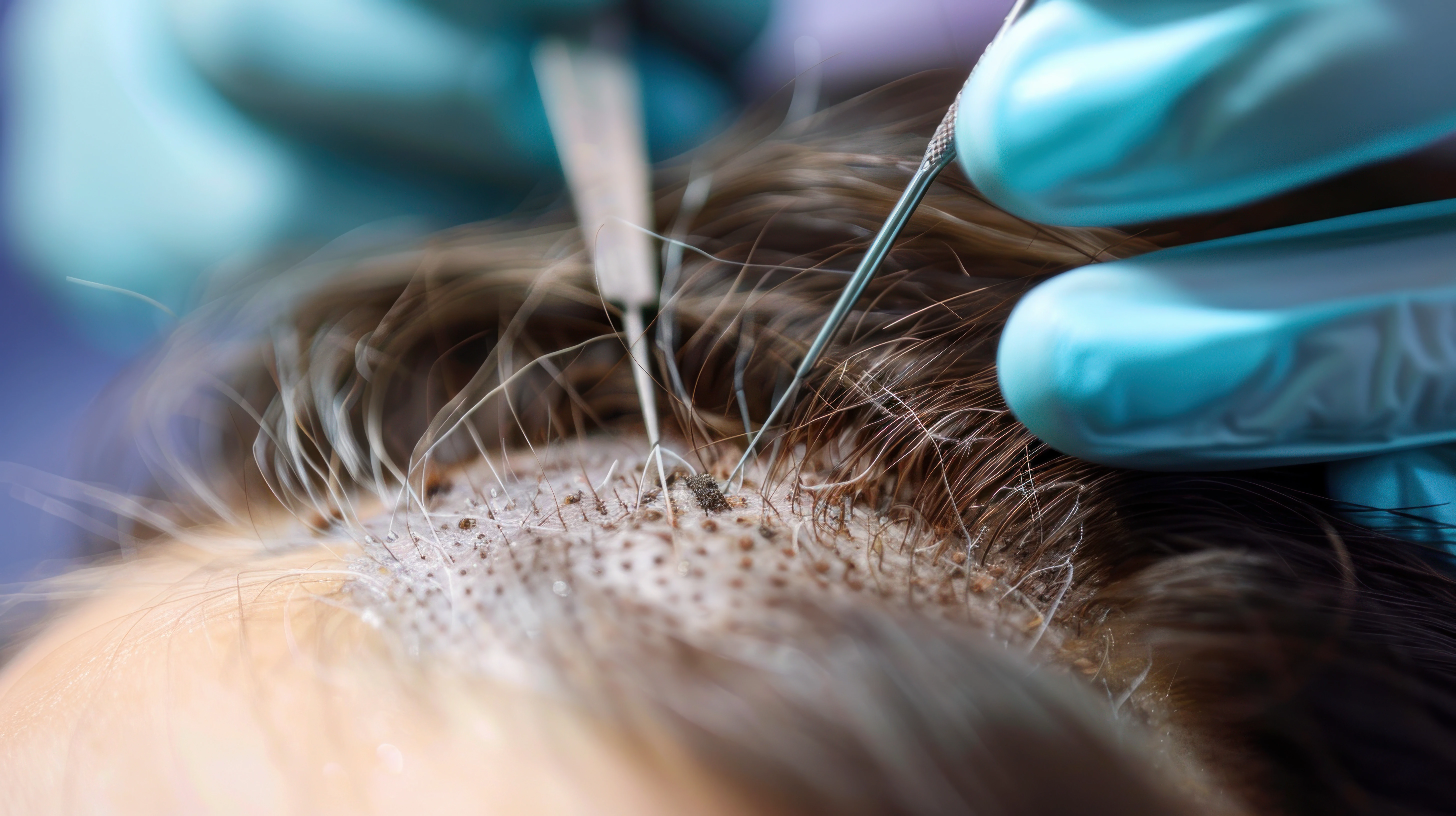
Hair grafting for women involves carefully extracting individual follicular units from a donor area (traditionally at the back of the scalp) using a type of specialized punch tool and implanting them into thinning or sparse regions. The process is designed to preserve existing hair density while enhancing overall fullness in a natural, inconspicuous way. As women may experience diffuse thinning rather than defined bald patches, graft placement is more strategic and delicate to blend seamlessly with surrounding hair.
Good to Know: Each graft should contain healthy, intact follicular units with minimal trauma during extraction, preserving the surrounding tissue (including protective structures like the dermal sheath).
Unshaven or No-Shave Hair Transplant Options
Unshaven hair transplant techniques (or no-shave) allow follicles to be extracted and implanted without fully shaving the scalp, making the procedure especially appealing for women seeking discretion. This approach helps preserve existing hairstyle coverage during recovery, allowing you to return to daily life without obvious signs of surgery. It is best suited for smaller or targeted areas of thinning where precision is prioritized over large-scale grafting sessions.
What Happens on Hair Transplant Procedure Day
On a procedure day of hair restoration for women, patients attend a final consultation and hairline design review to confirm the treatment plan. The donor and recipient areas are then prepared, and local anesthesia is administered as most patients remain awake during the procedure. Depending on the technique used, follicles are carefully extracted, prepared, and implanted with precision to achieve an organic-looking distribution and density.
Recovery and Hair Growth Timeline After Female Hair Transplant
After a hair transplant for women, a female patient can return to light activities within a short recovery period (about 24–72 hours), following aftercare instructions provided by the clinic. Recovery after a female hair transplant is gradual. It's important to understand that recovery is not just about healing the scalp, but about allowing new hair to grow in naturally over time.
Month 1–12 Hair Regrowth Timeline
While the patient's healing phase is relatively quick on the scalp surface, true hair regrowth follows a longer biological cycle beneath the skin. This is due to a phased process where the scalp, follicles, and hair growth cycle each heal and reset at different stages.
Female hair transplant patients can anticipate their approximate healing timeline to follow:
- 7–14 Days: Most patients experience initial healing, with redness, scabbing, and sensitivity subsiding.
- During the First Few Weeks: Transplanted hairs will shed, which is a normal, temporary phase as follicles enter a new growth cycle.
- 3–4 Months: New hair growth usually begins, with early fine regrowth becoming more visible over time.
- 6–9 Months: Density and texture continue to improve.
- 12 Months: More refined, final results are now visible.
Note: Patience is essential, as full results develop progressively and vary slightly depending on your healing and hair characteristics. As for the permanence of the treatments, explore our guide on how long hair transplants last.
Shedding Phase: What is Normal vs When to Contact Your Clinic
It is completely normal for transplanted hairs to shed within the first few weeks after surgery, as follicles temporarily enter a resting phase before new growth begins. This 'shedding phase' can feel concerning, but it is a standard and expected part of the hair growth cycle and does not indicate treatment failure. However, you should contact your clinic if you experience persistent pain, increasing redness, signs of infection, or unusual swelling beyond the early recovery period.
Tip: Keeping a photo journal and notes during recovery can help track progress and provide valuable context for consulting specialists during follow-ups, and if questions need to be raised on whether you can have a second hair transplant.
Risks, Side Effects, and How to Choose a Safe Hair Transplant Clinic
As with any medical procedure, hair transplantation carries some risks, although complications are uncommon when performed by experienced specialists. The temporary side effects mentioned above are part of the normal healing process and typically resolve within days to weeks. However, in rare cases, issues such as infection, poor graft survival, or unnatural growth patterns may occur and may be linked to inadequate technique or aftercare.
Choosing a reputable clinic is essential to minimize these risks and optimize your experience. You should prioritize medically qualified surgeons, transparent consultations, clear before-and-after documentation, and properly regulated clinical environments. A safe approach allows long-term, sustainable hair health and patient confidence, with the end goal of as near true-to-life results as possible.
Hair Transplant Cost for Women: What Affects the Price
The cost of a hair transplant for women varies depending on your needs. Key factors include the extent of hair loss, the number of grafts required, the chosen technique (such as FUE or DHI), and the level of precision needed for natural, density-focused results. Clinic expertise, medical team experience, and the quality of aftercare provided also play an important role in overall pricing.
As every case is unique, a personalized consultation is essential to determine an accurate treatment plan and cost estimate. For further context, refer to our cost and procedure guide.
Frequently Asked Questions (FAQs)
Are women good candidates for hair transplants if they have diffuse thinning?
Women experiencing diffuse thinning may potentially be suitable candidates for a hair transplant, as long as their donor area at the back and sides of the scalp is strong and stable. A proper medical assessment is essential to first confirm that the thinning is not part of a widespread condition that could affect long-term results.
Do I need to shave my head for a hair transplant as a woman?
No, you do not need to shave your entire head for a hair transplant. In many cases, a no-shave or partial-shave approach can be used, where only a small donor area is trimmed and easily concealed by surrounding hair. The best option depends on the technique used and the extent of grafts required.
What's better for women: FUE, DHI or FUT?
For female hair restoration, DHI (Direct Hair Implantation) is frequently the leading choice due to its high precision and suitability for discreet, minimally invasive procedures without the need to shave. FUE (Follicular Unit Extraction) remains a widely used alternative, offering reliable results across a range of thinning patterns. Although FUT (Follicular Unit Transplantation) is now used less often, it may still be implemented in specific cases where maximum graft yield is required.
How long does it take to see results, and is post-op shedding normal?
Yes, it is completely normal to experience shedding after a hair transplant, and it typically occurs within the first 2–4 weeks. This 'shock shedding' phase happens as the follicles temporarily reset before entering a new growth cycle. Visible regrowth can start around 3–4 months, with more noticeable improvements developing over the following months.
Can a hair transplant fix traction alopecia or a high forehead/hairline recession?
Yes, a hair transplant can help restore areas affected by traction alopecia or refine a high forehead or receding hairline. By relocating healthy follicles into these areas, the procedure can improve density and create a more balanced, natural-looking hairline. The best results are achieved when the underlying cause, whether ongoing tension from hairstyles or other underlying causes, is addressed before treatment.
What tests should I get before considering surgery (iron/ferritin, thyroid, hormones)?
Before moving forward with a hair transplant, it's important to check for underlying health factors that could influence hair loss or healing. Blood tests such as iron (ferritin), thyroid function, and hormone levels are commonly recommended to rule out correctable causes of thinning. As hair growth is closely linked to internal health, these biological tests help assess conditions that may be driving or worsening hair loss.