How Long Do Hair Transplants Last? A Definitive Guide to Permanent Results

Deciding to undergo a hair transplant is a significant step towards regaining not just your hair, but also your confidence. One of the most pressing questions potential patients have is: "How long will it last?" The straightforward answer is that a hair transplant is designed to be a permanent solution to hair loss. However, the longevity and success of the results are not guaranteed by the procedure alone. They depend on a combination of surgical expertise, your individual physiology, and how well you care for your new hair.
This comprehensive guide will explore the science behind the permanence of hair transplants, the critical factors that influence their lifespan, and the steps you can take to ensure your results last a lifetime.
The Principle of Permanence in Hair Transplantation
The permanence of a hair transplant lies in a concept called ";donor dominance."; Hair follicles are harvested from a specific area of your scalp, typically the back and sides of the head. This region is genetically resistant to the effects of dihydrotestosterone (DHT), the hormone primarily responsible for common pattern baldness (androgenetic alopecia).
When these DHT-resistant follicles are moved to thinning or balding areas, they retain their genetic resilience. They are not "cured" of hair loss; they were never susceptible to it in the first place. This is why, as WebMD confirms, hair transplants are intended to be permanent.
However, it's important to distinguish between the permanence of the transplanted follicles and the natural aging process. Just like the rest of your hair, the transplanted hairs will continue their normal life cycle. Over many years, some follicles may gradually thin or produce less hair, but they are highly unlikely to fall out due to pattern baldness.
Key Factors That Determine the Longevity of Your Hair Transplant
While the transplanted hair is permanent, the overall aesthetic result and its duration are influenced by several key variables. A successful outcome is a collaboration between a skilled surgical team and a well-informed patient.
The Specialist's Skill and Surgical Technique
The experience of your specialist and their technical team is arguably the most critical factor. A successful transplant requires artistry and precision. An expert team ensures:
Minimal Graft Trauma: Hair follicles (grafts) are delicate living tissues. Research highlights that gentle handling, proper hydration, and controlled temperature during the procedure are fundamental to graft survival.
Correct Placement: The angle, direction, and density of implanted grafts determine the naturalness of the final look. A skilled specialist designs a hairline that not only looks good today but will also appear natural as you age.
Delicate follicular unit grafts prepared for transplantation, each containing the blueprint for hair growth
Graft Survival Rate: FUE vs. FUT
There are two primary methods for harvesting grafts: Follicular Unit Transplantation (FUT) and Follicular Unit Extraction (FUE).
FUT (Strip Surgery): A strip of hair-bearing skin is removed from the donor area. Technicians then dissect this strip into individual follicular units under a microscope. This method can leave a linear scar, which is concealable with longer hair.
FUE: Individual follicular units are extracted one by one directly from the scalp using a micro-punch tool, leaving tiny, dot-like scars that are often unnoticeable.
Both techniques aim to provide permanent results. For years, FUT was considered the ";gold standard" for graft survival due to the controlled dissection process. However, advancements in FUE technology and technique have largely closed this gap. Some studies now show comparable, or even slightly better, survival rates for FUE when performed by an experienced specialist.

Note: The chart visualizes data from two separate studies published by the International Society of Hair Restoration Surgery 2016 and . The results highlight the evolution and improvement of the FUE technique over time. The choice of technique should be based on a discussion with your specialist about your specific needs.
The Quality of Your Donor Hair
The success of a transplant is also dependent on the raw materials. An ideal candidate has a dense, stable donor area with thick, healthy hair follicles. A thorough patient evaluation is crucial. Factors like fine hair, low density in the donor zone, or signs that the donor area itself is beginning to thin (miniaturization) can impact the long-term outcome. A responsible specialist will assess this and set realistic expectations.
Your Health and Lifestyle Habits
Your body';s ability to heal and support new hair growth is vital. Certain lifestyle choices can significantly affect the longevity of your transplant:
Smoking & Alcohol: Both constrict blood vessels, reducing blood flow to the scalp. This can impair healing and hinder the delivery of essential nutrients to the fragile new grafts.
Nutrition: A balanced diet rich in vitamins and minerals is essential for healthy hair growth. Deficiencies can compromise the health of both transplanted and native hair.
Stress: High levels of chronic stress can negatively impact the hair growth cycle.
The Crucial Role of Post-Operative Aftercare
The surgery itself is only half the battle. Your actions in the days, weeks, and months following the procedure are critical for protecting your investment and ensuring maximum graft survival.
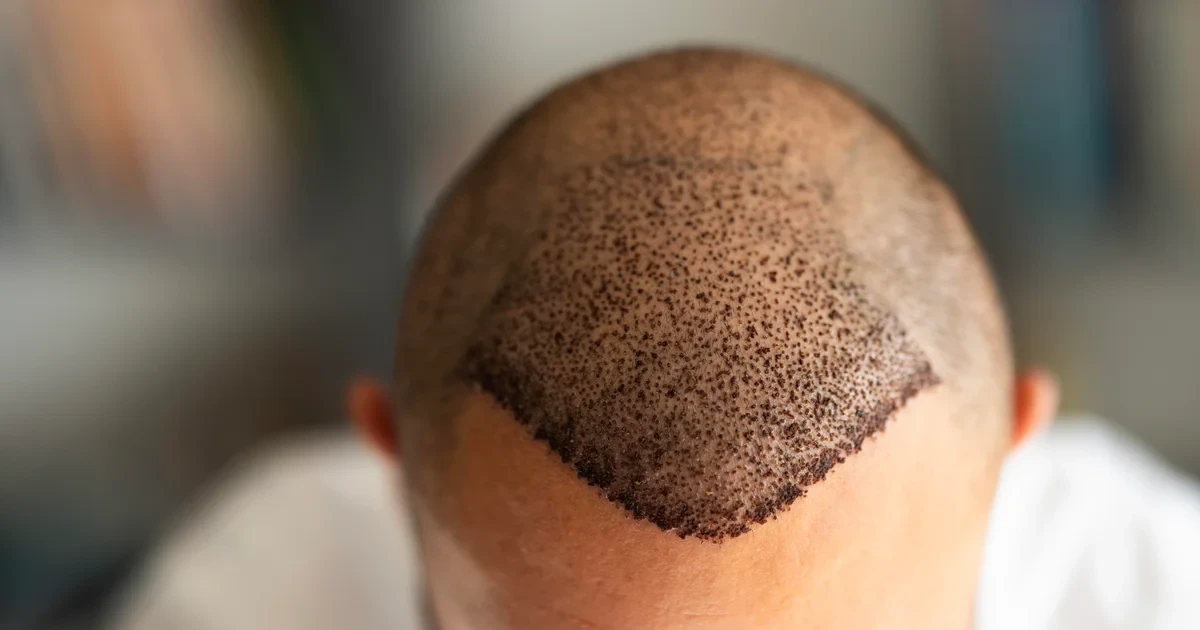
The scalp immediately after an FUE procedure, showing the small scabs where grafts were implanted, highlighting the need for delicate care
The First Two Weeks: A Critical Healing Window
The initial 14 days are pivotal for graft survival. The newly implanted follicles are extremely fragile as they establish a new blood supply. Meticulously following your specialist's instructions is non-negotiable.
Gentle Washing: Your clinic will provide specific instructions on how and when to wash your hair. This usually involves a gentle dabbing motion with a special shampoo, not scrubbing.
Sleeping Position: You will likely be advised to sleep with your head elevated for the first week to minimize swelling and avoid disturbing the grafts.
Avoid Physical Strain: Strenuous exercise, heavy lifting, and any activity that causes excessive sweating or increases blood pressure in the scalp should be avoided for at least two to three weeks.
Sun Protection: The scalp will be sensitive and must be protected from direct sunlight. Wear a loose-fitting hat if you need to be outdoors.
No Alcohol or Smoking: It is crucial to abstain from alcohol and smoking for at least a week post-op to ensure optimal blood flow and healing.
Long-Term Maintenance for Lasting Results
Once the initial healing phase is over, long-term care helps maintain the health of both your new and existing hair.
Use Gentle Products: Opt for mild, sulfate-free shampoos.
Avoid Harsh Chemicals: Wait at least a few months before dyeing your hair or using other chemical treatments, and always consult your clinic first.
Maintain a Healthy Lifestyle: Good nutrition, hydration, and stress management will support healthy hair for years to come.
Managing Future Hair Loss for a Natural Look
A hair transplant does not stop the progression of hair loss in your native (non-transplanted) hair. This is a critical point to understand for long-term satisfaction. If your existing hair continues to thin around the transplanted areas, it can eventually lead to an unnatural look.
To prevent this, many specialists recommend a holistic approach. A 10-year retrospective study found a significant correlation between patient satisfaction and the use of hair loss medications. Treatments like Finasteride (which blocks DHT) and Minoxidil (which stimulates growth) can help stabilize ongoing hair loss and maintain the density of your native hair, ensuring a seamless and natural appearance for decades.
What to Expect: The Hair Transplant Timeline
Patience is key after a hair transplant. The final results are not immediate and unfold over several months.
First 2-3 Weeks: The transplanted hairs will shed. This is a normal and expected part of the process, known as ";shock loss."
3-4 Months: New, fine hairs will begin to sprout from the transplanted follicles.
6-9 Months: You will see significant growth and a noticeable improvement in density. Most people see about 60% of new growth by this stage.
12-18 Months: The final result is visible. The hair will have matured, thickened, and grown to its full length, blending in with your native hair.
The visual journey of a hair transplant: from the initial state of hair loss, through the immediate post-procedure phase, to the final, dense result
Conclusion: A Lifelong Investment in Your Confidence
So, how long do hair transplants last? For all intents and purposes, a well-performed hair transplant lasts a lifetime. The transplanted follicles are genetically programmed to resist balding and will continue to grow hair for the rest of your life.
However, achieving a result that looks natural and full for decades requires more than just the initial surgery. It is a partnership. It begins with choosing a highly skilled and experienced surgical team that prioritizes graft health and artistic design. It continues with your commitment to meticulous aftercare during the crucial healing phase. And finally, it involves a long-term strategy, often including medication, to manage the health of your surrounding native hair.
By understanding these factors and taking an active role in your hair restoration journey, you can ensure that your hair transplant is not just a temporary fix, but a permanent, life-changing investment.