Scalp Fungus and Hair Loss: Causes, Symptoms, and Treatment

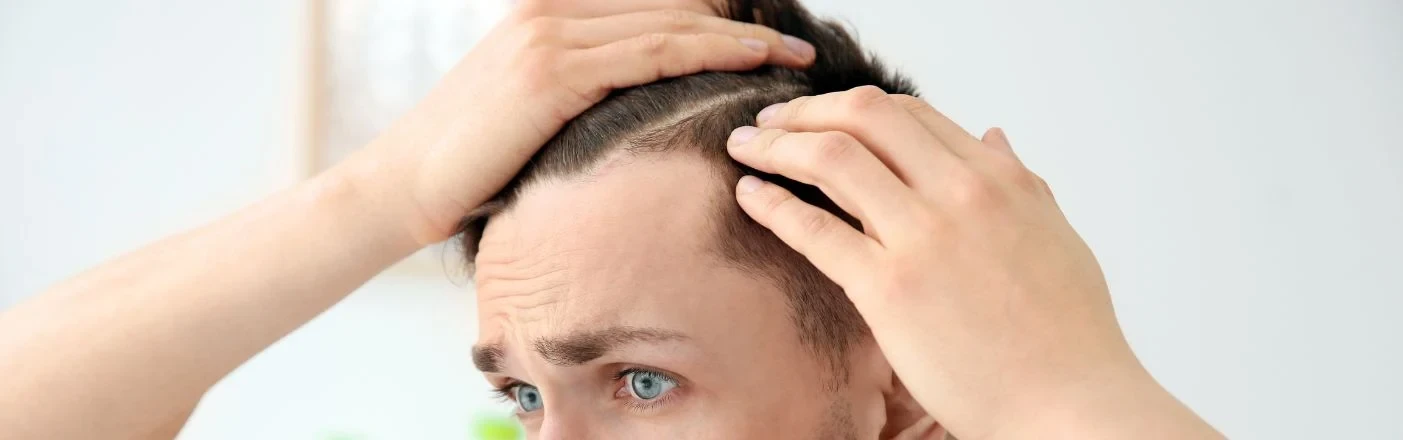
Scalp health plays an important role in maintaining strong, healthy hair. If you've noticed itching, flaking, unusual patches, or sudden hair shedding, it may be more than just a dry scalp or dandruff. In some cases, fungal infections of the scalp can disrupt the normal hair growth cycle, leading to irritation, inflammation, and even temporary hair loss.
Understanding how scalp fungus develops, the symptoms to watch for, and the available treatment options can help address the issue early and support healthier hair regrowth before considering a restorative option, such as a hair transplant.
Can Scalp Fungus Cause Hair Loss?
Certain fungal infections can affect the scalp and contribute to hair thinning or temporary hair loss. When fungi grow on the scalp, they can irritate your skin, trigger inflammation, and interfere with the normal hair growth cycle. The severity and pattern of hair loss often depend on the type of fungal infection, how long it has been present, and how quickly it is treated.
Common Conditions That Cause Hair Loss
Some of the conditions that contribute to fungal infection on scalp hair loss affect the skin, hair shafts, or hair follicles. These infections can lead to symptoms such as itching, redness, scaling, and patchy hair shedding, depending on the organism involved and how long the infection has been present. We'll explore the most common fungal conditions associated with scalp irritation and hair loss, along with how they typically develop and present.
Tinea Capitis
Tinea capitis, commonly known as scalp ringworm, is a fungal infection that affects the scalp and hair shafts. Tinea capitis has Latin roots, meaning 'head worm' or 'head fungus', as tinea means 'gnawing worm' or 'moth', and capitis stems from 'caput', translated as 'head'. Despite its name, it is caused by fungi rather than worms and spreads through contact with infected people, animals, or contaminated items like combs, hats, or pillows.
Symptoms: This condition can cause round patches of hair loss, along with scaling, redness, and itching on the scalp. Hair may break off close to the scalp, creating areas that appear dotted with short, broken hairs.
Yeast-Related Dandruff and Seborrheic Dermatitis
Other common scalp conditions, such as yeast-related dandruff and seborrheic dermatitis (excessive sebum production), are linked to an overgrowth of Malassezia, a naturally occurring yeast that lives on the skin. The name originates from the 19th century after a French physician and histologist, Louis-Charles Malassez, who discovered and identified scaly skin lesions containing yeast cells. When this yeast multiplies excessively, it can irritate the scalp and trigger inflammation.
Symptoms: Flaking, itching, redness, and oily or yellowish scales on the scalp. While these conditions do not always cause direct hair loss, persistent inflammation and scratching may weaken hair follicles and contribute to increased shedding over time.
Fungal Folliculitis of the Scalp
This condition occurs when fungi infect the hair follicles themselves, leading to inflammation and irritation around the base of the hair. This condition is sometimes associated with yeast organisms and can develop when the scalp environment becomes warm, oily, or irritated.
Symptoms: Small, itchy bumps or pustules on the scalp, redness, and tenderness around affected follicles. Ongoing inflammation may weaken the follicles and contribute to localized hair shedding.
Symptoms of Scalp Fungus and Hair Loss to Watch For
Fungal infections of the scalp can present with a range of symptoms that affect both the skin and the hair. Recognizing these early signs can help identify when a scalp condition may require medical attention.
Common symptoms to watch for include:
- Persistent itching or irritation of the scalp.
- Flaking, scaling, or dandruff-like patches that do not improve with regular shampoo.
- Redness or inflamed areas on the scalp.
- Small bumps, pustules, or crusted lesions around hair follicles.
- Patchy hair loss or areas of thinning hair.
- Broken hairs or black dots where hair has snapped near the scalp.
Note: If these symptoms continue or worsen over time, it may indicate a fungal infection that requires proper professional diagnosis and treatment.
| Scalp Symptoms Decision Guide | |
|---|---|
| Is your scalp itchy or irritated? | Persistent itching may indicate general irritation, dandruff, or fungal activity. |
| Are you noticing flaking or scaling? | Dandruff-like flakes or scaly patches may be linked to yeast overgrowth or seborrheic dermatitis. |
| Do you see redness or inflamed areas? | Red or sore patches can suggest scalp inflammation or a direct infection. |
| Are there bumps or pustules on the scalp? | Small, itchy, or painful bumps may indicate folliculitis affecting the hair follicles. |
| Are you experiencing patchy hair loss? | Circular or uneven bald patches may be associated with fungal infections like tinea capitis. |
| Are your hairs breaking or appearing shorter? | Broken hairs close to the scalp often occur when fungal infections weaken the hair shaft. |
How Fungal Infection on the Scalp is Diagnosed
Diagnosing a fungal infection on the scalp typically involves a combination of clinical evaluation, laboratory tests, and sometimes imaging techniques. A specialist will examine the scalp for signs such as flaking, redness, pustules, and patchy hair loss to determine the likely cause. Accurate diagnosis is essential to make sure the correct antifungal treatment is prescribed, prevent further hair loss, and reduce the risk of recurrence.
Clinical Scalp Examination
A clinical scalp examination is the first step in diagnosing a fungal infection on scalp hair loss. During this assessment, a healthcare professional visually inspects the scalp for redness, scaling, flaking, pustules, and areas of hair thinning or breakage. The examiner may also gently apply a hands-on evaluation by palpating (gently touching) your scalp to check for tenderness or inflammation around hair follicles, which helps to distinguish between fungal infections, seborrheic dermatitis, or other scalp conditions.
KOH Test, Microscopy, and Fungal Culture
Laboratory tests may be used to confirm a suspected scalp fungal infection.
- The KOH (potassium hydroxide) Test: Involves scraping a small sample of scalp skin or hair shaft and treating it with KOH to dissolve skin cells, allowing fungi to be more easily seen under a microscope.
- Microscopy: Direct examination of the sample (skin scales, broken hairs, or pus from follicles) under a microscope allows clinicians to identify fungal structures and confirm infection.
- Fungal Culture: A similar scraping or hair sample is grown in a controlled lab environment to determine the exact type of fungus.
These tests help guide the selection of targeted antifungal treatments and improve the chances of successful hair and scalp recovery.
Treatment Options for Scalp Fungus and Hair Loss
Treating fungal infections of the scalp involves a combination of antifungal therapies, supportive hair care, and lifestyle measures to both eliminate the infection and promote healthy hair regrowth. Early intervention is important to prevent further irritation, inflammation, and hair loss. Treatment duration varies depending on the type and severity of the fungal infection, and follow-up with a healthcare professional is key to fully resolving the infection and supporting hair regrowth.
Antifungal Shampoos
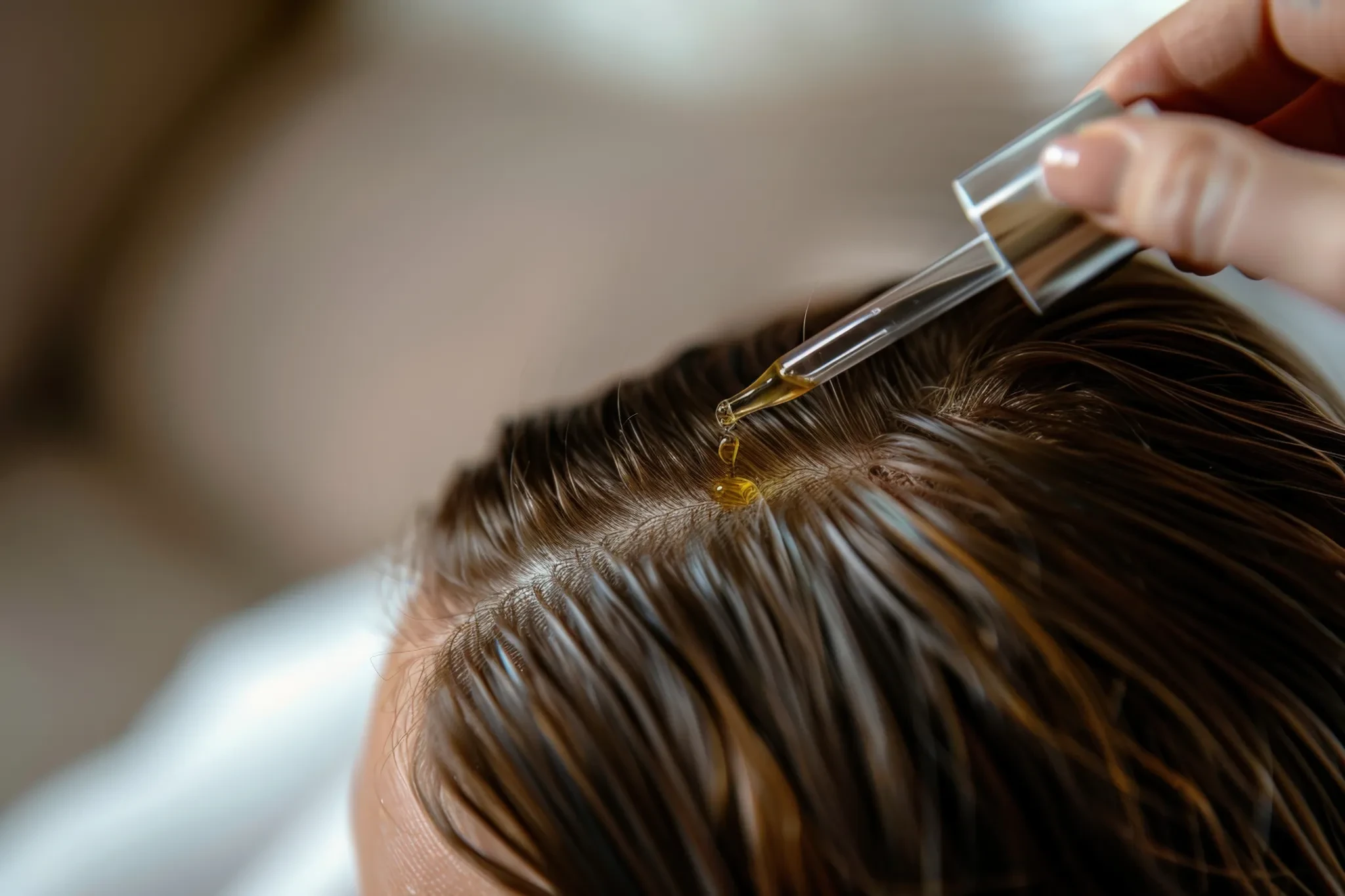
Antifungal shampoos are usually the first-line treatment for mild to moderate scalp fungal infections. These shampoos contain active ingredients such as ketoconazole, ciclopirox, or selenium sulfide, which help reduce fungal growth, calm inflammation, and control flaking. Consistent use can help relieve itching, reduce visible scaling, and prevent further hair shedding while other treatments work to restore your scalp health.
How to Use Antifungal Shampoo for Fungal Infections
- Apply to the scalp: Gently massage the shampoo directly onto the affected areas of the scalp using the amount recommended by your provider.
- Allow to penetrate: Leave the shampoo on for a few minutes to allow active ingredients to reach the hair follicles and fight growth.
- Rinse thoroughly: Rinse your hair and scalp completely to remove the shampoo and any loosened flakes.
- Repeat as needed: Use as directed to reduce fungal growth, calm irritation, and support hair regrowth.
When Oral Antifungal Medications Are Needed
Oral antifungal medications are typically recommended in particular circumstances of fungal infection on scalp hair loss. This will be the next solution when topical treatments alone are not effective, or when the infection is more severe, widespread, or deeply rooted in the hair follicles. With conditions like tinea capitis, fungi could infect the hair shaft and sometimes not be fully reached by shampoos or creams.
These medications work from within your body, targeting the infection at its source to stop fungal growth and allow the scalp to heal. Treatment is usually prescribed for several weeks, depending on the severity and type of fungus involved.
Note: As oral antifungals are prescription-based, they should always be taken under medical supervision for correct dosage, side effects monitoring, and to confirm that the infection fully clears.
Hygiene, Cleaning, and Household Prevention
Preventing the spread or recurrence of scalp fungal infections involves maintaining good hygiene and cleaning practices both for yourself and your surroundings. Fungi can survive on shared items and surfaces, so taking preventive steps is essential.
Key measures include:
- Regular Hair Washing: Use antifungal or gentle shampoos as recommended by your healthcare provider.
- Avoid Sharing Personal Items: Such as combs, hats, pillows, or hairbrushes.
- Clean and Disinfect Frequently Touched Surfaces: These include areas like hair tools, towels, and pillowcases.
- Keep the Scalp Dry and Well-Ventilated: This is because fungi thrive in warm, moist environments.
- Treat Pets if Necessary: Some fungal infections can be transmitted from animals to humans.
Consistently following these steps can reduce the risk of reinfection, any further chances of fungal infection on scalp hair loss, and support healthier scalp and hair growth.
Will Hair Grow Back After a Scalp Fungal Infection?
In most cases, hair that is lost due to a scalp fungal infection can grow back once the infection is properly treated. Early diagnosis and consistent use of antifungal therapies help reduce inflammation and protect hair follicles, which is essential for regrowth.
The rate and thickness of regrown hair may vary depending on factors, such as:
- The severity and duration of the infection
- Your overall scalp health
- Adherence to scalp and fungal treatments
With proper treatment and supportive hair care, your scalp can recover, and hair density often improves over time.
When a Scalp Fungal Infection Becomes Serious
While many scalp fungal infections can be managed with timely treatment, certain signs indicate a more severe or persistent condition. This is when urgent medical attention is required to avoid further worsening. There are rare cases where follicles have been severely damaged, or scarring has happened due to fungal infection on scalp hair loss, leading to permanent hair disappearance.
These warning signs include:
- Rapid or Widespread Hair Loss: This will occur in patches or affect large areas of your scalp.
- Intense Redness, Swelling, or Pain: This suggests significant inflammation or secondary bacterial infection.
- Pus-filled Bumps or Crusted Lesions: Especially when they do not improve with standard antifungal treatments.
- Fever or General Malaise, with Scalp Symptoms: Paired together, they may point to the infection spreading beyond the scalp.
If any of these symptoms are present, it is important to seek prompt evaluation by a healthcare professional. Early intervention can prevent permanent fungal infection on scalp hair loss, limit the spread of infection, and guarantee the most appropriate treatment is used.
Hair Transplant Options for Permanent Hair Loss
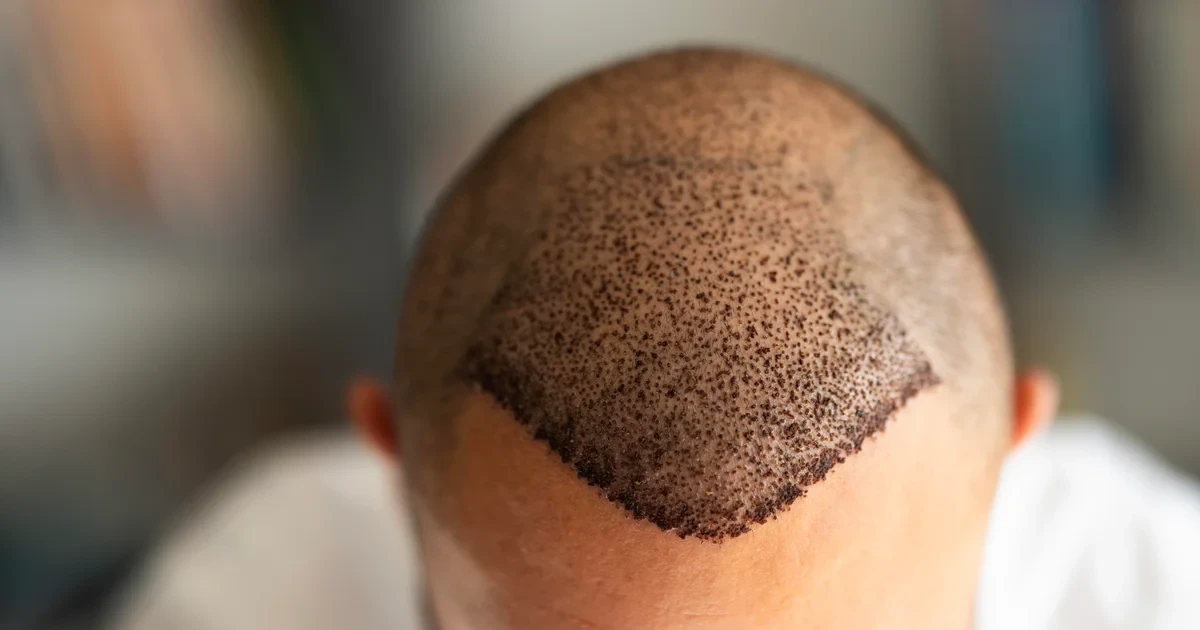
If you experience hair loss following the infection, it may be because follicles are severely damaged or scarring occurs. When this happens, hair transplant procedures can help restore hair density and improve the appearance of the scalp.
Two of the most advanced techniques available are:
- Follicular Unit Extraction (FUE): An FUE Hair Transplant involves harvesting individual hair follicles from a donor area and implanting them into thinning or bald regions, with minimal scarring and is ideal for precise hair restoration.
- Direct Hair Implantation (DHI): A DHI Hair Transplant allows follicles to be implanted directly into the scalp using a specialised tool, offering higher control over angle and density for natural-looking results.
It's important to follow proper after hair transplant post-procedure care to see optimal results.
Top Hair Transplant Locations
When considering a hair transplant, choosing the right location and clinic is just as important as selecting the right procedure. One of the more popular hubs for hair restoration procedures is Turkey, and specifically, hair transplant in Istanbul. This city has become a leading destination for hair transplant procedures, combining experienced surgeons, state-of-the-art clinics, and comprehensive patient care for natural-looking results, as well as a safe and comfortable treatment experience.
| Condition | Key Signs & Symptoms | Typical Treatments |
|---|---|---|
| Tinea Capitis | Patchy hair loss, round bald spots, scaling, redness, broken hairs, itching | Oral antifungals, antifungal shampoos, scalp hygiene |
| Yeast-Related Dandruff / Seborrheic Dermatitis | Flaking, itching, redness, oily or yellowish scales | Antifungal shampoos, topical anti-inflammatories, scalp care routines |
| Fungal Folliculitis | Small pustules or bumps around hair follicles, redness, tenderness, localised hair shedding | Oral or topical antifungals, proper hygiene, anti-inflammatory care |
| Permanent Hair Loss Post-Infection | Areas of scalp with no hair regrowth, scarring, thinning despite treatment | Hair transplant procedures: FUE Hair Transplant, DHI Hair Transplant |
Frequently Asked Questions
Can fungus on scalp cause permanent hair loss?
In most cases, hair loss from a scalp fungal infection is temporary and will regrow once the infection is treated. However, if the infection is severe, prolonged, or left untreated, chronic inflammation can damage hair follicles and lead to permanent hair loss or scarring. Prompt diagnosis and consistent antifungal treatment are key to protecting follicles and supporting hair regrowth.
How long does tinea capitis last?
Tinea capitis, or scalp ringworm, usually resolves within 4 to 8 weeks, though visible improvement may be noticed within the first couple of weeks. As fungus can penetrate deep into hair follicles, a full course of oral antifungal medication may be necessary to completely eradicate the infection. Following the prescribed treatment plan and maintaining good scalp hygiene are essential to prevent recurrence and support hair regrowth.
What shampoo helps scalp fungus?
Scalp fungus is best helped by recommended antifungal shampoos containing ingredients like ketoconazole, ciclopirox, or selenium sulfide. These shampoos work to reduce Malassezia yeast overgrowth, relieve itching and flaking, and restore scalp health. For best results, they are typically applied several times per week, left on the scalp for a few minutes, and then rinsed thoroughly, following your healthcare provider's guidance.
When should I see a doctor for scalp infection?
You should consult a doctor if you notice persistent redness, swelling, pus-filled bumps, patchy hair loss, or intense itching that does not improve with over-the-counter remedies. Seek medical attention promptly if symptoms spread, worsen, or last more than a week, or if you have a weakened immune system.