Ludwig Scale Explained: Female Hair Loss Stages and Treatment Options

Hair loss isn't just a male concern; many women experience thinning that can affect confidence and overall hair health. Studies show that up to 40% of women experience some degree of hair thinning or hair loss by the age of 50. Understanding the patterns and stages of female hair loss is the first step toward effective management and restoration.
To better understand female hair loss, you can explore the Ludwig Scale, a widely used system that classifies stages of thinning and highlights the treatment options available at each stage.
What is the Ludwig Scale?
The Ludwig Scale is a standardized system used to classify female pattern hair loss. It focuses primarily on identifying signs of thinning across the crown, which is often without frontal hairline degradation. This system divides hair loss into stages that reflect the severity and progression of thinning, helping both patients and clinicians understand where someone falls on the spectrum.
Fun Fact: This scale was developed in the early 1970s by Dr Erich Ludwig, a dermatologist, to specifically classify female pattern hair loss at a time when most research in the field focused primarily on men.
Ludwig Scale Hair Loss Stages Explained
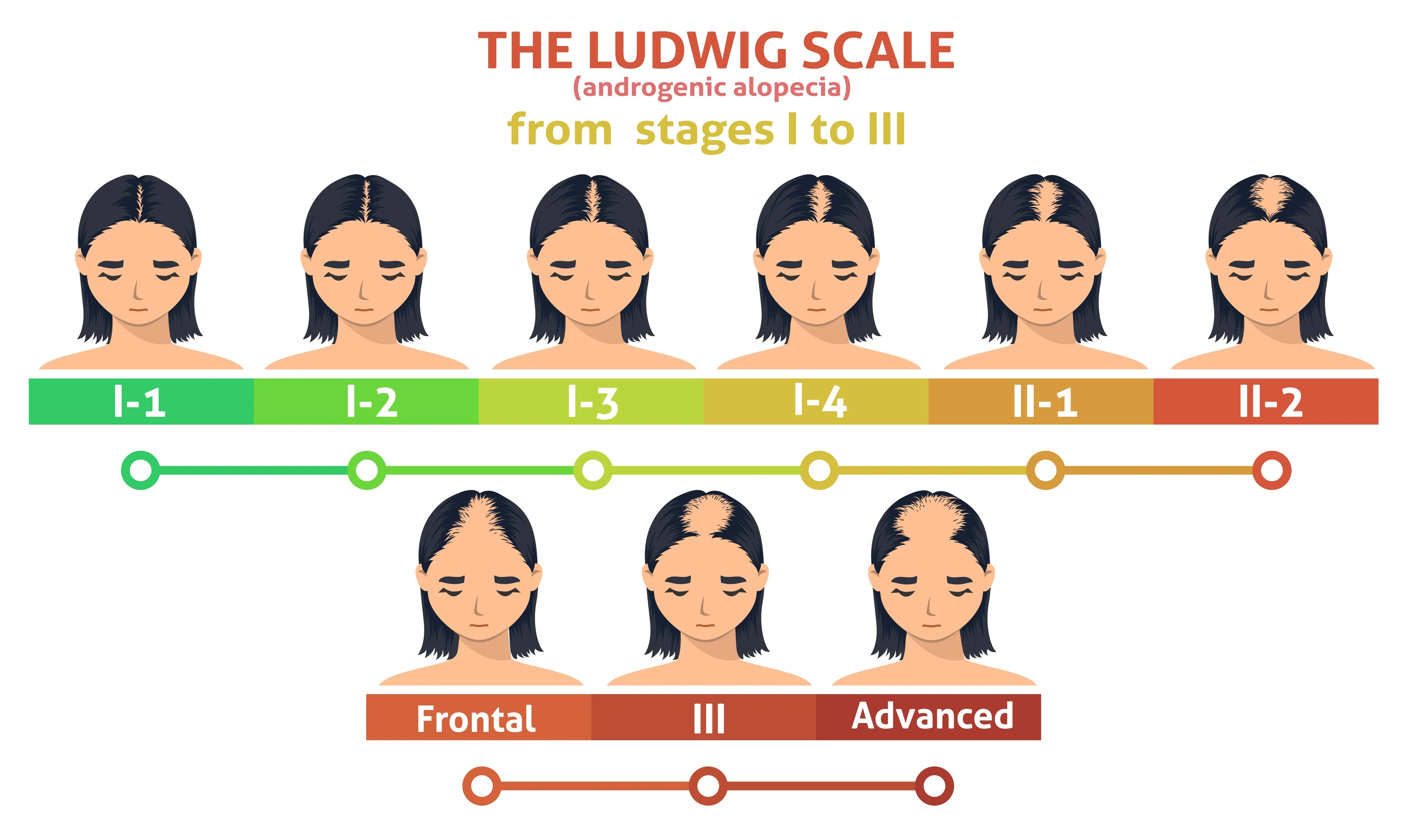
The Ludwig Scale hair loss organizes female pattern hair loss into three main stages, ranging from mild thinning to severe crown hair loss. Each stage highlights how hair density decreases across the top of the scalp, all the while still presenting a frontal hairline. These stages ultimately provide a framework for recognizing early signs, monitoring progression, and exploring appropriate treatment options.
Stage I: Early Hair Thinning
This stage marks the earliest signs of female pattern hair loss, with subtle thinning primarily at the crown. The hair may appear slightly less dense, and the central part line may widen, but overall coverage is largely maintained. Detecting hair loss at this stage allows for early intervention, which can help slow progression and preserve existing hair.
Stage II: Noticeable Widening of the Part
This stage features more obvious thinning along the central part line, making the scalp slightly more visible. Hair density across the crown begins to decrease noticeably, while the frontal hairline usually remains intact. At this stage, targeted treatments and lifestyle adjustments can help maintain existing hair and reduce further shedding.
Stage III: Advanced Female Pattern Hair Loss
This stage represents the most severe form of female pattern hair loss, with extensive thinning across the crown and top of the scalp. Hair density is significantly reduced, and the scalp may be clearly visible, though the frontal hairline typically remains preserved. At this stage, a combination of medical treatments, lifestyle support, and potentially hair restoration procedures may be considered to improve coverage and manage further loss.
Ludwig Scale vs Other Causes of Female Hair Loss
While the Ludwig hair loss scale specifically classifies female pattern hair loss, focusing on crown thinning and a reduced hair density, not all hair loss in women follows this pattern. Other factors, such as hormonal changes, nutritional deficiencies, stress, or medical conditions, can also contribute to experiences of hair loss. To learn more about these other causes, explore what causes thinning hair in women.
How Female Pattern Hair Loss Is Diagnosed
Diagnosing female pattern hair loss involves a combination of clinical evaluation, medical history, and specialized tests to determine the underlying cause and severity. Specialists assess hair density, scalp health, and patterns of thinning, while also considering hormonal, nutritional, and genetic factors. Accurate diagnosis is essential for developing an effective treatment plan tailored to your hair loss stage and overall health.
Scalp Examination and Dermoscopy
To accurately assess female pattern hair loss, clinicians begin with a close examination of the scalp and hair follicles.
Clinicians will implement a combination of evaluation methods, such as:
- A Scalp Examination: This investigation allows specialists to assess hair density, distribution, and areas of visible thinning.
- A Dermoscopy: A non-invasive imaging technique, provides a magnified view of hair follicles and scalp health, helping identify miniaturized hairs or other signs of female pattern hair loss.
Together, these methods give clinicians a detailed understanding of hair loss patterns and guide appropriate treatment decisions.
Blood Tests and Common Labs
Blood tests and laboratory assessments help identify underlying factors that may contribute to female hair loss, such as hormonal imbalances, thyroid disorders, or nutrient deficiencies. Common lab tests include thyroid function tests, iron and ferritin levels, vitamin D, and hormonal panels. These results provide valuable insights that guide targeted treatment and help rule out non-pattern causes of thinning.
When a Scalp Biopsy is Recommended
In some cases, additional investigation is needed to confirm the exact cause of hair loss. A scalp biopsy (a minor in-office procedure where a tiny 3–4 mm sample of skin with hair follicles is removed) may be recommended when the pattern of thinning is unclear or when inflammatory or scarring conditions are suspected. The small sample of scalp tissue is examined under a microscope to evaluate hair follicles, helping specialists distinguish the type of hair loss and guide appropriate treatment.
Treatment Options for Ludwig Scale Hair Loss
Treatment for female pattern hair loss depends on the stage of thinning, underlying causes, and overall hair health. As this scale reflects progressive changes in hair density, treatment plans are designed to curb further loss, support regrowth, and improve overall scalp health. A combination of medical therapies, supportive treatments, and lifestyle adjustments may be recommended to achieve the best possible results.
Important: Women who are pregnant, trying to conceive, or breastfeeding should consult a medical professional before using topical hair loss treatments, as these medications are not always recommended during these periods.
A Note on Self-Care: Experiencing hair loss can be stressful and emotionally challenging. Remember to be kind to yourself. Hair thinning is common and treatable, and taking the time to understand your options is a positive first step toward feeling confident and supported.
Minoxidil
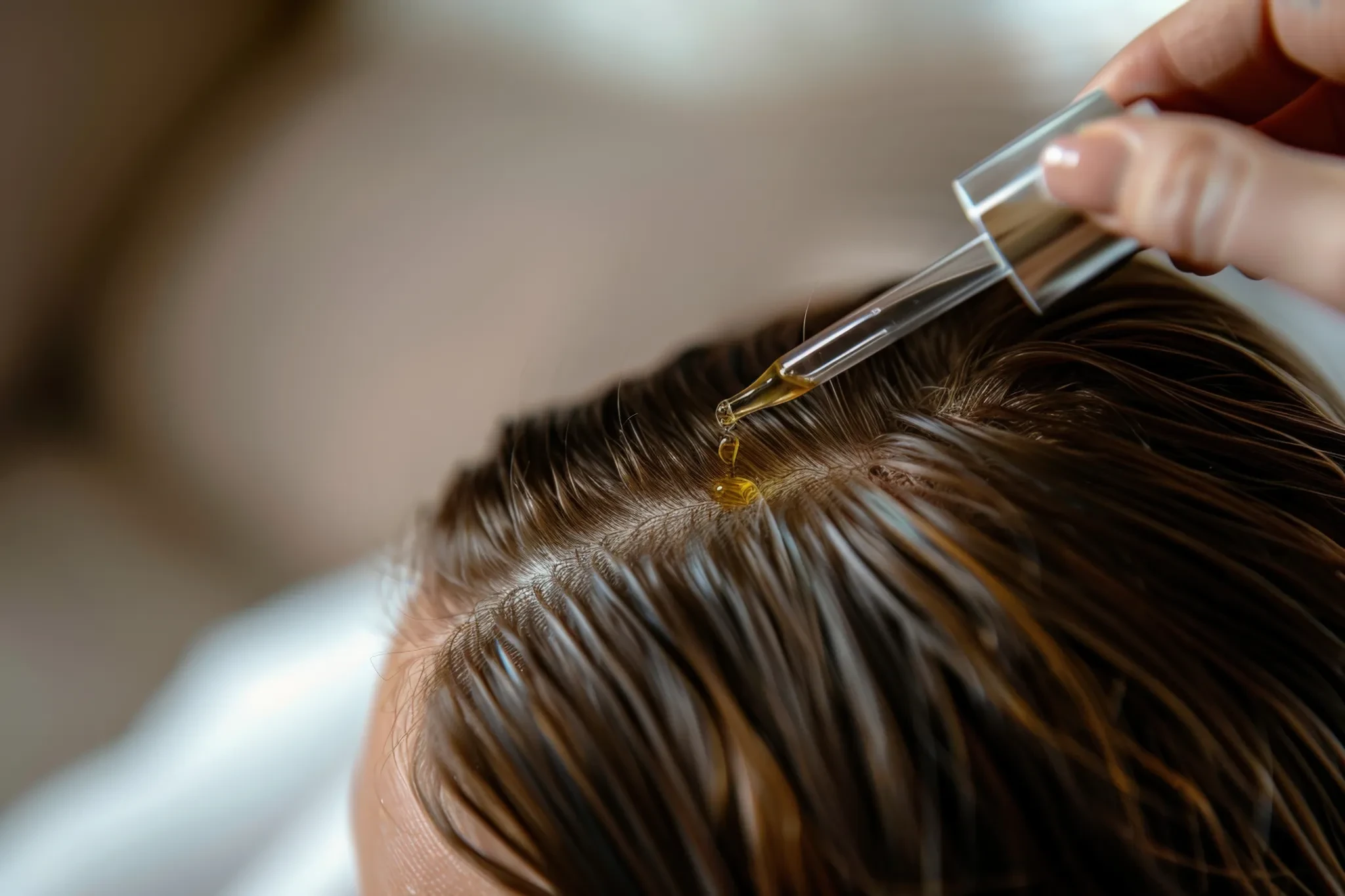
Minoxidil is a topical medication commonly used to treat female pattern hair loss and support hair regrowth. Specialists often recommend minoxidil for early to moderate stages of female hair loss, as consistent use may hamper progression and gradually improve hair density. It works by improving blood flow to hair follicles and prolonging the anagen (growth) phase of the hair cycle, which can help produce thicker, stronger strands over time.
Typically, it is applied directly to your scalp once or twice daily, depending on the formulation prescribed. It is available as a topical solution or foam, which is gently spread over the scalp in areas of hair thinning, where it is then absorbed and reaches the hair follicles.
Antiandrogen Treatments (With Medical Guidance)
Antiandrogen treatments may be recommended when female hair loss is linked to hormonal sensitivity, particularly to androgens such as dihydrotestosterone (DHT).
Important hair loss-related hormones to understand include:
- Androgens: A group of hormones that influence the development and maintenance of typically male characteristics, such as body hair growth, deeper voice, and muscle mass.
- Testosterone: The most well-known androgen, along with its more active derivative, dihydrotestosterone (DHT).
- Antiandrogens: Medications or substances that block the effects of androgens in the body.
These medications work by reducing the effect of these hormones on hair follicles, helping to slow follicle miniaturization (when hair follicles gradually shrink over time, producing thinner, shorter, and weaker strands of hair) and limit further thinning. As they influence hormonal pathways, antiandrogen therapies are prescribed and monitored by medical professionals to make sure they are used safely.
PRP Therapy and Low-Level Laser Treatment
Platelet-rich plasma (PRP) therapy and low-level laser therapy are supportive treatments that may help stimulate hair follicles and improve overall scalp health.
- Platelet-rich Plasma (PRP) Therapy: Involves using a patient's own blood plasma, which is rich in growth factors, and injecting it into areas of thinning to encourage follicle activity and support hair regrowth.
- Low-level Laser Therapy (LLLT): Uses targeted light energy to stimulate hair follicles and improve circulation in the scalp, which may help promote healthier hair growth over time.
These treatments are usable alongside medical therapies to enhance results and support hair density in individuals experiencing female pattern hair loss.
When Hair Transplant Surgery May Help
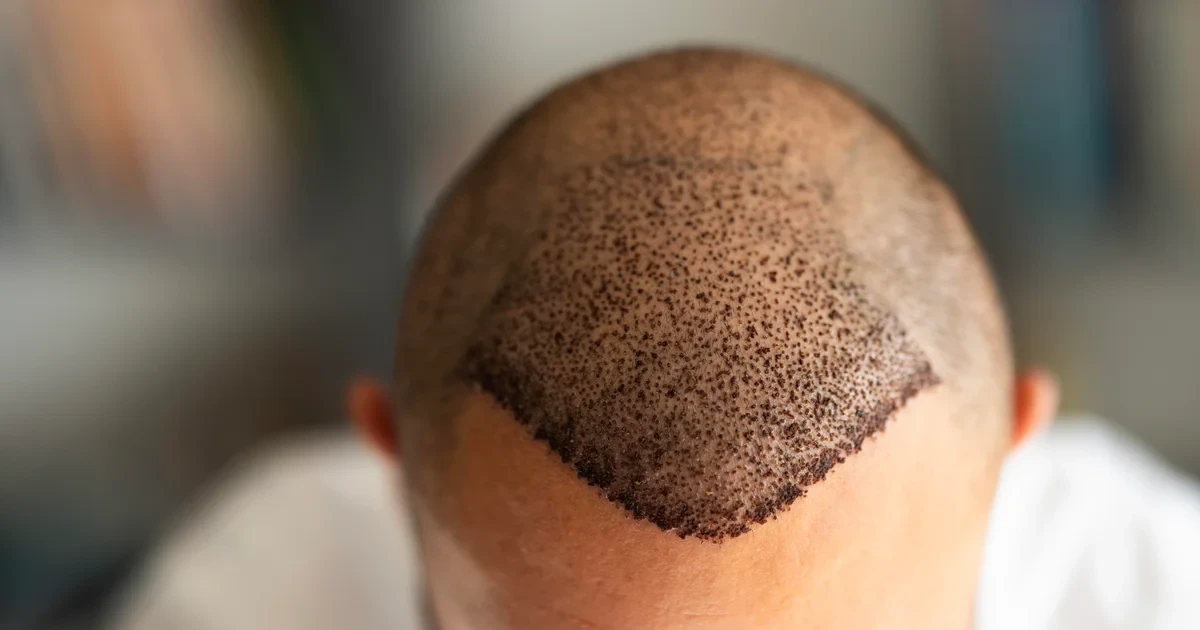
How does the hair transplant process work? While there are varying techniques, the overall process assists suitable candidates by relocating healthy hair follicles from a donor area of the scalp, typically the back or sides, to areas experiencing thinning. Due to transplanted follicles being resistant to the hormonal factors that cause pattern hair loss, they can continue to grow in their new location.
Note: A thorough consultation with a qualified specialist is essential to determine whether a hair transplant is appropriate, as factors such as donor hair availability, pattern of thinning, and overall scalp health play an important role in treatment planning.
Hair Transplant Techniques
Deciding which hair transplant method is better depends on individual goals, hair loss pattern, and donor hair availability. There are two main modern hair transplant preferred methods, while one technique also allows minimal disturbance to existing hair.
- Follicular Unit Extraction (FUE): Offers precise extraction with minimal scarring.
- Direct Hair Implantation (DHI): Allows for direct placement of follicles for higher density and reduced handling.
- No Shave Techniques: Also known as unshaven hair transplant techniques, surgeons extract and implant follicles while leaving surrounding hair intact, providing a discreet, minimally noticeable procedure and reducing downtime or visible signs of surgery, which is ideal if you prefer to maintain your existing hairstyle during and after the procedure.
A qualified specialist can evaluate your hair characteristics and recommend the method that best balances natural results, recovery time, and long-term durability.
| Hair Transplant Appointment Prep Checklist for Women | |
|---|---|
| Medical & Health Information | Prepare a complete medical history, including chronic conditions, medications, and supplements. Note any hormonal treatments (birth control, hormone therapy, thyroid medications). List any allergies or prior reactions to anesthesia or medications. |
| Hair Loss Documentation | Take clear photos of your hair from multiple angles (front, top, crown, and sides) to show progression. Note the onset and pattern of thinning, including any rapid shedding episodes. Include information about the family history of hair loss. |
| Lifestyle Considerations | Avoid smoking and limit alcohol in the days leading up to your appointment, as these can affect healing. Minimize chemical treatments (bleaching, coloring, perms) for at least 1–2 weeks prior. Eat a balanced meal and stay hydrated before the procedure. |
| Pre-Procedure Planning | Arrange for transportation, as you may not be able to drive immediately after the procedure. Discuss any expectations, goals, and preferred hairline style with your surgeon in advance. Prepare any questions about techniques (FUE, DHI, unshaven options, etc.) for informed consent. |
| Day of Appointment | Wash your hair thoroughly; do not apply heavy styling products. Wear comfortable clothing that allows easy access to your scalp if necessary. Bring a list of medications and supplements to show the surgical team. |
Why Turkey Is a Leading Destination for Women's Hair Transplants
Hair transplants were first recorded in Germany in 1822, with later techniques emerging in Japan in the 1930s and being refined in the United States during the 1950s. By the early 2000s, they were adopted by Turkey, which has since become a global hub for hair restoration. Now known for its specialized clinics and strong medical tourism infrastructure, Turkey is a popular destination for women seeking hair restoration, thanks to its service advantages such as highly experienced surgeons, advanced clinic facilities, and competitive pricing.
Women hair transplant in Turkey procedures are tailored to address diffuse thinning, frontal recession, and crown hair loss, with special consideration for the unique hair patterns and scalp characteristics in women. Clinics in Turkey often offer personalized treatment plans combining hair restoration techniques to achieve natural-looking results.
| Treatment | Best Suited For |
|---|---|
| Minoxidil | Women in early to moderate stages of thinning (Ludwig I–II) who want to stimulate hair growth and slow follicle miniaturization. Often recommended as a first-line treatment. |
| Antiandrogen Treatments (with medical guidance) | Women whose hair loss is linked to hormonal sensitivity or elevated androgens. I.e., hormonal imbalance or conditions like PCOS. |
| PRP Therapy (Platelet-Rich Plasma) | Individuals experiencing mild to moderate thinning who want to support follicle health and improve density. Used alongside topical treatments. |
| Low-Level Laser Therapy | Women with diffuse thinning who prefer a non-invasive, at-home supportive therapy to encourage hair growth and improve scalp circulation. |
| Hair Transplant Surgery | Women with advanced hair loss or areas where follicles are no longer producing hair. Recommended when medical and supportive treatments have not provided sufficient improvement. |
Styling Tips and Cosmetic Options for Thinning Hair
While medical treatments focus on addressing the underlying causes of hair loss, styling techniques and cosmetic solutions can help create the appearance of fuller hair. Strategic haircuts, volume-enhancing products, and gentle styling methods may improve coverage and reduce the visibility of thinning areas. Cosmetic options such as hair fibers, root-concealing powders, or lightweight hairpiece systems can also provide temporary density and confidence while longer-term treatments take effect.
Choosing styles and products for thinning hair can help support both appearance and scalp health pre-op and during the hair restoration period.
Note: Although post-transplant growth begins around 3–4 months, women may notice more gradual thickening over time, as hormonal factors and the blending of new growth with existing longer hair can make results appear slower and more subtle.
Prognosis: Can Ludwig Scale Hair Loss Be Stopped?
This type of hair loss can be slowed or stabilized with early and appropriate treatment. While female pattern hair loss is usually linked to genetic and hormonal factors, therapies such as topical treatments, hormonal medications, and supportive scalp treatments may help preserve hair density. While early diagnosis and consistent care play an important role in maintaining existing hair and limiting further thinning, hair transplants do offer restorative fullness for suitable candidates.
Frequently Asked Questions (FAQ)
What does Ludwig stage 2 mean?
Ludwig Stage 2 represents a moderate stage of female pattern hair loss in the 3-stage Ludwig Scale, where thinning at the crown becomes more visible and spreads across a larger area of the scalp. The frontal hairline usually remains intact, but hair density at the top is noticeably reduced. Recognizing this stage early is important, as intervention treatments can help slow progression and improve hair coverage.
Can female pattern hair loss be stopped?
Female pattern hair loss usually progresses over time and does not cease without intervention. However, with consistent treatments such as topical minoxidil, hormone-based therapies, or other medically guided approaches, further thinning can be slowed or stabilized. Early diagnosis and adherence to a tailored treatment plan are key to maintaining hair density and preventing significant progression.
Is hair transplant possible for women?
Yes, women can undergo hair transplant procedures to restore thinning areas, improve hair density, or adjust a high hairline. For the most effective results, ideal candidates have stable donor hair to address female pattern hair loss or scalp scarring. Techniques such as FUE or DHI allow surgeons to transplant follicles with minimal shaving or unshaven techniques, to preserve existing hairstyles during the process.