FUT vs FUE Hair Transplant: Differences, Scars, Cost & Which Is Best
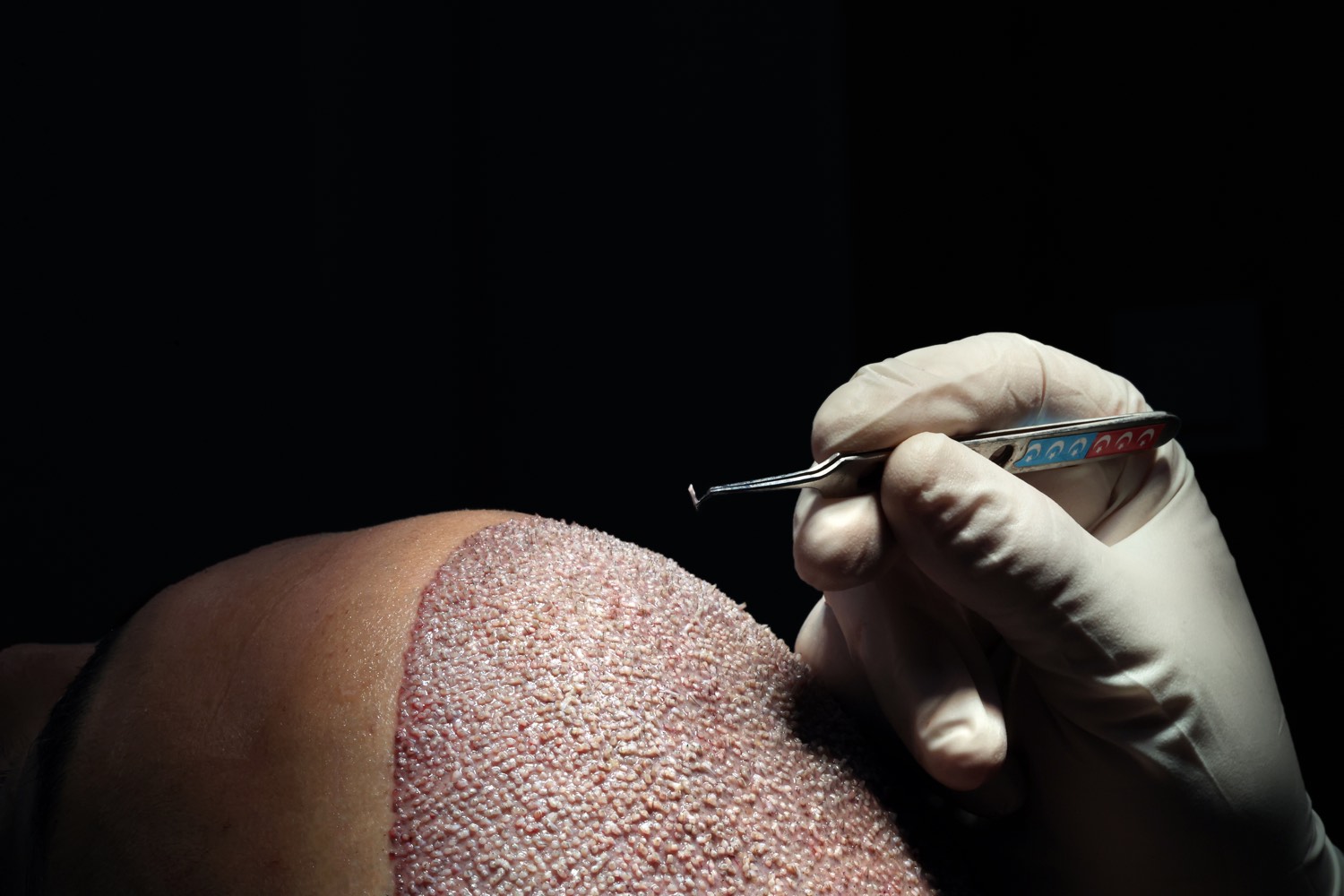
FUT (follicular unit transplantation) and FUE (follicular unit extraction) are the two main hair transplant techniques, and they differ mainly in how grafts are harvested from the donor area. FUT removes a thin strip of skin from the back of the scalp and leaves a single fine linear scar, while FUE extracts follicles one by one and leaves tiny dot-like marks. Both can deliver natural, permanent results — the right choice depends on your goals, hair, and lifestyle.
Choosing between them is one of the first real decisions you'll face on the road to restoration, and the marketing noise online rarely makes it easier. This guide breaks down each method honestly — how they work, how they heal, what they cost, and who each one suits — so you can walk into a consultation already knowing the right questions to ask.
What is a FUT hair transplant?
FUT, or follicular unit transplantation, is a hair transplant method in which a surgeon removes a thin strip of hair-bearing skin from the back of the scalp, then dissects it under magnification into individual follicular units. These grafts are implanted into the thinning or balding area. FUT is sometimes called the "strip method."
The procedure begins in the donor area at the back and sides of the head, where hair is genetically resistant to balding. After local anaesthesia, the surgeon excises a strip of tissue, typically a few millimetres wide and several centimetres long, sized to the number of grafts the plan requires. The wound edges are then carefully closed with sutures or staples, and in experienced hands a refined closure technique (often called trichophytic closure) encourages hair to grow back through the scar line so it becomes harder to see over time.
While the strip is being closed, a separate team works under microscopes to slice the tissue into hundreds or thousands of follicular units — the natural groupings of one to four hairs in which hair actually grows. Preserving these units intact and keeping them healthy outside the body is where much of FUT's quality lives. The grafts are then placed into tiny incisions in the recipient area, following the natural angle and direction of your existing hair.
Because the donor strip comes from the central, most stable part of the permanent zone, FUT is a long-established, reliable workhorse of hair restoration. Its main trade-off is the linear scar, which we cover in detail below.
What is a FUE hair transplant?
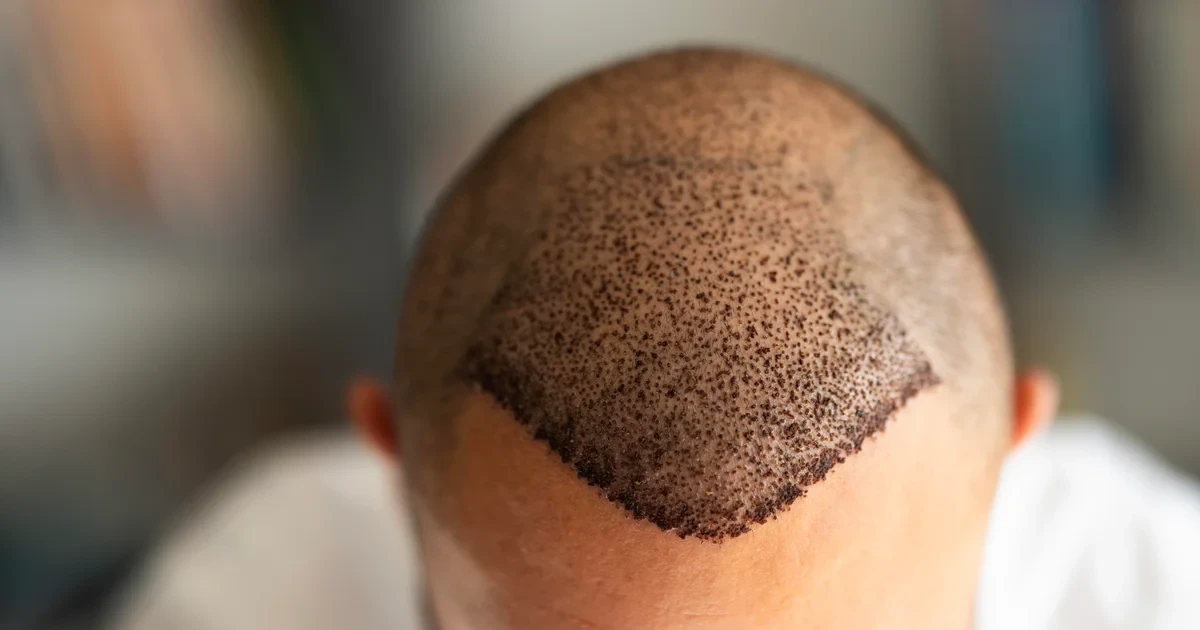
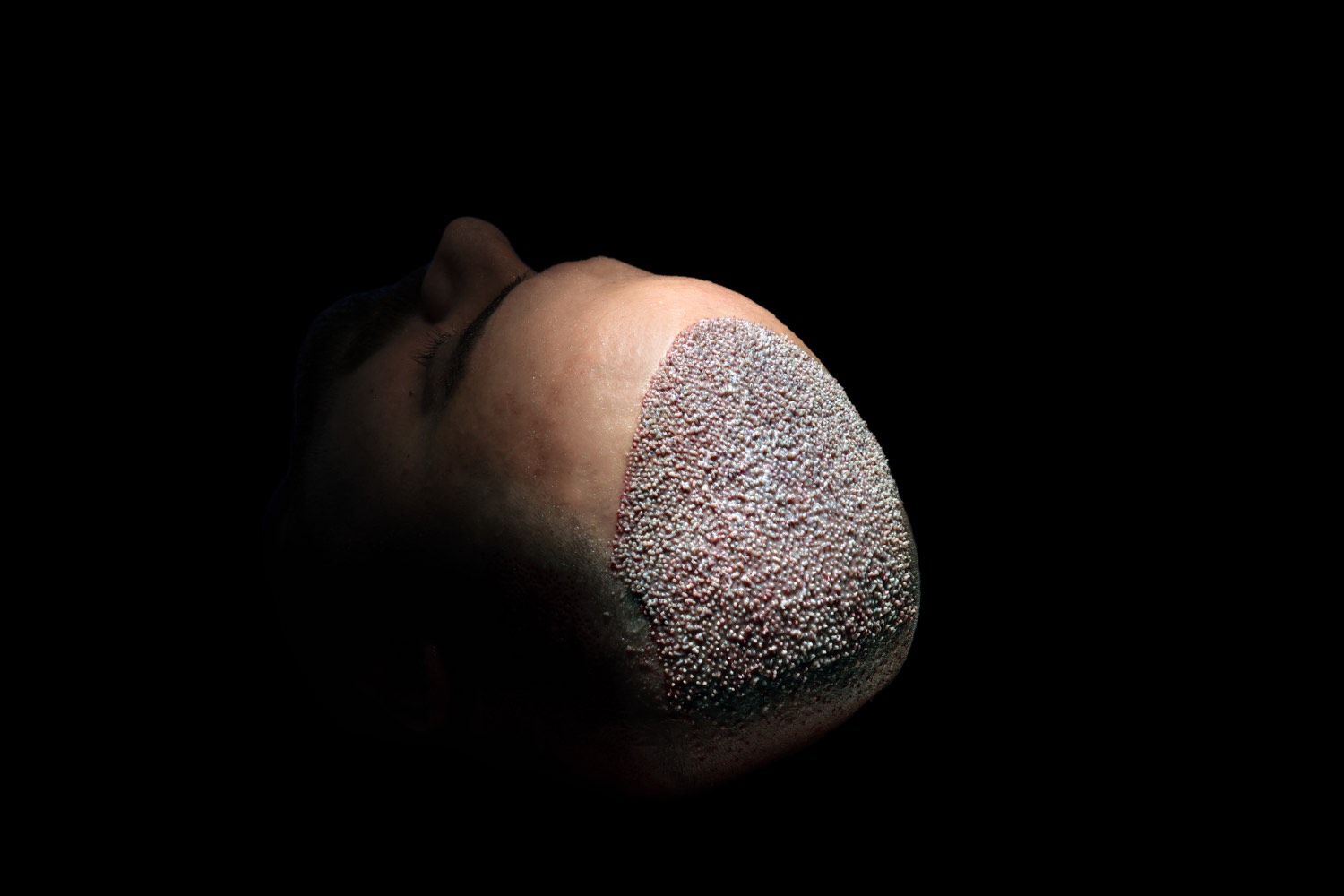
FUE, or follicular unit extraction, is a hair transplant method in which the surgeon removes follicular units one at a time directly from the scalp using a tiny circular punch, usually under 1 mm in diameter. No strip is taken and no linear suture line is created — instead the donor area heals with small, scattered dot scars.
With FUE, the donor region is typically trimmed short so the surgeon can see and access each follicle. A motorised or manual punch scores around each unit, which is then gently lifted out. Thousands of these micro-extractions are performed across a broad donor zone, and the tiny openings heal on their own within days, leaving marks that are usually difficult to detect even at fairly short hair lengths.
Several popular techniques are variations of FUE rather than separate procedures. Sapphire FUE uses blades made from sapphire to open the recipient sites, which can allow dense, precise placement. DHI (Direct Hair Implantation) uses a pen-like Choi implanter to create the site and place the graft in one motion, giving fine control over angle and density. You can read more about these on our pages for FUE hair transplant in Turkey and DHI hair transplant in Turkey. Whatever the label, all of these share the defining FUE principle: follicles are harvested individually rather than in a strip.
FUE has become the most widely requested approach worldwide, largely because it avoids a linear scar and allows patients to wear their hair very short. It is more time-intensive per graft, which is part of why technique and surgical experience matter so much to the result.
What is the core difference between FUT and FUE?
The core difference is harvesting. FUT removes a single strip of skin and divides it into grafts, leaving one linear scar. FUE removes follicles individually with a punch, leaving many tiny dot scars. Everything else — graft preparation, recipient-site creation, and implantation — is broadly similar between the two.
It helps to think of the donor area as a finite, lifelong resource. Both methods draw from the same stable permanent zone; they simply access it differently. That single distinction in harvesting then ripples outward, shaping the type of scar you'll have, how quickly you recover, how short you can later wear your hair, and how the donor area can be managed across future sessions.
The table below summarises how the two methods compare across the attributes patients ask about most.
| Attribute | FUT (strip method) | FUE (individual extraction) |
|---|---|---|
| Harvesting | One strip of skin, dissected into grafts | Follicles removed one by one with a punch |
| Scar type | Single fine linear scar | Many tiny, scattered dot scars |
| Donor area shaving | Only the strip area needs trimming | Donor area usually trimmed short |
| Stitches | Yes — sutures or staples to close | No stitches; openings heal on their own |
| Typical recovery feel | Slightly longer; tightness at suture line | Generally faster, more comfortable |
| Wearing hair very short | Linear scar may show with buzz cuts | Easier to wear short hair |
| Very large sessions | Can be efficient for high graft counts | Excellent, often staged over sessions |
How do the scars compare?
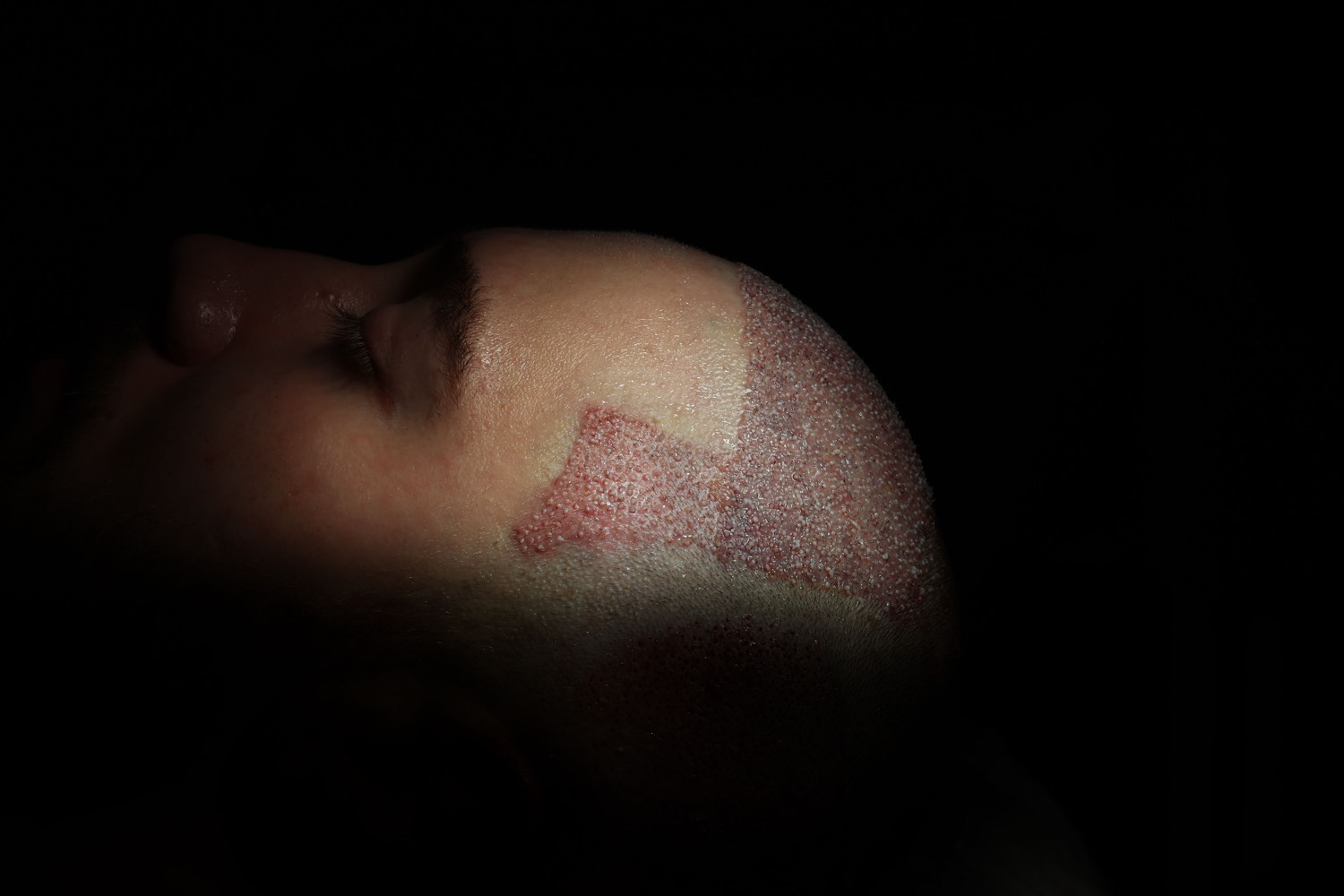
FUT leaves a single horizontal linear scar across the back of the scalp, which is concealed by surrounding hair but can become visible if the hair is shaved very short. FUE leaves hundreds of tiny circular scars spread across the donor area, which are far less noticeable and usually allow short haircuts without an obvious mark.
With FUT, the visibility of that one line depends heavily on closure technique, how your skin heals, and how you wear your hair. A well-executed, tension-free closure can produce a thin, faint scar that stays hidden under even fairly short hair. The trade-off is straightforward: as long as you keep enough length on top of the back and sides, a FUT scar is generally a non-issue, but a very close buzz cut can reveal it.
FUE distributes the "scarring budget" differently. Instead of one line, you get many sub-millimetre dots scattered over a wider area, so no single mark draws the eye. This is why FUE is the usual recommendation for anyone who likes to wear their hair short or anticipates doing so in the future. It's worth noting that no surgical procedure is truly scar-free — FUE scars are simply small and diffuse rather than absent. If too many grafts are over-harvested from one region, the donor area can look thinned, which is a question of surgical judgement rather than the technique itself.
How do recovery and healing compare?
FUE typically offers a slightly faster, more comfortable recovery because there are no stitches and the tiny donor openings close within a few days. FUT recovery is very manageable too, but the sutured strip means a little more tightness at first and a stitch-removal visit, usually around ten days to two weeks after surgery.
For both methods, the recipient area follows a similar healing path: small crusts form around the newly placed grafts and typically flake away within roughly one to two weeks, after which the area looks much more normal. Many people return to desk-based work within a few days, taking care to protect the grafts and follow aftercare instructions on sleeping position, washing, and sun exposure.
A point that surprises many patients is the "shedding" phase. In both FUT and FUE, the transplanted hairs commonly fall out within the first few weeks — this is expected and temporary. The follicles remain healthy beneath the skin and begin producing new hairs over the following months, with meaningful growth usually visible by several months and continued refinement toward the one-year mark and beyond.
The timeline below gives a general sense of what to expect; individual healing varies, and your clinic's specific guidance always takes priority.
| Stage | FUT | FUE |
|---|---|---|
| First few days | Tightness near suture line; rest advised | Minimal discomfort; dots begin closing |
| Around 10–14 days | Stitch/staple removal; crusts flaking | No stitches; crusts flaking |
| Weeks 2–4 | Transplanted hairs shed (normal) | Transplanted hairs shed (normal) |
| Months 3–6 | New growth becomes visible | New growth becomes visible |
| Around 12 months | Results mature and thicken | Results mature and thicken |
Which technique gives a higher graft yield?
Both FUT and FUE can produce excellent, dense results, and neither is automatically "better" for yield. FUT can be efficient when a very large number of grafts is needed in a single session, while FUE is highly flexible and is often staged across more than one session for big cases. The total grafts achievable depends mostly on your donor supply and the surgeon's plan.
The relevant question is rarely "which method gives more hair?" but "how many grafts does my goal actually require, and how should they be sourced?" Extensive baldness needs more grafts than a modest hairline refinement, and your individual donor density sets the ceiling. To understand how surgeons estimate this, see our guide on how many grafts you need for a hair transplant.
Historically, FUT was favoured when maximising graft numbers from a limited donor in one sitting, because a strip can yield a large quantity of intact follicular units. Modern FUE, performed skilfully and sometimes over staged sessions, also covers large areas very effectively. In practice, an honest clinic will look at your goals and donor reserves and recommend the approach — or sometimes a combination — that protects your long-term result rather than simply maximising one session.
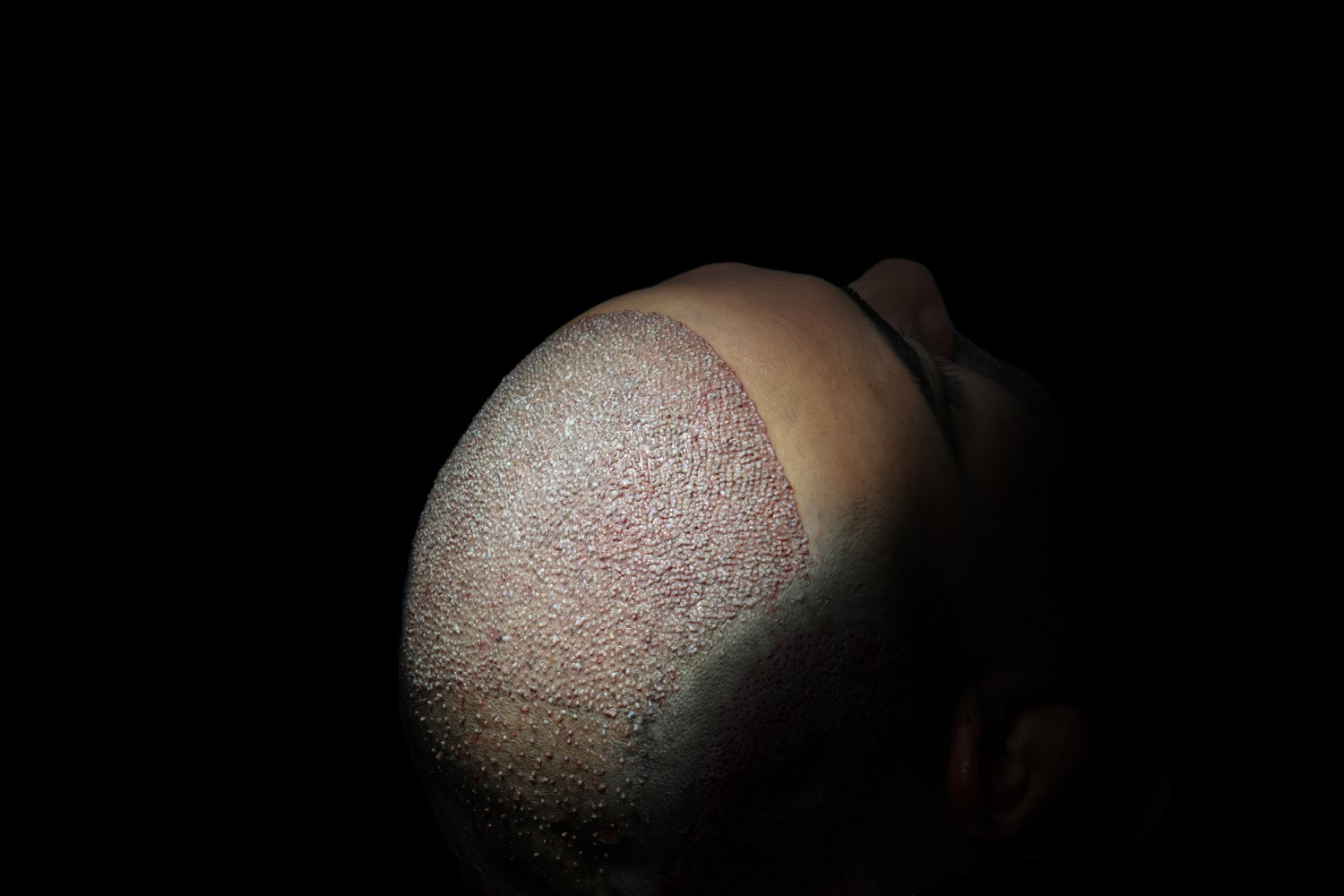
How do they affect donor area preservation and future sessions?
Donor preservation matters because your permanent hair is limited and may need to last for several procedures over a lifetime. FUT concentrates harvesting into one region but keeps the rest of the donor untouched, while FUE draws thinly from a wider area. Thoughtful planning with either method protects your ability to have future sessions.
With FUT, because grafts come from a single strip, the surrounding donor density is left largely intact, and subsequent strips can sometimes be taken along the same line. With FUE, follicles are sampled across a broad zone, which preserves the option to wear hair short but requires care not to over-thin any one area. Both philosophies are valid; what matters is that the surgeon harvests conservatively and thinks several years ahead.
This long-term view is one of the most underrated parts of planning a transplant. Hair loss can be progressive, so a patient in their twenties or thirties may eventually want more coverage than a single procedure provides. A clinic that treats the donor area as a precious, finite reserve — rather than spending it freely in one go — is one that's protecting your future options.
Is one more painful, and how is anaesthesia handled?
Both procedures are performed under local anaesthesia, so the scalp is numb during surgery and patients generally feel little to no pain while grafts are harvested and placed. The main sensation is the initial numbing injections; after that, most people are comfortable enough to relax, talk, or listen to music throughout the day.
Afterward, mild soreness, tightness, or tenderness is normal with either method and is usually well controlled with simple pain relief. FUT can feel slightly tighter around the sutured area for the first days because of the closure, whereas FUE's tiny openings tend to be less tender. Any swelling, which can occasionally appear around the forehead, typically settles within a few days.
It's reasonable to discuss comfort openly during your consultation. A good team explains exactly what you'll feel at each stage, paces the anaesthesia carefully, and checks in with you throughout — because a calm, well-managed experience is part of good surgical care, not a luxury.
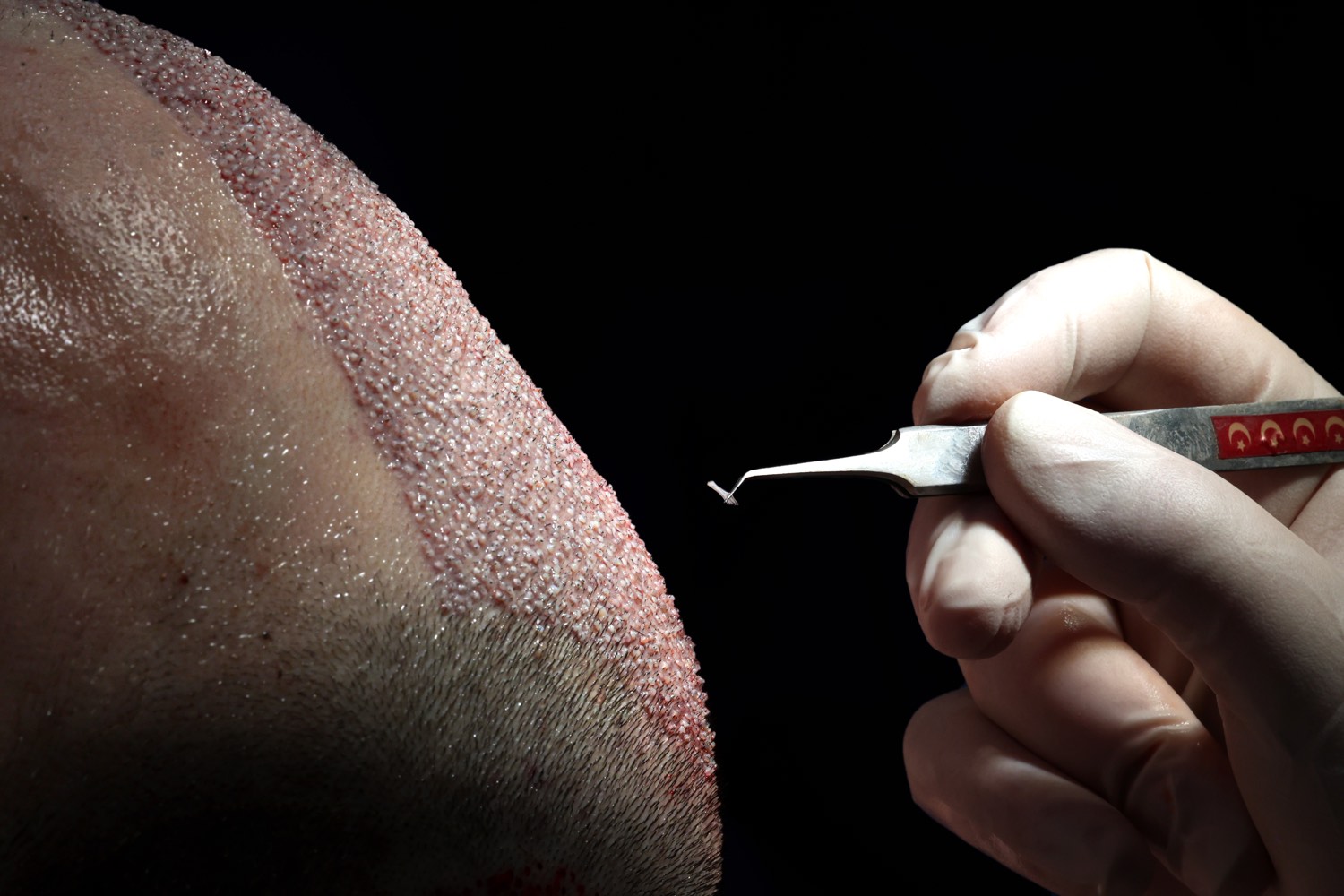
Who is each technique best for?
FUE suits people who want to wear their hair short, prefer to avoid a linear scar, and value a faster recovery. FUT can suit those needing a very high graft count in one session, who keep their hair longer, or whose scalp laxity and hair type make strip harvesting efficient. The ideal choice is individual and best confirmed in a consultation.
Several factors push the decision one way or the other. Your hairstyle is a big one: if you love a close buzz cut, FUE's diffuse scarring is usually the safer bet. Hair characteristics matter too — curl, calibre, and density all influence how grafts are best harvested and how natural the coverage will look. Scalp laxity (how loose or tight the skin is) affects how comfortably a strip can be removed and closed, which is relevant for FUT candidacy.
There's no universally "superior" technique — only the one that fits a particular person, goal, and donor situation. Some patients are even good candidates for either method, in which case lifestyle and personal preference become the deciding factors. The most reliable way to know is a proper assessment of your donor area, the extent of your hair loss, and what you want the result to look like. You can browse real outcomes on our hair transplant before and after gallery to set realistic expectations.
What drives the cost of FUT and FUE?
Hair transplant cost is shaped by the number of grafts needed, the technique and technology used, the clinic's experience, and the country where you have surgery. FUE is often more time- and labour-intensive per graft than FUT, which can influence price. The most accurate figure comes from a personalised quote after assessment.
Rather than a single sticker price, think in terms of value: the surgeon's and team's expertise, the quality of graft handling, the standard of care, and the durability of the result all sit behind the number. A cut-price procedure that compromises graft survival or over-harvests the donor can cost far more in the long run if a repair is needed. For a fuller breakdown of what influences pricing — including why Turkey has become a leading destination for affordable, high-quality treatment — see our guide to hair transplant cost in Turkey.
Because every scalp and goal is different, the only meaningful price is a personalised one. At Now Hair Time in Istanbul, the most reliable way to understand your options and costs is a free consultation, where the plan is built around your donor supply, the extent of your hair loss, and the result you're aiming for.
So, which is better — FUT or FUE?
Neither FUT nor FUE is universally better; the right choice depends on your hairstyle, the number of grafts you need, your scalp and hair type, and your tolerance for a linear scar versus diffuse dot scars. Both deliver permanent, natural-looking hair when performed by an experienced team. The "best" method is the one matched to you.
FUE has become the more popular choice worldwide thanks to its diffuse scarring, faster recovery, and the freedom to wear hair short — and for many patients it's an excellent fit. But FUT remains a proven, valuable technique, particularly when a large number of grafts is the priority and the donor needs to be used efficiently. Dismissing either method outright usually means missing the nuance that makes a result truly suit the person.
The wise approach is to focus less on the label and more on the surgeon, the plan, and the long-term protection of your donor area. A trustworthy clinic will tell you honestly which method — or which combination — serves your goals best, even if that isn't the trendiest option. That is the conversation worth having, and it's exactly what a consultation with Now Hair Time in Istanbul is designed to provide.
Real patient results
A selection of patients treated at Now Hair Time in Istanbul. Individual results vary from person to person.
Frequently Asked Questions
Is FUE better than FUT?
FUE is not automatically better than FUT — it simply suits different needs. FUE avoids a linear scar, allows short haircuts, and often heals faster, which is why it's so popular. FUT can be more efficient for very high graft counts. The better technique is the one matched to your hair, goals, and donor area, confirmed in a consultation.
Does FUT leave a visible scar?
FUT leaves one fine linear scar across the back of the scalp. With skilled, tension-free closure and hair kept at a moderate length, it's usually well hidden. It may become visible only if you shave your hair very short, which is why FUE is often preferred by people who like buzz cuts.
Which hair transplant method heals faster?
FUE generally heals a little faster because there are no stitches and the tiny donor openings close within a few days. FUT recovery is still very manageable but involves a sutured area that can feel tight at first and a stitch-removal visit, typically around ten days to two weeks after surgery.
Is a hair transplant painful?
Both FUT and FUE are done under local anaesthesia, so you feel little to no pain during the procedure itself. The main sensation is the initial numbing injections. Afterward, mild soreness or tightness is normal and is usually well controlled with simple over-the-counter pain relief.
Can FUT and FUE be combined?
Yes. In some cases a surgeon may recommend combining techniques — for example, using a strip alongside individual extraction — to maximise graft numbers while protecting the donor area. Whether this suits you depends on your hair loss, donor supply, and goals, which is something to discuss during a personalised assessment.
Are the results of FUT and FUE permanent?
Both methods transplant follicles from the genetically stable donor zone at the back and sides of the scalp, where hair resists balding. Once these grafts establish and grow, the results are considered permanent. Existing non-transplanted hair can still thin over time, so ongoing hair-loss management is sometimes advised.
How long until I see results after a hair transplant?
With both FUT and FUE, transplanted hairs typically shed within the first few weeks — this is normal. New growth usually becomes visible after several months, with results continuing to thicken and mature toward around the one-year mark. Patience through the early months is an important part of the process.
Which method gives more grafts?
Both can deliver large numbers of grafts. FUT can be efficient for very high counts in a single session, while FUE is highly flexible and is often staged across sessions for big cases. The total achievable depends mainly on your donor density and surgical plan rather than the technique alone.
Is Sapphire FUE or DHI different from regular FUE?
Sapphire FUE and DHI are variations of FUE, not separate categories. Sapphire FUE uses sapphire blades to open recipient sites, while DHI uses a Choi implanter pen to create the site and place the graft in one step. All share the core FUE principle of extracting follicles individually.
How do I know which technique is right for me?
The most reliable way is a proper assessment of your donor area, the extent of your hair loss, your hair type, and how you like to wear your hair. Because the right choice is highly individual, a free consultation with Now Hair Time in Istanbul is the best way to get a clear, honest recommendation.