Hair Cloning & Stem Cell Hair Treatments: The Future of Hair Restoration

Hair cloning and stem cell hair treatments are among the most exciting frontiers in hair restoration, but it is important to be clear: as of today, hair cloning is not an available, proven, or approved treatment. It remains in research and early clinical testing. The only methods reliably proven to restore lost hair right now are surgical hair transplantation (FUE and DHI) and certain medications. This guide separates the genuine science from the marketing hype.
If you are losing your hair, you have probably read headlines promising a "cure for baldness" through cloning, stem cells, or regenerative injections. The science behind these ideas is real and genuinely promising, but the gap between a laboratory result and a treatment you can book at a clinic is enormous. At Now Hair Time in Istanbul, we believe patients deserve an honest picture so they can make confident decisions today, while keeping an eye on what tomorrow may bring. Below, we explain what each technology actually is, what it can and cannot do, and how it compares to proven hair transplantation.
What is hair cloning (hair multiplication)?
Hair cloning, also called hair multiplication, is a research concept in which a small number of a person's own hair-producing cells are taken from the scalp, multiplied in a laboratory, and then implanted back into thinning areas to grow new follicles. The goal is to create an almost unlimited supply of hair from a tiny donor sample. It is not yet an available medical treatment.
The biology at the heart of this idea centres on specialised cells found at the base of each follicle, most notably the dermal papilla cells, which orchestrate hair growth. In theory, if these cells could be harvested, cultured to multiply many times over, and re-introduced into balding skin, they would induce the formation of brand-new follicles. This would solve the single biggest limitation of every hair restoration method available today: donor supply. A person with extensive baldness simply does not have enough existing hair to redistribute, but cloning would, in principle, sidestep that ceiling entirely.
The challenge is that hair follicles are extraordinarily complex mini-organs. When dermal papilla cells are grown in a standard laboratory dish, they tend to lose their "hair-inducing" identity and stop behaving the way they do in the body. Researchers around the world are working on three-dimensional culturing methods and other techniques to preserve that identity, and several groups have reported encouraging early results. But producing consistent, healthy, properly oriented, full-thickness hair that grows in a natural direction and density remains an unsolved problem.
It is worth stating plainly: no clinic anywhere in the world, including in Turkey, can legitimately offer true hair cloning today. Any business advertising "hair cloning" as a finished, bookable procedure is misrepresenting the current state of science.
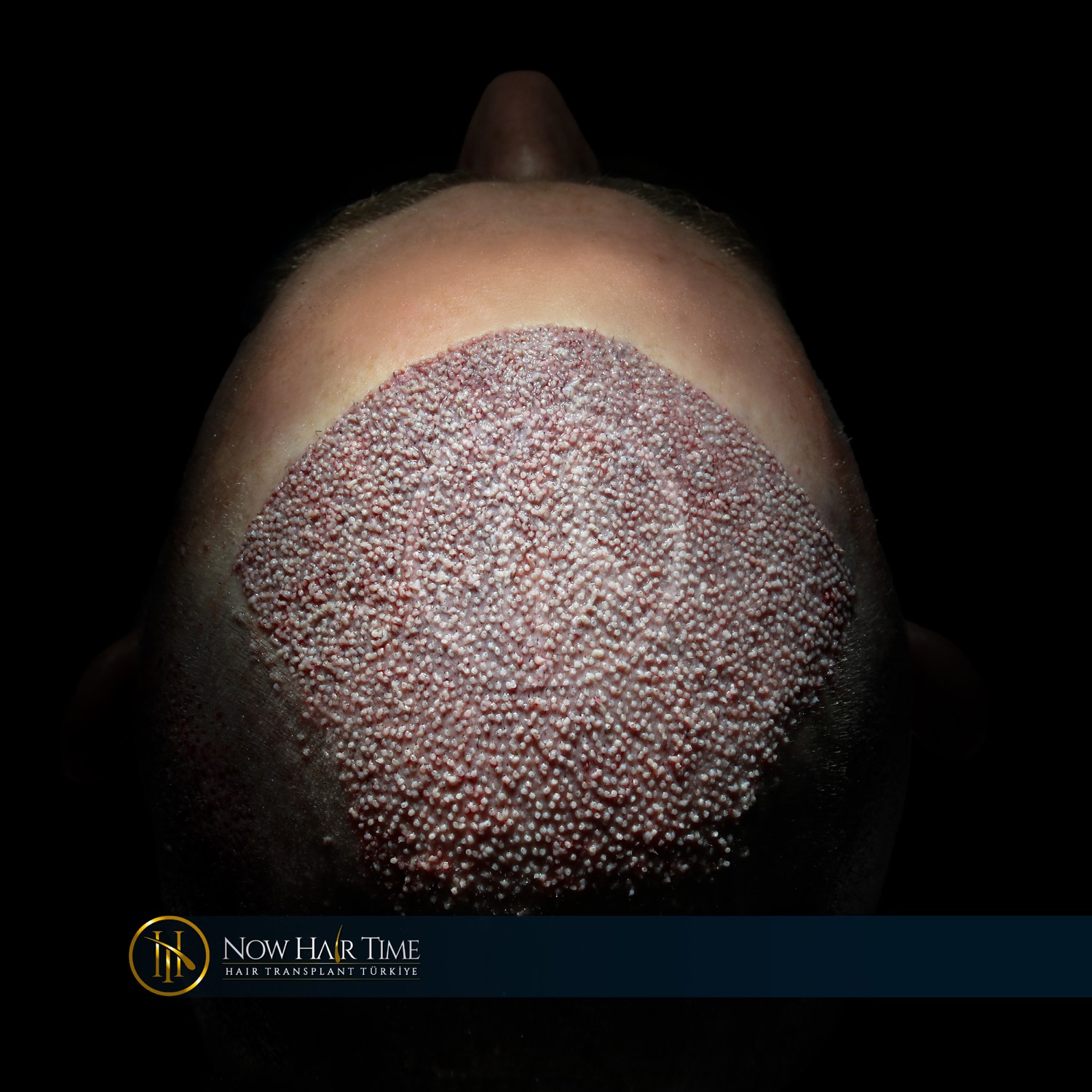
What are stem cell hair treatments, and how do they differ from a hair transplant?
"Stem cell hair treatments" is a broad, loosely used term for therapies that aim to stimulate existing follicles using cells or cell-derived products, rather than relocating hair. They are generally regenerative or supportive in nature. This is fundamentally different from a hair transplant, which physically moves your own permanent follicles from one area to another.
In genuine scientific use, "stem cell therapy" refers to treatments using living stem cells with regenerative potential. In clinics, however, the phrase is often applied to a wider range of add-on injectable treatments, some of which contain no true stem cells at all. This is where confusion and overpromising frequently arise. A patient may believe they are receiving a cutting-edge "stem cell transplant" when in reality they are receiving an adjunct injection whose long-term benefit for hair is not established.
The key conceptual distinction is this. A hair transplant is a mechanical, structural solution: it takes follicles that are genetically resistant to balding and surgically redistributes them, where they continue to grow for life. A stem cell or regenerative treatment, by contrast, is a biological, supportive approach: it attempts to improve the environment around existing follicles or coax weakened ones to perform better. The first relocates real hair you already own; the second tries to nurture what is still there. They are not interchangeable, and at present only the transplant delivers reliable, visible, lasting density.
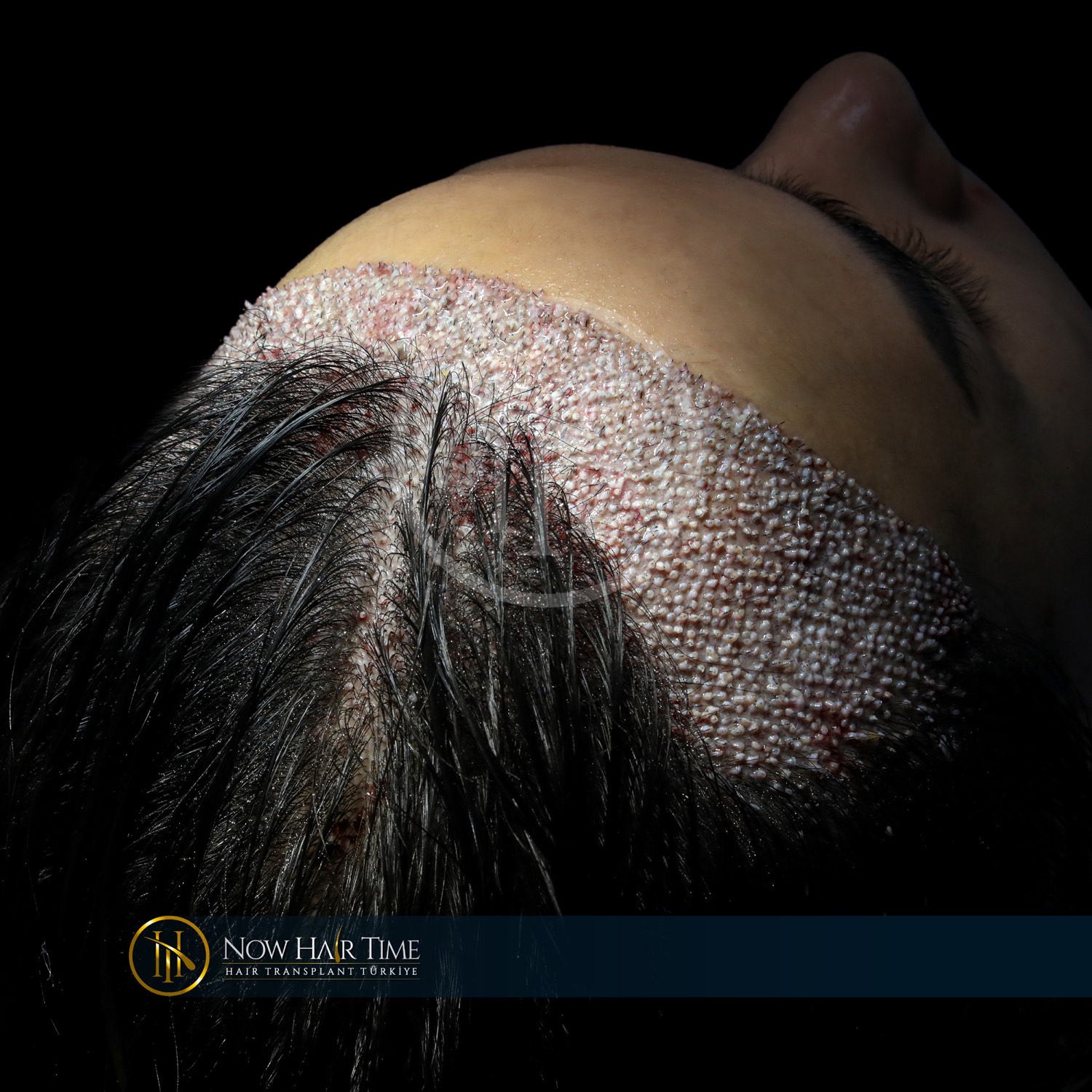
Is a "stem cell hair transplant" real and available now?
A true "stem cell hair transplant" that grows new, permanent follicles from cultured cells is not an established, approved, or widely available procedure. It is largely research-stage. Some clinics use the term loosely to describe conventional transplants combined with regenerative injections, but that is marketing language, not a distinct, proven surgery you can rely on.
This is one of the most important points in this entire article, because the phrase "stem cell hair transplant" appears on many clinic websites and can easily mislead. In most cases, what is actually being offered is a standard FUE hair transplant or DHI hair transplant with an additional injection of platelet-rich plasma, a cell suspension, or another regenerative product layered on top. The transplant itself is doing the real, proven work. The "stem cell" component is an adjunct whose contribution to the final result is, honestly, difficult to prove.
There are also experimental approaches studied in clinical settings that genuinely involve cells, but these are investigational. Patients should treat any offer of a "stem cell hair transplant" with healthy scepticism and ask direct questions: Is this an approved treatment? What exactly is being injected? What independent evidence supports the specific claim being made? If the answers are vague, the claim is probably more promotional than medical.
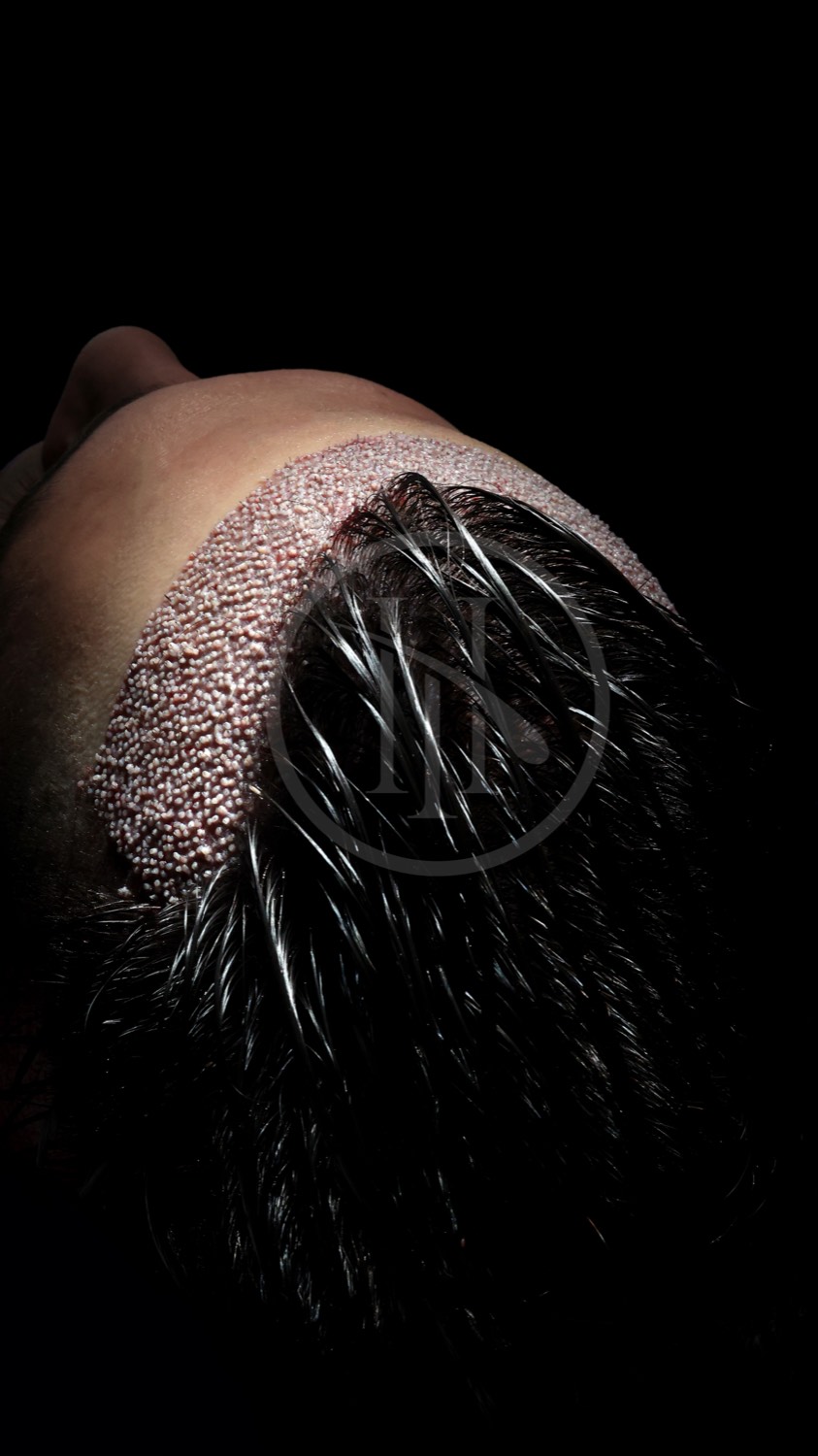
Is stem cell hair treatment or hair cloning permanent?
No. The permanence of stem cell hair treatments and hair cloning is not proven. Because these therapies are still experimental and lack long-term, large-scale published evidence, no one can honestly promise that any hair they might produce would last for life. Claims of "permanent" results from these methods are not supported by the current science.
Permanence in hair restoration has a precise meaning. In a conventional transplant, the relocated follicles are taken from the "safe donor zone" at the back and sides of the scalp, which is genetically programmed to resist the hormone (DHT) that causes pattern hair loss. Those follicles keep that resistance even after they are moved, which is why a well-performed transplant lasts a lifetime. For a regenerative or cloned treatment to be truly permanent, any new follicles it creates would need to share that same long-term resistance and stability, and that is exactly what has not been demonstrated.
This matters enormously for managing expectations. Even where regenerative injections appear to thicken hair or slow shedding in the short term, the effect may fade, and repeat sessions may be needed to maintain any benefit. Anyone presenting these treatments as a one-time, lifelong fix is going beyond what the evidence allows. Honest practice means describing them as potentially supportive, not curative or permanent.
PRP, exosomes and regenerative add-ons: what is reasonable to expect?
Regenerative add-ons such as PRP (platelet-rich plasma) and exosome-based products are best understood as supportive therapies that may help some people, not as cures or replacements for a transplant. The evidence is mixed and still developing. They are most reasonably positioned as adjuncts that aim to support existing hair, with modest and not guaranteed results.
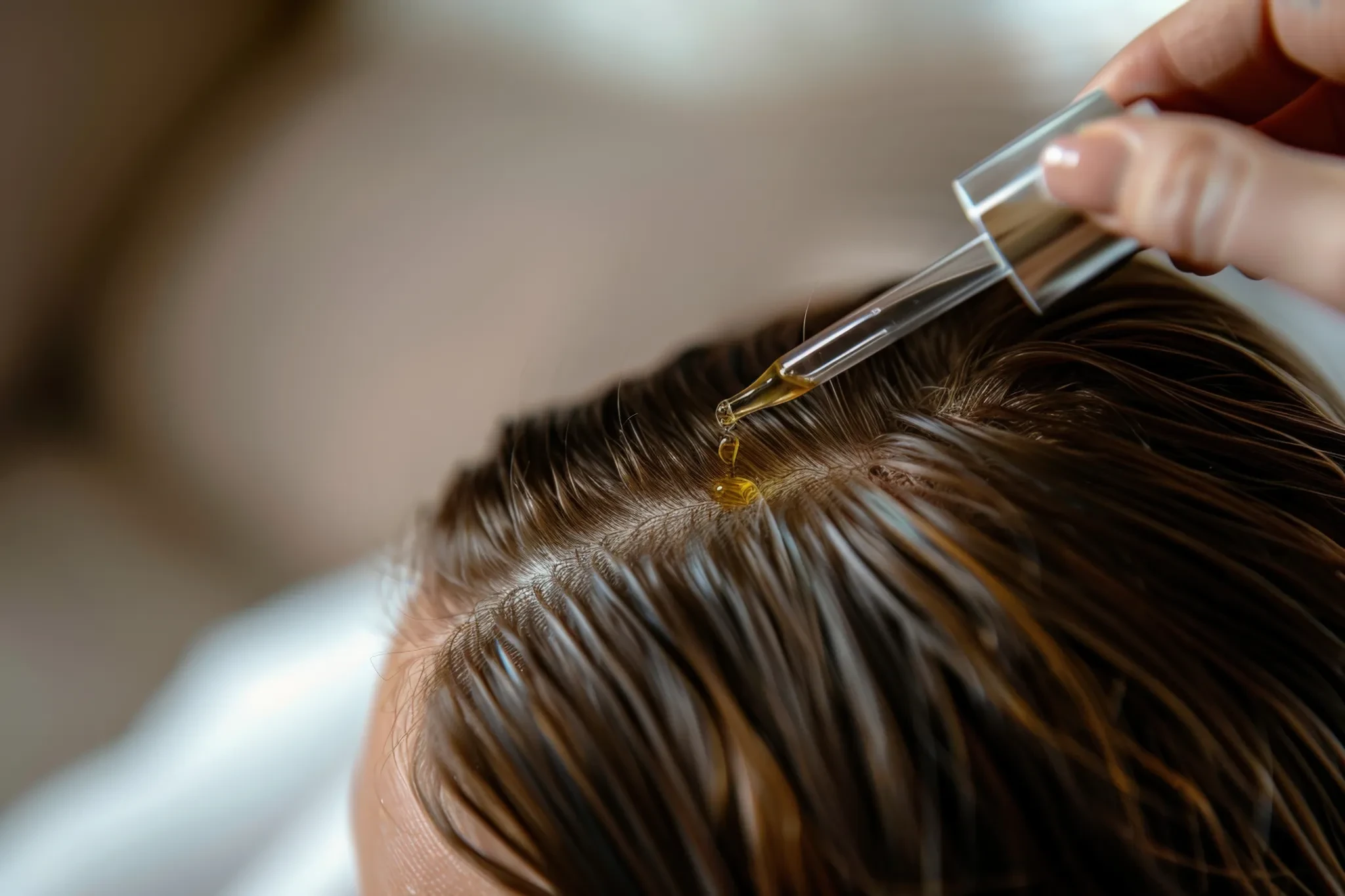
PRP involves drawing a patient's own blood, concentrating the platelets, and injecting them into the scalp on the theory that growth factors may stimulate follicles. It is one of the more widely studied regenerative options, and some patients report improved thickness or reduced shedding, though results vary considerably from person to person and benefits typically require maintenance sessions. PRP does not regrow hair in areas that are already completely bald; it works, when it works at all, on follicles that are still present but weakened.
Exosomes, tiny vesicles released by cells that carry signalling molecules, are a newer and more heavily marketed category. Here a strong word of caution is warranted. Regulators including the U.S. Food and Drug Administration have made clear that there are no approved exosome products for treating hair loss, and the FDA has issued warning letters to companies marketing such products. This means quality, safety, and consistency between providers cannot be assumed, and bold claims about exosome "regeneration" of hair outrun the available proof. We mention this not to dismiss the science, which is interesting, but because patient safety and honesty require it.
The reasonable summary: these add-ons may offer supportive benefit for the right candidate, but they are not a substitute for the structural results of a transplant, and they should never be sold as a guaranteed solution.

How do these differ from a proven FUE or DHI transplant?
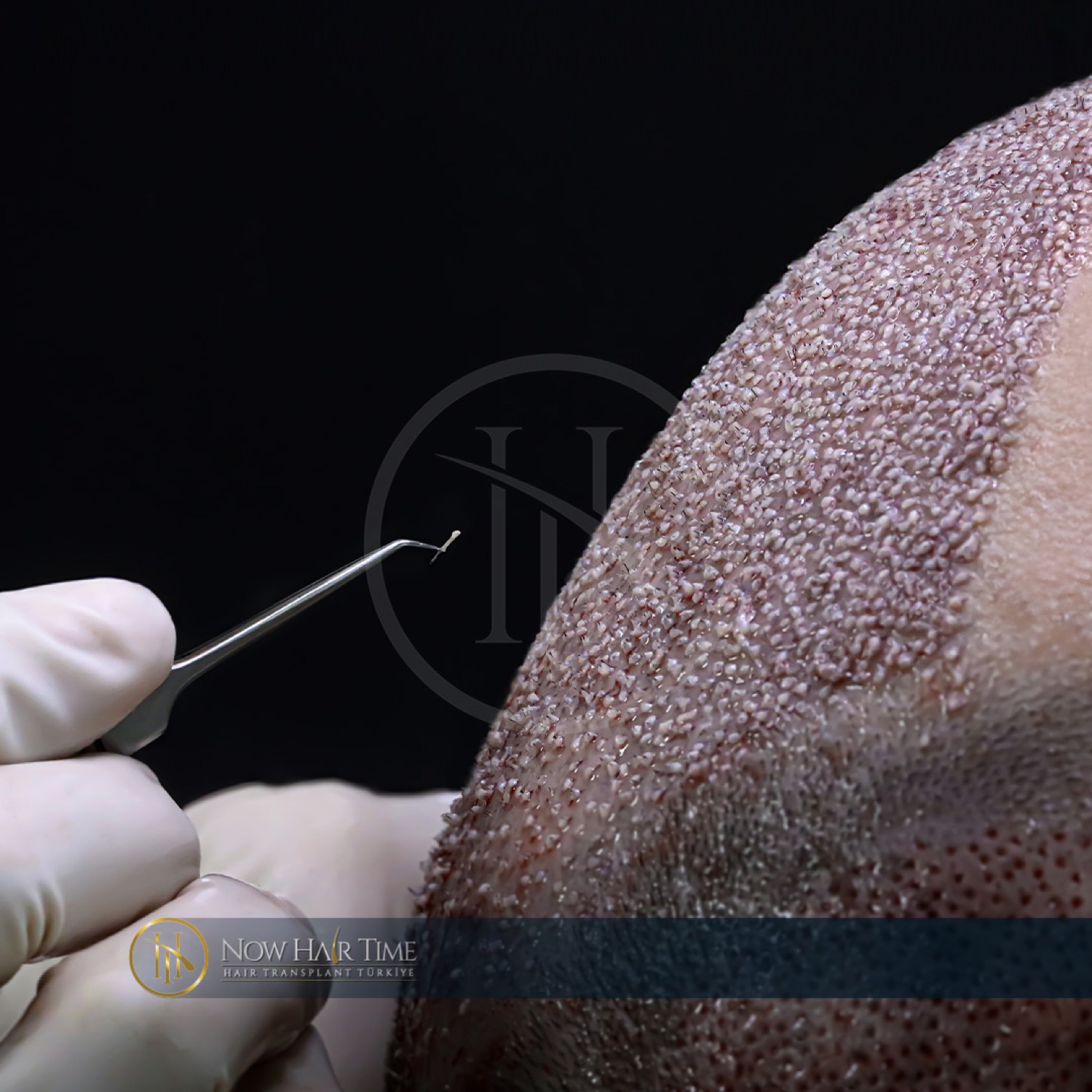
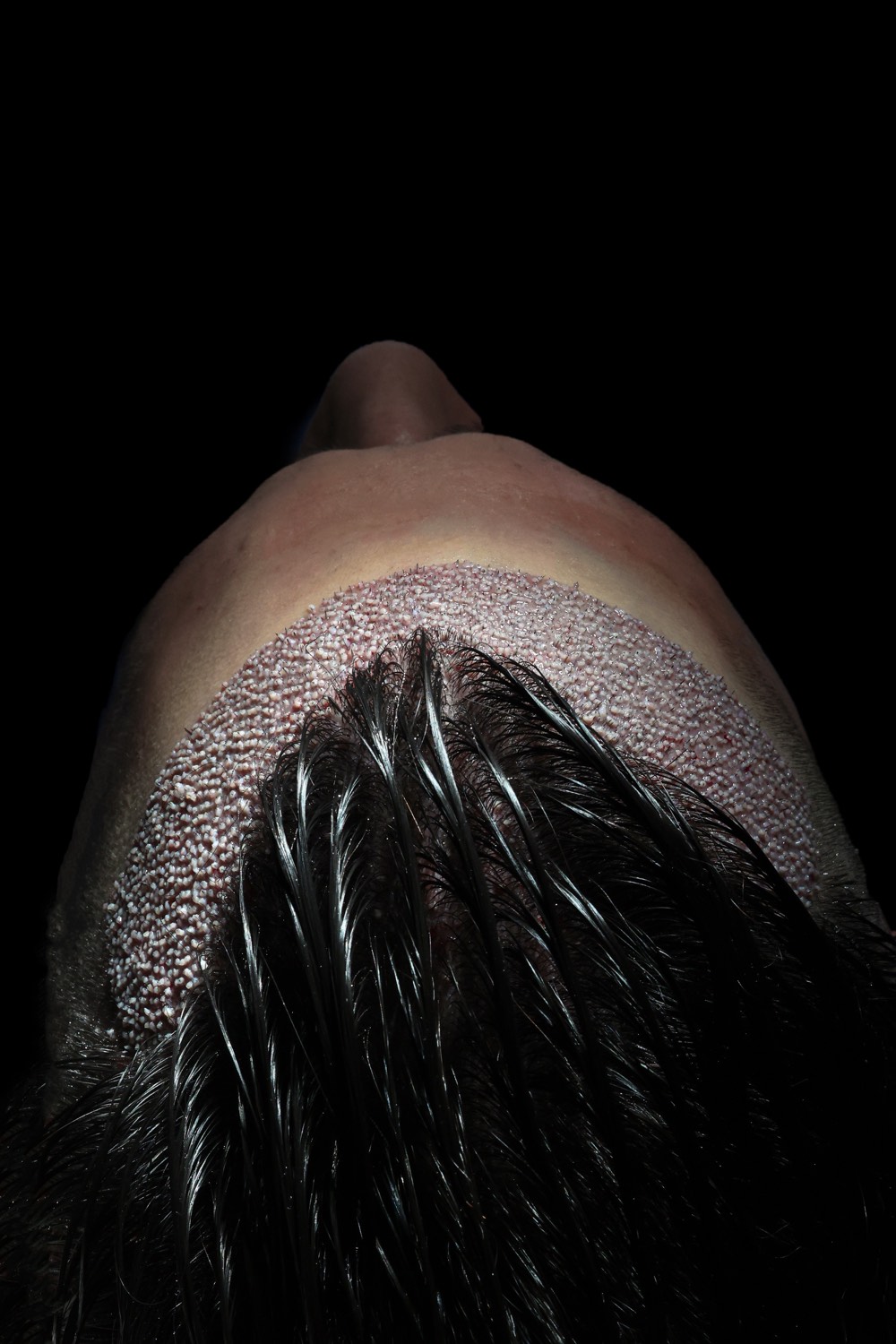
A proven FUE or DHI transplant relocates your own living, DHT-resistant follicles from the donor area into thinning or bald regions, where they grow permanently. Unlike experimental cloning or regenerative injections, it produces real, countable, lasting hair and has decades of clinical track record behind it. It is a structural solution, not a biological gamble.
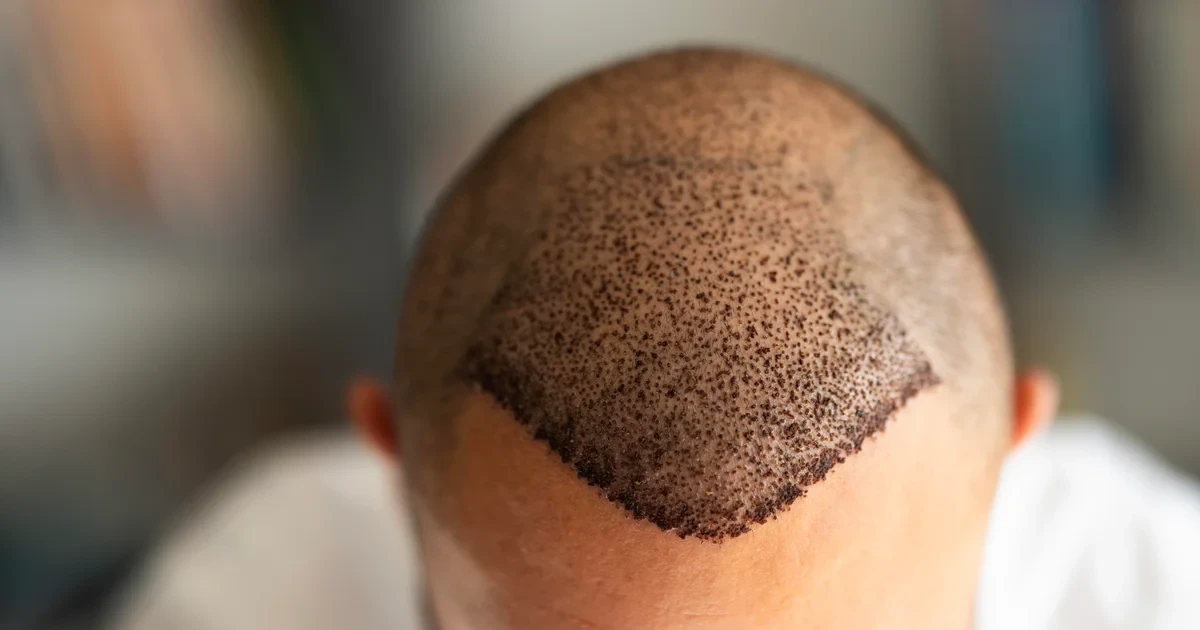
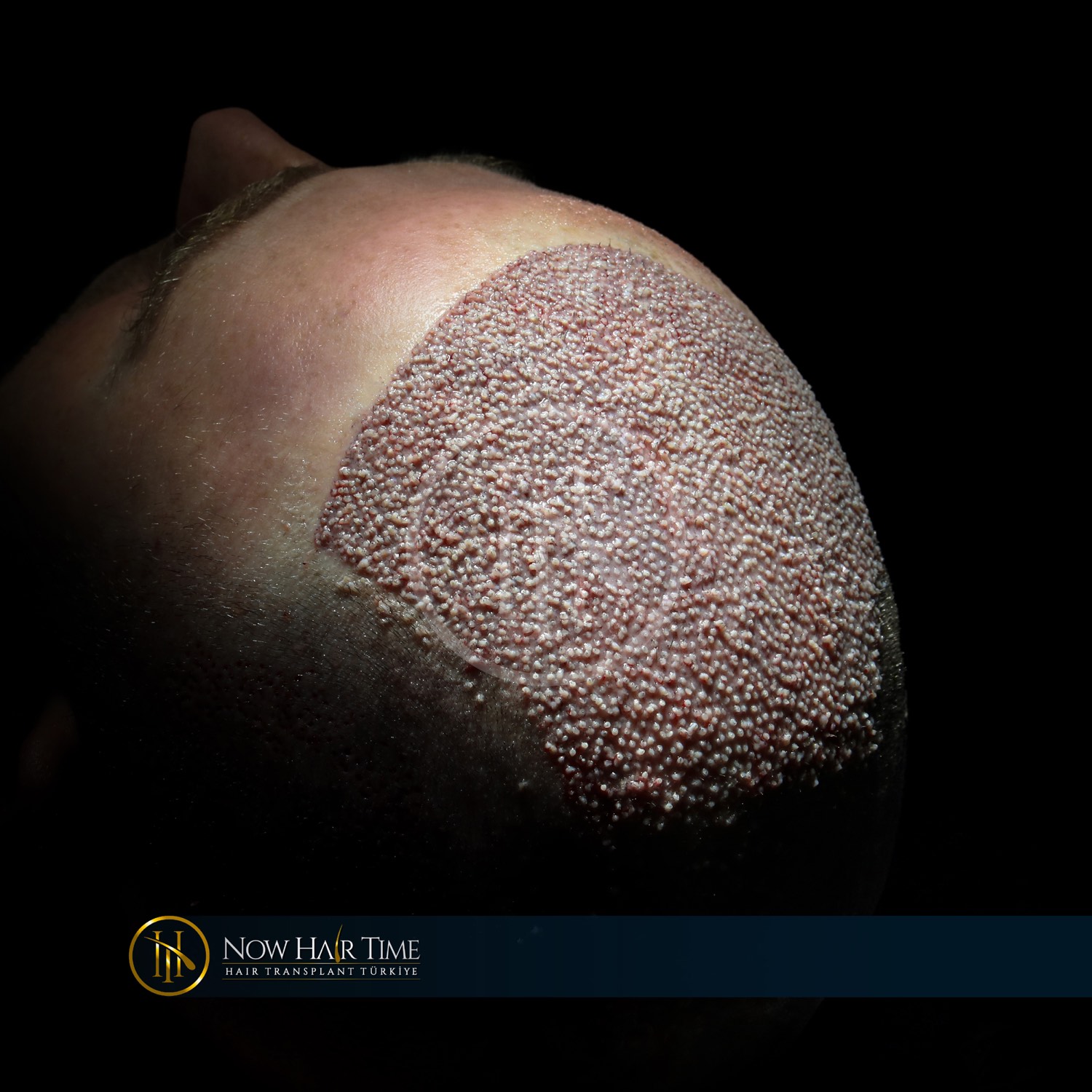
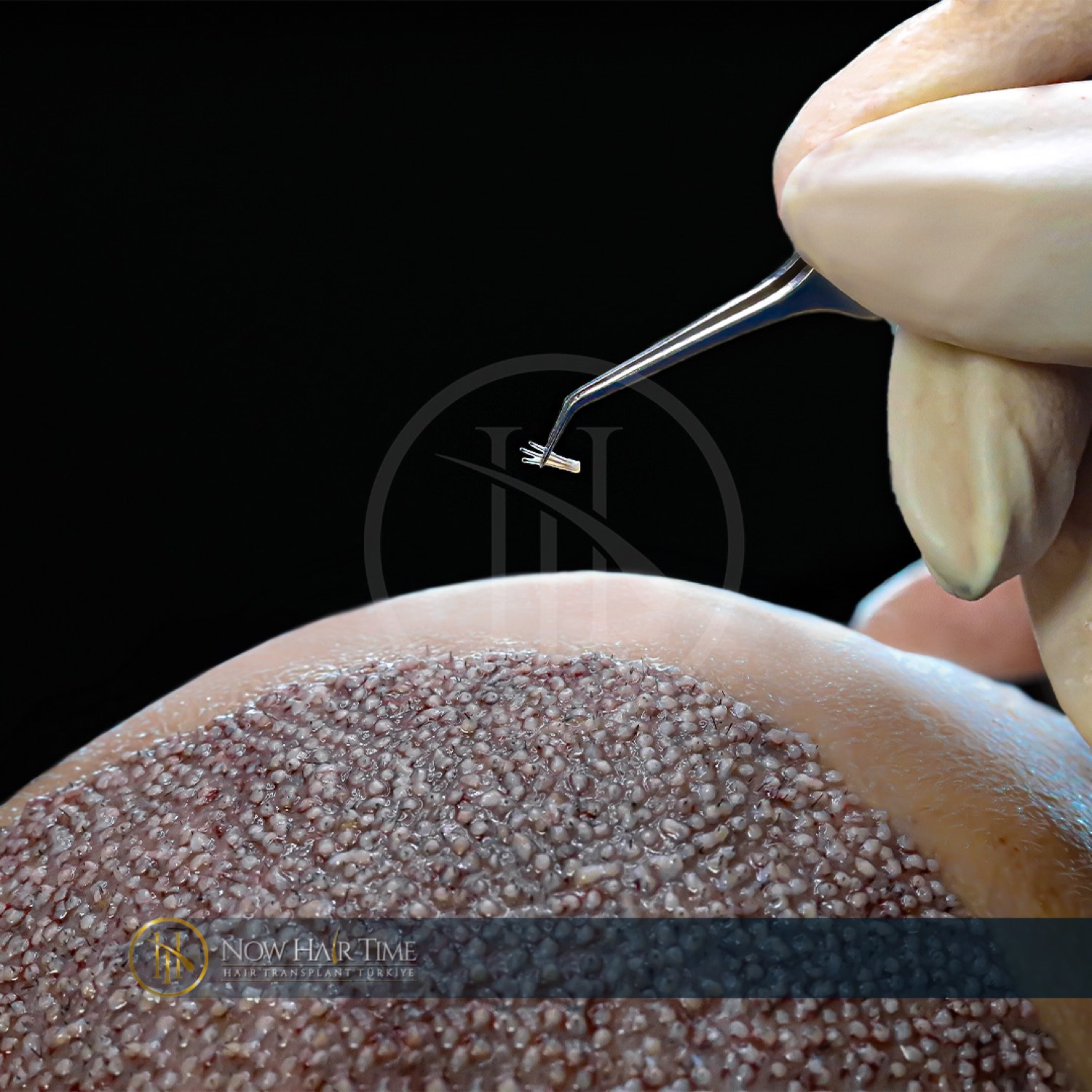
With Follicular Unit Extraction (FUE), individual follicular units are harvested one by one from the donor zone using a micro-punch, then implanted into recipient sites. Direct Hair Implantation (DHI) uses a specialised implanter pen to create the recipient site and place the follicle in a single motion, giving surgeons fine control over the angle, depth, and direction of each graft. Both are mature, well-documented techniques performed safely many thousands of times, and both rely on a simple, robust principle: moving hair that is biologically built to last.
The contrast with cloning and stem cell approaches is stark. A transplant does not depend on coaxing cells to do something they may not do; it works with follicles that already grow reliably. After the transplanted hairs shed in the first weeks and then regrow over the following months, the result is genuine, growing hair you can see, count, and run your fingers through, for the rest of your life. That predictability is precisely what experimental therapies cannot yet offer.
What is the realistic timeline for hair cloning becoming available?
The honest answer is that no one can give a reliable date. Hair cloning is still working through research and early clinical stages, and history shows that promising hair-loss technologies often take far longer to reach patients than initial predictions suggest. Specific year claims should be treated with caution, because regulatory approval, if it comes at all, depends on results that do not yet exist.
For any new medical treatment to become available, it must pass through staged human clinical trials proving both safety and effectiveness, and then earn approval from regulators such as the FDA or the EMA. Hair multiplication research has, in some cases, reached early human testing, but reaching an early trial is very different from completing the full pathway to approval. Many treatments that look encouraging in small studies stall when tested more rigorously.
It is also worth remembering how often "a few years away" has been said about hair cloning over the past couple of decades without a finished treatment materialising. We are genuinely optimistic about the long-term direction of the science, and breakthroughs may well come. But responsible guidance means not attaching a confident calendar date to something that remains, today, a research effort rather than a clinical reality.

Should you wait for cloning instead of getting a transplant now?
For almost everyone experiencing real hair loss, no, waiting for cloning is not a sound plan. Hair cloning is not a treatment you can rely on today, may be many years from availability, and might not arrive in the form people imagine. Meanwhile, hair loss is progressive: follicles you lose while waiting are gone, and delay can make eventual restoration harder.
Pattern hair loss does not pause. Every year spent waiting for a hypothetical future therapy is a year in which more follicles can miniaturise and disappear, potentially shrinking your usable donor area and worsening the pattern that needs to be addressed. There is a real cost to inaction, measured in lost hair and lost time.
A more pragmatic strategy is to treat what you can treat now, using proven methods to restore and stabilise your hair, while keeping a relaxed eye on emerging research. Choosing a transplant today does not lock you out of future innovations; if a genuine, approved breakthrough eventually arrives, it could complement what you already have. You can explore the full landscape of current options in our hair loss treatment guide. Acting on the evidence available now is almost always wiser than betting your hair on a timeline nobody can guarantee.
What is actually proven and available today?
Today, two categories of hair restoration are genuinely proven and available: surgical hair transplantation (FUE and DHI), which permanently relocates your own resistant follicles, and certain medications that can slow loss and support existing hair. These are the methods with real evidence and track records, and they remain the foundation of responsible hair restoration.
Medications such as those that target the hormonal driver of pattern baldness, or topical treatments that prolong the growth phase of follicles, can help slow progression and, for some patients, modestly improve density, particularly when started early. They work best on hair that still exists and generally require ongoing use to maintain their effect. They are an excellent complement to surgery and, in earlier-stage loss, sometimes a reasonable standalone starting point under medical guidance.
When hair is already gone and density needs to be rebuilt, a transplant is the proven route to a natural, permanent result. The table below summarises where today's options stand, and where the experimental ones sit by comparison.
| Approach | Status today | What it realistically offers |
|---|---|---|
| FUE hair transplant | Established, proven | Permanent relocation of your own resistant follicles; natural density |
| DHI hair transplant | Established, proven | Permanent results with fine control of angle, depth and direction |
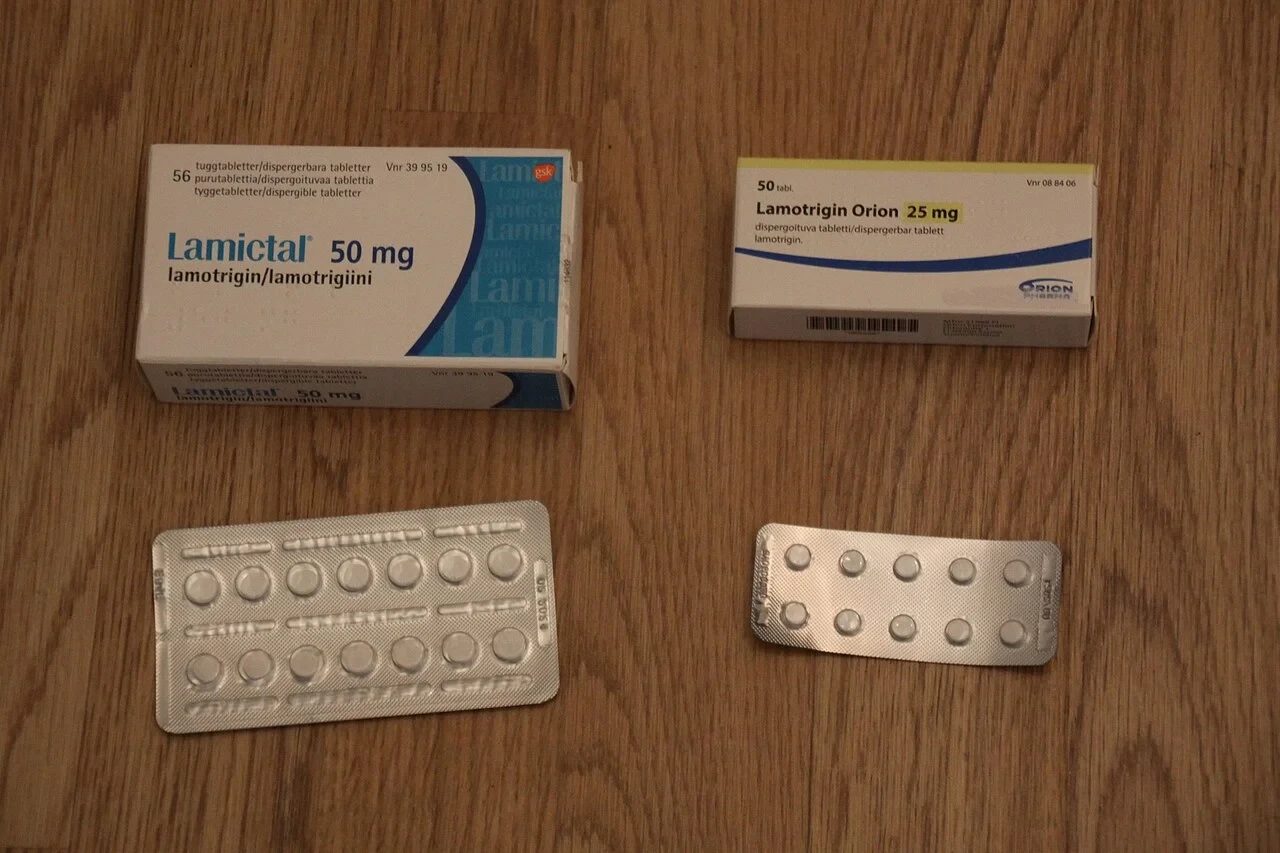
| Medication (oral/topical) | Established, evidence-based | Can slow loss and support existing hair; ongoing use needed |
| PRP injections | Supportive adjunct, mixed evidence | May help thicken/maintain existing hair; not a regrowth cure |
| Exosome products | Experimental, not approved for hair loss | Unproven; regulators have warned against marketing claims |
| Stem cell hair treatments | Largely research/early-stage | Promising in theory; long-term benefit not established |
| Hair cloning / multiplication | Research only, not available | Potentially transformative one day; not a treatment now |
Established versus experimental: a quick comparison
| Question | Proven transplant (FUE/DHI) | Cloning & stem cell treatments |
|---|---|---|
| Available to book now? | Yes | No (research/early-stage) |
| Results you can see and count? | Yes, real growing hair | Not reliably demonstrated |
| Permanent? | Yes, DHT-resistant follicles | Not proven |
| Regulatory approval? | Mature, widely practised | Not approved for this use |
| Solves donor shortage? | No, limited by donor area | Its theoretical promise, but unproven |
If you would like an honest assessment of which proven option fits your situation, our medical team is happy to review your case. You can contact Now Hair Time for personalised guidance with no obligation.
Real patient results
A selection of patients treated at Now Hair Time in Istanbul. Individual results vary from person to person.

Frequently Asked Questions
Is hair cloning available in Turkey or anywhere else right now?
No. Hair cloning is not commercially available in Turkey or any other country as an approved medical procedure. It remains in research and early clinical testing. Any clinic advertising true hair cloning as a finished, bookable treatment is misrepresenting the current state of the science.
Is a "stem cell hair transplant" the same as a normal hair transplant?
Usually not in the way the name suggests. In most cases, a "stem cell hair transplant" is a standard FUE or DHI transplant combined with a regenerative injection. The transplant does the proven work; the added component is an adjunct whose long-term benefit is not established. Always ask exactly what is being offered.
Are stem cell hair treatments or cloning permanent?
There is no proof that they are permanent. Because these therapies are experimental and lack long-term, large-scale published evidence, no one can honestly guarantee lifelong results. By contrast, a properly performed hair transplant is permanent because it relocates follicles that resist the hormone causing hair loss.
Does PRP regrow hair?
PRP does not regrow hair in fully bald areas. At best, it may support and thicken follicles that are still present but weakened, and results vary from person to person. It is reasonably viewed as a supportive adjunct, typically requiring maintenance sessions, not a standalone cure for baldness.
Are exosomes approved for hair loss?
No. There are no exosome products approved for treating hair loss, and the U.S. FDA has issued warning letters to companies marketing such products. The science is interesting but unproven for hair, and quality and safety cannot be assumed between providers. Strong regrowth claims about exosomes are not supported by current evidence.
When will hair cloning be available?
No reliable date can be given. The technology is still in research and early clinical stages, and it must complete rigorous human trials and gain regulatory approval before it could ever reach patients. Predictions of "a few years away" have been made repeatedly over the years without a finished treatment appearing, so specific dates should be treated with caution.
Should I wait for cloning instead of getting a transplant?
For almost everyone with genuine hair loss, waiting is not advisable. Hair loss is progressive, so follicles lost while waiting are gone for good, and delay can make eventual restoration harder. Treating what is treatable now with proven methods, while watching future research, is the more sensible path.
What hair restoration methods are actually proven today?
Surgical hair transplantation (FUE and DHI) and certain medications are the methods with genuine, established evidence. Transplants permanently relocate your own resistant follicles, while medications can slow loss and support existing hair. These remain the foundation of responsible hair restoration.
Could cloning or stem cells eventually help people who lack enough donor hair?
That is precisely the theoretical promise, since these technologies aim to multiply hair from a tiny sample and bypass donor-area limits. However, this potential has not been delivered in practice. For now, patients with limited donor hair should discuss realistic, proven options with a qualified clinic rather than wait for an unproven future therapy.
How do I find out which proven option is right for me?
The best step is a personalised assessment of your hair loss pattern, donor area, and goals. The team at Now Hair Time in Istanbul can review your case and recommend a realistic, evidence-based plan. You can contact us for guidance, with no obligation, and read more in our hair loss treatment guide.