How to Choose the Best Hair Transplant Clinic: A Complete Checklist
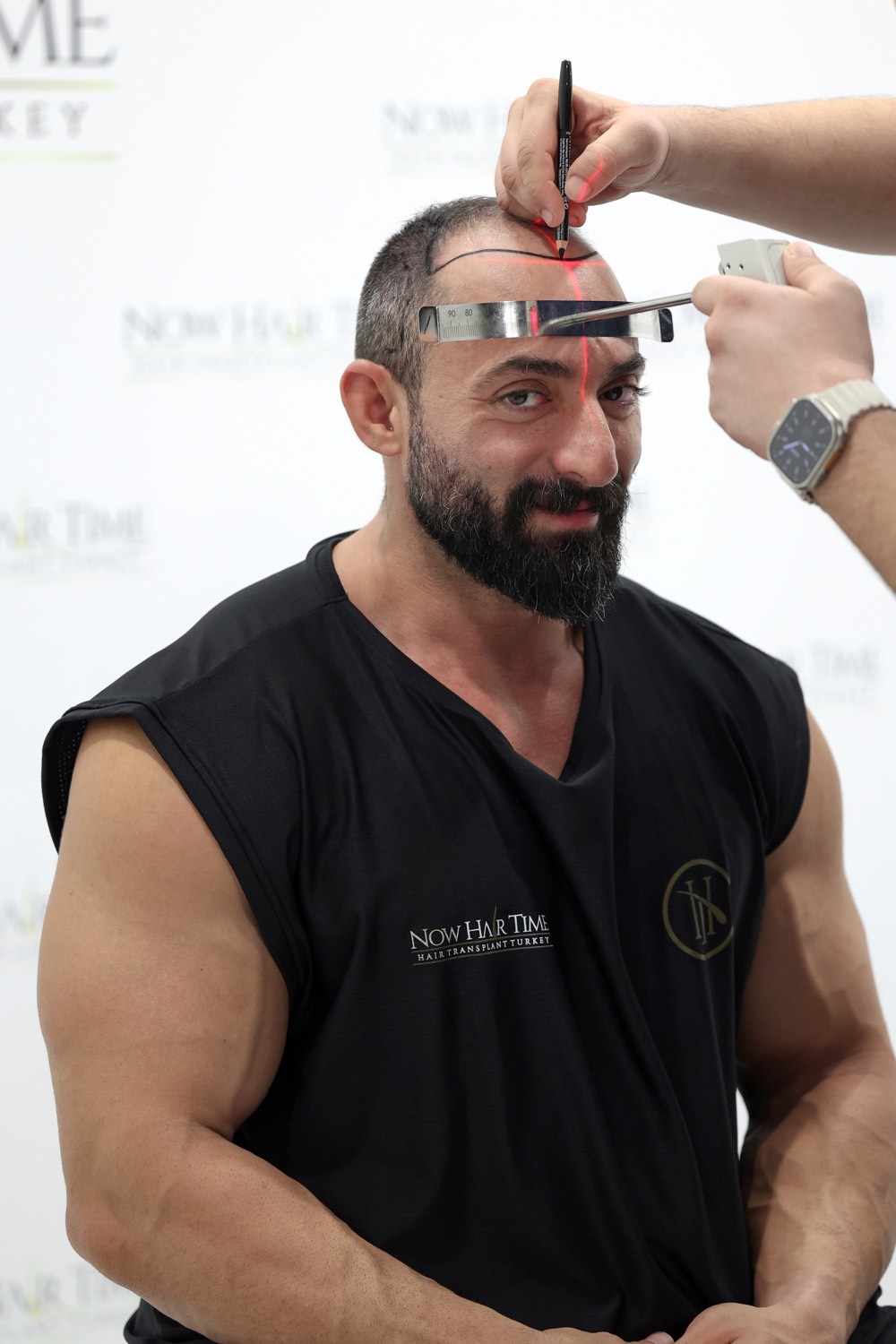
The single most important factor in a successful hair transplant is the clinic and surgical team you choose — not the price, the country, or the technique name. A hair transplant is a permanent, surgical relocation of your own living follicles, and the result is shaped almost entirely by the skill, planning, and judgement of the people performing it. This checklist walks you through exactly how to evaluate a clinic so you can decide with confidence rather than hope.
Hair restoration is one of the few cosmetic procedures where the outcome is visible to everyone you meet, every day, for the rest of your life. That permanence is precisely why the decision deserves real scrutiny. Below, we break the decision down into the questions that genuinely matter — surgeon experience, real (not cherry-picked) results, technique, who actually holds the instruments, hairline design, donor planning, red flags, and the questions to ask in your consultation. Now Hair Time is an Istanbul-based hair transplant clinic, and throughout this guide we have tried to describe the standards a good clinic should meet rather than simply praise our own.
Why does choosing the right clinic matter most?
Because a hair transplant is a permanent surgery whose outcome depends almost entirely on the team performing it. The same patient, with the same donor area, can get a natural, dense, lasting result in skilled hands — or a pluggy, thin, badly-angled one elsewhere. The clinic is the variable you control; choose it carefully.
Unlike medication, a transplant cannot simply be stopped if you change your mind. Once follicles are extracted and implanted, those decisions — how the hairline is shaped, at what angle and density grafts are placed, how the donor area is harvested — are effectively irreversible. Correcting a poor result is harder, more expensive, and more limited than getting it right the first time, because your donor hair is a finite resource that a botched first procedure can waste.
It is tempting to focus on the technique (FUE versus DHI) or the headline price, because those are easy to compare. But two clinics offering the identical technique at the identical price can deliver wildly different results. What separates them is human: anatomical understanding, aesthetic sense, attention to detail over a long procedure, and honesty about what is realistically achievable for your specific degree of hair loss. That is what you are really evaluating.
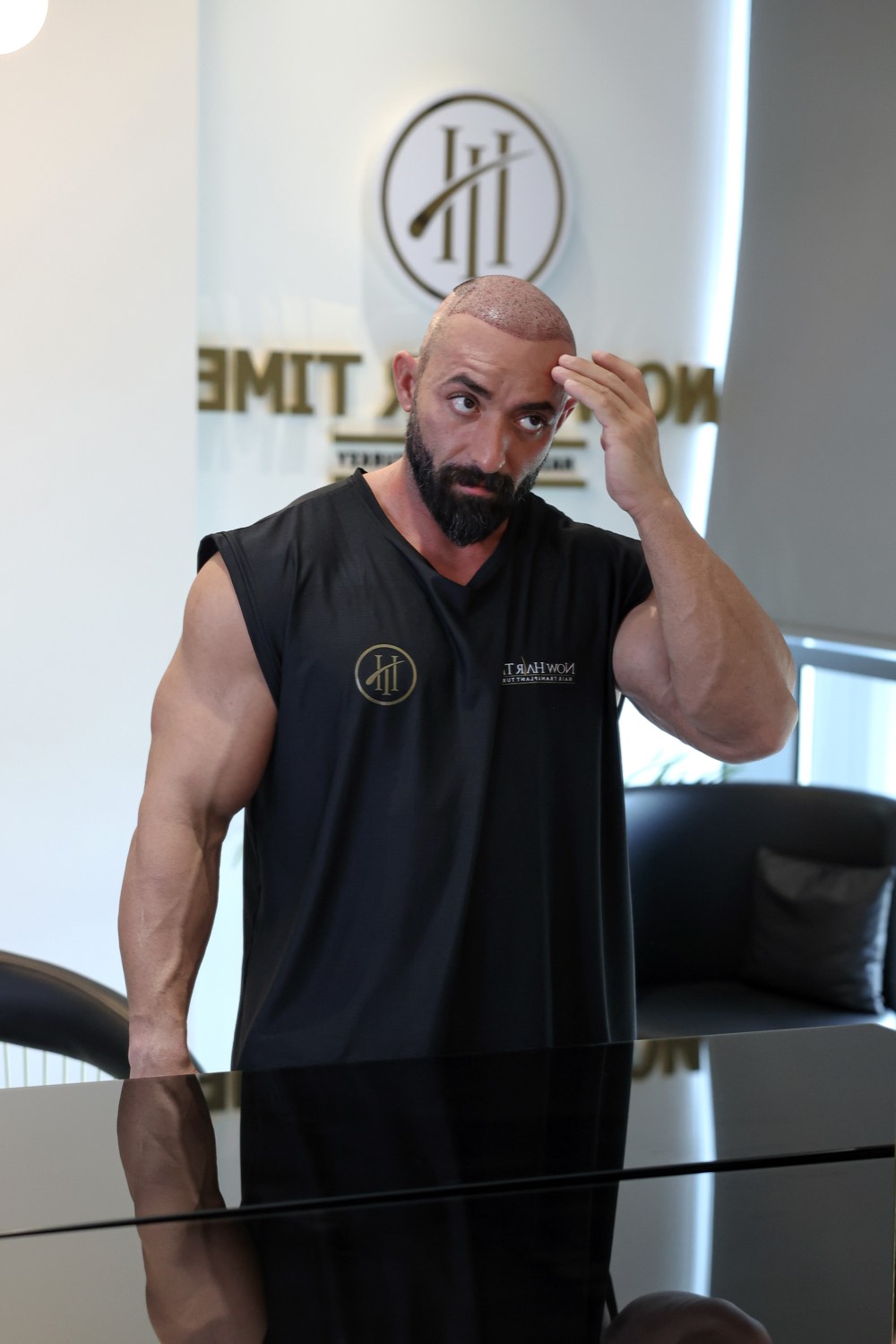
How do you check the surgeon's experience and qualifications?
Confirm the procedure is led by a qualified, licensed medical doctor who specialises in hair restoration, not a general practitioner or an unsupervised technician. Ask how many years they have focused on hair transplants, how many cases they perform, and whether you will meet the surgeon — not just a salesperson — before and on the day of surgery.
Experience in hair restoration specifically matters more than a general medical title. A surgeon who has performed thousands of cases over many years develops pattern recognition for donor capacity, scalp laxity, and how a given hairline will age — judgement that simply cannot be acquired quickly. Ask directly: how long have you specialised in hair transplantation, and is this the main thing you do?
You are entitled to verify credentials. A reputable clinic will tell you the name of the doctor leading your procedure and confirm they are properly licensed to practise medicine in their country. Membership of recognised professional bodies in the field is a positive signal, though you should treat any specific claim with healthy curiosity and ask the clinic to confirm it directly rather than assuming. If a clinic is evasive about who the surgeon is or hides behind a brand name only, treat that as meaningful information.
Finally, look at how the surgeon communicates. A strong specialist will assess your case individually, explain the limits of what is possible, and sometimes tell you that you are not a good candidate yet — or at all. Honesty that costs the clinic a sale is one of the most reliable indicators of genuine expertise.
How do you judge a clinic's real results?
Look for a large, consistent body of before-and-after photos — ideally of patients with hair loss and hair type similar to yours — rather than a handful of perfect, cherry-picked images. Consistent results across many ordinary cases, including the back and crown and not just flattering angles, tell you far more than three spectacular transformations.
Any clinic can show you its three best cases. The meaningful question is what a typical result looks like. Ask to see a broad range of patients, including ones whose starting point resembles yours — your Norwood stage, hair calibre, curl, and skin-to-hair contrast all affect the achievable outcome. Someone with dense, dark, curly hair will see different coverage from the same graft count than someone with fine, straight, light hair, so comparing yourself to a well-matched case is far more useful.
Pay attention to the details that are hard to fake. Does the hairline look irregular and soft, the way a natural hairline is, or is it a straight, dense wall? Are the angles and direction of growth consistent? Is the donor area, when shown, left looking even and natural rather than patchy or over-harvested? Good photography shows the same patient under similar lighting, from multiple angles, ideally at a stated time after surgery (results continue maturing for roughly 12 months). You can review a wide spread of cases on our hair transplant before and after gallery to see what consistency across many patients looks like.
Be cautious of images that look too uniform or too polished, watermark-free photos lifted from elsewhere, or galleries that never show the crown or the immediate post-operative stage. Real surgical results have texture and variation; a portfolio with none can be a warning sign.
Which techniques should the clinic offer, and should they recommend the right one for you?
A good clinic offers the main modern techniques — typically FUE and DHI — and, crucially, recommends the one that genuinely suits your hair loss, goals, and donor area rather than pushing whichever they prefer to sell. The technique is a tool; matching it to the patient is the skill. Be wary of a clinic that only ever does one method for everyone.
FUE (Follicular Unit Extraction) harvests individual follicular units from the donor area and implants them into recipient sites, leaving no linear scar and a short recovery. DHI (Direct Hair Implantation) uses a specialised implanter pen to create the recipient site and place the graft in one motion, which can allow precise control of angle and density and is often favoured for detailed hairline work or implanting without fully shaving. You can read more about each on our FUE hair transplant in Turkey and DHI hair transplant in Turkey pages.
Neither technique is universally "better." The right choice depends on the size of the area, the density you need, your hair characteristics, whether you want to avoid shaving, and the surgeon's experience with each method. A trustworthy clinic explains the trade-offs in plain language and tailors the recommendation to you. If you are told a single method is best for absolutely everyone, ask why — the honest answer is usually that it depends.
Who actually performs the procedure — the surgeon or technicians?
Ask plainly who does what. In many clinics a team of technicians assists, which is normal — but the surgeon should personally lead the critical, result-defining steps: planning, hairline design, and the placement and angling of grafts. A red flag is a clinic where an unsupervised technician performs the entire surgery and you never meaningfully see the doctor.
Hair transplantation is a team procedure, and skilled technicians play a genuine, valuable role in extraction and graft preparation. The issue is not whether technicians are involved — they almost always are — but whether a qualified surgeon designs your case and oversees and performs the steps that determine how natural and dense the result looks. The hairline and the angling of grafts are where artistry lives, and these should not be delegated to whoever is available.
This is a fair and important question to ask directly, and a good clinic will answer it without defensiveness: Who designs my hairline? Who creates the recipient sites? Will the surgeon be present throughout, and how involved are they on the day? Clear, confident answers are reassuring. Vague answers, or pressure to stop asking, are not. The clearest way to resolve any doubt is to talk to the clinic directly and ask these questions before you commit; you can start that conversation through our contact page.
What is the clinic's hairline-design and long-term donor-planning philosophy?
A skilled clinic designs a hairline that suits your face, age, and how you will look in twenty years — and it manages your donor area as a finite, lifelong resource. Beware any clinic that promises an aggressively low, dense hairline or treats your donor hair as unlimited. Good planning protects you from looking unnatural later and from running out of grafts you may need in the future.
A natural hairline is not as low or as straight as many patients first request. It sits at an age-appropriate height, has subtle irregularity, uses single hairs at the very front grading to denser units behind, and frames the face proportionally. A surgeon with aesthetic judgement will sometimes gently talk you out of a hairline that looks good at 30 but unnatural at 50. That long-view thinking is a feature, not a limitation.
Donor planning is equally important and often overlooked. Your donor area — mainly the back and sides — holds a limited number of follicles, and hair loss may continue in the years ahead. A responsible clinic harvests conservatively and evenly, preserves enough density for a possible second procedure, and considers your future, not just today's result. Over-harvesting to maximise one session's coverage can leave the donor area visibly thin and limit your options forever, which is exactly what careful planning avoids.

What red flags should you avoid?
Be wary of prices that seem too good to be true, high-pressure sales tactics, no direct contact with the surgeon, guarantees of an exact graft number or a "100% guaranteed" result, reviews that are thin or suspiciously uniform, and no clear written aftercare plan. Any one of these warrants caution; several together is a strong signal to walk away.
A suspiciously low price usually means a corner is being cut somewhere — volume over quality, inexperienced staff, minimal surgeon involvement, or hidden costs added later. Hair restoration is skilled surgery, and genuine quality has a genuine cost. This does not mean the most expensive clinic is best, but extreme cheapness should prompt the question: what is being sacrificed to reach this price? You can read an honest overview on our hair transplant cost in Turkey page, where the answer to specifics is always to book a free, personalised consultation.
High-pressure sales — "this discount expires today," constant chasing, reluctance to let you think — have no place in a medical decision. Nor do guarantees of an exact graft yield or a flawless outcome; biology does not work that way, and an honest clinic gives realistic ranges and sets expectations rather than promises. Equally, the absence of a clear aftercare plan tells you the clinic may lose interest once payment clears, when in fact the weeks and months after surgery are critical to the result.
| Green flags (signs of a trustworthy clinic) | Red flags (proceed with caution) |
|---|---|
| Procedure led by a qualified, named, licensed surgeon | You never meet or speak to the actual surgeon |
| Large, consistent before/after gallery of varied real patients | Only a few perfect, possibly borrowed, photos |
| Honest, individual assessment — including saying "not yet" or "not advisable" | Tells everyone they are a perfect candidate |
| Realistic graft ranges and expectations | Guarantees an exact graft count or a "100%" result |
| Clear, written aftercare and follow-up plan | No structured aftercare; goes quiet after payment |
| Transparent pricing explained in consultation | Price far below the market, with extras revealed later |
| Gives you time and space to decide | High-pressure, expiring-today sales tactics |
| Recommends the technique that suits you | Pushes one method on everyone, regardless of case |
How do you verify reviews and reputation?
Read reviews across several independent platforms, not just the clinic's own website, and look for detail, balance, and recency. Genuine reviews mention specifics — the surgeon, the recovery, the timeline — and a realistic clinic will have a few critical reviews too. Patterns matter more than any single review, so weigh the overall picture rather than the best or worst comment.
Testimonials curated on a clinic's own site are useful but inherently selective. Cross-check on independent review platforms, patient forums, and social media, where people speak more freely and post their own progress photos over months. Look for consistency between what the clinic claims and what real patients report, especially about communication, honesty, and the result at the 6–12 month mark rather than immediately after surgery.
Be sceptical of two extremes: a perfect, unbroken wall of five-star reviews that all sound similar (which can indicate manipulation), and a clinic with almost no independent footprint at all. A credible reputation is built over years and shows normal human variation. Where possible, value long-term patient updates — a result that still looks good a year or two later is the only result that truly counts.
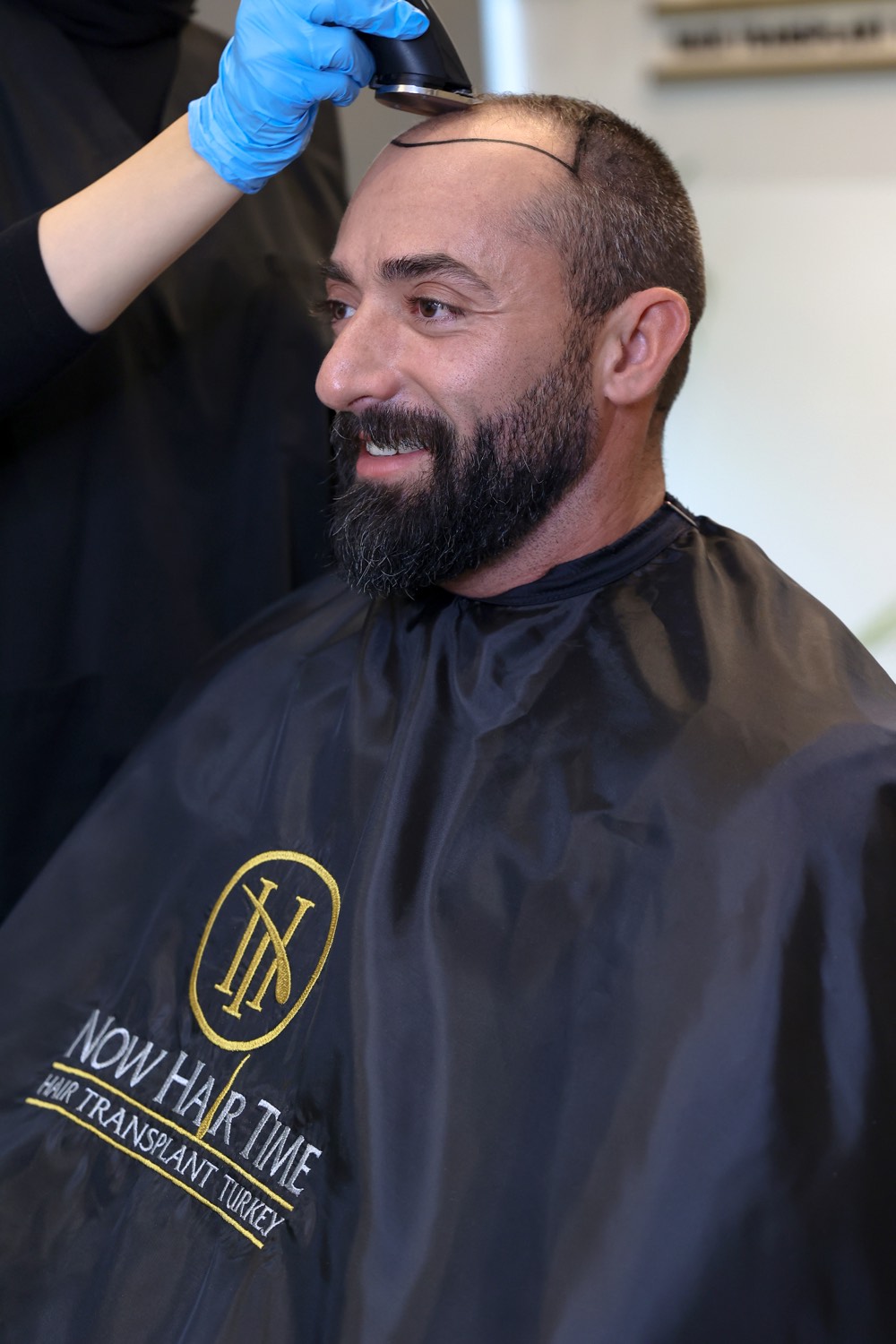
What questions should you ask in a consultation?
Use the consultation to test the clinic's honesty and expertise, not just to hear a sales pitch. Ask who performs each step, what your realistic result looks like, why a particular technique is recommended for you, how your donor area will be protected, and what the aftercare and revision policy is. How clearly and candidly they answer is itself part of the evaluation.
A good consultation is a two-way assessment. The clinic evaluates your suitability; you evaluate the clinic. Come prepared, take notes, and pay as much attention to how questions are answered as to the answers themselves. Defensiveness, vagueness, or pressure are answers in their own right. The checklist below gives you a practical, printable set of questions to bring.
| Question to ask | What a reassuring answer sounds like |
|---|---|
| Who is the surgeon, and what are their qualifications? | A named, licensed doctor who specialises in hair restoration |
| Will the surgeon personally design my hairline and place grafts? | Yes for the critical steps, with a trained team assisting |
| Can I see results from patients similar to me? | Several matched cases, multiple angles, shown openly |
| Which technique do you recommend for me, and why? | A reasoned choice based on your specific case, not a default |
| How many grafts do I realistically need, and what coverage can I expect? | A realistic range with honest limits, not a guarantee |
| How will you protect my donor area for the future? | Conservative, even harvesting that preserves future options |
| What does aftercare and follow-up include? | A clear written plan and accessible post-op support |
| What is your policy if the result falls short? | A transparent, stated approach to follow-up or revision |
| What exactly is included in the price? | A clear breakdown with no surprises added later |
Why has Turkey, and Istanbul in particular, become a leading destination?
Turkey, and especially Istanbul, has become a global hub for hair transplantation because of a high concentration of experienced specialists, well-established clinics, significant case volume, and favourable costs compared with many Western countries. That popularity is genuine — but it also means quality varies, so you should still vet any individual clinic exactly as carefully as you would anywhere else.
The combination of deep surgical experience, mature medical infrastructure, and lower operating costs allows reputable Istanbul clinics to deliver high-quality results at prices that are often more accessible than in the UK, US, or Western Europe. For many international patients, this makes a well-run Istanbul clinic an excellent option, which is one reason the city draws so many people seeking treatment.
However, popularity attracts both excellent providers and opportunistic ones. The strength of the destination is not a substitute for due diligence on the specific clinic. Apply this entire checklist — surgeon, results, technique fit, who performs the surgery, donor planning, reviews, and aftercare — just as rigorously to an Istanbul clinic as you would at home. The best clinics in the city welcome that scrutiny. Now Hair Time operates in Istanbul precisely within this context, and we encourage prospective patients to hold us to every standard described here.
Making the final decision
Choose the clinic that combines a qualified surgeon, consistent real results, an honest tailored plan, conservative donor management, and clear aftercare — and that makes you feel informed rather than pressured. Trust the clinic that tells you the truth, even when the truth is inconvenient, over the one that tells you only what you want to hear.
By this point you should be weighing evidence, not just impressions. Revisit your notes from each consultation, compare them against the green-flag and red-flag tables above, and notice which clinic answered your hardest questions most openly. The right choice is rarely the cheapest and rarely the loudest — it is the one whose surgeon, results, planning, and candour all hold up under scrutiny.
A hair transplant is a long-term investment in how you look and feel for the rest of your life. Take the time to get the decision right, ask everything on the checklist, and proceed only when you feel genuinely confident. If you would like a personalised, no-pressure assessment of your own case — including realistic expectations and the right technique for you — you are welcome to book a free consultation through our contact page.
Real patient results
A selection of patients treated at Now Hair Time in Istanbul. Individual results vary from person to person.
Frequently Asked Questions
How do I find the best hair transplant clinic for me?
Focus on the surgical team first. Confirm a qualified, licensed surgeon leads the procedure, review a large and consistent set of real before-and-after results from patients similar to you, check independent reviews, and make sure the clinic offers an honest, individual plan with clear aftercare. The "best" clinic is the one whose expertise and candour hold up under genuine scrutiny — not simply the cheapest or most advertised.
Is the cheapest hair transplant clinic ever a good idea?
Rarely. Hair restoration is skilled surgery, and a price far below the market usually signals a compromise — volume over quality, minimal surgeon involvement, inexperienced staff, or hidden costs added later. Value matters more than the headline number. For a realistic understanding of cost, the best step is a personalised consultation rather than comparing advertised prices alone.
Should the surgeon or a technician perform my hair transplant?
A team of technicians commonly assists, which is normal and valuable, but a qualified surgeon should personally lead the result-defining steps: planning, hairline design, and the placement and angling of grafts. Ask the clinic directly who performs each step. If an unsupervised technician would carry out the entire surgery and you never meaningfully see the doctor, treat that as a red flag.
FUE or DHI — which technique should I choose?
Neither is universally better; the right choice depends on your hair loss pattern, the area and density required, your hair characteristics, and whether you prefer not to shave. A good clinic recommends the method that suits your specific case and explains the trade-offs. Be cautious of any clinic that applies a single technique to every patient regardless of their situation.
How can I tell if a clinic's before-and-after photos are genuine?
Look for a large, varied gallery rather than a few flawless images, including patients similar to you and views of the crown and donor area, not just flattering angles. Genuine results show natural texture and variation, consistent lighting, and ideally a stated time after surgery. Be wary of watermark-free images, overly uniform results, or galleries that never show ordinary cases.
What are the biggest red flags when choosing a clinic?
Prices that seem too good to be true, high-pressure or expiring-today sales tactics, no direct contact with the surgeon, guarantees of an exact graft number or a "100%" result, thin or suspiciously uniform reviews, and no clear written aftercare plan. Any one of these warrants caution; several together are a strong signal to look elsewhere.
Why is Turkey so popular for hair transplants?
Turkey, and Istanbul in particular, combines a high concentration of experienced specialists, established clinics, significant case volume, and costs that are often more accessible than in many Western countries. This makes reputable Istanbul clinics an excellent option for many patients. Because quality still varies, you should vet any individual clinic just as carefully as you would anywhere else.
How many grafts will I need?
It depends on your degree of hair loss, the area being treated, your hair characteristics, and the density you want — so an honest clinic gives a realistic range after assessing you individually rather than a fixed promise. Be cautious of any clinic that guarantees an exact graft count sight unseen. A personalised consultation is the only reliable way to estimate this for your case.
What should I ask during a hair transplant consultation?
Ask who performs each step of the surgery, whether the surgeon designs your hairline and places grafts, to see results from patients like you, which technique is recommended and why, your realistic expected outcome, how your donor area will be protected for the future, and what aftercare and revision policies apply. How openly the clinic answers is part of the evaluation.
Why does long-term donor-area planning matter?
Your donor area holds a finite number of follicles, and hair loss can continue over the years. A responsible clinic harvests conservatively and evenly to preserve enough density for a possible future procedure and to keep the donor area looking natural. Over-harvesting for maximum coverage in one session can leave the donor area visibly thin and permanently limit your options.