Does Lamotrigine Cause Hair Loss?
Does Lamotrigine Cause Hair Loss?
Lamotrigine can be associated with hair loss, although alopecia appears to be an uncommon adverse effect rather than a typical reaction experienced by most users. Hair loss has appeared in clinical safety data, individual case reports, and pharmacovigilance reports involving lamotrigine. The reported pattern is generally diffuse and non-scarring rather than permanent destruction of isolated follicles.Medication-related telogen effluvium is one proposed explanation. A person who notices shedding after starting lamotrigine should not automatically assume the medication caused it. Iron deficiency, thyroid disorders, stress, illness, weight loss, and genetic hair loss can produce similar changes.
How Common Is Hair Loss With Lamotrigine?
Hair loss appears to be an uncommon reaction to lamotrigine, and available evidence does not provide one precise percentage that applies to every patient. Earlier prescribing data classified alopecia among infrequent dermatological adverse reactions. Large collections of safety reports have also documented suspected lamotrigine-associated alopecia. One analysis identified hundreds of reports, although spontaneous reports cannot establish how often the reaction occurs among all users. This distinction matters because reported cases demonstrate a possible association without showing that hair loss is common. Most people taking lamotrigine do not necessarily experience clinically noticeable shedding.What Does Lamotrigine Hair Loss Look Like?
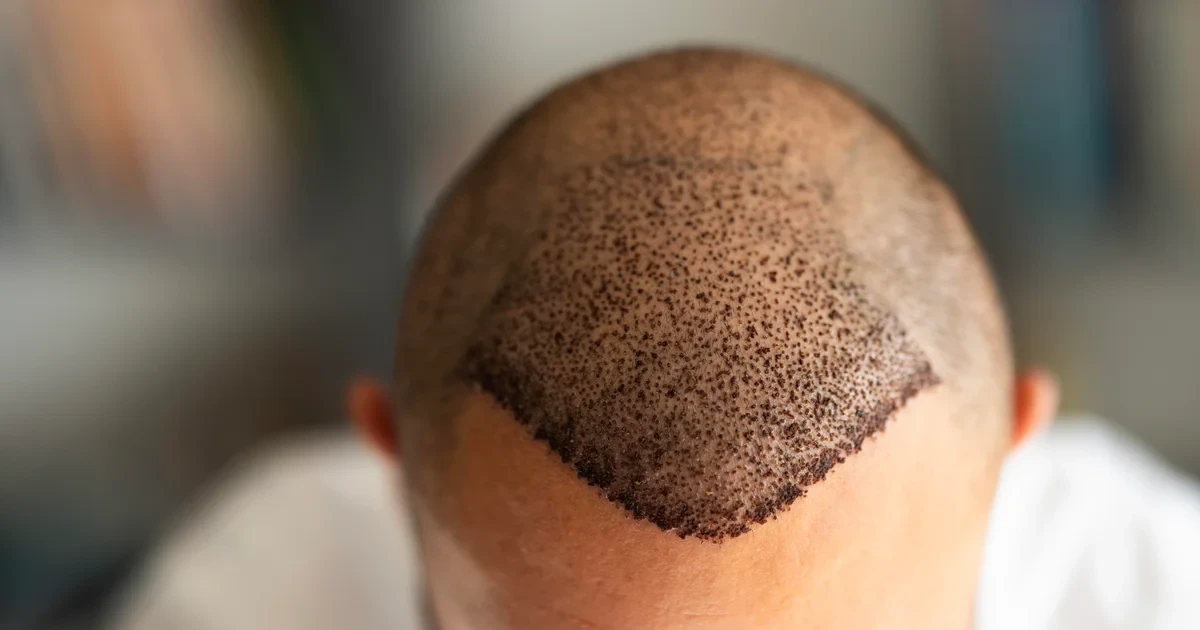
Lamotrigine-associated hair loss is generally described as diffuse, non-scarring shedding rather than one sharply defined area of baldness. The overall volume may decrease while the scalp surface continues looking relatively normal. Possible features include:- More hair appearing during washing
- Increased shedding while brushing
- A thinner-feeling ponytail
- Reduced overall volume
- Greater scalp visibility through the hair
- Full-length shed hairs rather than widespread breakage
- No obvious scarring in the affected areas
Why Might Lamotrigine Cause Hair Loss?
Lamotrigine may contribute to hair loss by disturbing the normal hair cycle and encouraging more follicles to enter the resting phase earlier than expected. The exact biological mechanism has not been clearly established. Medication-induced hair loss commonly develops through telogen effluvium, where actively growing follicles shift prematurely toward rest. Those hairs remain temporarily attached before shedding later, which creates a delay between the trigger and visible hair loss. Individual susceptibility probably matters as well. Two people taking similar doses may therefore have very different hair responses, even when both tolerate the medication well otherwise.Can Lamotrigine Cause Telogen Effluvium?
Lamotrigine has been associated with telogen effluvium, which produces excessive diffuse shedding after more follicles than usual enter the resting stage. Published reports specifically describe telogen effluvium in connection with lamotrigine exposure.Telogen effluvium does not usually destroy the follicles. Instead, it changes the timing of their growth cycles, causing many hairs to shed within a similar period. That explains why hair loss can appear dramatic despite the scalp remaining free from permanent bald patches. It also explains why recovery may occur after the responsible trigger is removed or appropriately managed.
How Soon Can Hair Loss Start After Taking Lamotrigine?
Lamotrigine-related shedding may become noticeable weeks or months after treatment begins because telogen effluvium develops with a biological delay. Hair does not usually fall immediately when a follicle enters its resting phase. This delay can make the connection difficult to recognize. A person may have taken lamotrigine for some time before suddenly noticing much more hair during washing. Timing alone still cannot prove causation. Recent illness, major stress, restrictive dieting, surgery, childbirth, or iron deficiency occurring during the same months can produce almost identical delayed shedding. A timeline covering the previous several months provides much more useful information than focusing only on the week shedding became visible.Can Hair Loss Begin After Increasing the Lamotrigine Dose?
Hair loss may become noticeable after a lamotrigine dose increase, but a clear dose-response relationship has not been established well enough to predict this reaction reliably. Individual cases can therefore differ considerably. A dose change creates a useful timing clue when shedding appears afterward and no other obvious trigger exists.However, telogen effluvium develops slowly, so the relevant trigger may actually have occurred weeks earlier. Other medication changes should also be considered at the same time. Looking at the full treatment timeline helps distinguish a plausible medication association from a coincidence that happened while the lamotrigine dose was changing.
Does Lamotrigine Cause Permanent Hair Loss?
Lamotrigine-associated hair loss is generally considered potentially reversible and is more often described as diffuse non-scarring alopecia than permanent follicle destruction. Medication-induced telogen effluvium usually preserves the underlying follicle structure. Permanent thinning should therefore raise the possibility of another condition, especially when the loss follows a patterned distribution across the temples, crown, or central part. Androgenetic alopecia can become more noticeable during a period of temporary shedding because reduced density exposes pre-existing miniaturization. Scarring, persistent inflammation, or completely smooth localized areas also require a different explanation rather than being automatically attributed to lamotrigine.Does Hair Grow Back After Lamotrigine-Related Hair Loss?
Hair can grow back when lamotrigine-related shedding represents reversible telogen effluvium and the follicles remain structurally healthy. Safety reports include cases where alopecia improved after lamotrigine was discontinued. Regrowth does not happen immediately because follicles must return to active growth before new strands become visible above the scalp. The first improvement may therefore be reduced shedding rather than obvious new density. Recovery can also remain incomplete when another condition is present simultaneously. Genetic hair loss, iron deficiency, thyroid disease, or continued physiological stress may prevent density from returning fully despite improvement in medication-related shedding.How Long Does Hair Regrowth Take?
Hair regrowth after medication-related telogen effluvium usually takes several months because follicles need time to restart growth and produce strands long enough to become visible. Improvement in shedding generally comes before full visual recovery. New hairs may initially appear short, fine, and uneven.They gradually contribute more volume as they lengthen and regain their usual diameter. Scalp hair grows slowly, so rebuilding visible density takes substantially longer than correcting the original trigger. Recovery should therefore be judged over months rather than several weeks. Continued heavy shedding despite an improving medication situation suggests another active cause may also be affecting the hair cycle.
Can Lamotrigine Cause a Receding Hairline?
Lamotrigine is not typically associated with the classic progressive receding hairline seen in androgenetic alopecia because reported medication-related loss is usually diffuse. Temple recession follows a different biological pattern involving gradual follicular miniaturization. Diffuse shedding can still make an existing receding hairline appear worse. Reduced surrounding density exposes the temples and may reveal genetic hair loss that had previously been difficult to notice. A steadily deepening M-shaped hairline therefore deserves separate assessment. Comparing older photographs can help determine whether the recession began before lamotrigine or continued independently of generalized shedding.Can Lamotrigine Cause Patchy Hair Loss?
Sharply defined patchy hair loss is not the typical pattern reported with lamotrigine because medication-associated alopecia more often presents as diffuse shedding. Distinct circular bald areas suggest another mechanism. Alopecia areata can produce smooth, well-defined patches, while fungal infection may cause localized loss with scaling or broken hairs. Traction and inflammatory scalp disorders create additional patterns. Lamotrigine may still be taken by someone who develops one of these unrelated conditions, so timing can be misleading. A localized patch should therefore not automatically be explained as a medication side effect simply because hair loss began after treatment started.What Else Can Cause Hair Loss While Taking Lamotrigine?
Several conditions can produce diffuse shedding during lamotrigine treatment, making it important to consider competing explanations before assigning the medication as the cause. Common alternatives include:- Iron deficiency or low iron stores
- Thyroid dysfunction
- Recent fever or significant illness
- Major emotional or physical stress
- Rapid weight loss
- Restrictive dieting
- Postpartum hormonal changes
- Other medications
- Androgenetic hair loss
- Vitamin or protein deficiency when clinically relevant
Should You Stop Lamotrigine Because of Hair Loss?
Lamotrigine should not be stopped abruptly solely because hair loss develops, because sudden withdrawal can increase seizure risk and may create other treatment problems. Current prescribing information recommends gradual discontinuation unless an urgent safety issue requires faster withdrawal. Hair loss should instead prompt a review of timing, severity, other medications, nutritional factors, and the reason lamotrigine was prescribed. The balance is particularly important when lamotrigine controls epilepsy or maintains mood stability. Any change in dose should therefore be medically planned rather than made independently in response to increased shedding.Can Lowering the Lamotrigine Dose Reduce Hair Loss?
Dose reduction may improve medication-related hair loss in some circumstances, but evidence does not support one predictable dose threshold that prevents lamotrigine-associated shedding. Reviews of antiseizure medication alopecia describe reversibility after dose adjustment in some medication-related cases. Changing the dose can also reduce control of the condition being treated, so hair concerns need to be balanced against neurological or psychiatric stability.A dose adjustment becomes more plausible when the timing strongly supports lamotrigine and alternative causes have been excluded. Even then, hair shedding may continue temporarily because follicles already shifted into the resting phase before the medication change occurred.
Can Vitamins or Supplements Help Lamotrigine Hair Loss?
Vitamins or supplements are unlikely to correct lamotrigine-related shedding unless a genuine nutritional deficiency also contributes to the hair loss. Taking multiple supplements without evidence of deficiency does not address the medication itself. Iron becomes relevant when ferritin or other iron studies indicate depleted stores.Vitamin B12, folate, zinc, vitamin D, or protein intake may matter in selected situations based on diet and symptoms. Excess supplementation can also create problems, so more is not automatically better for hair growth. The practical goal is to identify and correct documented nutritional issues rather than assume every episode of drug-associated shedding reflects a vitamin deficiency.
Which Tests May Be Useful for Hair Loss While Taking Lamotrigine?
Testing can help identify alternative causes when hair loss becomes persistent, substantial, or difficult to explain from medication timing alone. A complete blood count, ferritin, and thyroid testing commonly provide useful starting information. Additional investigations depend on symptoms, dietary history, menstrual blood loss, weight changes, and other medical factors. Broad testing without a clinical reason may produce confusing results that do not explain the shedding. Scalp examination also provides information that blood tests cannot. Hair miniaturization, inflammation, scaling, broken hairs, or localized patches can point toward a cause different from medication-related telogen effluvium.When Does Hair Loss While Taking Lamotrigine Need Prompt Attention?
Hair shedding alone is usually different from the serious skin reactions associated with lamotrigine, but hair loss accompanied by systemic or significant skin symptoms requires prompt medical attention. Lamotrigine carries a warning for potentially serious skin reactions. Concerning features include:- A new widespread rash
- Blistering or peeling skin
- Mouth or eye sores
- Fever with a new rash
- Facial swelling
- Significant skin pain
- Rapidly worsening systemic illness
- Extensive scalp inflammation with other symptoms