Hair Loss Treatment Guide (2026): Best Treatments for Hair Regrowth
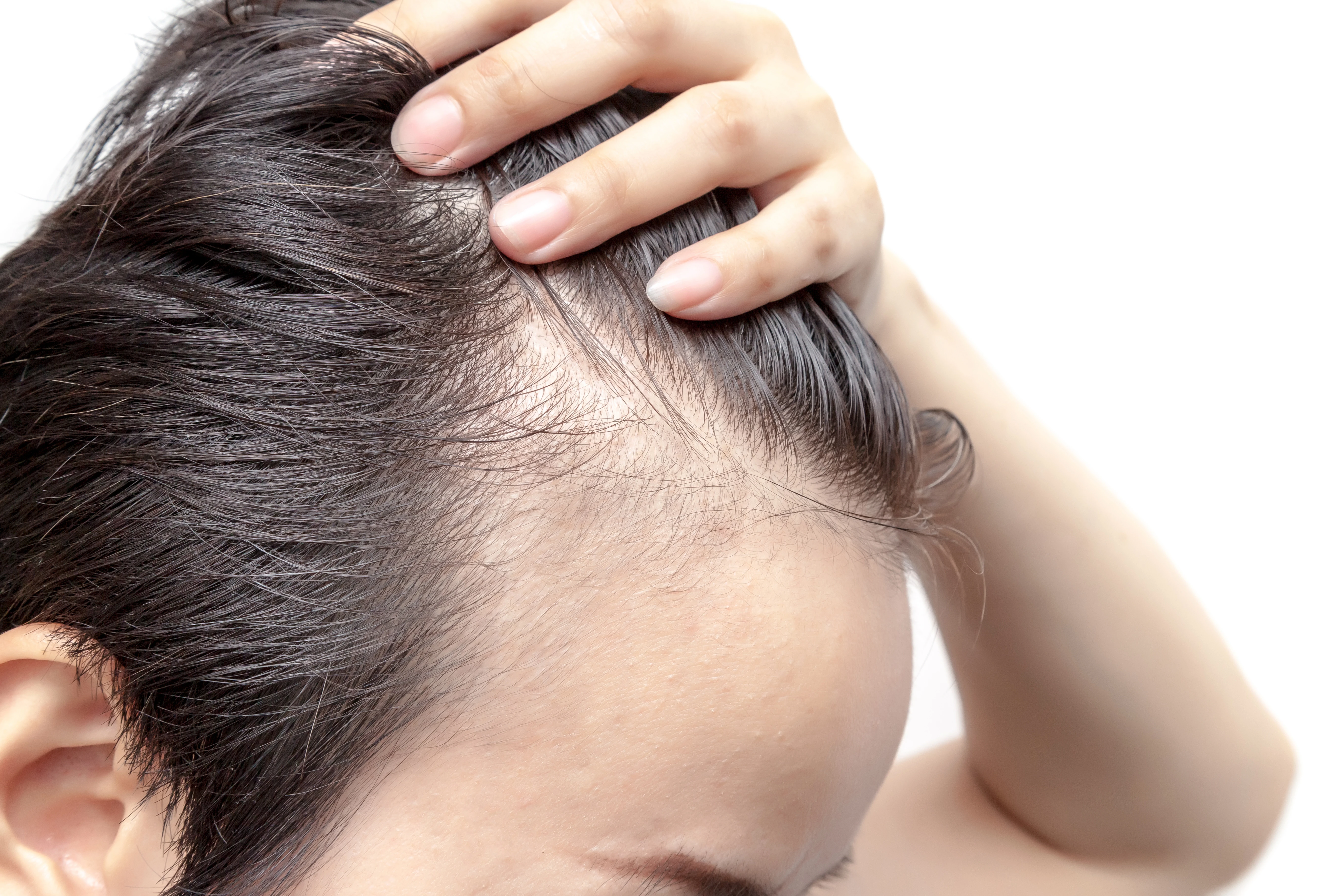
Hair loss is far more common and earlier than most people think. By 2025, research shows that up to 80% of men and 50% of women would have experienced some form of pattern hair loss in their lifetime, with millions noticing changes as early as their 20s and 30s. The good news? Treatments have evolved rapidly.
In 2026, hair restoration is no longer a one-size-fits-all solution, but a growing field of targeted therapies and hair transplant solutions designed to slow, stop, and even reverse hair loss. Treatments now go far beyond traditional solutions, offering you smarter, science-backed ways to support real, satisfying hair regrowth.
Confirm Your Hair Loss Type (Pattern vs Shedding vs Patchy vs Scarring)
Before choosing any treatment, the most important step is to understand why your hair loss is happening. Not all hair loss is the same, and treating the wrong type can delay results or even worsen the condition. At leading clinics, diagnosis is always the foundation of a successful treatment plan. By identifying your specific hair loss type early, specialists can recommend targeted solutions that deliver safer, more predictable outcomes.
Types of hair loss include:
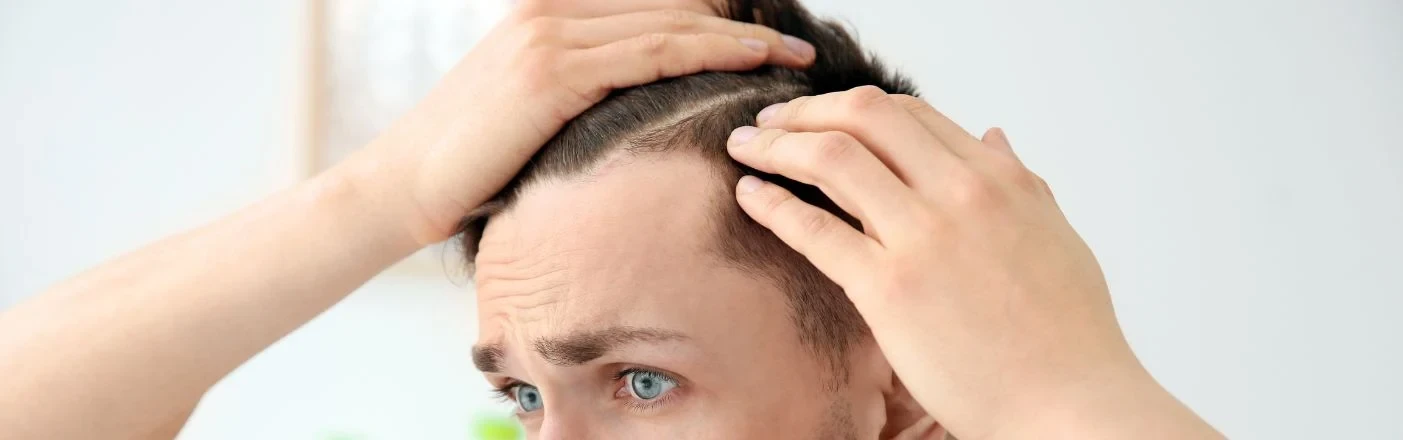
- Pattern Hair Loss (Androgenetic Alopecia): The most common form of hair loss in both men and women, which develops gradually over time and typically presents as a receding hairline, thinning crown, or overall density loss.
- Shedding (Telogen Effluvium): Marked by sudden, excessive hair fall, especially after stress, illness, weight loss, or hormonal changes, with temporary shedding, and is usually reversible.
- Patchy Hair Loss (Alopecia Areata): Characterized by round or uneven bald patches, this type of hair loss is linked to an autoimmune response and can affect the scalp, beard, or eyebrows.
- Scarring Hair Loss (Cicatricial Alopecia): This is a less common but more serious condition that is caused by inflammation that permanently damages hair follicles. Early diagnosis is vital, as hair cannot regrow once follicles are destroyed.
At-Home Hair Loss Clues
It’s important to consider that not every change signals permanent hair loss; many causes are temporary and highly treatable. While a professional diagnosis is essential, there are early signs you can observe at home that may help indicate the type of hair loss you’re experiencing. These clues are often the first step before a more detailed consultation.
- Gradual Thinning in Specific Areas: If observed in the hairline or crown, this often means it’s pattern hair loss.
- Sudden, Excessive Shedding: If hair fall occurs in the shower or on your pillow, this may indicate temporary shedding.
- Round or Patchy Bald Spots: These hair losses can suggest an autoimmune-related condition.
- Itching, Redness, or Discomfort: These signs of inflammation or a more complex scalp condition
Tip: To gauge hair shedding, try the ‘pull test’. Gently tug a small section of hair to gauge excessive hair fall, which can then signal if seeking expert advice is needed.
Hair Loss Tests Your Doctor May Order
To confirm your cause of hair loss and design a personalized treatment plan, a specialist may recommend certain tests to assess the hair loss type and nature of the progression.
Common hair loss tests include:
- Blood Tests: These will check for hormonal imbalances, thyroid function, iron levels, and nutritional deficiencies.
- Scalp Examination (Trichoscopy): This utilizes magnification to assess follicle health and hair density.
- Hair Pull or Wash Tests: Incorporating gentle tugging or movement to measure active shedding.
- Scalp Biopsy: A small sample of scalp skin is extracted under local anesthetic to examine hair follicles and identify underlying or scarring conditions.
First-Line Hair Loss Treatments With the Strongest Evidence
With so many products and solutions on the market, it can be difficult to know what truly works, as not all hair loss treatments offer the same level of effectiveness. Regrowth treatment for hair plans are built on methods proven to deliver consistent, measurable results. First-line treatments are most commonly recommended by specialists due to their strong clinical evidence and form the foundation of most successful hair restoration plans, either used alone or in combination.
Minoxidil
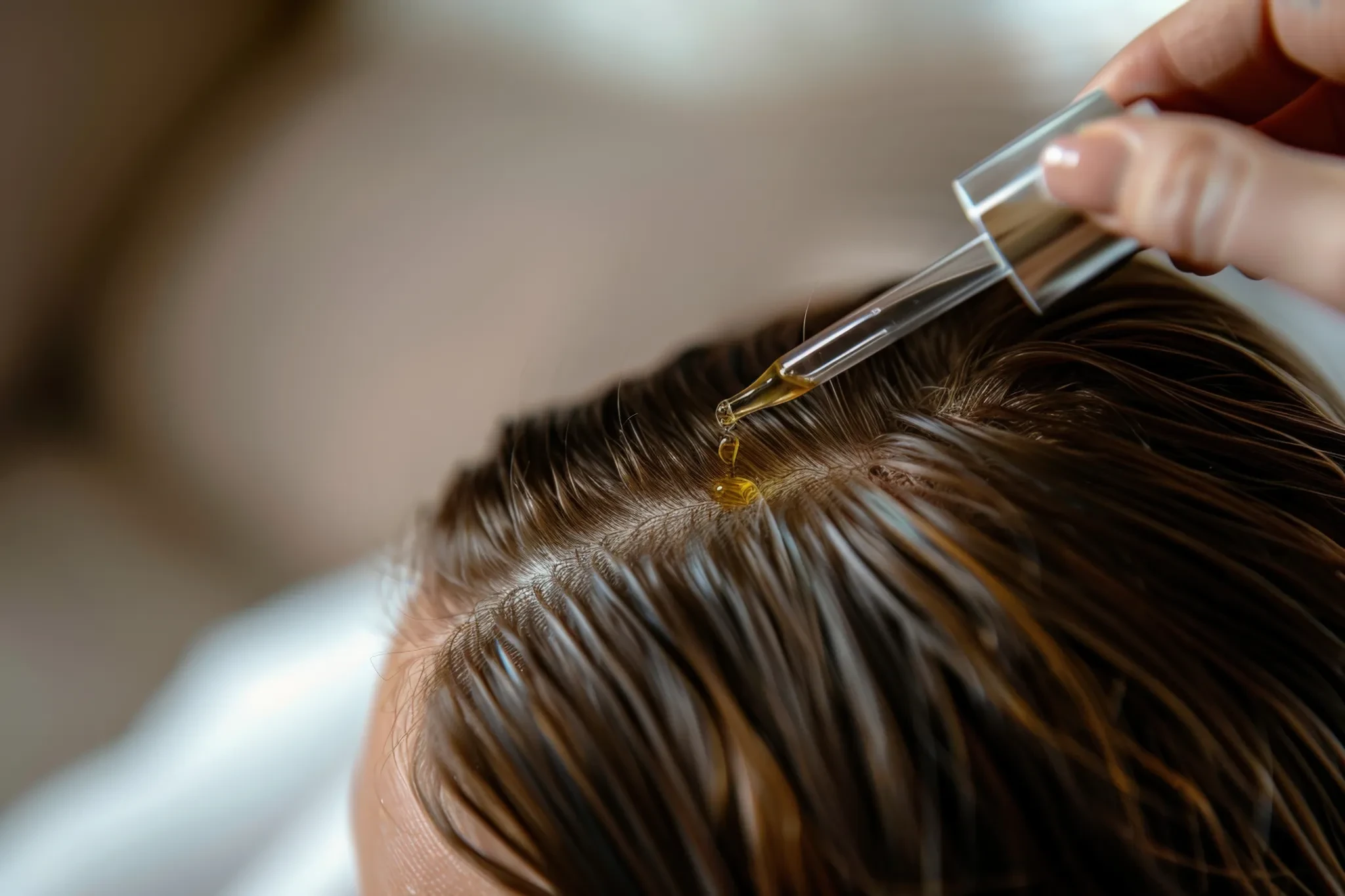
Minoxidil is a widely trusted, clinically backed treatment available as a solution or foam. It is applied to help stimulate hair growth by improving blood flow to the scalp, prolonging the hair growth phase, and is best suited to the early stages of thinning. It is applied daily and works progressively over time, with visible improvements typically beginning after 3–6 months.
DHT/Hormone Blockers
Dihydrotestosterone (DHT) blockers help prevent hair loss by reducing the DHT hormone, which causes hair follicles to shrink and is overall responsible for pattern hair loss. By reducing DHT levels, they help slow hair loss and, in some cases, promote regrowth. These treatments are typically used long-term, are most effective when started early and are often prescribed as part of a comprehensive treatment plan.
Finasteride
Finasteride is an oral medication that blocks the conversion of testosterone into DHT. It is most effective in men with early to moderate thinning, helping to slow hair loss and, in many cases, stimulate regrowth. Consistent daily use is essential, and results typically appear after 3–6 months.
Dutasteride
Dutasteride is also an oral medication which blocks both DHT Type 1 and 2, making it a more potent option than finasteride for slowing hair loss and promoting regrowth. It is typically prescribed for men with moderate to advanced pattern hair loss who have not responded fully to other treatments. Consistent daily use is required, and visible results usually appear after several months.
Note: Finasteride and dutasteride are considered some of the best hair loss treatment for men due to the specific hormone actions.
Spironolactone (For Women)
Spironolactone is an oral medication that helps block androgen hormones, a common cause of hair thinning in women. It is most effective specifically for women experiencing pattern hair loss along the scalp or widening part lines and can safely tolerate the hormonal effects. Whereas in men, spironolactone is not typically prescribed for hair loss because it can lower testosterone significantly, leading to side effects such as decreased libido and erectile dysfunction.
Due to its targeted action, it is considered one of the best hair loss treatment for female. Regular, ongoing use for women is necessary, and results typically become noticeable after several months of consistent treatment.
Add-On Therapies for Hair Thinning and Regrowth
In addition to first-line treatments, a range of complementary hair thinning treatment therapies can enhance hair density, support follicle health, and optimize regrowth. These add-on options are often used alongside medications or transplants to address thinning hair more comprehensively. While results vary by individual, combining proven therapies with personalized care can improve outcomes and help maintain long-term hair health.
PRP and Microneedling: Who It Helps and Typical Session Plans
PRP (Platelet-Rich Plasma) and microneedling are minimally invasive treatments that stimulate hair follicles, improve scalp blood flow, and encourage thicker, healthier hair growth.
These supportive treatments include:
- Platelet-Rich Plasma (PRP): Uses the patient’s own platelet-rich plasma, which is injected into the scalp to deliver growth factors directly to dormant follicles.
- Microneedling: Creates tiny controlled micro-injuries that trigger natural healing and promote hair regrowth.
These treatments are most effective for patients with early to moderate thinning, often used alongside first-line therapies to enhance results. Typical treatment plans involve a series of sessions spaced 4–6 weeks apart, with maintenance treatments recommended every few months for lasting benefits.
Low-Level Laser Therapy: What to Expect at Home
Low-Level Laser Therapy (LLLT) uses gentle, targeted red light to stimulate hair follicles, improve blood circulation, and reduce inflammation to encourage thicker hair growth. It is most effective for early to moderate thinning and can be used alongside other treatments for enhanced results. At-home devices typically require 15–20 minutes per session, several times per week, with consistent use over months needed to see visible improvement.
When a Hair Transplant Is the Best Hair Loss Treatment
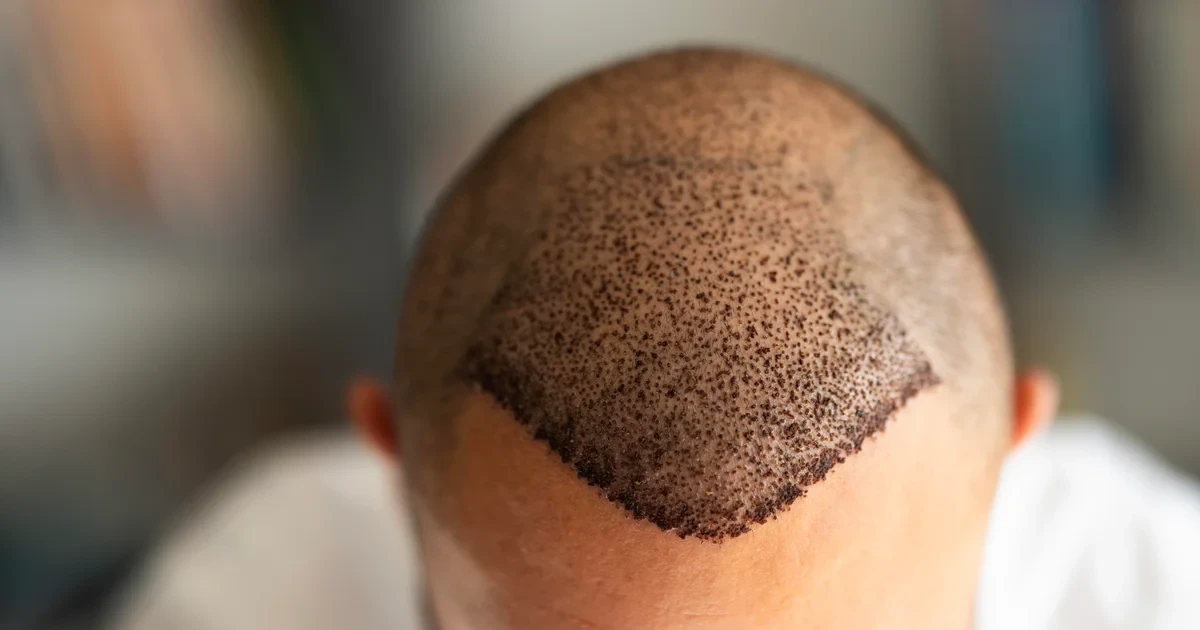
For advanced or stubborn hair loss, a hair transplant can offer a permanent and natural-looking solution when other treatments fail to cure hair loss. So, how do hair transplant procedures work? This surgical approach moves healthy follicles from donor areas to thinning or balding zones, restoring hair density and hairline shape. Personalized transplant plans make sure results are tailored to your hair type, scalp characteristics, and aesthetic goals.
Hair Transplant Options, Process, and Patient Considerations
Before committing to a hair transplant, it’s important to understand the options, process, and outcomes to make an informed decision. Whether you are exploring specific methods or procedures tailored for women, knowing how the transplant works, how long results last, and how many grafts you may need will help you understand your consultation better.
Effective hair restoration techniques include:
- Follicular Unit Extraction (FUE): An FUE Hair Transplant is a minimally invasive technique that extracts individual follicles for natural-looking results.
- Direct Hair Implantation (DHI): A DHI Hair Transplant allows precise placement of follicles for denser coverage and faster recovery.
- Hair Restoration for Females: For patients like women who have longer hairstyles and specific needs, women hair transplant in Turkey treatments are designed specifically to address unique female hairline patterns and thinning concerns.
Common Hair Transplant Questions: Longevity, Grafts, and Second Procedures
After exploring the types of hair transplant techniques and understanding how each procedure works, patients often have practical questions about outcomes. The hair transplant journey is as customizable as your needs require, and as such, your experiences will vary. Addressing these questions upfront helps set realistic expectations and supports informed decision-making.
Here are some resources designed to answer common hair transplant questions:
- Procedure Success and Longevity:
How long do hair transplants last? Understand the longevity of results and factors that influence permanent hair growth. - Number of Hair Follicle Grafts:
How many grafts are needed for a hair transplant? Learn how graft numbers are calculated for optimal coverage and natural density. - Repeat Treatments:
Can you have a second hair transplant? Discover when a second procedure may be necessary and how it is performed.
Supplements, Shampoos, and Natural Hair Loss Remedies
Alongside medical treatments and surgical options, many patients explore supportive therapies to improve scalp health and strengthen hair. Supplements, specialized shampoos, and natural remedies can help address nutritional deficiencies, reduce inflammation, and promote a healthier environment for hair growth. While these approaches are rarely sufficient on their own for significant hair restoration, they can complement first-line and add-on treatments for better overall results.
Deficiency-Driven Supplements
Certain vitamin and mineral deficiencies, such as iron, vitamin D, zinc, and biotin, can contribute to hair thinning and shedding. Supplementing these nutrients under a doctor’s guidance can help correct deficiencies and support healthy hair growth. While these are not standalone treatments for pattern hair loss, addressing nutritional gaps can enhance the effectiveness of medical and surgical therapies.
Ketoconazole Shampoo
Ketoconazole shampoo helps reduce scalp inflammation by inhibiting the fungus’s growth, allowing better chances for hair development to resume. It is often used alongside first-line therapies for pattern hair loss or thinning hair. With regular use, typically 2–3 times per week, it can improve scalp health and enhance the results of other treatments.
Hair Regrowth Timeline, Shedding, and How to Track Progress
Setting realistic expectations and staying motivated starts with understanding what to anticipate during your hair restoration experience. Hair regrowth occurs gradually, and patients often experience initial shedding, as weaker hairs make way for stronger ones. Additionally, as timelines will vary depending on the treatment used, keeping a progress tracker helps to document and assess your response to the treatments.
1–12 Month Hair Regrowth Milestones
Hair regrowth is a gradual process, and having insights on milestones helps track progress while keeping confidence and patience intact along the journey of quality, satisfying hair restoration.
Typical hair regrowth milestones and phases include:
- The First 1–3 Months: Many patients experience mild shedding of weak hairs.
- Between 3–6 Months: Early regrowth and increased hair density become noticeable.
- The Latter 6–12 Months: Often show significant improvement, with continued thickening and overall scalp coverage for most treatments.
Photo Tracking and Progress Monitoring
Common methods of tracking include taking regular photos for visual records. Best practices require taking consistent shots from the same angles, under similar lighting, and at regular intervals, typically every 4–6 weeks. Comparing these images, paired with logging measurements for quantifying hair development, allows both you and your specialist to monitor improvements, adjust treatments if needed, and stay motivated and on track.
Safety, Side Effects, and When to See a Specialist
While many hair loss treatments are safe and well-tolerated, it’s important to understand potential side effects and how to use each therapy correctly. Even over-the-counter options can cause irritation, shedding, or hormonal effects if used improperly, and surgical procedures carry additional considerations. Knowing when to seek professional guidance helps make treatments both effective and safe, while allowing any unexpected reactions to be addressed promptly.
Frequently Asked Questions (FAQ)
What is the most effective hair loss treatment for men?
The most effective options for men are those that target the root cause, typically DHT-related follicle shrinkage. Finasteride (to reduce DHT) and minoxidil (to stimulate regrowth) are clinically proven options and are widely considered first-line treatments. They are often used in combination and in conjunction with other treatments, like ketoconazole shampoo, for optimal results.
What are the best hair loss treatments for women with thinning hair?
The best treatments for women with thinning hair depend on the underlying cause but often include clinically proven options like minoxidil to stimulate regrowth and improve density. Additional therapies such as low-level laser treatment, PRP, and targeted supplements can support scalp health and enhance results. In some cases, prescription treatments like spironolactone may be recommended to address hormonal factors, with personalized plans delivering the most effective outcomes.
How long do minoxidil or finasteride take to work, and do you have to use them forever?
Ongoing use is recommended, as minoxidil and finasteride typically begin to show results within 3–6 months, with more noticeable improvements developing over 6–12 months of consistent use. These treatments work by maintaining and supporting active hair follicles, rather than permanently curing hair loss, and stopping treatment will lead to hair thinning resuming.
Does PRP or microneedling actually work for hair loss?
Yes, PRP and microneedling can work for hair loss, especially when administered in the earlier stages of thinning. Both treatments work by stimulating hair follicles, improving scalp circulation, and encouraging thicker, healthier hair growth. They are most effective when combined with first-line treatments; however, they cannot restore hair in areas where follicles are no longer active.
Can hair loss be reversed (or is it permanent)?
Whether hair loss can be reversed depends on the condition of the hair follicles and the underlying cause. In many cases, such as temporary shedding or early-stage thinning, hair can regrow with the right treatment and care. However, if follicles have been permanently damaged or inactive for too long, restoration may require advanced solutions like a hair transplant.
When is a hair transplant recommended instead of medication?
A hair transplant is usually considered when thinning has advanced, there is little to no natural regrowth occurring, or when medication has caused any side effects. Treatments like minoxidil or finasteride are best suited to maintaining and improving existing hair, but they have limited impact on fully depleted areas. When visible gaps or a receded hairline need to be restored, a transplant can provide a more definitive and lasting solution.