Best Age for Hair Transplant: When is the Right Time?

Deciding when to have a hair transplant is a common question for anyone experiencing hair loss. While it was once associated with people in their 40s and older, research shows that up to 47% of individuals aged 18-34 years old may already notice hair thinning, with cases rising considerably between ages 21-25. As such, the right age for hair transplant is not so straightforward, as it depends on individual patterns and the progression of hair loss.
Knowing when to take the first step can help you develop a treatment plan, accompanied by your expert consultant, to support immediate improvement and long-term hair stability for more natural, long-lasting results.
What is the Best Age for a Hair Transplant?
There is no single good age for hair transplant, as the ideal timing varies from person to person. While you may consider consulting on treatments and solutions when hair concerns become noticeable, the decision is based on how stable the hair loss is and the likelihood it will progress over time. Shifting the focus from 'when' to 'how,' rather than age alone, allows for a more thorough assessment to determine the right timing for balanced and sustainable outcomes.
Why Hair Loss Stability Matters More Than Age
While age is often the first factor many patients consider, hair loss stability is far more important for success than just the best age for hair transplant. If your hair loss is still actively progressing, transplanting too early can lead to uneven effects over time as the surrounding native hair continues to thin. Assessing signs of a consistent hair loss pattern and monitoring how it evolves allows surgeons to predict and design a treatment that will age well and remain balanced in the long term.
Key Criteria Surgeons Use Before Recommending a Hair Transplant
Before recommending a hair transplant, surgeons assess a combination of clinical and individual patient considerations.
This evaluation goes beyond visible hair loss, by evaluating factors such as:
- The underlying hair loss pattern
- Progression
- Overall hair health
- Stability of hair loss
- The strength and density of the donor area
- The extent of thinning or recession
- Your medical history
- Age-related factors
- Whether your expectations align with realistic transplantation outcomes
Hair Loss Diagnosis and Pattern
Accurate diagnosis is the first step in judging whether a hair transplant is appropriate. Different types of hair loss, such as pattern hair loss, diffuse thinning, or temporary shedding, require different approaches, and not all are suitable for surgical treatment. By ascertaining the distinguishable pattern of hair loss, surgeons can predict how it may progress over time and design a tailored transplant that ages well with you.
Donor Hair Strength and Density
The quality of the donor area, which is typically at the back and sides of the scalp, is a critical factor in gauging transplant success. Strong, healthy follicles with good volume provide the foundation for establishing natural-looking coverage in thinning areas. Surgeons will review the number of available grafts and the resilience of the hair for effective redistribution without compromising the donor region. Limited or weak donor hair may restrict the thickness potential and influence the overall treatment strategy.
Realistic Goals and Long-Term Planning
Setting realistic expectations is an essential part of planning a successful hair transplant. While the procedure can significantly improve concentration and appearance, it is designed to enhance existing hair rather than fully restore the original pre-loss density in every case. Planning for longevity is equally important, as surgeons must consider how hair loss may continue to progress over time and prepare your expectations if further thinning occurs.
Hair Transplant Age Guide: Early 20s
In the early 20s, hair loss is still likely to be in an active and unpredictable phase, which makes careful evaluation especially important before considering a transplant. At this stage, surgeons are markedly cautious, as treating hair loss too early can lead to uneven appearances if further thinning continues over time. As with most patients in this age group, you may start with non-surgical treatments and ongoing monitoring, while observing the pattern of hair loss before deciding on any major surgical routes.
Why Surgeons Often Recommend Waiting
As mentioned, surgeons will advise younger patients to wait until their hair loss pattern stabilizes before undergoing a hair transplant. This is because early intervention in an actively progressing condition can lead to uneven concentration over time as hair thins. Waiting allows for a more accurate assessment of sustained hair loss, so that the transplant plan remains balanced, sustainable, and authentic-appearing as you age.
What to Do Instead: Medical Treatment and Monitoring
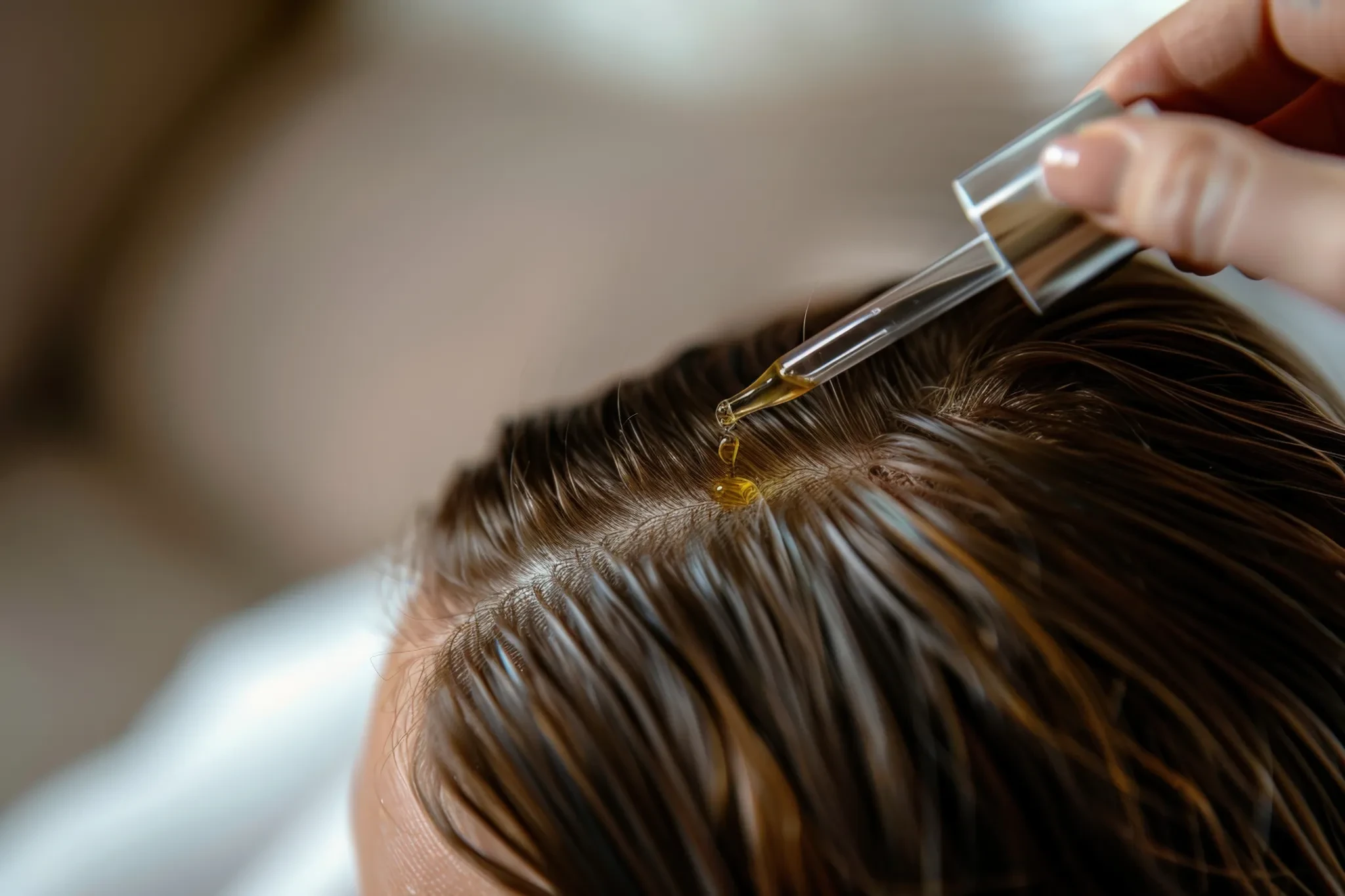
In situations where surgery is not yet recommended, the focus shifts to slowing down hair loss and preserving existing hair. Treatments such as topical or oral medications, scalp care routines, and targeted therapies can help support hair wellness and volume while the pattern of hair loss becomes clearer. Regular monitoring with a specialist is also important, as it allows changes in progression, and possibly stabilization, to be tracked over time.
Only when the time is right can a surgical plan be based on a well-understood foundation, and then determine your best age for hair transplant.
Hair Transplant Age Guide: Late 20s to Mid-30s
The late 20s to mid-30s is usually considered one of the most suitable timeframes for a hair transplant. Many patients would have transitioned from a 'proceed with caution' phase around ages 25-29, to becoming 'ideal candidates' at about ages 30-35+, provided their hair loss is stable, and the donor area is healthy. Only once the full extent of hair loss becomes clear can careful monitoring help surgeons assess progression and plan adjustments for future thinning.
Why This is Often the Best Age for Hair Transplant
This age range is considered more of an optimal age for hair transplant because the pattern and progression of hair loss is more traceable and identifiable. Surgeons can more accurately design the hairline and allocate grafts without the risk of early overcorrection or unpredictable future thinning. Patient patience is worthwhile, as surgeons can confidently offer well-informed treatment for organic-looking volume that blends your current needs and will age well over time.
Planning a Natural Hairline and Future Hair Loss
Hairline design can be as highly personalized as needed by taking into account facial structure, gender differences, and ongoing hair loss planning, especially for patients in their late 20s to mid-30s. This lasting approach helps maintain balance and avoids an overly aggressive-looking hairline that may look unnatural over time.
Hairline considerations include:
- Facial Structure and Balancing: Both play a major role in shaping the hairline and framing the face.
- Oval Faces: Tend to suit most designs.
- Round Faces: Can benefit from slightly higher, more defined hairlines.
- Square Faces: Are softened with rounded transitions.
- Heart-shaped Faces: Require balance across the forehead and temples.
- Longer Face Shapes: Customarily need a lower hairline to maintain proportion.
- Gender-specific Patterns: Men and women generally experience hair loss in different ways that require tailored planning.
- Male Hairlines: They are generally designed with future recession in mind, usually correcting a receded 'M' shape, and featuring a slightly higher or restrained shape to avoid looking artificial.
- Female Hairlines: Typically are softer, lower, and more rounded, with a focus on maintaining overall thickness rather than pronounced recession patterns.
- Hair Characteristics and Long-term Forecasting: These are important variables that will guide how the hairline is designed and will mature.
- Donor Hair Strength: This can limit achievable graft concentration.
- Existing Thinning Patterns: These offer insight into where thinning may continue.
- Natural Growth Direction: Each graft must be placed in alignment with the existing hair pattern for a seamless, realistic appearance.
Hair Transplant in Your 40s, 50s, and 60s
Hair transplant procedures can still be highly effective later in life, and with proper assessment, many patients in their 40s, 50s, and even 60s achieve excellent, convincing results.
The age phases may correspond to certain hair loss observations and approaches:
- In Your 40s: Hair loss is more commonly well-established, with clearer recession or thinning patterns, while the donor area is still quite strong enough for effective transplantation.
- By Your 50s and 60s: Hair loss is usually more advanced and stable, with reduced overall hair count per area and donor capacity, so treatment tends to focus more on subtle restoration and natural facial framing.
Why Age is Usually Not a Barrier
For older patients, there is no fixed hair transplant age limit, as surgeons focus less on age itself and more on whether you are a suitable candidate for surgery. This includes assessing overall health, scalp condition, donor hair strength, and whether hair loss has stabilized over time. Specialists will then focus on discreet hair revival and enhanced facial framing, and not so much on achieving maximum fullness.
Health and Donor Hair Quality Considerations
In older patients, overall health and donor hair quality are two of the most important factors in concluding suitability for a hair transplant. A strong donor area with stable, non-miniaturized follicles is essential for graft survival and far outweighs just the concern of the best age for hair transplant.
Additionally, grey hair does not prevent a successful hair transplant, as grey follicles remain healthy and continue to grow normally once transplanted. While reduced color contrast between hair and scalp may make thinning appear less noticeable, this is where careful assessment of uniformly grey or salt-and-pepper donor and recipient areas is necessary. Surgeons will need to design a result that blends naturally with your existing and future hair color changes.
Hair Transplant Techniques by Age and Lifestyle
The most suitable hair transplant technique is typically influenced not only by age, but also by lifestyle, hair loss pattern, and personal expectations for recovery and appearance. Different stages of life may require different priorities, such as speed of recovery, ability to conceal the procedure, or the level of coverage required. By tailoring techniques to both age and day-to-day lifestyle needs, surgeons can create treatment plans that feel more practical and discreet, while still meeting overall objectives.
FUE vs DHI vs FUT Hair Transplant Options
Hair restoration options have undergone various breakthroughs, advancing how hair transplant procedures work. FUE and DHI are the most commonly used modern hair transplant techniques, both offering effective yet minimally invasive approaches.
Main hair transplant methods include:
- Follicular Unit Extraction: An FUE Hair Transplant is generally preferred for its efficiency in treating larger areas of hair loss.
- Direct Hair Implantation: A DHI Hair Transplant allows for more precise placement, making it well-suited to detailed zones such as the hairline.
- Follicular Unit Transplantation: FUT is an earlier, more traditional method that involves removing a strip of scalp to harvest grafts; while it can achieve high graft numbers, it is less commonly used today due to its more invasive nature and linear scarring.
As for which hair transplant method is better depends on your age, hair loss pattern, and desired outcome.
Shaving and Recovery Considerations
Shaving requirements and recovery expectations can vary depending on the chosen technique, your age, and lifestyle needs. FUE typically involves shaving the donor area, and in some cases the recipient area; DHI, on the other hand, can be performed with partial or no-shave approaches in suitable candidates. Recovery is generally quick for both methods, with most patients returning to light activities within a few days.
Note: Older patients or those with medical considerations may require slightly more careful post-operative monitoring for optimal healing and graft survival.
What Happens if You Get a Hair Transplant Too Early
Getting a hair transplant too early, before hair loss has stabilized, can lead to results that do not age well over time. As the surrounding native hair thins, transplanted areas may begin to look uneven or unnatural, usually requiring further procedures to maintain balance. Premature surgery can also use up valuable donor hair that may be needed later, which can limit long-term planning options, making careful progression assessment essential before committing to treatment.
Unnatural Hairlines and Future Hair Loss
When a hair transplant is performed too early, there is a higher risk that the designed hairline may not suit future patterns of hair loss. Thinning may be most noticeable along temples, mid-scalp, and crown, which can create a visual mismatch if the hairline has been restored too aggressively or positioned too low. Naturally, men will likely develop further recession at the temples and thinning at the crown, while women are more likely to experience diffuse thinning along the part line.
If these changes are not anticipated, a previously restored hairline can begin to look disconnected from the surrounding hair.
The Risk of Multiple Surgeries
You may require additional procedures later on to maintain a balanced and natural appearance after premature treatments. As for whether can you have a second hair transplant, yes, you can. Further sessions would focus on adjustments to hair count or original hairline design.
Each additional procedure also relies on the availability of donor hair, which is finite and must be carefully managed over a lifetime. Without strategic planning, this can limit future options for consistent, convincing results across multiple stages of hair loss.
Pre-Transplant Checklist Before Hair Restoration Surgery
A thorough pre-operation assessment ascertains candidate suitability and elects which procedure could offer the best possible long-term outcome. This stage is essential for confirming hair loss stability and evaluating donor availability, as well as equalizing expectations with realistic results. Identifying any medical, lifestyle, or scalp-related factors that could influence healing and graft survival all contribute to a safer, more precise outcome.
Medications and Medical Evaluation
A successful outcome depends not only on optimal healing conditions and graft viability, but also on procedural safety. A medical evaluation is non-negotiable before undergoing a hair transplant, as it is vital to identify any underlying conditions that could affect the procedure or recovery. You will need to disclose your current medications, supplements, and medical history to avoid risks related to bleeding, healing, or anesthesia.
Note: Medications such as blood thinners or anti-inflammatory drugs may need to be adjusted before surgery under medical guidance, as they play a role in overall treatment safety, healing and recovery outcomes.
Photos, Hair Loss Tracking, and Long-Term Planning
Documenting your hair loss through progress photos and regular assessments helps you and your surgeons track visual hair loss differences and establish accurate evidence for informed decision-making.
Best tips for taking hair loss progress photos include:
- Using Consistent Lighting: Take photos in the same lighting each time (natural, diffused daylight is best) to avoid shadows that can exaggerate or hide thinning.
- Keeping the Same Angles: Capture front, top, sides, and crown using the same positions each time for accurate comparison.
- Maintaining the Same Distance: Stand the same distance from the camera, so changes in hair count density aren't distorted.
- Having Hair in a Natural State: Avoid styling products, wet hair, or brushing patterns that may artificially change how full your hair looks.
- Utilizing a Neutral Background: A plain background helps clearly show contrast between hair and scalp.
- Taking Photos Regularly: Monthly or every 2–3 months is ideal for tracking gradual changes.
Frequently Asked Questions (FAQ)
What's the minimum age for a hair transplant?
There is no strict minimum age for a hair transplant, but most specialists recommend waiting until at least the mid-20s. This allows time for hair loss patterns to stabilize, making it easier to plan natural, long-lasting results. In younger patients, early surgery may lead to uneven outcomes if hair loss continues to progress.
Is 25 too young for a hair transplant?
Age 25 is not necessarily too young for a hair transplant, but suitability depends on how stable the hair loss has become. If thinning is still progressing, early treatment may lead to uneven results over time as surrounding hair continues to recede. A proper assessment is essential to decide whether the timing is right for long-term success.
Why do some surgeons recommend waiting if you're in your 20s?
Surgeons will likely advise patients in their 20s to wait because hair loss is still developing and may not yet be stable. Performing a transplant too early can make it difficult to predict future thinning, which may affect long-term results. Waiting allows for more accurate planning and a more natural outcome over time.
Can you get a hair transplant in your 50s or 60s?
Yes, hair transplants can be successfully performed in your 50s or 60s, provided you are in good health and have sufficient donor hair. At this stage, hair loss is usually more stable, which allows for more predictable planning and natural-looking results. Suitability is determined by individual factors rather than age alone.
Do I need finasteride/minoxidil before (or after) a transplant?
Yes, combining finasteride tablets and topical minoxidil is often recommended before and after a hair transplant to help slow ongoing hair loss and protect existing, non-transplanted hair. While they do not affect the survival of transplanted grafts, they play an important role in maintaining overall density over time. Your doctor will advise whether these treatments are suitable based on your individual case.
How do I know if my hair loss has stabilized enough?
Hair loss is generally considered stable when there is little to no noticeable change in thinning or recession over a period of around 6–12 months. This may include a steady hairline, consistent thickness, and no ongoing rapid shedding. A specialist assessment is the best way to confirm stability before planning a transplant.