Best Time of Year for a Hair Transplant
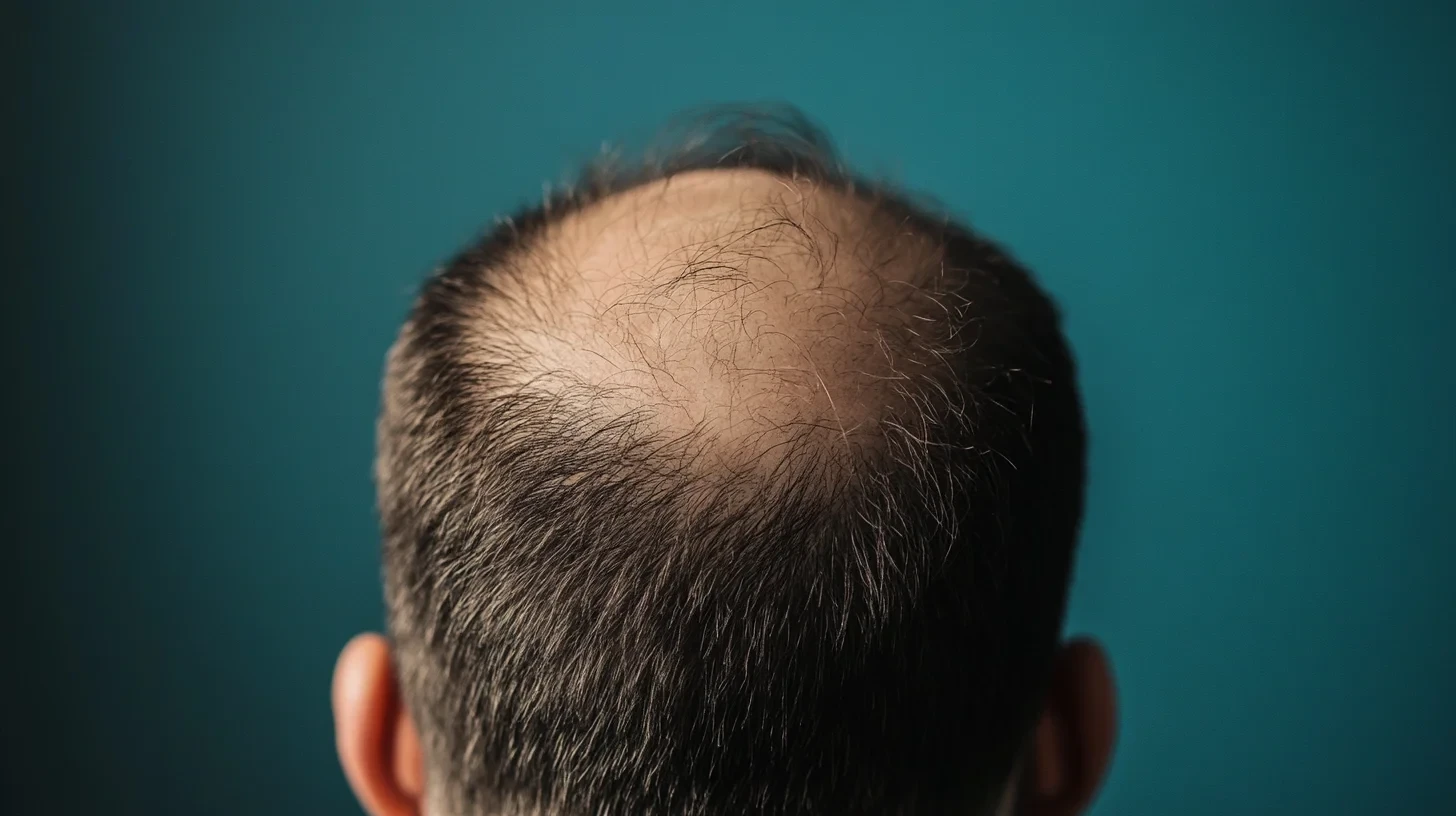
A hair transplant can be performed throughout the year because transplanted follicles do not depend on a particular season to survive, yet temperature, sunlight, sweating, travel plans, work schedules and recovery habits can make certain months considerably more convenient than others. So, is winter really the best time for a hair transplant, or can summer surgery work just as well? The differences between each season are explained below.
Is There a Best Time of Year for a Hair Transplant?
There is no single season that medically guarantees better hair transplant growth because healthy transplanted follicles can survive and develop successfully throughout the year.The operation takes place beneath controlled surgical conditions, while graft survival depends much more on careful extraction, handling, implantation, blood supply and postoperative protection than on the month shown on the calendar. Season still influences the experience around the procedure. A person who spends every summer outdoors may find winter recovery easier, while someone with a flexible indoor schedule could undergo surgery during warm weather without difficulty. The most practical season is therefore the one that allows the patient to follow recovery instructions consistently.
Does the Season Affect Hair Transplant Results?
Season alone does not determine whether transplanted hair grows successfully, although seasonal conditions can affect how easy it is to protect the scalp during early healing. New grafts need time to settle into the recipient area, and the first days require particular care with friction, direct sun, vigorous activity and unnecessary contact. These precautions apply in every season. Summer creates more challenges with sunlight and sweating, while winter introduces hats, cold wind and dry indoor air.Neither situation automatically damages a transplant when managed properly. Long-term results depend far more heavily on donor quality, graft placement, recipient-site design and individual healing than on whether surgery happens in January or July.
Is Winter a Good Time for a Hair Transplant?
Winter is often a convenient time for hair transplant surgery because people generally spend less time in strong sunlight and may find it easier to avoid outdoor heat during early recovery. This practical advantage explains why winter is frequently described as an attractive transplant season. The cooler environment can make the first postoperative days more comfortable for someone who normally sweats heavily in hot weather. Holiday periods and quieter work schedules can also create additional recovery time. Winter still requires planning, however. Tight hats cannot simply be placed over fresh grafts, and very dry heated environments can make the scalp feel uncomfortable. The season provides convenience rather than a biological growth advantage.What Are the Advantages of a Winter Hair Transplant?
Winter can simplify several aspects of early recovery because direct sunlight, heat exposure and outdoor social activity may be easier to limit. Possible advantages include:- Less intense ultraviolet exposure in many regions
- Lower risk of heavy sweating during normal daily activity
- Easier avoidance of beaches and outdoor pools
- More time spent indoors during early healing
- Greater clothing coverage during travel
- Convenient holiday periods for taking time away from work
- Less pressure to participate in outdoor sports
- Easier planning around sun-protection restrictions
- More discreet recovery for people who socialise less during winter
Is Summer a Bad Time for Hair Transplant Surgery?
Summer is not automatically a bad time for hair transplant surgery, but patients need to manage sunlight, sweating, swimming and outdoor activity more carefully during recovery. A person who works indoors and can temporarily avoid intense exercise may recover without major difficulty even during very hot months. Problems arise when the planned lifestyle conflicts with postoperative care.A summer transplant immediately followed by a beach holiday, long periods under direct sunlight, frequent swimming or strenuous outdoor exercise creates unnecessary challenges. The issue is therefore not summer itself. It is whether the patient can modify summer activities long enough for the scalp to heal safely.
Can Heat Damage Newly Transplanted Grafts?
Normal seasonal heat does not simply kill transplanted follicles, but excessive heat can make the early recovery period more uncomfortable and encourage sweating. The grafts sit within small recipient sites and gradually become secure as healing progresses. Ordinary warm weather does not cause them to melt, dry out internally or detach spontaneously.However, prolonged exposure to extreme heat may increase discomfort, swelling or perspiration. Activities that generate intense heat, such as sauna use or certain steam environments, are usually avoided during early recovery for this reason. Patients in hot climates can still undergo transplantation successfully by staying cool, limiting strenuous activity and protecting the scalp according to postoperative instructions.
Does Sweating Affect a Hair Transplant?
Sweating does not automatically destroy transplanted follicles, but heavy perspiration can irritate the healing scalp and often accompanies activities that should be limited during early recovery. Sweat contains salt and may create stinging or discomfort across fresh recipient sites. Heavy exercise also increases blood flow and physical movement while introducing the risk of accidental rubbing or impact.This makes excessive sweating more relevant during the earliest stage of healing. Gentle everyday perspiration in warm weather is different from an intense workout that leaves the scalp soaked. Instead of fearing every drop of sweat, patients should focus on avoiding strenuous activity and unnecessary heat until the scalp reaches the appropriate stage of recovery.
Can Sun Exposure Harm the Scalp After a Hair Transplant?
Strong direct sunlight should be limited after hair transplantation because the healing recipient area is temporarily more vulnerable to irritation and pigment changes. The newly treated scalp can remain red and sensitive after the procedure. Prolonged ultraviolet exposure during this period may make redness or discoloration more noticeable, particularly in exposed areas with short or shaved hair.Sun protection therefore matters regardless of the season. Summer simply makes prolonged exposure more likely because UV intensity and outdoor activity increase. Once appropriate head protection becomes safe, it can help during outdoor activity. Early in recovery, however, patients should follow specific guidance about when a hat can touch the transplanted area.
Is Spring a Good Time for Hair Transplant Surgery?
Spring can be an excellent time for hair transplantation because temperatures are often moderate and extreme summer sun has not yet become a daily problem. This makes walking, travel and routine postoperative appointments relatively comfortable in many climates. The season can also work well for patients who want the procedure completed several months before summer. By the time holiday season arrives, the scalp may be fully healed even though the final hair growth remains in progress. Spring is not perfect for everyone. Seasonal allergies can create sneezing or scalp irritation in some people, while increasingly sunny days still require UV awareness. As with every season, personal routine matters more than the label.Is Autumn a Good Time for a Hair Transplant?
Autumn is another practical period for hair transplantation because temperatures tend to become milder while strong summer sun and frequent outdoor activities begin to decrease. For many patients, autumn offers a comfortable middle ground between hot weather and the colder winter months. It can also align well with the hair transplant growth timeline.Someone undergoing surgery in autumn may complete the early shedding and initial regrowth stages during winter, with more visible development beginning as the following spring approaches. That timing can feel psychologically convenient, although it does not change follicular biology. The transplant would follow the same basic growth cycle if performed during another season.
Which Season Makes Hair Transplant Recovery Easier?
Cooler months often make recovery easier for patients who struggle with sweating and sun avoidance, but the easiest season ultimately depends on lifestyle and climate. Someone living in a mild coastal region may experience little difference between seasons. Another person living in an extremely hot climate might find summer postoperative restrictions much harder to follow. Likewise, very cold regions introduce different issues such as heavy headwear and freezing outdoor temperatures. The best recovery period is usually one in which the patient can spend the first days calmly, avoid demanding travel, postpone intense exercise and keep outdoor exposure controlled. Convenience can matter more than weather itself.Does Cold Weather Affect Hair Transplant Healing?
Normal cold weather does not prevent transplanted follicles from healing because scalp blood flow and tissue repair continue despite seasonal temperature changes. The larger concern is exposure rather than cold itself. Strong wind can make the scalp uncomfortable, while very cold conditions may encourage patients to wear heavy hats before the recipient area is ready for contact. Indoor heating can also reduce humidity and make skin feel dry. These issues are manageable and do not make winter transplantation unsafe. Patients should simply avoid exposing a recently treated scalp to extreme environmental conditions for long periods and follow instructions about washing, moisturising and when headwear can be used.Can You Wear a Hat After a Winter Hair Transplant?
A hat can usually be worn after the grafts have reached a suitable stage of healing, but putting tight headwear directly over fresh transplanted follicles too early can create unnecessary friction. This becomes particularly relevant for winter procedures because patients naturally want to protect their heads from cold weather. A loose hat that does not touch or compress the recipient area may sometimes become appropriate earlier than close-fitting headwear, depending on the postoperative stage. The important issue is contact with the grafts rather than the outside temperature. Planning indoor transport and limiting prolonged outdoor exposure during the earliest days can reduce the need to place anything over the scalp prematurely.Does Seasonal Hair Shedding Affect Hair Transplant Timing?
Seasonal increases in natural shedding do not usually prevent hair transplantation because normal variation in hair cycling is different from progressive follicular hair loss. Some people notice more hair in the shower or brush during particular parts of the year. This does not necessarily mean donor follicles are becoming unsuitable for transplantation. A significant change in density should still be evaluated carefully.If heavy diffuse shedding begins before surgery, it may represent telogen effluvium or another active condition rather than ordinary seasonal variation. In that situation, understanding the cause becomes more important than keeping the original surgery date, because transplantation works best when the pattern of loss has been properlyassessed.
Should You Avoid a Hair Transplant Before a Holiday?
A hair transplant should not be scheduled immediately before a holiday that involves swimming, intense sun exposure, heavy exercise or a demanding travel itinerary. The early postoperative period requires a degree of predictability. A relaxed city trip with adequate rest creates a very different situation from a tropical beach holiday involving daily swimming, speedboats and hours in direct sunlight. Long travel also increases opportunities for accidental head contact, disrupted sleep and difficulty following the washing routine. Patients should treat the transplant as a surgical procedure rather than something to squeeze between holiday activities. Building a recovery window into the calendar makes the entire experience easier.How Much Time Should You Leave Before a Beach Vacation?
A beach holiday should generally be separated from hair transplant surgery by enough time for recipient sites to heal and for restrictions on swimming, direct sun and strenuous activity to ease. Important activities to consider include:- Swimming in the sea
- Swimming in chlorinated pools
- Prolonged direct sunlight
- Wearing tight caps or helmets
- Heavy sweating
- Water sports
- Diving
- Beach volleyball or other strenuous exercise
- Long outdoor excursions
- Applying unfamiliar products to the healing scalp
Does Travel Season Matter When Planning a Hair Transplant?
Travel season can influence cost, convenience and stress, particularly for patients flying internationally for hair transplant surgery. Peak summer holidays and major festive periods may mean more expensive flights, crowded airports and limited hotel availability. Travelling during quieter months can make the medical trip easier to organise. Weather at the destination also matters. Someone travelling from a cool country to a very hot location may need to adapt quickly to heat while recovering from surgery. Conversely, winter travel can introduce delayed flights and harsh weather. These factors do not change graft biology, but reducing unnecessary travel stress helps patients focus on recovery and postoperative care.Should Work and Social Plans Influence the Surgery Date?
Work and social commitments should influence the surgery date because visible redness, crusting, swelling and temporary shaving can make some patients prefer several quiet days away from professional or social obligations. Someone who works remotely may have far more scheduling flexibility than a person who meets clients face to face every day. The same applies to weddings, public events, important meetings or photography. Hair transplantation does not produce an immediate cosmetic result. The implanted hairs commonly shed before new growth begins, so scheduling surgery shortly before an event will not create fuller hair for that occasion. Planning around the recovery appearance is usually more useful than planning around a particular season.What Should You Consider When Choosing Your Hair Transplant Date?
The best hair transplant date is one that provides enough recovery time and does not force the patient to compromise postoperative care because of work, travel or lifestyle commitments. Useful considerations include:- Available time away from work
- Upcoming weddings or major events
- Planned beach holidays
- Outdoor sports schedule
- Local summer temperatures
- Strong seasonal sun exposure
- Winter headwear requirements
- International flight prices
- Ability to attend postoperative checks
- Existing scalp conditions
- Current hair shedding pattern
- Medication planning
- Convenience of sleeping and washing routines