Dubai to Istanbul for a Hair Transplant
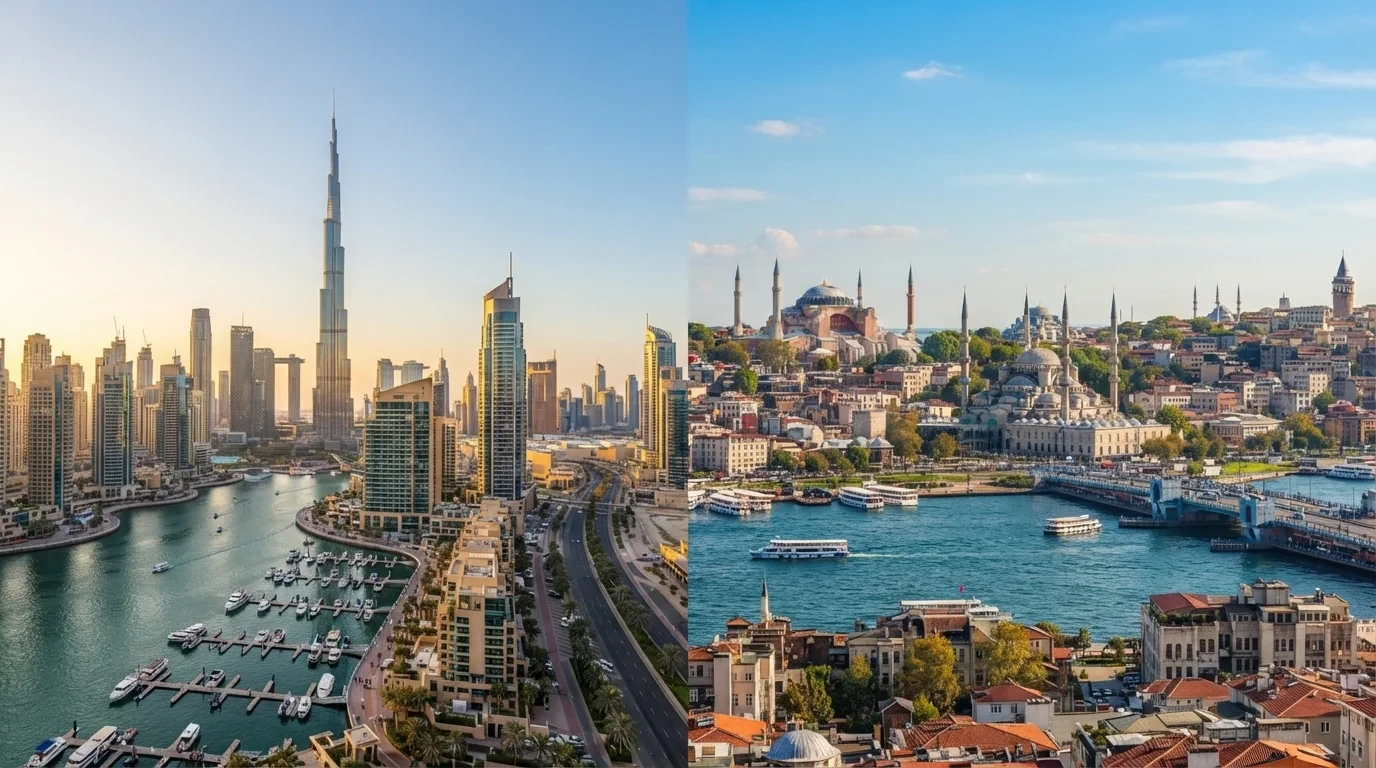
Why Do People Travel From Dubai to Istanbul for Hair Transplants?
Istanbul has become a familiar destination for people considering hair restoration abroad, including residents of Dubai and other parts of the United Arab Emirates. Its established medical tourism infrastructure, international flight connections and packaged treatment arrangements make it possible to organize surgery within a relatively short trip. Cost is often part of the decision. Hair transplantation in Istanbul may offer a lower overall price than certain options in Dubai, particularly when accommodation and airport transfers form part of the treatment package. However, an attractive price should be assessed alongside medical authorization, surgical planning and the availability of postoperative support. Convenience is another consideration.Direct flights allow patients to travel between the two cities without complicated connections, while a planned stay of several days can accommodate the procedure and an initial scalp examination before departure. For patients comparing Dubai and Istanbul hair transplant options, the objective should be to understand the complete treatment experience rather than focus exclusively on the advertised surgical price.
Flights From Dubai to Istanbul: What Should You Know?
Direct flights between Dubai and Istanbul generally take around five hours, making the journey manageable for people planning a short medical trip. Flights operate between Dubai International Airport and Istanbul Airport, while other routes may serve Istanbul's Sabiha Gökçen Airport. The arrival airport matters because Istanbul is a large city, and traveling across it can add considerable time to the journey. A hotel located near the treatment facility may provide a more comfortable experience than accommodation selected solely for its proximity to tourist attractions. Before booking, confirm the exact airport, transfer arrangements and distance to the surgical facility.These details become especially important on the return journey, when patients may be managing swelling, scalp tenderness and medication. A direct return flight is generally more convenient than an itinerary involving connections. Fewer airport transfers reduce luggage handling, travel fatigue and the possibility of accidentally bumping the newly treated scalp.
Do Dubai Residents Need a Visa for Turkey?
Visa requirements depend on the passport a traveler holds, not simply on living in Dubai. United Arab Emirates citizens holding ordinary passports currently benefit from visa-free entry to Turkey for stays of up to 90 days within a 180-day period. Dubai is also home to residents of many different nationalities, and those travelers may face different entry requirements.A valid UAE residence permit does not automatically provide the same visa exemption available to Emirati citizens. Residents holding Indian, Pakistani, Bangladeshi or other foreign passports should check the requirements applicable to their nationality and intended purpose of travel before paying for a procedure. Some travelers may qualify for an electronic visa under specified conditions, while others may need to apply through a Turkish diplomatic mission. Passport validity should also be checked well in advance. Turkish travel guidance recommends having a passport valid for at least six months from arrival, and travelers should confirm that their UAE residence and return-entry documents remain valid for the journey home.
How Much Does a Hair Transplant in Istanbul Cost?
Hair transplant prices in Turkey are often advertised within a broad range of approximately $1,500 to $5,000. This provides an initial reference for budgeting, but it should not be treated as a fixed quotation or a guarantee that every necessary service is included. The planned graft count, transplantation method and services included in the package can influence the amount paid.FUE, Sapphire FUE and DHI may appear in different pricing categories, although choosing a more expensive technique does not automatically produce a more natural result. For Dubai residents, the complete budget should include return airfare, additional hotel nights, meals, travel insurance and any postoperative products not covered by the package. Exchange-rate charges and payment processing fees can also affect the final amount. A detailed guide to hair transplant costs in Turkey provides further context on treatment methods, graft requirements and common package inclusions. The most useful financial comparison considers the entire trip, including recovery arrangements, rather than comparing a Turkish package price with a Dubai procedure fee without accounting for travel.
How to Choose a Hair Transplant Provider in Istanbul
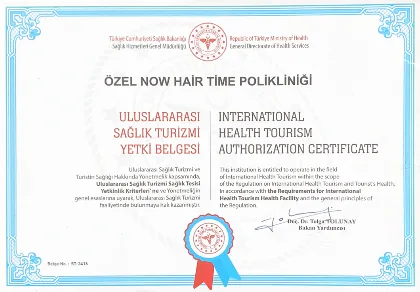
Selecting a provider should begin with verifying where the operation will actually take place. A recognizable website or extensive collection of before and after photographs does not establish whether a medical facility holds the appropriate authorization. Patients should identify the registered healthcare establishment, its treatment address and the physician responsible for the procedure. Turkey maintains official records of healthcare facilities authorized to provide international health tourism services, which offer a starting point for independent verification.It is also important to establish who will assess the donor area, design the hairline, perform the relevant surgical stages and manage postoperative concerns. These responsibilities should be explained before the patient travels rather than becoming clear only on the day of surgery. Photographic results deserve careful examination, particularly when evaluating hairline design and donor preservation. Images taken under similar lighting, from several angles and after adequate growth time provide more meaningful evidence than isolated transformations. A careful decision balances documented medical credentials, realistic treatment planning and accessible follow-up support.
Preparing for a Hair Transplant Before Leaving Dubai
An initial consultation can often begin remotely using photographs of the frontal hairline, crown and donor area. These images help establish the extent of visible thinning, although an in-person examination remains important for confirming the treatment plan. Patients should provide an accurate medical history, including existing conditions, allergies and prescription medication.Particular attention should be given to medicines that affect bleeding, previous reactions to anesthesia and any treatments already being used for hair loss. Medications should not be discontinued independently in preparation for surgery. Appropriate instructions should be obtained before traveling so that necessary adjustments can be discussed safely. Scheduling also matters. Leaving a full day between arrival and surgery provides time to recover from the flight, complete the final assessment and avoid arriving for a lengthy procedure after a disrupted night of sleep. Packing button-front clothing, comfortable footwear and lightweight luggage makes the postoperative journey easier. Clothing that does not need to be pulled over the head is particularly useful while the recipient area remains sensitive.
How Many Days Should You Stay in Istanbul?
A stay of approximately three to five days is practical for many international hair transplant patients. It provides time for consultation, surgery, early recovery and an initial postoperative check without requiring an extended absence from Dubai. A comfortable itinerary may involve arriving on the first day, completing surgery on the second and reserving the following days for rest and scalp care.The first postoperative wash is commonly scheduled during this period, allowing the patient to learn how to clean the recipient area before returning home. A three-day itinerary can be workable but offers limited flexibility if flights are delayed or additional assessment is necessary. Four or five days usually create more room for recovery and reduce the pressure to move directly from surgery to an international airport. Patients should avoid treating the visit as an intensive sightseeing holiday. Long walks, strong sunlight, excessive sweating and crowded attractions are better enjoyed before surgery than during the first days of healing.
What Happens During the Hair Transplant Procedure?
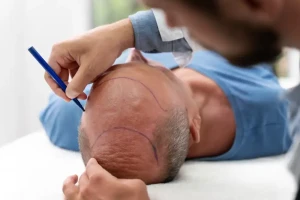
Most modern hair transplants involve extracting follicular units from the donor region and placing them into areas affected by thinning. The procedure generally takes several hours and is commonly performed under local anesthesia. With FUE, individual follicular units are extracted through small openings in the donor area. DHI refers to an implantation approach using specialized instruments, while Sapphire FUE typically describes the use of sapphire blades during recipient-site preparation.These techniques differ in certain surgical details, but they share fundamental requirements. The donor supply must be assessed carefully, grafts need appropriate handling, and the transplanted hairs should follow natural growth directions. A realistic hairline design also matters. Creating an unusually low or dense frontal border may use donor follicles that could otherwise support broader coverage or future restoration needs. Immediately after surgery, the scalp may appear red, and small crusts begin forming around the implanted follicles. These visible changes are expected during early healing and should not be confused with the mature hair transplant result.
Flying Back to Dubai After a Hair Transplant
Returning home after several days is manageable for many patients whose early recovery is progressing normally. However, the flight should be scheduled after the necessary postoperative assessment rather than forcing the medical appointments around a fixed departure time. During the journey, protecting the recipient area from accidental contact remains important.Overhead luggage compartments, aircraft headrests, crowded boarding lines and heavy bags can create avoidable difficulties when the scalp is still healing. Normal cabin pressure does not pull transplanted follicles from the scalp. Mechanical trauma is the more relevant concern, particularly during the first several postoperative days. Patients should keep prescribed medication and written aftercare instructions in their hand luggage. Staying hydrated and moving periodically when permitted can also support comfort during the approximately five-hour flight. Recent surgery and prolonged immobility can increase the risk of blood clots, particularly in people with additional risk factors. Anyone with a history of thrombosis or other relevant medical conditions should address flight-related precautions before traveling.
Hair Transplant Recovery in Dubai's Hot Climate
Returning to Dubai introduces environmental considerations that deserve attention during early recovery. The city's strong sunlight and high temperatures can make outdoor activity uncomfortable while the scalp is red, tender or healing. Direct sun exposure should be limited during the initial recovery period, and patients should follow postoperative instructions about suitable head protection. Tight hats and other accessories that press against newly implanted areas should not be used simply to conceal the visible signs of surgery. Sweating is another concern. Walking outdoors, exercising or spending time in poorly ventilated environments can increase perspiration and scalp discomfort.Although ordinary sweat does not automatically destroy transplanted grafts, excessive physical activity and unnecessary rubbing are best avoided during early healing. Dubai residents who regularly visit beaches, swimming pools, saunas or gyms should plan for temporary restrictions. Swimming and strenuous exercise generally need to be postponed while the surgical sites recover. Indoor air conditioning can make rest more comfortable, although maintaining a reasonable room temperature and following the recommended scalp-washing routine remain more important than attempting to create a special recovery environment.
Returning to Work and Managing Long-Term Follow-Up
Many patients with desk-based responsibilities can resume light work within several days, particularly when remote working is possible. However, visible crusting, forehead swelling and scalp sensitivity may make a full week away from demanding professional commitments more comfortable. Jobs involving physical labor, protective helmets or prolonged exposure to outdoor heat may require additional restrictions. Returning to work should not involve activities that repeatedly press against the transplanted region or expose healing skin to unnecessary trauma. Follow-up continues long after the flight to Dubai.Transplanted hair shafts commonly shed during the first several weeks, while new growth often becomes visible around the third or fourth month. Density gradually improves over subsequent months, with a more mature result commonly assessed around twelve months. Periodic photographs taken under consistent lighting can help document progress. Patients should also retain their surgical records and understand how to obtain medical care in Dubai if concerning symptoms develop. Increasing redness, significant pain, fever or unusual discharge requires prompt medical evaluation rather than waiting for a routine remote follow-up appointment.