Hidden Costs of Hair Transplant Packages
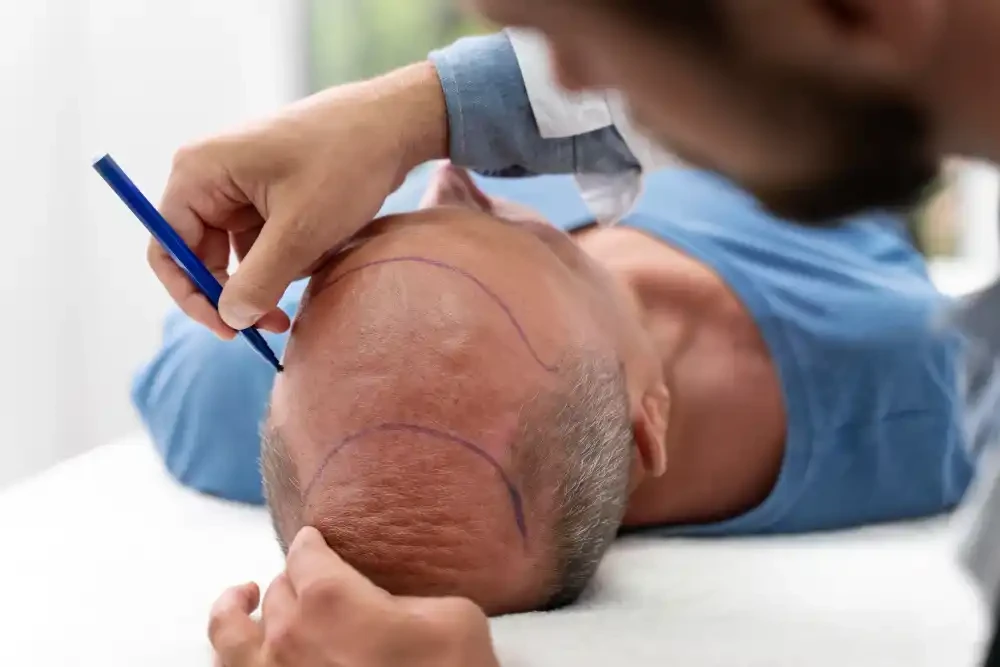
The hidden costs of hair transplant packages can extend beyond the advertised surgery price, including additional graft fees, travel expenses, postoperative medication and follow-up treatment. Understanding what a package actually includes helps patients compare their options accurately, avoid unexpected charges and plan a realistic budget for the entire hair restoration process.
Why the Advertised Hair Transplant Price May Not Be the Final Cost
A hair transplant package often looks straightforward at first glance. One advertised price may appear to cover the procedure, accommodation, airport transportation and basic postoperative care, making it easier to compare treatment options without calculating every expense separately. However, the advertised figure does not always represent the total amount a patient will spend. Some packages include only a specified number of grafts, while others exclude certain medical services or limit accommodation to a small number of nights. International flights and expenses incurred after returning home can increase the overall budget further.These differences become particularly important when comparing hair transplant in Turkey packages with domestic treatment options. A lower surgical price may still offer substantial savings, but the comparison is only meaningful when it accounts for the complete cost of treatment and recovery. The most reliable approach is to examine the services behind the price rather than assuming that every package described as comprehensive contains the same benefits.
What Does an All-Inclusive Hair Transplant Package Actually Include?
An all-inclusive hair transplant package generally combines the surgical procedure with selected services intended to make treatment more convenient. These may include the initial assessment, local anesthesia, routine blood tests, hotel accommodation, airport transfers, the first postoperative wash and basic medication. However, the meaning of all-inclusive deserves careful attention.A package offering two hotel nights differs from one providing four, even when both include accommodation. Similarly, a basic postoperative care kit may contain shampoo and lotion, while another package includes additional supplies intended to last several months. Some packages also offer platelet-rich plasma treatment, interpreting services or extended follow-up support. These additions can be useful, but their presence should be confirmed rather than assumed from the package name. Reviewing a detailed comparison of hair transplant package options can help patients understand how accommodation, postoperative supplies and supplementary treatments are organized within different service levels. The essential question is whether the listed services cover the patient's actual treatment and recovery needs, not simply whether the package contains an impressive number of features.
Extra Grafts and Surgical Technique Upgrades
One of the most significant potential expenses involves the number of follicular units included in the original quotation. Some hair transplant packages use fixed pricing, while others specify a maximum graft count or calculate charges according to the number of follicles extracted and implanted. If a package includes a limited number of grafts, additional coverage may result in extra charges. Patients should therefore understand whether the original price includes the entire planned procedure or only an initial estimate.The transplantation method may also influence the final amount. Standard FUE, Sapphire FUE and DHI can appear as separate package categories, sometimes with different equipment, implantation techniques and pricing arrangements. A higher-priced technique does not automatically produce a better cosmetic result. Donor hair availability, follicular distribution and appropriate hairline planning remain important regardless of the method used. Patients considering an unshaven procedure should also determine whether this option carries an additional charge. The convenience of preserving existing hair length may appeal to someone who cannot easily take time away from public-facing work, but it should be evaluated alongside the actual surgical requirements. Before accepting a quotation, patients should establish the planned graft range, selected technique and any circumstances that could change the agreed price.
Medical Tests, Anesthesia and Additional Treatments
Although many packages include routine preoperative blood tests and local anesthesia, additional medical services may appear as separate charges. These can include specialized investigations required because of an existing health condition or a requested form of sedation that falls outside the standard procedure. Anesthesia deserves particular attention. Hair transplantation usually takes place under local anesthesia, but patients considering additional sedation should understand whether it is included and whether a separate medical assessment is required. Optional treatments can also increase the total. Platelet-rich plasma sessions, supplementary scalp procedures and extended postoperative care products are sometimes promoted alongside transplantation, even when they are not part of the basic package.These services should not be purchased simply because they appear during a sales discussion. Their potential benefits, limitations and relevance to the patient's needs should be understood before agreeing to additional charges. A transparent medical quotation distinguishes the essential surgical services from optional additions, making it easier to evaluate whether an upgrade offers meaningful value.
Flights, Hotels and Transportation: The Travel Expenses People Overlook
International hair transplant packages frequently include airport transfers and a limited hotel stay, but flights are commonly excluded. Airfare can represent a substantial part of the overall budget, particularly for patients traveling long distances or booking during periods of high demand. Accommodation presents another potential expense. A package that includes three nights may not cover the entire stay if the patient arrives early, experiences a flight delay or needs additional recovery time before traveling home.The hotel arrangement itself also deserves attention. Breakfast may be included while other meals remain the patient's responsibility, and an accompanying family member may generate additional accommodation costs. Transportation should be examined with similar care. Airport pickup, hospital transfers and return transportation may be covered, but unrelated journeys, extra appointments or travel outside the arranged schedule might not be included. Patients planning treatment abroad can use a detailed guide to hair transplant costs in Turkey to understand how surgical pricing relates to accommodation, transportation and other practical expenses. A package becomes easier to assess when the travel arrangements are considered as individual services rather than one general promise of convenience.
Time Off Work and Other Indirect Hair Transplant Costs
Not every expense appears on a medical invoice. Taking time away from work can create a meaningful financial burden, especially for self-employed patients or employees who do not receive paid leave. The procedure itself may require only a short trip, but healing continues after returning home. People with office-based responsibilities may resume light work within several days, while jobs involving heavy lifting, considerable sweating or protective helmets can require a longer break.Additional costs may arise from changing work schedules, arranging childcare or asking someone to assist with travel. These expenses are easy to overlook because they are not directly connected to graft extraction or implantation. A realistic budget should consider the full period during which ordinary responsibilities may be affected. Choosing a package solely because the surgical price appears low can become less attractive if the travel schedule creates additional lost income or requires unexpected time away from work.
Postoperative Medication and Hair Care Products
The first few weeks after transplantation involve scalp cleansing, wound care and protecting the newly implanted follicles. Packages commonly include some postoperative medication and care products, but the quantities and duration of the supplied items may differ. Patients should find out whether the package covers all prescribed medication or only an initial supply. It is also useful to confirm whether additional shampoo, cleansing foam or other products will need to be purchased after returning home. Long-term hair loss treatment is another consideration. Transplantation redistributes existing follicles, but it does not necessarily prevent hereditary thinning in untreated areas. Some patients may therefore use ongoing medication to help preserve their remaining native hair.The cost of long-term treatment should be evaluated separately from immediate postoperative supplies. It would be misleading to assume that a hair transplant package automatically includes medication needed for many months or years. At the same time, expensive shampoos, supplements and cosmetic products should not be considered essential simply because they are offered after surgery. Their purpose and supporting evidence deserve scrutiny before they are added to the budget.
Follow-Up Appointments and Treatment After Returning Home
Postoperative support is an important part of the overall treatment experience, particularly for patients undergoing hair transplantation abroad. Many packages include remote follow-up through photographs, messaging or scheduled consultations, but those services do not necessarily cover in-person medical care. A patient experiencing persistent scalp pain, unusual swelling or suspected infection may need examination after returning home. Local appointments, diagnostic investigations and prescribed treatment can create additional expenses that were not included in the original package. The duration of remote support also matters.A few early postoperative messages are different from structured monitoring that continues while transplanted hair develops over several months. Patients should understand who will assess their photographs, how concerns are handled and what happens when an in-person examination is necessary. Written medical records and clear contact information make communication easier if additional care becomes necessary. Follow-up arrangements deserve as much attention as airport transfers or hotel quality because they become particularly valuable after the initial treatment trip has ended.
Complications and Corrective Surgery: Costs That Require Financial Planning
Hair transplantation is a surgical procedure, and complications can occur even when appropriate precautions are followed. Infection, prolonged inflammation, bleeding and wound-healing difficulties may require additional medical attention. These situations can also change travel arrangements. A patient who needs to postpone a flight or remain near the treatment facility for further assessment may face extra hotel costs, transportation expenses and airline change fees. Travel insurance should not be assumed to cover every medical expense. Standard policies may exclude complications associated with planned elective procedures, making it important to review the actual coverage terms before departure. A separate concern involves an unsatisfactory cosmetic outcome.Hair grows gradually, and the final result usually cannot be assessed during the first few months. However, persistent gaps or poor density after maturation may lead a patient to consider corrective treatment. A written revision policy should explain what qualifies for additional treatment, whether surgical charges are covered and who pays for new flights, accommodation or local examinations. A promise of future assistance is less informative when the financial responsibility remains unclear. The possibility of further surgery should never be treated as an expected part of every transplant, but understanding the policy beforehand prevents uncertainty if an additional procedure becomes necessary.
Deposits, Currency Exchange and Cancellation Conditions
Payment arrangements can introduce expenses that are not immediately visible in the surgical quotation. International transfers, foreign currency conversion and card transaction charges may increase the final amount paid. The currency used in the quotation deserves particular attention. If the treatment is advertised in one currency but charged in another, exchange-rate movements may affect the amount deducted from the patient's account. Deposits create another area of uncertainty.Before making a payment, patients should understand whether the deposit is refundable, whether rescheduling is permitted and what happens if surgery cannot proceed following the medical assessment. Financing plans also require careful evaluation. Monthly installments may make the procedure appear affordable, but interest, administrative charges and the repayment period can increase the total cost beyond the original package price. A clear payment agreement should identify the final amount, accepted payment methods, cancellation terms and circumstances under which additional charges may arise. These details are particularly important when arranging surgery several months before the intended travel date.
How to Compare Hair Transplant Packages Without Unexpected Expenses
Comparing packages becomes more reliable when each quotation is evaluated using the same set of expenses. Begin with the surgical price, then account for the graft allocation, treatment method, medical assessment, anesthesia and postoperative medication. Travel expenses should form a separate part of the calculation. Include flights, additional accommodation, meals, airport transfers and any costs associated with an accompanying person.The result provides a more accurate estimate than comparing the advertised surgical prices alone. The next consideration is what happens after treatment. Remote monitoring, local medical care, ongoing medication and possible travel changes can influence the total financial commitment. For example, a lower-priced package that excludes flights, several nights of accommodation and postoperative support may ultimately cost more than a higher-priced option that includes those services. The opposite may also be true when a patient can arrange travel independently at a lower cost. The most useful comparison therefore focuses on the total amount required to complete treatment and recover comfortably, rather than treating the smallest advertised number as the best value.
Building a Realistic Hair Transplant Budget
A practical budget should include confirmed expenses and a separate allowance for unexpected needs. This does not mean assuming that complications will occur, but it recognizes that international travel and postoperative recovery involve circumstances that cannot always be predicted. Patients should obtain an itemized quotation before committing to surgery.The document should identify the procedure, graft pricing arrangement, accommodation duration, transportation services, included medication, follow-up support and relevant cancellation conditions. It is equally important to clarify what the package does not include. Asking about exclusions often reveals more useful information than reviewing a long description of complimentary services. Maintaining financial flexibility can reduce the pressure to rush recovery, accept unnecessary upgrades or travel before feeling well enough. A well-planned treatment experience should leave room for practical decisions based on medical needs rather than unexpected financial limitations.