Joe Hart Hair Transplant
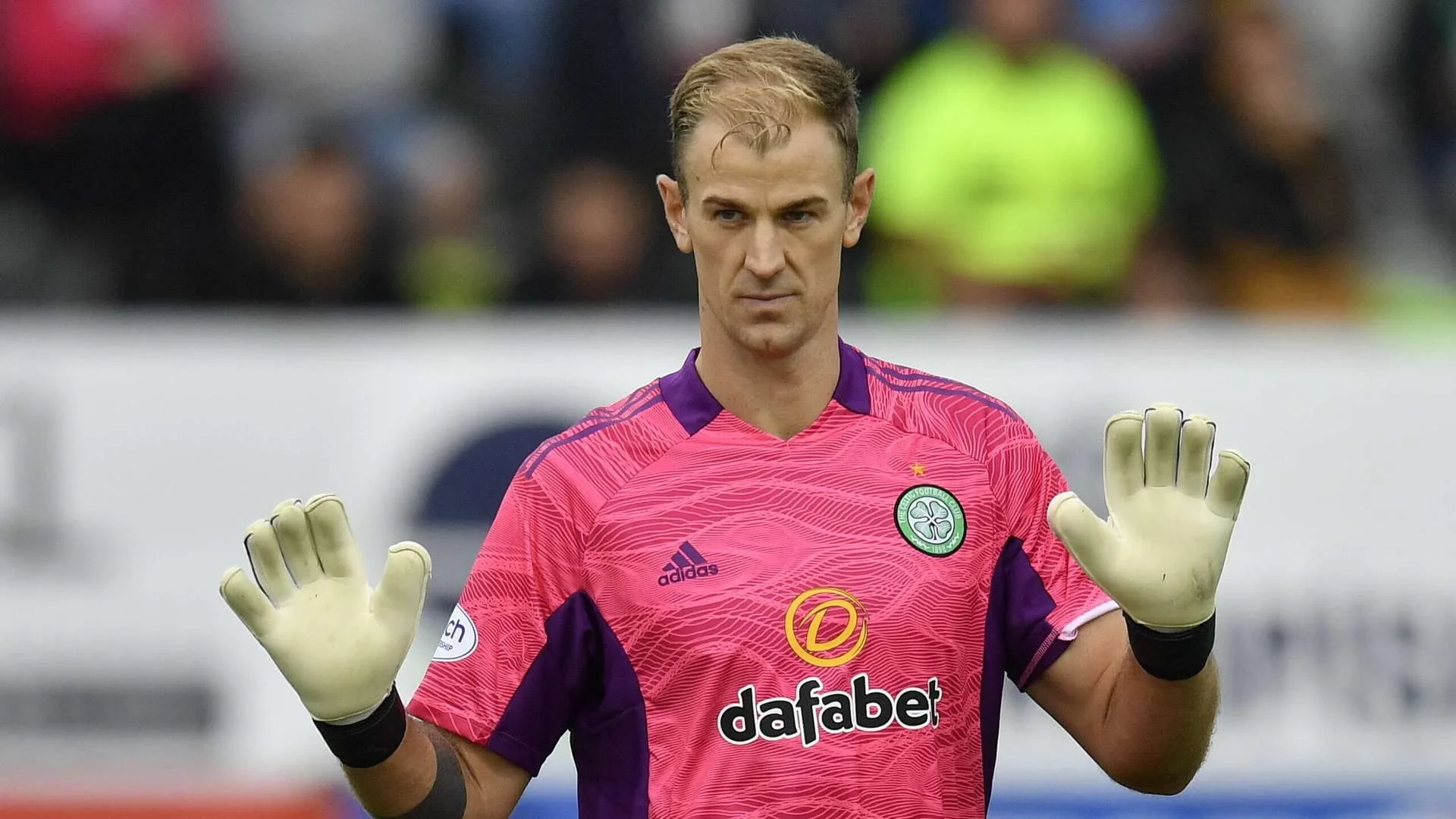
Joe Hart underwent an FUE hair transplant in May 2025, receiving approximately 2,500 grafts to restore his hairline and improve density across the frontal and middle sections of his scalp. The former England goalkeeper publicly confirmed the procedure in August 2026, providing insight into his decision, the treatment process and the results that had attracted attention during his television appearances.
Did Joe Hart Have a Hair Transplant?
Joe Hart's hair transplant is now a confirmed procedure rather than a matter of speculation. After more than a year of public discussion about his changing hairstyle, the former Manchester City and Celtic goalkeeper revealed that he had undergone follicular unit extraction, commonly known as FUE, in May 2025. His surgeon, Dr Furqan Raja, also shared information about the procedure in August 2026.The treatment involved approximately 2,500 follicular unit grafts, with an emphasis on restoring a natural frontal hairline and improving coverage through the middle of the scalp. Before this confirmation, much of the discussion relied on photographs showing Hart with different hair lengths and varying degrees of visible scalp. Those comparisons encouraged speculation but could not establish whether surgery had taken place. The subsequent disclosure provided a clearer account of his hair restoration journey, including the technique used and the areas targeted for improvement.
Why Did Joe Hart Decide to Have a Hair Transplant?
Throughout his professional football career, Hart was widely recognized for his short blond hairstyles and thick-looking hair. Years spent playing under powerful stadium lighting meant that changes in his appearance were frequently captured by cameras, often in conditions that make thinning hair more noticeable. Hart later explained that his hair had started thinning during his early thirties.Although hair loss had not prevented him from maintaining his usual appearance, he became increasingly conscious of the changes and wanted greater freedom over how he styled his hair. His retirement from professional football in 2024 also gave him more flexibility to consider a procedure that involved a visible recovery period. Unlike an active goalkeeper balancing training sessions and competitive matches, he had more opportunity to accommodate the early stages of healing. The decision was not simply about recreating a hairstyle from his younger years. Hart described wanting to feel more comfortable with his appearance and regain the choice to wear his hair short or allow it to grow longer.
When Did Joe Hart Get His Hair Transplant?
Hart underwent surgery in May 2025, following his retirement from professional football. The procedure attracted public attention several weeks later when he appeared with a closely shaved head during preparations for the Soccer Aid charity football match in June. The dramatic change from his familiar hairstyle prompted considerable discussion.Some viewers noticed a reddened appearance across parts of his scalp, while others questioned whether the shorter haircut was connected to hair restoration. At that stage, the photographs alone could not confirm the reason for his appearance. Shaving, lighting and temporary scalp irritation can all influence how a person's hair looks on camera. Hart continued appearing in public throughout the following year, including during his work as a football pundit. As his hair grew, viewers noticed changes in coverage and styling, but the procedure was not officially disclosed until August 2026. This timeline is particularly useful because it illustrates why a hair transplant cannot be judged from photographs taken only a few weeks after surgery.
What Hair Transplant Method Did Joe Hart Have?
Joe Hart received an FUE hair transplant, a technique that involves extracting individual follicular units from a donor region and implanting them into areas affected by thinning. The donor region is usually located along the back and sides of the scalp, where follicles often retain greater resistance to the processes responsible for hereditary hair loss.These grafts are transferred to carefully prepared recipient sites, where they can eventually produce new hair. Unlike strip harvesting, FUE does not require removing a continuous section of scalp tissue. However, the extraction process still creates small wounds and may leave tiny scars, making careful donor management important. FUE also does not automatically produce a natural-looking result. The positioning of the hairline, direction of implantation and distribution of follicular units all influence the final appearance. Hart's confirmed procedure demonstrates how FUE can be used to improve an existing hairstyle without requiring an entirely new or dramatically lowered hairline.
How Many Grafts Did Joe Hart Receive?
According to the publicly disclosed surgical details, Hart received approximately 2,500 grafts. His treatment concentrated on rebuilding the frontal hairline and adding density through the frontal and mid-scalp regions, with the distribution becoming more gradual toward the crown. A graft is not the same as a single hair. Each follicular unit may contain one or several strands, so 2,500 grafts can represent a larger total number of transplanted hairs. The visual effect also depends on the characteristics of the patient's existing hair.Strand thickness, color, curl and the contrast between hair and scalp can influence how much coverage a given number of grafts produces. For this reason, Hart's graft count should not be treated as a universal recommendation for men experiencing similar hairline recession. A smaller area with substantial existing hair presents different restoration requirements from extensive thinning across the entire upper scalp. The significance of his procedure lies less in the number alone than in how those grafts were distributed to create balanced coverage.
How Was Joe Hart's Hairline Designed?
One of the most interesting aspects of Hart's restoration is the emphasis placed on preserving a familiar appearance. His surgeon described reviewing earlier photographs to understand the shape and position of Hart's original hairline before planning the transplant. This approach matters because natural hair restoration does not always involve lowering the hairline as far as possible. A design that suits a man's facial proportions and age can look more convincing than a perfectly straight, unusually low border.The leading edge of a natural hairline also requires careful graft selection. Single-hair follicular units can create a softer transition, while grafts containing multiple hairs help build fuller coverage behind the frontal border. Hair direction is equally important. Strands implanted at inappropriate angles may become difficult to style, even when the number of grafts provides adequate density. The principles behind natural hairline design and forehead proportions help explain why a convincing transplant involves more than simply adding hair to an empty area.
Joe Hart Hair Transplant Before and After: What Changed?
Comparisons between Hart's earlier photographs and his public appearances in 2026 show why his restoration attracted attention. His familiar frontal outline remained recognizable, while his later hairstyle appeared to offer greater fullness through areas previously affected by thinning. However, photographs should be interpreted carefully. Hair length, camera angles, lighting and styling products can all influence the apparent density of the scalp, making it difficult to measure the surgical improvement from images alone. Short hair can be particularly revealing because individual strands provide less overlap. A closely cropped hairstyle may expose differences in density that longer hair would conceal, while bright studio lighting can make the scalp more visible.The most meaningful aspect of Hart's publicly documented result is that it can be considered alongside confirmed information about his surgery. Knowing the procedure date, technique and intended treatment areas provides a stronger foundation for evaluating the photographs than appearance-based speculation alone. His example also illustrates why a successful hair transplant should look convincing in ordinary movement, rather than only in a carefully arranged before and after comparison.
How Long Did Joe Hart's Hair Transplant Results Take?
Hart's procedure took place in May 2025, meaning his public appearances during the following months occurred at different stages of recovery. This is an important consideration because hair transplantation produces gradual changes rather than immediate, permanent density. During the first two weeks, small crusts and temporary redness may develop around the implanted grafts. Many transplanted hair shafts then shed during the following weeks, even though the follicles remain beneath the skin.New growth commonly begins around the third or fourth month. These early strands may initially appear fine or uneven, with more substantial coverage developing as additional follicles enter the active growth phase. Between six and nine months, the improvement often becomes easier to recognize, while hair thickness and texture can continue maturing through the first year and sometimes beyond. Hart's public confirmation came approximately fifteen months after his operation, giving the result considerably more time to develop than photographs from the early postoperative period. A detailed hair transplant recovery timeline and aftercare guide explains how the initial healing phase differs from the months needed for visible regrowth.
Why Does Joe Hart's Short Hairstyle Matter?
Hart's decision to wear his hair shorter after transplantation attracted attention because short hairstyles offer less opportunity to conceal thinning. With a longer haircut, strands can overlap and create the appearance of greater coverage, whereas closely cropped hair reveals more of the underlying scalp. He has explained that regaining flexibility was an important part of the result. Rather than feeling restricted to one hairstyle because of thinning, he wanted the option to wear his hair at different lengths.This reflects a practical goal shared by many men considering hair restoration. A transplant does not need to produce an unusually dense hairstyle to make a meaningful difference in how someone feels about their appearance. However, short haircuts also bring attention to donor-area quality. FUE leaves small extraction scars that can become more noticeable when the back and sides are shaved very closely. A well-considered restoration therefore needs to account for both the recipient area and the appearance of the remaining donor hair, particularly when the preferred style involves regular buzz cuts or fades.
What Can Joe Hart's Hair Transplant Teach About Long-Term Results?
Hart's experience highlights the value of restoring density while keeping the overall appearance consistent with a person's age and existing hairstyle. A dramatic reduction in forehead height is not always necessary to achieve a noticeable cosmetic improvement. His treatment also demonstrates the importance of placing grafts strategically.Follicles are a limited resource, and concentrating them in the areas that contribute most to facial framing can sometimes be more effective than spreading them thinly across every region affected by hair loss. Another consideration is the progression of native hair. Transplanted follicles may continue growing for many years, but surrounding hair can still thin if hereditary hair loss remains active. This means a successful restoration should be assessed beyond the initial cosmetic result. Preserving healthy donor hair and planning for possible future thinning are important even when the first procedure achieves satisfying coverage. Hart's reported improvement offers a useful example of what modern FUE transplantation can accomplish, without suggesting that identical results or graft numbers would be appropriate for every person.