Hair Restoration Abroad for British Patients
Hair restoration abroad can offer British patients access to different treatment options, surgical techniques and pricing arrangements, but choosing an overseas provider requires careful comparison. Understanding medical credentials, total costs, travel requirements and follow-up care helps patients evaluate their options before committing to a hair transplant outside the UK.
Why British Patients Consider Hair Restoration Abroad
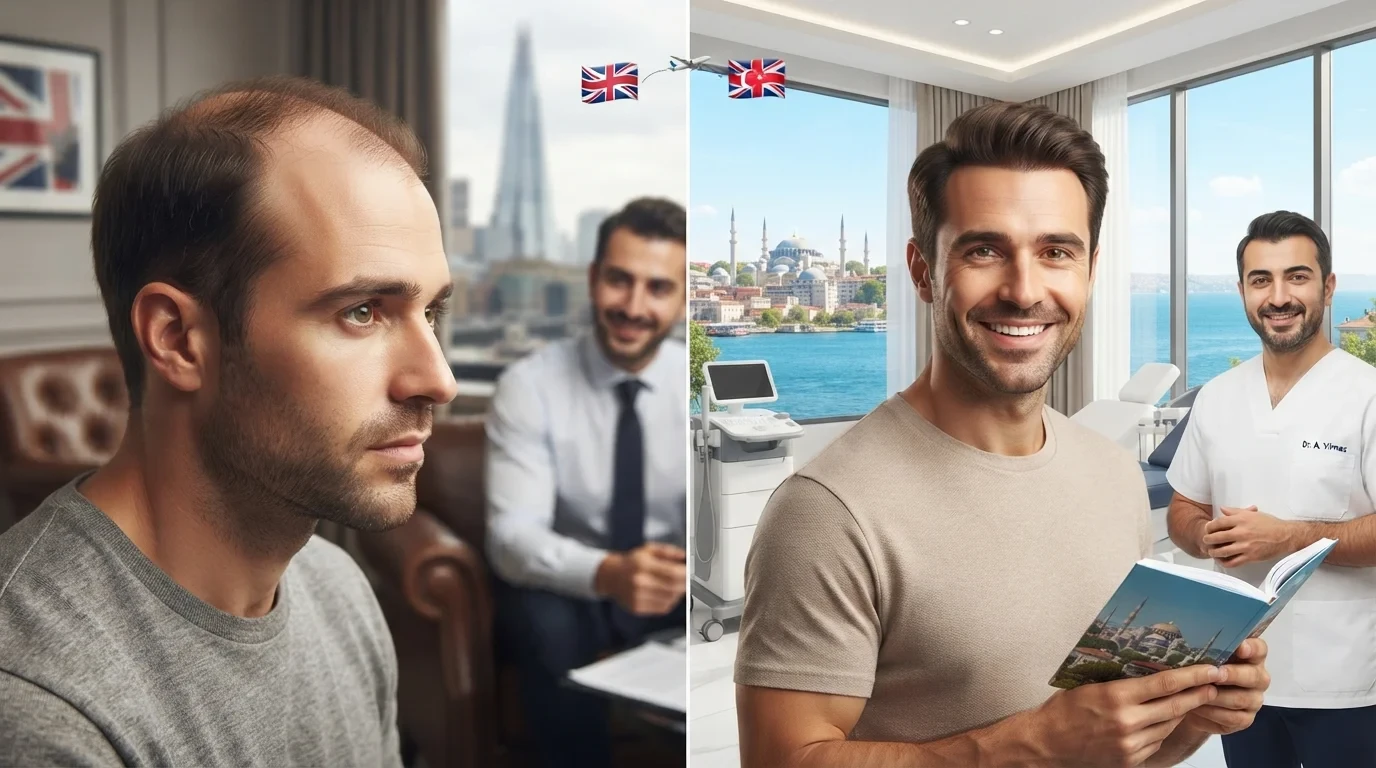
For many British patients, the decision to explore overseas hair transplantation begins with the difference between treatment prices at home and abroad. Turkey, in particular, attracts international patients through established hair restoration services, direct flight connections and packages that combine surgery with accommodation and transport.However, the advertised price rarely tells the complete story. Two packages can appear similar while including different levels of medical assessment, physician involvement, postoperative medication and follow-up support. A lower initial quotation may also become less attractive when flights, unpaid leave and unexpected expenses are included. The most useful comparison is therefore not simply the UK against Turkey or one destination against another. It involves examining exactly what the patient receives, how the surgical procedure is organized and what happens after returning home. These considerations matter regardless of whether the treatment is performed a few hours away or in another country.
Compare Medical Qualifications and Treatment Facilities
The first priority when assessing overseas hair transplant providers is establishing who will be responsible for the surgery. Patients should know the physician's full name, professional qualifications and experience in hair restoration before booking, rather than receiving this information only after arrival. The registered healthcare facility deserves the same attention.In Turkey, establishments providing international health tourism services must meet relevant authorization requirements, and patients can check registered facilities through official government records. Permission to provide international health tourism services should also be distinguished from authorization to operate the medical unit where transplantation takes place. A professional-looking website or a collection of certificates does not replace these checks. Quality management credentials may demonstrate that certain administrative processes have been assessed, but they do not independently establish surgical competence or guarantee graft survival. British patients should also confirm which medical tasks the physician personally performs and which responsibilities are assigned to other qualified healthcare personnel. Knowing who designs the hairline, creates recipient sites and supervises graft handling provides a clearer picture of the treatment than general claims about an experienced team.
Compare Consultations and Hair Transplant Planning
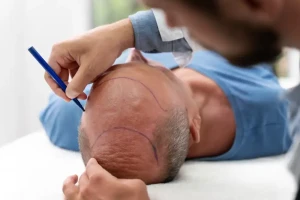
A meaningful consultation should establish the type of hair loss, examine the available donor supply and explain what level of restoration is realistic. This is particularly important for younger patients, whose existing hair may continue thinning long after the procedure. Initial consultations conducted through photographs can help determine whether further assessment is worthwhile, but images alone cannot establish every detail of scalp health or donor density.An in-person examination before surgery remains important, especially when the proposed treatment involves extensive graft extraction. The quality of the surgical plan deserves more attention than the size of the advertised graft count. A conservative hairline with balanced density may provide a more natural result than an aggressive design that consumes too much donor hair during one session. Patients should also expect an explanation of potential complications, alternatives and the possibility of future treatment. Pressure to secure an appointment immediately, without adequate discussion of these issues, should encourage further investigation rather than a rushed decision.
Compare FUE, DHI and Other Hair Transplant Techniques
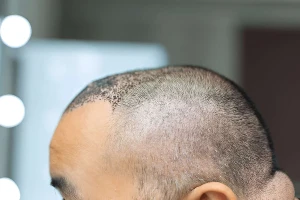
Hair transplant packages frequently emphasize the technique used, but the names of surgical methods do not explain the entire procedure. FUE involves extracting individual follicular units from a donor region, while FUT removes a strip of tissue that is divided into grafts for implantation. DHI generally refers to an implantation approach using specialized instruments.Sapphire FUE describes the use of sapphire blades during recipient-site preparation rather than a completely separate method of harvesting follicles. These distinctions affect aspects of the procedure, including donor scarring, wound healing and implantation technique. However, a premium-sounding method does not automatically produce greater density or better long-term coverage. The more important questions concern how many healthy follicles can be transferred, whether the donor region will retain a natural appearance and how the implanted hairs will blend with existing growth. British patients who prefer very short hairstyles should pay particular attention to donor scarring because extraction marks can become more visible when the back and sides are closely shaved.
Compare the Full Cost in British Pounds
A meaningful cost comparison begins with the complete amount a patient expects to spend, not the headline price displayed on a treatment website. UK treatment quotations and overseas packages may cover different services, making direct comparisons difficult without a detailed breakdown. An overseas budget should include the procedure, flights, accommodation, airport transfers, medication and any additional medical appointments. Meals, currency conversion charges and travel insurance can further increase the total, particularly when the visit extends beyond the nights included in the package. Patients should also establish whether the quotation covers the entire planned graft allocation.Some providers offer a fixed package price, while others charge according to graft numbers or offer surgical technique upgrades at an additional cost. The guide to hair transplant costs in Turkey explains common pricing structures and the services that may be included in international packages. Once every expense has been converted into pounds, the comparison becomes more realistic. A seemingly substantial saving should still leave enough financial flexibility to accommodate additional recovery time or unexpected medical needs.
Compare Travel Requirements and Time Away From the UK
Turkey is accessible from several British airports, which can make Istanbul a convenient destination for hair restoration. Nevertheless, travel arrangements should be planned around medical appointments and recovery rather than the cheapest possible flight schedule. British citizen passport holders can generally visit Turkey without a visa for tourism or business for up to 90 days within a 180-day period. However, planned medical treatment has specific entry guidance that should be checked with the relevant Turkish authorities before travel.Passports must also meet the applicable validity requirements, including an expiry date at least 150 days after arrival and at least one blank page. The length of the stay deserves careful consideration. Some hair transplant itineraries involve three to five days in Istanbul, allowing time for consultation, surgery and an initial postoperative wash. However, a short package itinerary does not establish that every patient will be medically ready to fly home on the same schedule. The article on how long to stay in Istanbul after a hair transplant provides additional context for planning the first wash, early recovery and return journey.
Compare Recovery Time and Fitness to Fly
Hair transplantation usually takes place under local anesthesia, but the scalp still needs time to recover from follicular extraction and implantation. During the first several days, patients may experience tenderness, redness, crusting and forehead swelling. Flying too soon can make recovery more difficult, particularly when the journey involves crowded airports, heavy luggage and prolonged periods of sitting. Air travel following surgery can also increase the risk of blood clots, especially in people with additional medical risk factors.The decision to travel should therefore reflect postoperative fitness rather than a fixed departure date. Patients should understand when their first scalp examination will take place and whether further observation is necessary before leaving the country. Returning to work presents another consideration. Someone with a desk-based role may resume light duties relatively quickly, while employment involving heavy lifting, protective helmets or substantial sweating may require a longer break. Planning annual leave around both the journey and the early healing period avoids unnecessary pressure to resume normal activities before the scalp is ready.
Compare Postoperative Care After Returning to Britain
Follow-up care is one of the most important differences between domestic and international hair transplantation. When surgery takes place in the UK, patients may find it easier to attend in-person appointments with the original medical team.After treatment abroad, most routine communication takes place remotely. Photographs and video consultations can help monitor ordinary recovery, but they cannot reliably assess every complication. Increasing pain, spreading redness, fever or unusual discharge may require an examination by a healthcare professional in Britain. Before travelling, patients should establish who will review their recovery, how quickly medical concerns can be addressed and whether the provider can assist when local treatment becomes necessary. Written postoperative instructions should explain scalp washing, activity restrictions, medications and the expected hair growth timeline. A complete medical record should also be obtained before departure, including information about the procedure, graft allocation and medications administered. These documents can be useful if a British healthcare professional needs to assess an unexpected problem. Routine follow-up or corrective cosmetic treatment after private surgery abroad should not be assumed to be available through publicly funded healthcare. Arranging appropriate support in advance provides greater continuity during recovery.
Compare Insurance, Complication Policies and Financial Protection
Standard travel insurance frequently excludes planned cosmetic surgery and complications arising from elective procedures. British patients should therefore review specialist insurance options and confirm the exact circumstances covered before travelling. The terms of any treatment guarantee require equally careful reading. A promise of free corrective surgery may exclude flights, accommodation, medication or additional medical investigations, potentially leaving the patient responsible for substantial expenses.Patients should also examine cancellation and refund conditions. A deposit may become nonrefundable after a particular date, while rescheduling could involve additional charges if travel arrangements have already been confirmed. Complications deserve practical planning rather than unnecessary alarm. Hair transplantation is generally less invasive than many major operations, but infection, bleeding, scarring and unsatisfactory growth remain possible. Knowing who will pay for emergency treatment, extended accommodation or a necessary return visit helps prevent financial uncertainty during an already stressful situation. A transparent agreement should identify these responsibilities clearly instead of relying on broad assurances about complete patient satisfaction.
Compare Long-Term Results, Not Just Before and After Photos
An attractive hairline photograph does not reveal everything about the quality of a hair transplant. Lighting, hair length and styling can make differences in density appear more dramatic, while frontal images may conceal thinning behind the restored hairline or visible changes in the donor area. British patients should review photographs taken from several angles and at clearly identified stages of recovery.Results assessed around twelve months provide more meaningful evidence of mature frontal growth than images captured immediately after implantation. Long-term planning also matters because transplantation does not prevent untreated native hair from continuing to thin. Some patients may benefit from ongoing medical hair loss treatment, while others may eventually require further restoration. The strongest comparison considers whether the planned procedure preserves donor follicles, creates an age-appropriate hairline and leaves realistic options for future changes. A result that looks impressive in one photograph is less valuable if achieving it requires excessive extraction that compromises the donor region.