First 10 Days After a Hair Transplant
Why Are the First 10 Days After a Hair Transplant Important?
The first 10 days after a hair transplant mark the initial healing phase, during which the scalp repairs the tiny surgical openings created during the procedure. Newly implanted follicles need protection from unnecessary pressure, friction and physical contact while the surrounding tissue gradually heals. Although the transplantation procedure places hair follicles into their intended positions, the recovery process continues after patients leave the treatment facility. Small crusts form around the implanted grafts, temporary swelling may develop, and the scalp can remain sensitive while the skin undergoes its natural repair process.These early changes do not indicate how the final hair restoration result will look. Instead, they reflect the body's response to the procedure and the gradual stabilization of the treated areas. Maintaining proper hygiene, avoiding accidental contact and following postoperative care instructions are particularly important during this period.
What Happens on the First Day After a Hair Transplant?
The first 24 hours after hair transplantation primarily involve protecting the recipient area and allowing the scalp to begin healing without unnecessary disturbance. Patients commonly experience mild tenderness, tightness and redness, while small amounts of dried blood or clear fluid may appear around individual grafts. The donor area can also feel uncomfortable because the procedure involves removing hair follicles from the back or sides of the scalp. Temporary numbness or soreness may develop as the effects of local anesthesia gradually disappear.During this initial period, patients should avoid touching the newly transplanted follicles, even when the scalp feels slightly uncomfortable. Resting, taking prescribed medication correctly and minimizing activities that require bending or physical exertion help maintain a manageable recovery routine. Sleeping positions also deserve attention from the first evening because direct contact between the implanted area and bedding can create friction. Keeping the head slightly elevated and using clean bedding reduces unnecessary pressure while supporting comfortable rest.
What Should You Expect on Days 2 and 3?
The second and third days often bring more noticeable signs of healing, particularly around the forehead and upper face. Postoperative swelling can become more visible during this period before gradually improving, while small crusts begin developing around the transplanted follicles. Patients may also experience mild itching or tightness as the skin responds to the surgical process. Although these sensations can become distracting, scratching the recipient area risks disturbing newly implanted grafts and irritating the healing tissue.A gentle postoperative cleansing routine may begin during this stage when included in the aftercare instructions. Any washing should avoid strong water pressure, vigorous rubbing or direct manipulation of the grafts. Ordinary activities such as changing clothes, entering vehicles or adjusting pillows require additional awareness because accidental contact remains possible. Front-opening shirts and loose clothing make everyday movements easier without bringing fabric across the scalp.
How Does the Scalp Change on Days 4 and 5?
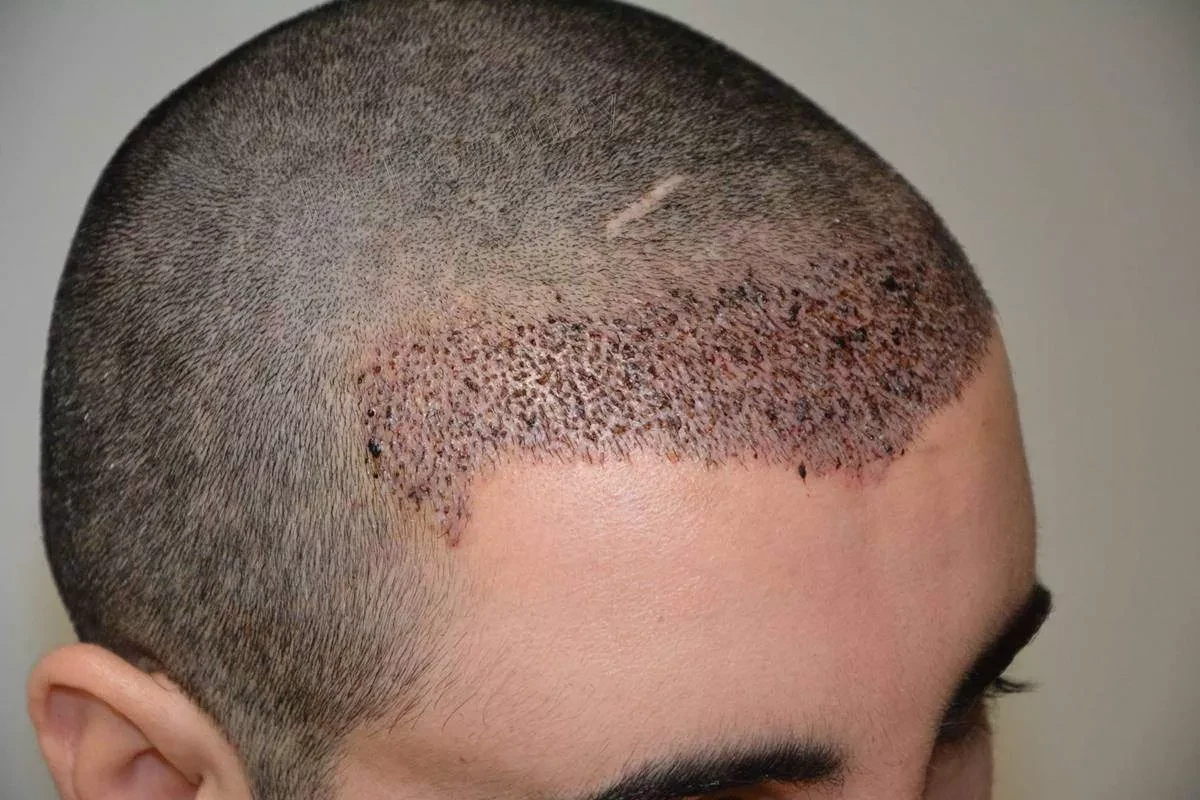
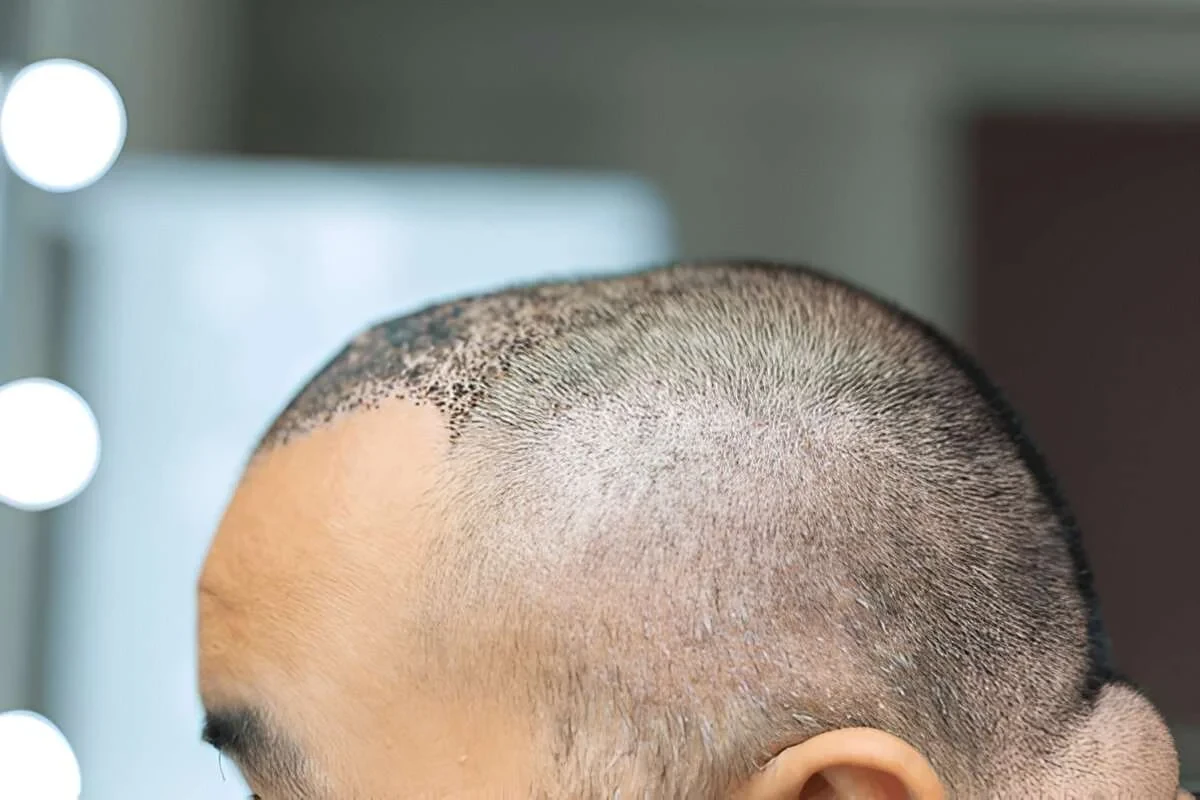
By the fourth and fifth days, the scalp often develops a more defined pattern of small scabs surrounding the transplanted hairs. These crusts contain dried blood, tissue fluid and natural debris that accumulate as the tiny recipient sites close. Their appearance may make the scalp look uneven or darker than expected, but crust formation is a normal part of early wound healing.Patients should resist removing visible scabs manually, even when they appear loose or become uncomfortable. Swelling commonly begins to improve during this period, although slight redness and tenderness may remain noticeable. The donor area can also develop itching as the extraction sites continue healing. Regular gentle washing, once permitted, helps maintain cleanliness and gradually softens surface debris. However, patients should not increase pressure or introduce abrasive movements simply because several days have passed since the procedure.
What Happens During Days 6 and 7?
The sixth and seventh days generally bring further improvements in scalp comfort, with many patients noticing less swelling and greater ease during ordinary activities. Small scabs may begin loosening naturally, especially when gentle washing keeps the area clean without disturbing the healing skin. At this stage, some transplanted hairs can appear more visible as surrounding redness decreases. Others may remain partially concealed beneath crusts, creating an uneven appearance that does not reflect the eventual hair density.Although the scalp may feel substantially better, surface healing does not mean every graft is ready for unrestricted contact. Patients should continue avoiding scratching, strong shower pressure and tight accessories that rub against the recipient area. The donor region may recover more quickly in appearance, but mild tenderness, dryness or altered sensation can continue beyond the first week. These changes often become less noticeable as the skin gradually settles.
What Should Your Scalp Look Like on Days 8 to 10?
Between the eighth and tenth days, the transplanted area commonly begins looking cleaner as crusts soften and detach during gentle washing. Many patients notice that the initial redness becomes less prominent, although some pinkness, sensitivity or remaining scabs may still be visible. The recipient area can develop a short, stubble-like appearance as the implanted hair shafts become easier to see.The distribution may look uneven because healing progresses across individual recipient sites rather than producing a perfectly uniform appearance immediately. By day 10, the grafts are generally more established within the surrounding tissue than they were during the first few days. Nevertheless, patients should not treat this milestone as permission to scratch aggressively, remove stubborn scabs or expose the scalp to unnecessary pressure. Any crusts that remain firmly attached should be handled through the recommended cleansing routine rather than pulled away. The visible improvement during these days represents progress in healing, not the completion of hair restoration.
How Should You Wash Your Hair During the First 10 Days?
Hair washing after transplantation requires a gentle approach that keeps the scalp clean while preventing unnecessary disturbance of the recipient area.- Begin washing according to postoperative instructions: The initial cleansing period requires particular care because recently implanted grafts remain sensitive. Use the approved washing method and avoid introducing ordinary haircare products before they become suitable.
- Use lukewarm water and gentle water flow: Excessively hot water can increase discomfort, while strong shower pressure may irritate the recipient sites. Carefully pouring water over the scalp provides greater control during early washing.
- Apply shampoo without rubbing the grafts: Use the recommended mild cleansing product and distribute the lather gently rather than scrubbing the transplanted area. Avoid fingernails, circular friction and forceful movements around visible crusts.
- Allow scabs to loosen naturally: Gentle washing gradually softens dried material around the follicles, allowing crusts to separate as healing progresses. Pulling them away prematurely can irritate the skin and may cause bleeding.
- Dry the scalp without unnecessary contact: Avoid rubbing the recipient area with a towel or directing strong, hot airflow toward healing grafts. Gentle air drying helps limit mechanical irritation during the initial recovery period.
How Can You Sleep Without Irritating Transplanted Grafts?
Sleeping comfortably after a hair transplant involves protecting the recipient area from direct contact while maintaining a position that does not create unnecessary pressure. During the first several nights, sleeping on the back with the head slightly elevated can help manage swelling and reduce the possibility of rubbing against the pillow. A supportive neck pillow may help patients maintain a stable position, especially when their usual sleeping habits involve turning onto the side or stomach.Clean pillowcases also help maintain a hygienic sleeping environment while small postoperative wounds remain present. Patients should avoid positioning pillows directly against the newly transplanted area, even when the scalp no longer feels particularly sensitive. Sudden movements during sleep can create friction that would otherwise be easy to avoid while awake. As swelling improves and the scalp becomes less tender, sleeping usually becomes more comfortable. Returning to familiar positions should remain gradual, with continued attention to protecting the treated areas from unnecessary contact.
What Should You Avoid During the First 10 Days?
Several everyday activities can expose healing grafts to excessive pressure, heat or irritation, making temporary adjustments important during the initial recovery period.- Scratching or picking at scabs: Itching commonly accompanies healing, but removing crusts with fingernails can damage the surrounding skin. Allow the natural healing process and gentle cleansing to loosen them.
- Strenuous exercise and excessive sweating: Running, heavy lifting and intensive workouts increase physical exertion and may aggravate swelling or bleeding. Gentle movement is preferable while early activity restrictions remain in place.
- Tight hats, helmets and restrictive clothing: Accessories that press against the transplanted region can create friction when worn or removed. Avoid headwear that touches sensitive grafts unless it has been specifically approved for postoperative use.
- Swimming, saunas and prolonged heat exposure: Pools, steam rooms and hot environments can expose the scalp to moisture, irritation and conditions unsuitable for healing surgical sites. These activities should remain postponed during early recovery.
- Smoking, alcohol and unnecessary hair products: Smoking can interfere with tissue healing, while alcohol may complicate postoperative recovery and medication use. Hair dyes, styling gels and unapproved scalp treatments should also remain outside the early aftercare routine.
How Do the Donor and Recipient Areas Heal Differently?
The donor and recipient areas experience different forms of surgical intervention, which explains why their healing patterns may not look or feel identical during the first 10 days. The recipient area contains the newly implanted follicles and numerous tiny openings that gradually close as the grafts settle. Redness, small crusts and sensitivity commonly develop around these sites, making protection from friction particularly important. The donor area, meanwhile, contains the locations where follicles were removed.Following FUE transplantation, patients generally notice multiple small extraction points that heal individually. FUT procedures involve a linear incision that requires additional attention to wound closure and any stitches. Mild soreness or itching may occur in either region, but the donor area can feel different because the tissue has undergone follicle extraction rather than implantation. Both areas benefit from appropriate cleanliness and careful handling, although protecting the recipient grafts remains a central concern throughout early recovery.
Are Redness, Swelling, Scabs and Itching Normal?
Redness, swelling, scabbing and mild itching are common features of the hair transplant healing process because the scalp responds to numerous small surgical wounds. These symptoms usually become less noticeable as the initial recovery period progresses, although their appearance may not improve at exactly the same pace. Redness can remain visible after most crusts disappear, particularly when the treated skin is naturally sensitive. Temporary swelling often appears earlier in recovery, sometimes extending toward the forehead before gradually subsiding.Scabs form as the recipient sites close, while itching can accompany tissue repair and surface dryness. A mild feeling of tightness or temporary numbness may also continue while the surrounding skin recovers. The overall direction of healing matters more than how the scalp looks on a single day. Discomfort should generally improve rather than intensify, and concerning new symptoms should not be dismissed as ordinary postoperative changes.
Which Symptoms Need Medical Attention During Recovery?
Although most early healing symptoms are temporary, certain changes require prompt medical assessment because they may indicate infection, bleeding or another postoperative complication.- Increasing or severe pain: Discomfort that becomes progressively stronger instead of settling, particularly when accompanied by localized warmth or substantial tenderness, requires further evaluation.
- Spreading redness or unusual discharge: Redness extending beyond the treated region, especially when associated with pus, an unpleasant odor or increasing swelling, may indicate infection.
- Fever or significant physical discomfort: A raised body temperature, chills or feeling unusually unwell alongside scalp symptoms should receive medical attention rather than relying on home remedies.
- Persistent bleeding or unexpected wound changes: Bleeding that does not stop, wound separation or unusual changes in skin color require timely assessment to identify possible complications.
When Can You Return to Work and Exercise?
Returning to work after a hair transplant becomes easier as swelling decreases and ordinary movements no longer produce significant discomfort. Patients with desk-based responsibilities may feel ready to resume light duties within several days, although visible scabs and the need for careful scalp protection can make additional recovery time useful. Occupations involving helmets, heavy lifting, dust exposure or frequent physical contact require greater caution because these conditions can place unnecessary stress on healing areas. Exercise should return gradually rather than immediately following the improvement of visible symptoms.Gentle walking typically places fewer demands on the scalp than weightlifting, running or contact sports, while intensive activities may remain restricted beyond the first 10 days. Commuting and travel also deserve practical planning, particularly when crowded spaces, overhead luggage or restrictive headwear increase the possibility of accidental contact. Protecting the scalp remains important even when patients feel physically ready to resume their ordinary schedules.
Does Hair Shedding Mean the Transplant Has Failed?
Hair shedding after transplantation is a natural part of the follicular growth cycle and should not automatically be interpreted as graft failure. Newly implanted hair shafts may begin falling out during the weeks following surgery as the follicles temporarily enter a resting phase. This process commonly becomes noticeable after the first 10 days rather than immediately following the procedure.The scalp may gradually appear thinner as transplanted hairs shed, even though the follicles remain beneath the skin and prepare for future growth. New hair commonly begins emerging around the third or fourth month, initially appearing fine or uneven before gradually developing greater coverage. Further improvements continue throughout the following months as the transplanted follicles progress through their growth cycles. Patients should therefore avoid assessing transplant success through the visible appearance of the scalp during early recovery. The first 10 days primarily concern wound healing and graft protection, while meaningful changes in hair density require considerably more time.
What Matters Most at the End of Day 10?
Reaching the tenth day after a hair transplant represents meaningful progress in the initial recovery process, particularly as swelling decreases, small scabs begin clearing and the scalp becomes more comfortable during everyday activities. However, the end of this period does not mean that all healing has finished or that every activity can immediately return to normal.The most important priorities remain consistent throughout the first 10 days after a hair transplant: protect newly implanted grafts, maintain gentle scalp hygiene, avoid unnecessary friction and recognize symptoms that require medical attention. By maintaining these habits and allowing the scalp to heal without aggressive intervention, patients can complete the early recovery stage with a clearer understanding of what happens next. The weeks ahead will bring further changes in scalp appearance and transplanted hair, while the gradual growth process continues toward the longer-term restoration result.