Hair Transplant Recovery in Winter
Is Winter a Good Time for Hair Transplant Recovery?
Winter provides several practical advantages for people recovering from hair transplantation, particularly because cooler temperatures often make it easier to avoid excessive sweating and prolonged exposure to intense heat. Patients who spend more time indoors during colder months may also find it easier to maintain a predictable recovery routine without disrupting their usual responsibilities. One noticeable advantage involves outdoor activities. Summer often encourages swimming, intensive exercise and extended periods in direct sunlight, while winter naturally limits some of these activities. This seasonal change can make the early recovery period more manageable, especially when newly transplanted grafts require protection from friction, pressure and unnecessary irritation.However, winter introduces considerations that patients should not overlook. Low humidity, strong winds and indoor heating can increase scalp dryness, making sensitive skin feel uncomfortable during the healing process. Winter does not inherently improve graft survival or guarantee faster healing, but its everyday conditions can support a convenient recovery experience when patients manage these environmental factors carefully.
How Does Cold Weather Affect the Healing Scalp?
Cold weather primarily influences hair transplant recovery through its effects on skin comfort, moisture balance and environmental exposure. During the first weeks after transplantation, the scalp undergoes a natural healing process involving small surgical wounds, temporary inflammation and the formation of protective crusts around the implanted follicles. Dry winter air can increase moisture loss from the skin, particularly when indoor heating further reduces humidity.As a result, patients may notice tightness or itching around the scalp, even when healing progresses normally. These sensations can become more noticeable when someone moves repeatedly between cold outdoor temperatures and heated indoor spaces. Ordinary exposure to cool weather does not automatically damage transplanted follicles, and seasonal temperature changes do not alter the fundamental stages of hair growth. Nevertheless, prolonged exposure to freezing conditions, harsh winds and uncomfortable headwear can create avoidable irritation. Maintaining a comfortable indoor environment and limiting unnecessary scalp contact helps patients manage winter conditions without introducing additional stress during recovery.
What Happens During the First 14 Days After a Winter Hair Transplant?
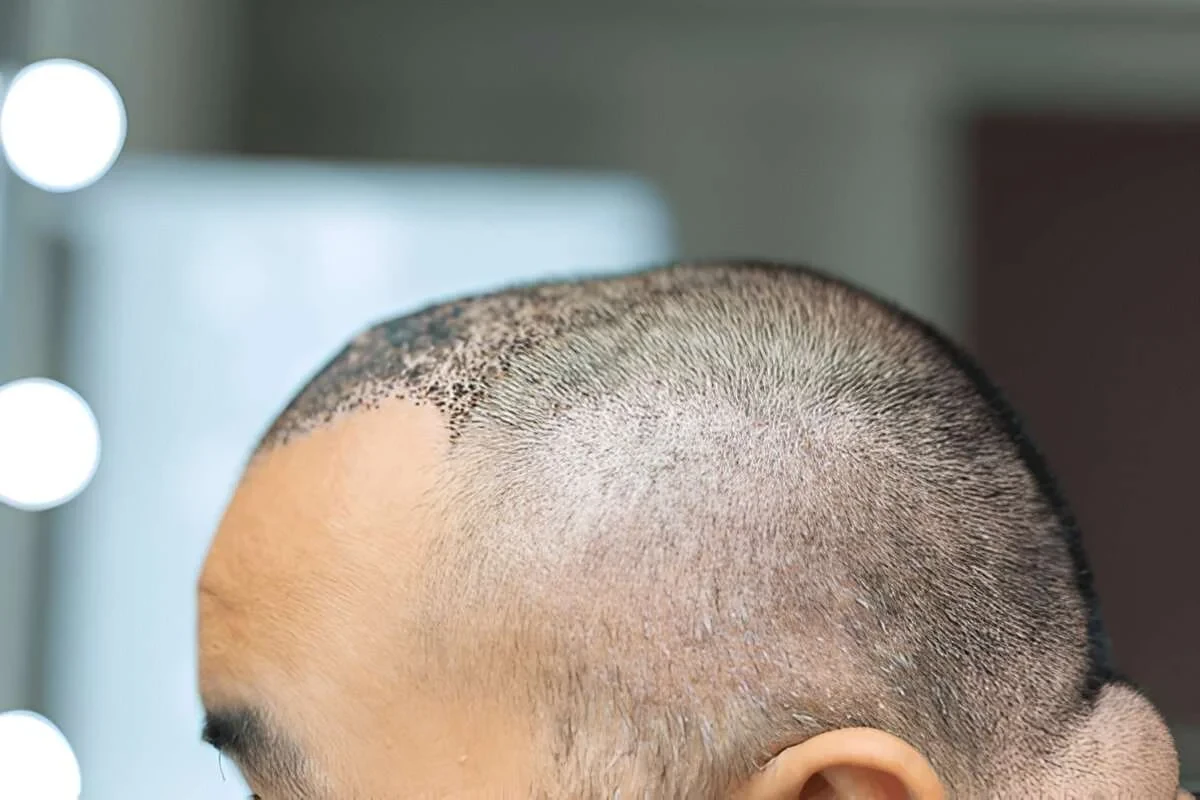
The first two weeks represent an important stage of hair transplant recovery because the transplanted grafts gradually become established while the surrounding scalp heals. Although visible changes occur throughout this period, most early symptoms reflect the normal response of the skin to transplantation rather than the beginning of new hair growth.Days 1–3: Protecting the Newly Transplanted Grafts
During the first three days, patients commonly experience mild swelling, redness, tenderness and a sensation of tightness around the treated areas. Small crusts may begin forming around individual grafts as the scalp starts repairing the tiny openings created during implantation. Direct pressure and accidental rubbing present particular concerns during this initial period. Sleeping positions, clothing and winter accessories require attention because even familiar movements can bring fabric into contact with the recipient area. Patients should also avoid exposing the scalp to strong wind, freezing temperatures or sudden physical contact while moving outdoors. Maintaining a comfortable room temperature and keeping the sleeping area clean can make these first nights considerably easier.Days 4–7: Managing Scabs and Scalp Sensitivity
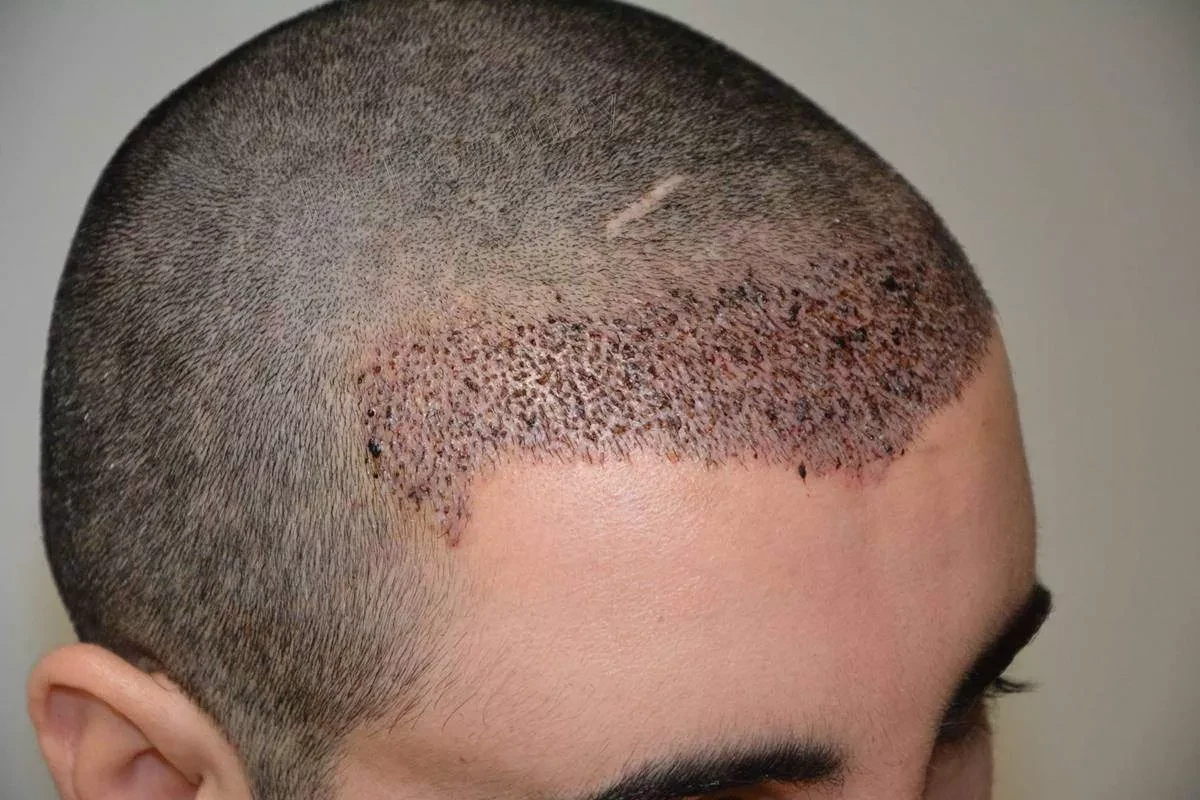
During the following days, visible crusting often becomes more noticeable before gradually beginning to resolve. Mild itching may accompany this stage as the skin heals, although scratching or removing scabs prematurely can disturb delicate tissue and increase irritation. Gentle cleansing becomes an important part of the recovery routine once the initial washing restrictions have passed. Patients should avoid vigorous rubbing, forceful water pressure and unnecessary manipulation of the recipient area. Winter clothing also deserves attention at this stage. Scarves, high collars and garments that require pulling over the head can create unintended friction, so front-opening clothing offers a more convenient alternative.Days 8–14: Supporting the Healing Process
By the second week, much of the initial swelling and discomfort has usually improved, while many small scabs begin separating naturally from the scalp. The transplanted areas may still appear slightly pink or uneven, and temporary sensitivity can continue after the more visible signs of recovery have diminished. Patients often feel comfortable resuming ordinary daily activities during this period, but the scalp still benefits from gentle handling. Removing remaining crusts forcefully, wearing restrictive headwear or returning immediately to strenuous activities can create unnecessary problems. The disappearance of scabs marks progress in surface healing, although deeper tissue recovery and the hair growth cycle continue well beyond the first fourteen days.How Can You Protect Newly Transplanted Grafts in Winter?
Protecting transplanted grafts during colder months involves limiting physical contact while reducing exposure to environmental conditions that may irritate the healing scalp.- Avoid direct pressure on the recipient area: Tight winter hats, fitted hoods and restrictive accessories can rub against newly implanted follicles, particularly during the early recovery period. Choose clothing that provides warmth without compressing the treated scalp.
- Limit prolonged exposure to harsh weather: Brief outdoor activities are generally easier to manage than extended periods in freezing wind or heavy precipitation. Planning shorter journeys helps prevent discomfort without requiring complete isolation indoors.
- Maintain comfortable indoor humidity: Heated rooms can become unusually dry during winter, contributing to tightness and itching. Moderate room temperatures and a properly maintained humidifier can improve general skin comfort without applying unnecessary products directly to healing grafts.
- Prevent accidental contact: Pay attention when entering vehicles, removing coats or moving beneath low doorways, since these everyday situations can bring objects unexpectedly close to the scalp. Small adjustments to familiar habits help protect the recipient area while it heals.
When Can You Wear a Hat After a Hair Transplant?
Winter headwear presents a practical challenge because patients naturally want to protect themselves from cold temperatures while avoiding direct contact with recently implanted follicles. The main concern involves how a hat fits, whether its fabric touches the recipient area and how much friction occurs when putting it on or removing it. During the earliest recovery period, ordinary knitted beanies and tight winter caps are unsuitable because their elastic fabric can create sustained pressure across the scalp.A loose, structured hat that maintains clearance around the transplanted area may be appropriate under postoperative headwear instructions, but patients should never force an accessory over sensitive grafts. As scabs resolve and the recipient area becomes less vulnerable, patients can gradually return to comfortable headwear that does not produce rubbing or irritation. Clean, breathable materials are generally preferable to rough fabrics that trap moisture or catch against the hair. Headwear should protect the scalp rather than conceal it at the expense of comfort. Patients who plan to spend extended periods outdoors should organize their activities around the early healing restrictions instead of relying on tight winter accessories.
How Should You Wash Your Hair and Manage Winter Scalp Dryness?
Hair washing plays an important role in maintaining scalp cleanliness, removing accumulated debris and supporting comfortable healing after transplantation. During winter, this routine also requires attention to water temperature because excessively hot water can worsen dryness and irritate sensitive skin. Once postoperative washing begins, use lukewarm water and the recommended gentle cleansing technique without scrubbing the transplanted area. Strong shower pressure, vigorous towel drying and repeated rubbing should remain outside the recovery routine while the recipient sites are healing. Allow softened scabs to separate naturally rather than attempting to remove them with fingernails.Excessive cleansing may create additional irritation, while neglecting hygiene can allow crusts and debris to accumulate unnecessarily. Indoor heating can make the scalp feel particularly dry after washing. Instead of applying ordinary moisturizers, oils or styling products to recently transplanted areas, patients should use only topical products included in their postoperative care instructions. Maintaining balanced room humidity and avoiding excessively hot showers can reduce winter-related discomfort without interfering with the healing process.
Which Winter Activities Should You Avoid After a Hair Transplant?
Certain winter activities involve heat, pressure, physical exertion or environmental exposure that can interfere with scalp comfort during the early stages of recovery.- Intensive winter sports: Skiing, snowboarding and similar activities combine physical exertion with helmets, protective headwear and the possibility of falls. Postpone these activities until the scalp has healed sufficiently and normal exercise restrictions have ended.
- Saunas and steam rooms: Although heated facilities may feel appealing during cold weather, excessive heat and sweating can aggravate a sensitive scalp. Avoid these environments during early recovery rather than using them as a way to escape winter temperatures.
- Heavy exercise and strenuous outdoor work: Running, weightlifting and physically demanding tasks can increase sweating and expose the scalp to accidental contact. Resume demanding activities gradually after the initial exercise restriction period.
- Swimming and prolonged hot baths: Swimming pools and extended exposure to hot water are unsuitable while the scalp has open or incompletely healed areas. Choose brief, comfortable showers and follow the prescribed washing routine until normal bathing activities can safely resume.
Can Wind, Rain or Snow Affect Hair Transplant Results?
Wind, rain and snow do not automatically cause transplanted follicles to fail, but exposure to uncomfortable weather can complicate scalp care during the first weeks. Strong winds may increase dryness and irritation, while wet clothing and headwear can create friction against the treated area. Light rain or a brief encounter with cold outdoor air should not be confused with direct physical damage to implanted grafts. The greater concern involves prolonged exposure, rubbing the scalp afterward or placing damp, tight accessories over healing skin. Snow also introduces another consideration: sunlight remains relevant during winter, particularly when reflective surfaces increase ultraviolet exposure.Recently treated skin should remain protected from direct sun exposure throughout the recommended healing period. Practical planning offers the simplest solution. Patients can check weather conditions before leaving home, minimize unnecessary outdoor exposure and arrange transportation that does not require long periods in freezing temperatures. These precautions focus on protecting the healing skin rather than treating ordinary winter weather as a direct threat to the final transplant result.
How Should You Sleep in a Heated Room During Recovery?
Comfortable sleep supports general postoperative recovery, although the first nights after transplantation require particular attention to positioning and accidental pressure on the scalp. Patients are commonly advised to sleep with the head slightly elevated during the initial recovery period to help manage swelling. A supportive pillow arrangement can help maintain a stable position while reducing contact with the recipient area. Clean pillowcases and bedding also contribute to a comfortable sleeping environment, especially when the scalp remains sensitive. Winter heating creates an additional consideration because high room temperatures can produce dry air and uncomfortable perspiration.Keeping the bedroom comfortably warm rather than excessively hot helps reduce both issues. A clean humidifier may improve comfort when indoor air becomes particularly dry, provided that it is maintained properly and does not introduce excessive moisture into the room. Patients should also avoid positioning themselves directly beside radiators or other strong heat sources. A consistent sleeping routine, adequate rest and minimal disturbance of the transplanted area remain more useful than complicated nighttime care practices.
When Can You Return to Work, Exercise and Travel?
Returning to normal activities represents an important milestone during hair transplant recovery, particularly for patients who schedule their procedure around winter holidays or annual leave. Many people can resume desk-based responsibilities within several days to two weeks, while physically demanding occupations generally require a longer period away from strenuous tasks. Working indoors may feel convenient during winter, especially when daily responsibilities do not involve protective helmets, heavy lifting or direct exposure to harsh weather. Nevertheless, prolonged working hours should not interfere with gentle washing, rest or the prescribed recovery routine.Exercise requires a more gradual approach. Gentle walking is often easier to reintroduce than running, resistance training or activities involving significant sweating, and more demanding exercise may remain restricted for several weeks. Winter travel also calls for practical preparation. Crowded transport, overhead luggage compartments and bulky clothing can increase the possibility of accidental scalp contact. Planning manageable journeys, avoiding heavy luggage and keeping essential aftercare items accessible can make the return to ordinary life more comfortable.
What Is the Hair Growth Timeline After a Winter Transplant?
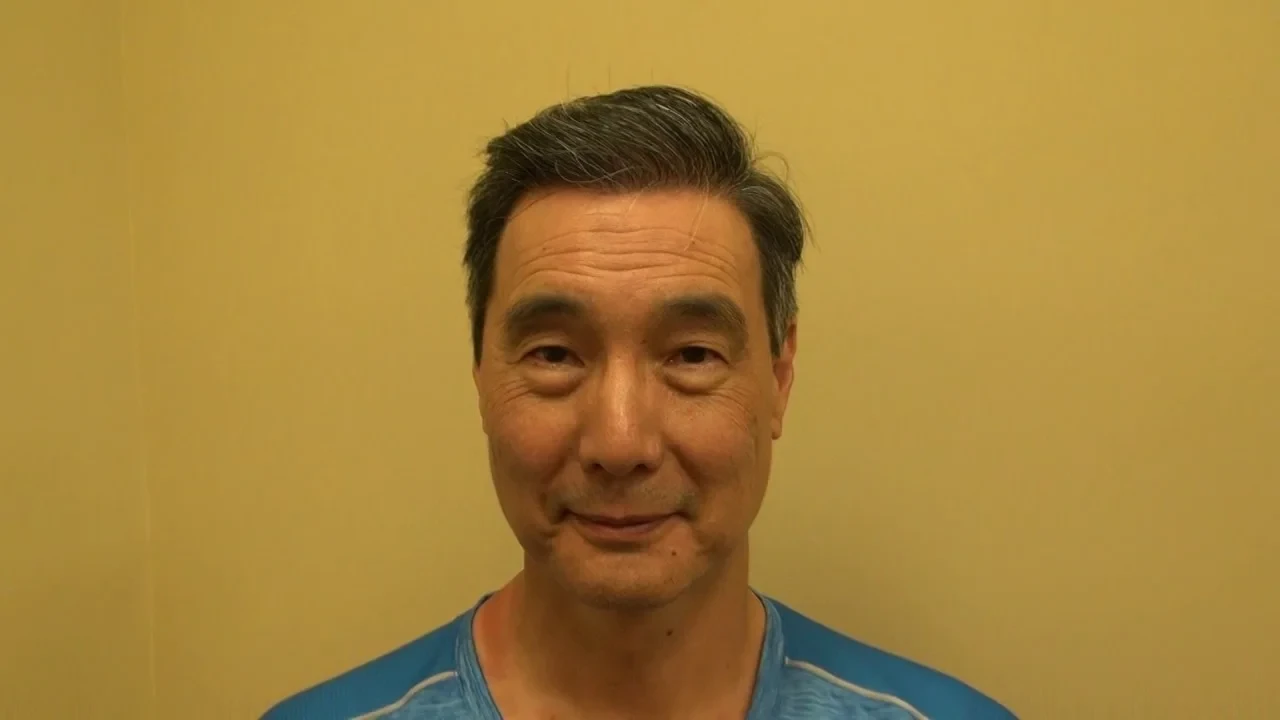
The development of new hair follows a gradual biological process that continues long after the initial scalp wounds have healed. Winter does not shorten this growth cycle, and patients should distinguish visible skin recovery from the slower changes taking place within the transplanted follicles. During the first several weeks, transplanted hair shafts commonly begin shedding as the follicles enter a temporary resting phase. This development can appear concerning because the treated area may look thinner after the initial recovery period, but shedding does not necessarily indicate that the follicles have been lost. New growth commonly becomes noticeable around the third or fourth month, initially appearing fine, sparse or uneven. As the following months pass, more hairs emerge and gradually develop greater length and thickness. Between six and nine months, many patients begin noticing a clearer improvement in coverage, although the final appearance continues developing afterward. Full results can take approximately 10 to 18 months to become visible, particularly as individual hairs mature.Patients who undergo transplantation during winter may therefore notice early growth during spring and more substantial changes later in the year. The seasonal transition provides a convenient way to follow progress, but the calendar itself does not determine how quickly transplanted hair develops.
Which Recovery Symptoms Require Medical Attention?
Temporary redness, mild swelling and small scabs commonly accompany hair transplant recovery, but certain symptoms require prompt medical evaluation rather than continued observation at home.- Increasing pain or persistent swelling: Discomfort that becomes progressively worse instead of improving may indicate a complication, particularly when the affected area feels unusually warm or tender.
- Spreading redness or unusual discharge: Redness extending beyond the treated region, especially when accompanied by yellow or green discharge, should receive medical attention because these changes may indicate infection.
- Fever or significant illness: An elevated temperature, chills or a general feeling of being unwell alongside concerning scalp symptoms requires timely assessment rather than treatment with ordinary skincare products.
- Persistent bleeding or unexpected tissue changes: Bleeding that does not settle, wound separation or darkening tissue accompanied by increasing pain requires prompt evaluation to identify and address possible complications.
How Can You Maintain Healthy Scalp Habits Throughout Winter?
Maintaining healthy scalp habits after transplantation requires consistency rather than introducing numerous additional products or complicated routines. Once the early healing period has passed, patients can focus on gentle hygiene, comfortable environmental conditions and everyday practices that protect the scalp from unnecessary irritation. Adequate hydration and balanced meals support general health during postoperative recovery. Meals containing appropriate amounts of protein, vegetables, fruit and other nutrient-rich foods provide the body with essential nutrients without creating a need for unproven hair growth supplements. Patients should also avoid smoking because tobacco exposure can interfere with normal tissue healing. Limiting alcohol during the initial postoperative period and following medication instructions further supports a responsible recovery routine. As winter continues, regular scalp cleansing and careful management of dry indoor air can help maintain comfort.Strong fragrances, harsh exfoliating products and aggressive scalp treatments should not become part of the routine while sensitivity persists. It is equally important to maintain realistic expectations. Hair restoration develops gradually, and repeated checking or excessive handling of the transplanted area does not accelerate follicular growth. By combining practical protection with consistent personal care, patients can move through the winter months without placing unnecessary demands on the healing scalp.
Final Thoughts on Winter Hair Transplant Recovery
Hair transplant recovery in winter can fit comfortably into everyday life when patients understand the healing timeline and take reasonable precautions against scalp irritation, pressure and harsh environmental conditions. Cooler temperatures may make excessive sweating easier to avoid, while dry air and indoor heating require greater attention to skin comfort. The first two weeks deserve particular care because transplanted grafts remain vulnerable to unnecessary contact, and the scalp continues repairing the small wounds created during the procedure.Gentle washing, appropriate headwear, comfortable sleeping conditions and a gradual return to physical activities help maintain a manageable recovery routine. After the initial healing period, attention shifts toward scalp health and the natural progression of transplanted hair growth. With consistent aftercare and patience throughout the following months, patients can approach winter recovery with realistic expectations and a clear understanding of the changes that lie ahead.