Hitting Your Head After Hair Transplant
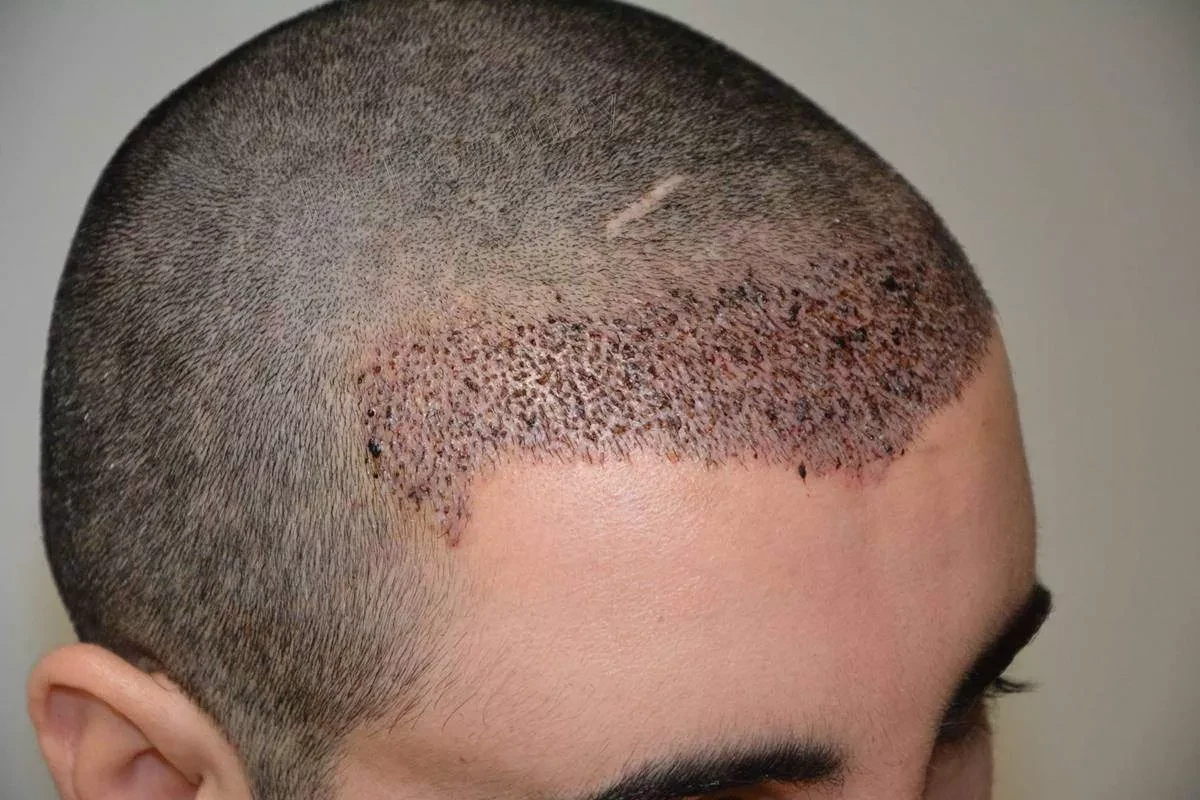
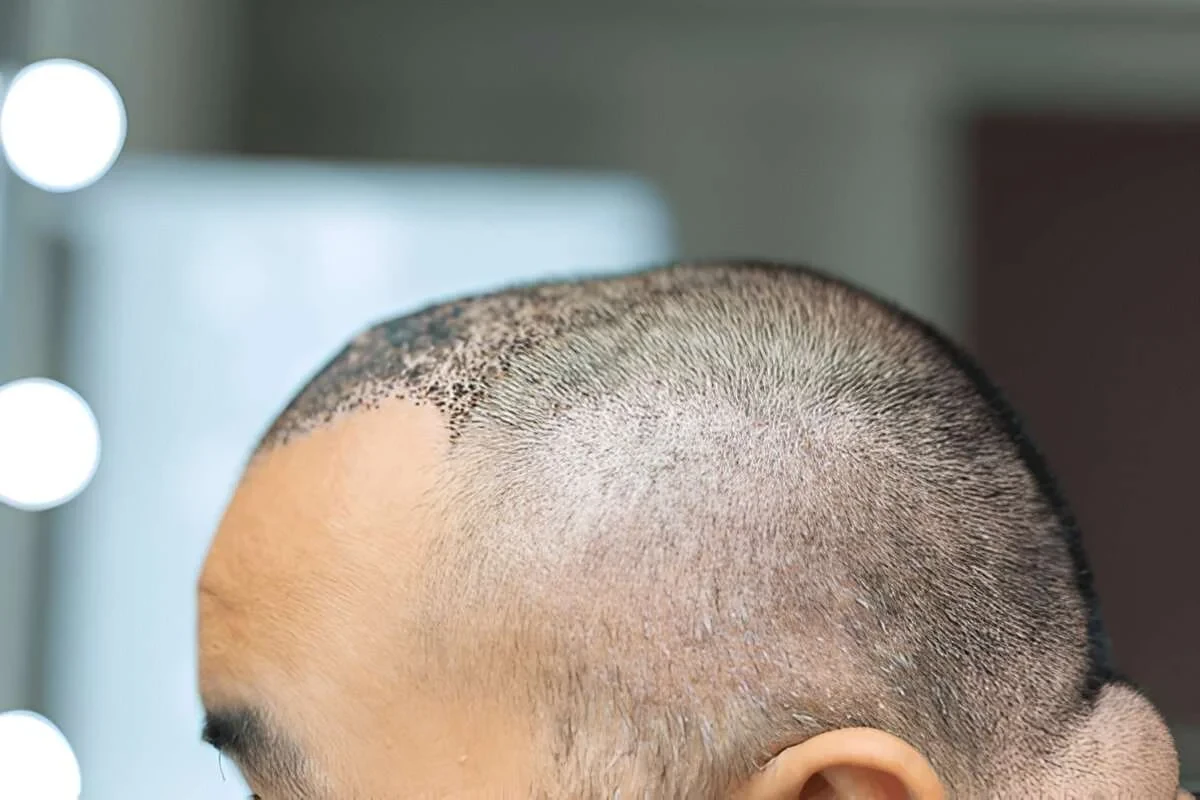
Hitting your head after a hair transplant can damage grafts when the impact is strong, directly affects the recipient area and happens during the earliest stage of healing. However, many accidental bumps do not cause graft loss, especially when there is no fresh bleeding, scraping or visible disruption of the transplanted skin. Patients often become worried after touching a car roof, cupboard, pillow or door frame because the scalp still looks fragile during recovery. The most useful way to judge the situation is to consider the type of impact, the postoperative day and what happened to the scalp immediately afterward.
Does Every Head Bump Damage Transplanted Hair?
Most minor head bumps do not automatically damage transplanted grafts. A quick touch against a soft surface is very different from scraping the recipient area across a hard object with enough force to open the skin.The condition of the scalp immediately afterward gives more useful information than the simple fact that contact occurred. If there is no new bleeding, no open wound and no visible change in the transplanted area, substantial graft loss becomes less likely. Timing also changes the risk significantly. The same accidental contact that deserves attention on the first postoperative day may be relatively unimportant near the end of the second week. A hair transplant is delicate during early healing, but the grafts are not so fragile that every touch destroys them.
Why Are Freshly Transplanted Grafts Vulnerable?
Freshly transplanted grafts are vulnerable because they have only recently been inserted into small recipient sites and have not yet become firmly integrated with the surrounding tissue. The scalp needs time to stabilize these follicular units. During the earliest phase, grafts are held largely by the recipient site and early healing processes.Strong mechanical movement can therefore disturb them more easily. As healing continues, tissue around the graft becomes progressively more secure. This is why postoperative instructions usually emphasize avoiding scratching, rubbing and direct pressure during the first days. The vulnerability is mechanical rather than a sign that the follicle itself is inherentlyweak. Once the graft becomes established, ordinary washing, sleeping and normal daily contact should not make it simply fall out.
How Much Force Does It Take to Dislodge a Graft?
There is no single amount of force that guarantees graft loss because several factors determine how a transplant reacts to impact. The timing of the injury, direction of force and whether the skin was scraped are often more important than how painful the contact felt. A glancing scrape can sometimes disturb fresh grafts more than a blunt touch because friction moves across the surface and may catch individual hairs or crusts. The following situations create more concern:- A hard object directly strikes the recipient area during the first days
- The hairline is scraped rather than briefly touched
- Fingernails drag across newly implanted grafts
- Fresh bleeding begins immediately after contact
- Skin appears torn or opened
- Several recipient sites look visibly disturbed
- A crust is forcibly pulled away very early
- The impact produces significant pain and swelling
Why Does the Timing of the Impact Matter?
The risk of mechanically dislodging a graft decreases as healing progresses. The first few days are the period when direct trauma deserves the most attention because the follicular units are still becoming anchored. By the end of the first week, most grafts are considerably more secure than they were immediately after implantation. Around seven to ten days, accidental removal becomes increasingly difficult under normal circumstances, although healing continues beyond that point.During the second week, patients may still have crusts and redness, but the graft underneath is generally much more stable. This distinction explains why a doorway impact on day one should be treated differently from a mild bump on day twelve. There is no exact hour when every graft becomes completely secure. Healing develops gradually.
How Can You Check the Scalp After an Accidental Impact?
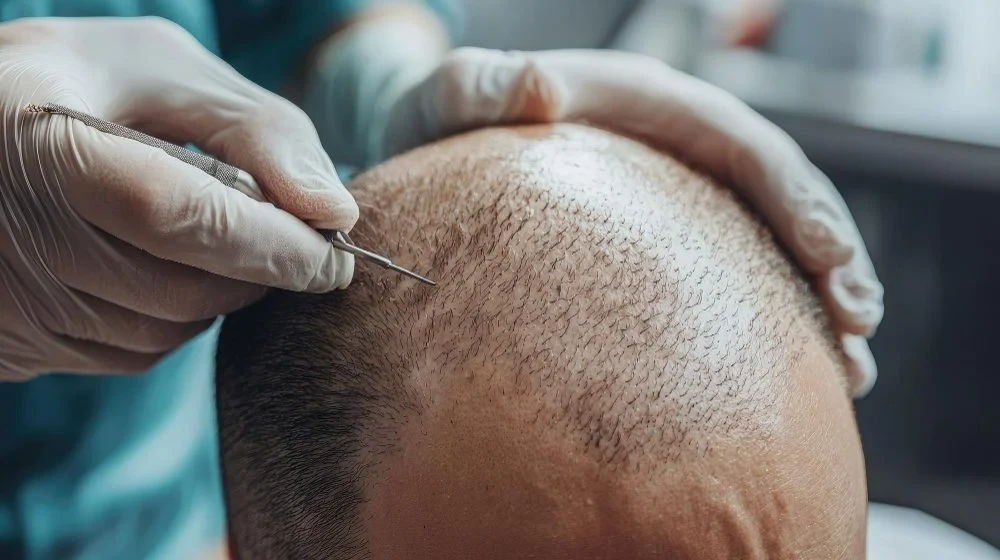
The safest way to check the scalp is visually rather than repeatedly touching the area. Stand under good lighting or ask someone to take clear photographs without pressing on the recipient sites. Look for new bleeding, broken skin, a visible scrape or a clearly disturbed cluster of grafts. Compare the area with photographs taken before the accident if available.Try to remember exactly what happened. A soft contact lasting less than a second is different from dragging the scalp against a shelf. Avoid lifting crusts to see what is underneath. Manipulating the transplanted region can create unnecessary trauma and make the situation harder to assess. When the impact happened early after surgery, photographs can also help the transplant team evaluate the event remotely.
Is Fresh Bleeding a Sign of Graft Loss?
Fresh bleeding makes graft disturbance more possible, but it does not prove that a transplanted follicular unit has been lost. Recently operated scalp tissue contains many small blood vessels and can bleed when scratched. The context matters. Bleeding that begins immediately after a forceful scrape during the first postoperative days is more concerning than a tiny spot of blood after an old crust becomes loose later in healing. The amount of blood also matters less than patients sometimes assume. Even a small superficial scratch can bleed noticeably on the scalp. Persistent bleeding, a clearly open wound or bleeding associated with obvious tissue displacement should be reviewed by the surgical team.What Does an Actually Dislodged Graft Look Like?
A true transplant graft is a small piece of follicular tissue rather than only a visible strand of hair. It can contain one or more hairs together with tissue surrounding the follicles. In real-life postoperative situations, however, patients cannot reliably identify grafts simply by examining something that fell onto their hand. A hair may have dried blood, skin debris, sebum or a small sheath attached to its end. These materials can make an ordinary shed hair look much more dramatic than it really is. True early graft displacement becomes more plausible when visible tissue comes away immediately after trauma and the exact recipient site starts bleeding. Even then, the transplant team is better positioned to interpret what happened than the patient examining the material at home.Why Can Scabs and Loose Hairs Be Misleading?
Scabs and loose hairs can look like lost grafts because dried blood and healing tissue often remain attached to transplanted hair shafts. When the crust comes away, the structure may look as though the entire root has been removed. In most cases later in normal healing, that appearance does not mean the follicle has left the scalp. Transplanted hair shafts commonly shed while the living follicular structures remain below the surface.The scalp can therefore lose many visible hairs without losing the actual grafts responsible for future growth. This distinction becomes especially important after the first week, when crust removal and hair shedding become more noticeable. Patients should not try to pull apart a scab to search for a follicle.
Is Scraping the Hairline Worse Than Bumping It?
A scrape across the hairline can be more concerning than a simple bump because friction moves sideways across several fresh recipient sites. This motion can catch hair shafts, crusts and newly implanted grafts. A blunt impact may cause soreness without moving the skin much. Scraping creates direct mechanical traction. The risk is highest when this happens during the first few postoperative days. Later, the same movement may irritate the skin without removing established follicles. If a scrape leaves a linear bleeding area across several implanted sites, contacting the surgical team is sensible. A brief brush against clothing or another soft surface without bleeding usually represents a very different level of trauma.What Happens If You Hit the Forehead Instead of the Grafts?
A blow to the forehead does not necessarily affect transplanted grafts if the recipient scalp itself was not struck. The main concern then becomes the ordinary effects of the impact rather than transplant damage. Swelling may temporarily increase because the forehead can already retain postoperative fluid during the first days after surgery. A forehead bump can therefore make swelling look more dramatic even when no graft has moved. Patients should pay attention to the actual site of contact. Anxiety often develops because the impact occurred close to the transplant, even though the newly implanted area was never touched. Strong head injuries still require appropriate medical assessment regardless of whether the grafts were involved.Can You Damage Grafts While Getting Into a Car?
Getting into a car is one of the common situations in which patients accidentally bump a freshly transplanted hairline or crown. The roof edge or door frame may sit closer to the scalp than expected, especially when the patient is protecting the head awkwardly. A brief touch does not necessarily cause damage. A forceful scrape that produces bleeding is more concerning. If the contact happens, stop and examine the scalp visually rather than continuing to rub the area. During the first week, moving slowly when entering or leaving cars can prevent most of these incidents. Patients with crown transplantation should be particularly aware of overhead surfaces because the recipient area may be outside their normal field of vision.What If You Hit Your Head While Sleeping?
Accidental contact with a headboard, wall or pillow during sleep usually causes concern because the patient cannot always remember how hard the scalp was hit. The actual risk still depends on whether there was direct trauma to the recipient area. Pillow contact itself is not equivalent to a hard impact. The greater concern is rubbing, dragging or striking the scalp against a rigid surface during the earliest recovery period. Fresh blood on the pillow can provide a clue that the skin was disturbed, although small spots may also come from healing donor sites. Following the recommended sleeping position during the first days can reduce both contact and swelling. If no visible injury appears the following morning, significant graft loss is less likely.Can Swelling After a Bump Damage Hair Follicles?
Ordinary postoperative swelling does not normally destroy transplanted follicles. Additional mild swelling after a bump can reflect temporary tissue irritation rather than graft failure. What matters is whether the swelling is expected and stable or rapidly worsening. Increasing swelling combined with severe pain, expanding bruising, wound separation or significant bleeding needs closer assessment.Very pronounced swelling after substantial head trauma also raises concerns unrelated to hair transplantation. The transplant itself should not distract from general head-injury warning signs. If someone develops neurological symptoms after a serious blow, immediate medical assessment takes priority over concerns about cosmetic graft survival.
Should You Clean the Area After Hitting It?
The transplanted area should not be aggressively cleaned after a bump unless the surgical team specifically advises it. Scrubbing, wiping or repeatedly applying antiseptics can create additional friction. If minor bleeding occurs, follow the postoperative instructions provided by the clinic. Do not use alcohol, hydrogen peroxide, iodine or strong disinfectants unless the medical team recommends them.Fresh recipient sites can become irritated by products that were never part of the postoperative plan. Likewise, do not remove crusts just because they look darker after trauma. When contamination is a concern, the safest cleaning method depends on how recently the procedure was performed and the condition of the wound.
What Should You Avoid Doing After an Impact?
After hitting the scalp, the main goal is to avoid turning a minor event into a larger injury through repeated checking. Avoid these common reactions:- Do not repeatedly touch the injured recipient area
- Do not pull hairs to test whether they are secure
- Do not pick away scabs
- Do not push visible tissue back into the scalp
- Do not scrub away dried blood
- Do not apply pressure directly over grafts unless instructed
- Do not place ice directly on fresh implanted follicles
- Do not use unapproved antiseptic solutions
- Do not wear a tight hat over a newly injured area
- Do not assume every loose hair is a lost graft
- Do not compare the area constantly under different lighting
- Do not restart strenuous activity simply because bleeding stopped
Does a Head Bump Affect Future Hair Growth?
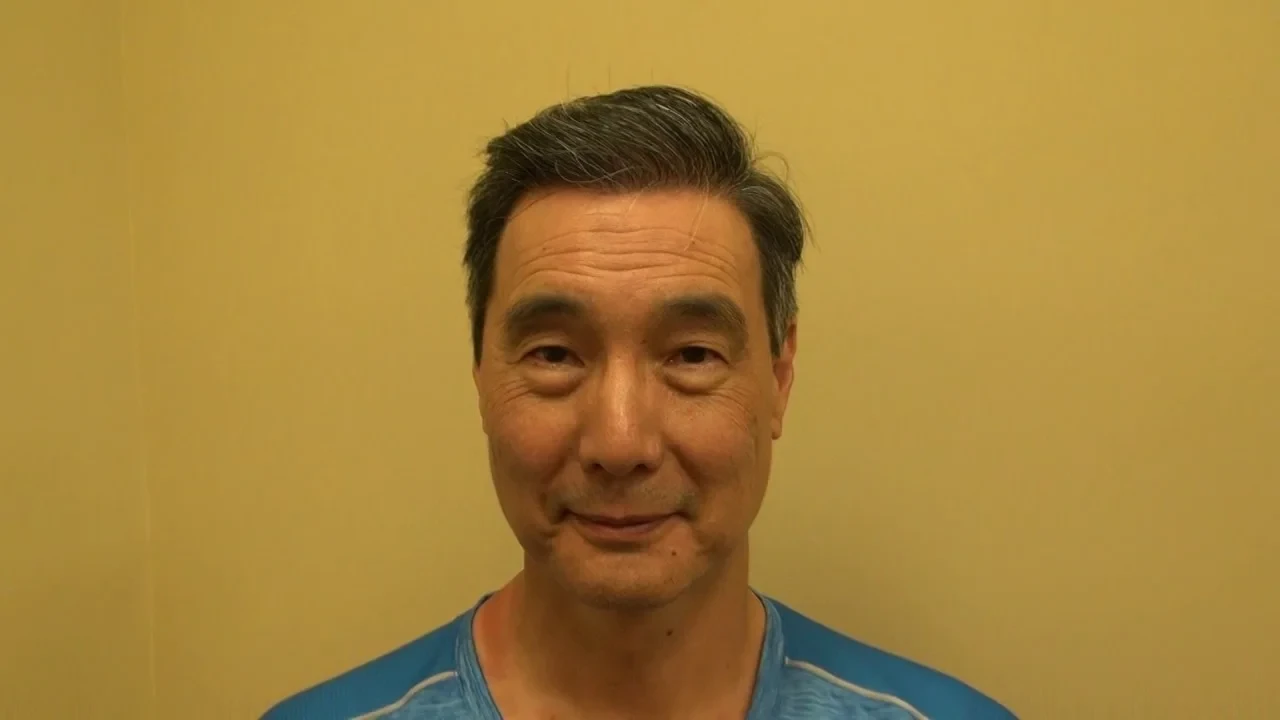
A minor head bump without graft displacement should not affect future transplanted hair growth. Once follicles remain intact within the recipient sites, the normal postoperative growth cycle can continue. Patients may still experience shedding during the following weeks. That shedding is expected after transplantation and should not automatically be attributed to the earlier accident.Visible growth develops gradually over the following months. Early hairs may be fine, irregular and slow to appear. Because of this delayed timeline, it is usually impossible to look at the scalp immediately after a mild accident and predict small differences in final density. Significant trauma that physically removes multiple grafts is different, but this is much less common than patients often fear.
What Happens If Several Grafts Are Lost?
Loss of several neighbouring grafts may reduce density in a small part of the recipient area, although the final effect depends on where those grafts were located and how many hairs they contained. A few grafts among thousands may make no visible difference. A larger cluster lost from the frontal hairline could potentially become more noticeable because the hairline depends heavily on careful spacing and single-hair graft placement. The crown may tolerate small density differences differently because its appearance depends on the whorl and surrounding coverage. Early redness and crusting make it difficult to judge any defect accurately. The final result should therefore be assessed after the transplant has had sufficient time to grow rather than immediately after the accident.Can the Damaged Area Be Corrected Later?
A small area with confirmed reduced growth can sometimes be corrected later if the final result shows a meaningful density gap. Additional transplantation is generally considered only after the original procedure has matured sufficiently. Immediate corrective surgery is rarely necessary after a minor suspected graft loss. The surgeon needs time to see which follicles survive and how surrounding transplanted hair grows. If a revision becomes appropriate, donor availability, scar condition and the location of the gap influence the plan. Many patients who initially believe they damaged several grafts ultimately do not need any correction because the suspected loss was actually crust shedding or temporary hair-shaft loss.How Can You Prevent Accidental Head Trauma During Recovery?
Preventing head bumps is mostly about modifying everyday movements during the first week rather than remaining completely inactive. Practical precautions include:- Enter and exit cars more slowly than usual
- Check low shelves before standing upright
- Keep cupboard doors closed
- Avoid pulling tight shirts over the head
- Sleep in the recommended position
- Keep pets away from the scalp while resting
- Avoid crowded public transport during very early recovery when practical
- Be careful beneath low ceilings and door frames
- Avoid contact sports
- Follow the clinic's instructions about headwear
- Move slowly when getting out of bed
- Avoid carrying objects above the head
- Keep children from grabbing the recipient area
- Do not scratch the scalp when itching develops