When Can You Buzz Cut After Hair Transplant?

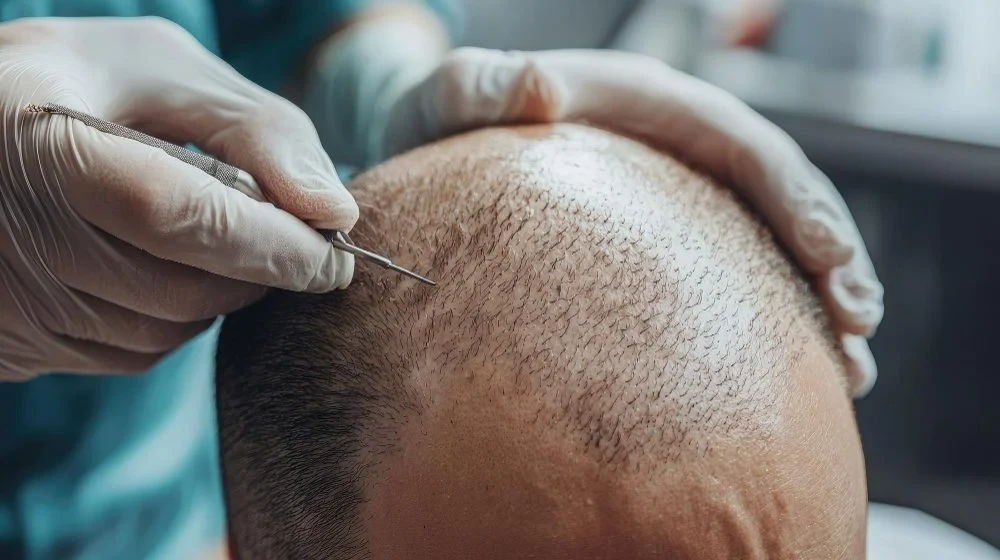
You can usually consider a buzz cut only after the recipient area has healed, the scabs have fallen away and your surgeon confirms that clippers will not irritate the transplanted scalp. For many patients, a guarded clipper cut is considered safer after roughly three to four weeks, while shaving extremely short or using a zero guard may require a longer wait. The donor area may tolerate trimming sooner than the recipient area, but FUE and FUT require different precautions. The safest timing therefore depends on how short you want to go, which area you are cutting and how your scalp is healing.
How Long Should You Wait Before Using Clippers?
Most patients should avoid running clippers directly over the transplanted area during the first couple of weeks because the scalp is still healing. By around three to four weeks, many people can use a guarded clipper if the recipient sites are fully closed and there are no remaining scabs. That timeline is not universal.A longer guard creates less direct pressure against the skin than a zero guard or foil shaver. For that reason, someone who only wants to shorten the hair may be cleared sooner than someone planning a very close buzz cut. Your clinic's postoperative instructions should take priority over a general timeline.
Can You Buzz Cut the Recipient Area After a Hair Transplant?
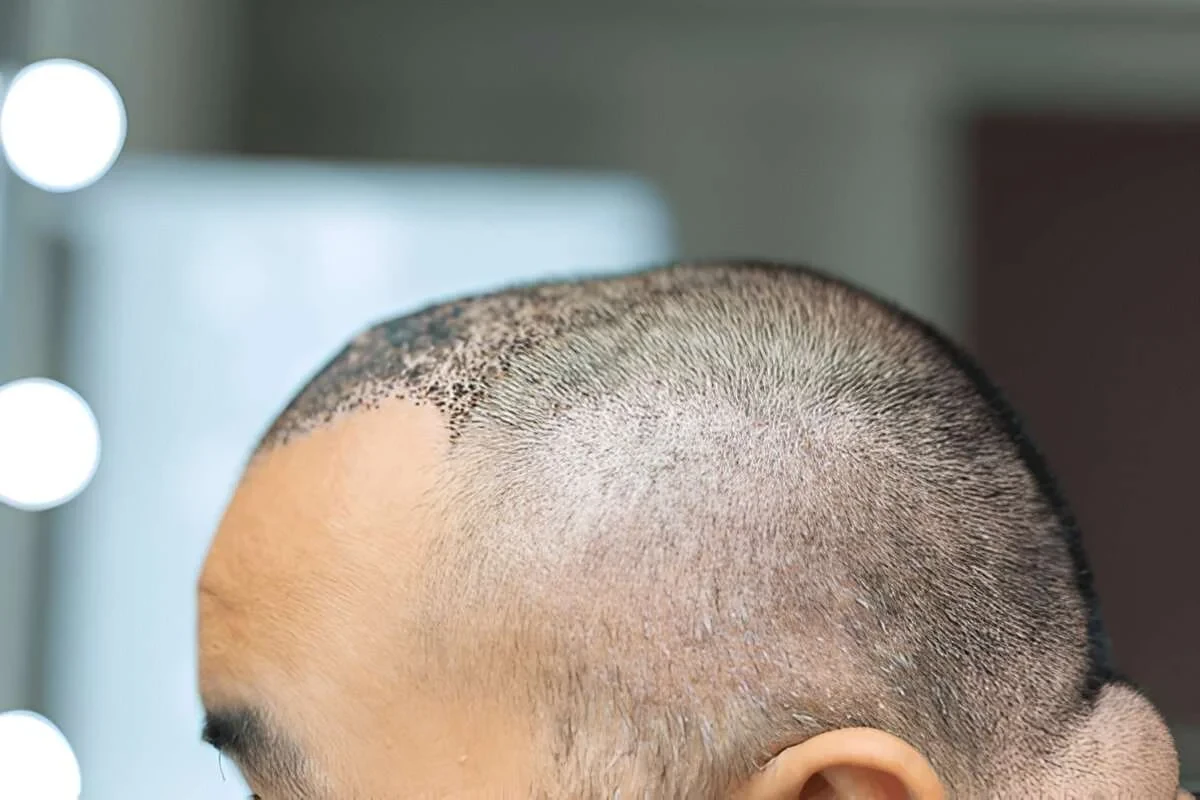
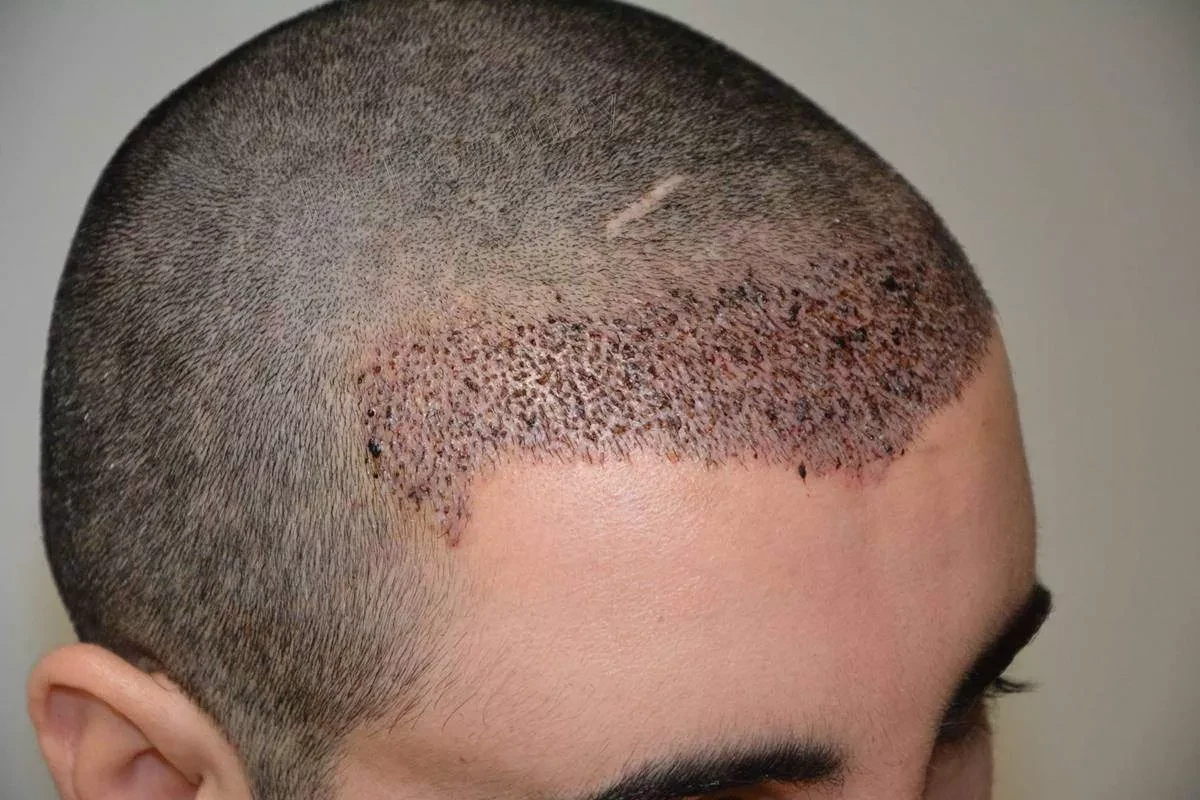
The recipient area can usually be buzzed once the grafts are secure and the surface of the scalp has healed. The key concern is no longer whether the grafts will simply fall out, but whether the clipper can irritate healing skin. By the time scabs have naturally detached and the skin is closed, the transplanted follicles are generally much more stable than they were during the first days. A guarded clipper can often be used before a very close shave. If the scalp remains red, sore, crusted or inflamed, it is better to wait. The first haircut should be gentle, without pressing the clipper head firmly into the scalp.Can You Buzz Cut the Donor Area Earlier?
The donor area often tolerates trimming earlier than the recipient area, especially after FUE. Small extraction sites usually close relatively quickly, and surrounding hair may become uneven as the shaved donor region starts growing back. Some patients are able to tidy the donor area after one to two weeks, depending on healing and clinic instructions. This does not mean every clipper length is appropriate that early. A close shave can expose redness, temporary thinning or healing extraction points. It can also make donor irregularities more noticeable before the area has fully settled. After FUT, the donor incision requires more caution because a linear scar is still healing.Buzz Cut Timeline After Hair Transplant
The safest haircut schedule depends on how close the clippers come to the skin and whether the scalp has healed normally. A general recovery timeline may look like this:- First 7 days: avoid clippers over the recipient area
- Around days 7 to 14: continue protecting the recipient area while scabs loosen
- Around 2 weeks: donor-area trimming may be possible in selected FUE patients
- Around 3 to 4 weeks: guarded clippers may be considered over the recipient area if healing is complete
- Around 4 to 6 weeks: shorter clipper settings may become more reasonable if the scalp is calm
- Later recovery: zero guard, skin fades or very close shaving can be considered once the clinic confirms the skin is fully healed
- After FUT: timing around the donor scar may be more conservative
Why Is a Zero Guard Different From a Longer Clipper Guard?
A zero guard brings the clipper blades much closer to the scalp and creates more direct contact with the skin. This is very different from trimming the hair with a longer attachment. The closer the cut, the more visible any redness, scabbing or temporary donor thinning becomes.A zero guard can also create more friction over sensitive areas. This is why a patient may be cleared for a number 3 or number 4 guard before being cleared for a zero cut. A very close buzz cut is not dangerous because it shortens the hair itself. The concern is mechanical irritation of skin that may still be recovering.
Is It Safe to Use Clippers After FUE?
Clippers can be used after FUE once both the donor and recipient areas have healed sufficiently. FUE does not leave a linear scar, but it creates many small extraction sites that still need time to close. The donor area often looks patchy at first because some hair was shaved for surgery while surrounding hair continues growing at a different length.A buzz cut can make the appearance more even, but going too short too early may highlight temporary redness or extraction marks. The recipient area still requires more caution. Even after the grafts are secure, the skin may remain sensitive for several weeks. Gentle technique is therefore more important than the haircut style itself.
Is Buzz Cutting Different After FUT?
Buzz cutting after FUT requires extra attention to the donor scar because strip surgery leaves a linear incision at the back of the scalp. The scar must heal before very short clipper settings are used over it. A longer guard may be necessary for cosmetic reasons as well. If the surrounding hair is cut too short, the linear scar may become visible before it has matured. Early redness can make this more noticeable.The recipient area follows a similar healing process to other transplant methods and should still be protected during the early weeks. Patients who regularly wear extremely short hairstyles may therefore find FUE more compatible with that preference, although FUE also leaves small dot scars.
Can You Use Scissors Before Clippers?
Scissors can often be introduced earlier than direct clipper contact because they do not need to press against the transplanted skin. However, the recipient hairs should still not be pulled, combed aggressively or manipulated during early healing.A careful trim of longer native hair may be possible before the transplanted region is ready for a full buzz cut. The scissors should stay away from healing scabs and should not catch newly implanted hairs. This option can be useful for patients who want to reduce uneven length without going extremely short. The difference is mechanical contact. Clippers move directly across the scalp, while scissors can shorten hair without repeatedly touching the recipient skin.
Can a Buzz Cut Damage Hair Transplant Grafts?
A properly performed buzz cut after the grafts are secure should not damage transplanted follicles because the clipper cuts the hair shaft above the skin rather than removing the follicle. The follicle remains beneath the scalp. Damage becomes more plausible when clippers are used too early and create friction, pressure or trauma over incompletely healed recipient sites. The risk is therefore mostly about timing and technique. Once healing is complete, cutting transplanted hair short has no reason to reduce graft survival. A buzz cut also does not make the transplanted follicles weaker. The new hairs continue to follow their normal growth cycles regardless of length.What If Scabs Are Still Present?
If scabs are still present, it is generally too early to run clippers directly over the recipient area. The clipper can catch crusts and pull them away before the skin underneath is ready. By the time normal postoperative washing has removed the crusting according to clinic instructions, the scalp is usually in a safer stage for later trimming. Persistent crusts should not be shaved off. If scabbing remains longer than expected, the better approach is to ask the transplant team whether the washing routine needs to change. Forcing crusts away with clippers, fingernails or a comb can irritate the skin and create unnecessary bleeding.Can You Get a Skin Fade After Hair Transplant?
A skin fade should usually be delayed longer than a standard guarded haircut because the technique takes the sides and sometimes the back extremely close to the skin. After FUE, this may reveal extraction marks before they have faded. After FUT, it can expose the linear donor scar. The fade itself does not harm mature grafts, but early clipper pressure around healing donor sites is unnecessary. Patients who want a high skin fade should wait until the donor skin has settled and their surgeon is comfortable with very close clipping. The recipient area may require separate timing if the fade extends near transplanted temples or the frontal hairline.Will Buzz Cutting Affect New Hair Growth?
Buzz cutting does not stop new transplanted hair from growing because the clipper removes only the visible shaft. The follicle beneath the skin continues its biological cycle. This remains true even during the early regrowth period. Many transplanted hairs shed after surgery and begin producing new strands several months later. Cutting those strands short does not reset that process. What matters is avoiding damage to the skin while it is still healing. Once the scalp is healthy, hairstyle length has no meaningful effect on follicle survival. The appearance may change temporarily because short hair provides less coverage, but the underlying number of growing follicles remains the same.What Factors Can Change the Safe Timing?
Not every patient heals at the same speed, so several details can change when clippers are appropriate. Important factors include:- Whether the transplant was FUE or FUT
- Presence of remaining scabs
- Recipient-area redness
- Donor-area tenderness
- Delayed wound healing
- Folliculitis or scalp inflammation
- The clipper guard length
- Whether a zero shave is planned
- Location of transplanted grafts
- Size of the procedure
- Previous scalp surgery
- Healing around an FUT scar
- Whether the clipper will contact the skin directly
How Should You Buzz Cut After Hair Transplant for the First Time?
The first post-transplant buzz cut should be conservative and performed with minimal pressure. Starting with a longer guard is usually more sensible than immediately going to the shortest setting. Make sure the scalp is clean and free of thick crusts before trimming. The clipper blades should also be clean to reduce unnecessary irritation. Move slowly over the recipient area rather than repeatedly passing over the same spot. Avoid pressing the machine into the scalp to achieve a closer cut. If the skin becomes painful, starts bleeding or looks irritated, stop. A professional barber can help, but the barber should understand that the scalp has recently undergone surgery.What Should You Avoid During the First Haircut?
The main goal of the first haircut is to reduce unnecessary friction while the scalp is still returning to normal. Avoid:- Using clippers before the scabs have cleared
- Pressing the blades firmly against the recipient area
- Starting with a zero guard without clearance
- Repeatedly passing over the same sensitive area
- Scratching the scalp with a comb
- Pulling transplanted hairs while trimming
- Using dirty or poorly maintained clippers
- Shaving across active redness or folliculitis
- Cutting directly over an unhealed FUT incision
- Applying irritating aftershave products afterward
- Treating minor bleeding as normal and continuing
- Ignoring your clinic's specific haircut restrictions
What If the Scalp Is Still Red or Tender?
Persistent redness or tenderness suggests that the scalp has not fully settled, even if enough time has passed according to a general haircut timeline. Some postoperative redness can last for several weeks, particularly in people with lighter skin tones. Mild colour change alone may not prevent trimming, but tenderness, open areas, pustules or active inflammation deserve more caution. Running clippers over irritated skin can worsen discomfort and potentially contribute to folliculitis. If the recipient area still feels painful when lightly touched, waiting longer is reasonable. The calendar matters less than the condition of the scalp.Can You Buzz Cut Before Transplanted Hair Starts Growing?
You can usually buzz cut before the new transplanted hairs become clearly visible, provided the scalp has already healed. Hair regrowth often takes several months, whereas the skin becomes stable much earlier. This means there can be a period when the transplanted area looks sparse but is already safe to trim. Some patients prefer a buzz cut during this phase because it makes the contrast between transplanted and native hair less noticeable. That can make the temporary shedding stage easier cosmetically. The haircut does not interfere with dormant follicles underneath the skin. Waiting for visible growth is therefore not medically necessary once the scalp itself has recovered.Does Buzz Cutting Make Transplanted Hair Grow Thicker?
Buzz cutting does not make transplanted hair grow thicker. Cutting a hair shaft creates a blunt end, which can make short hair feel coarser, but it does not increase the diameter or number of follicles. Hair thickness is determined by follicular characteristics, genetics and the maturation process after transplantation. New transplanted hairs may initially emerge finer and gradually become stronger over the following months. That change would occur whether the patient buzzes the hair or leaves it long. A short haircut can make the hair look more uniform, especially during uneven early regrowth, but it does not accelerate follicle maturation or increase graft survival.When Should You Ask Your Clinic Before Using Clippers?
You should ask your clinic before buzzing the scalp if healing has been slower than expected, scabs remain, the skin is painful or you want to use a very close clipper setting unusually early. Medical advice is particularly useful when there is:- Persistent recipient-area redness
- Bleeding or open skin
- Thick crusting beyond the expected period
- Pain when touching the scalp
- Folliculitis or pustules
- Ongoing donor swelling
- A healing FUT incision
- Concern about visible donor overharvesting
- Plans for a zero guard or razor shave
- A recent scalp injury
- Uncertainty about whether a scar has closed properly