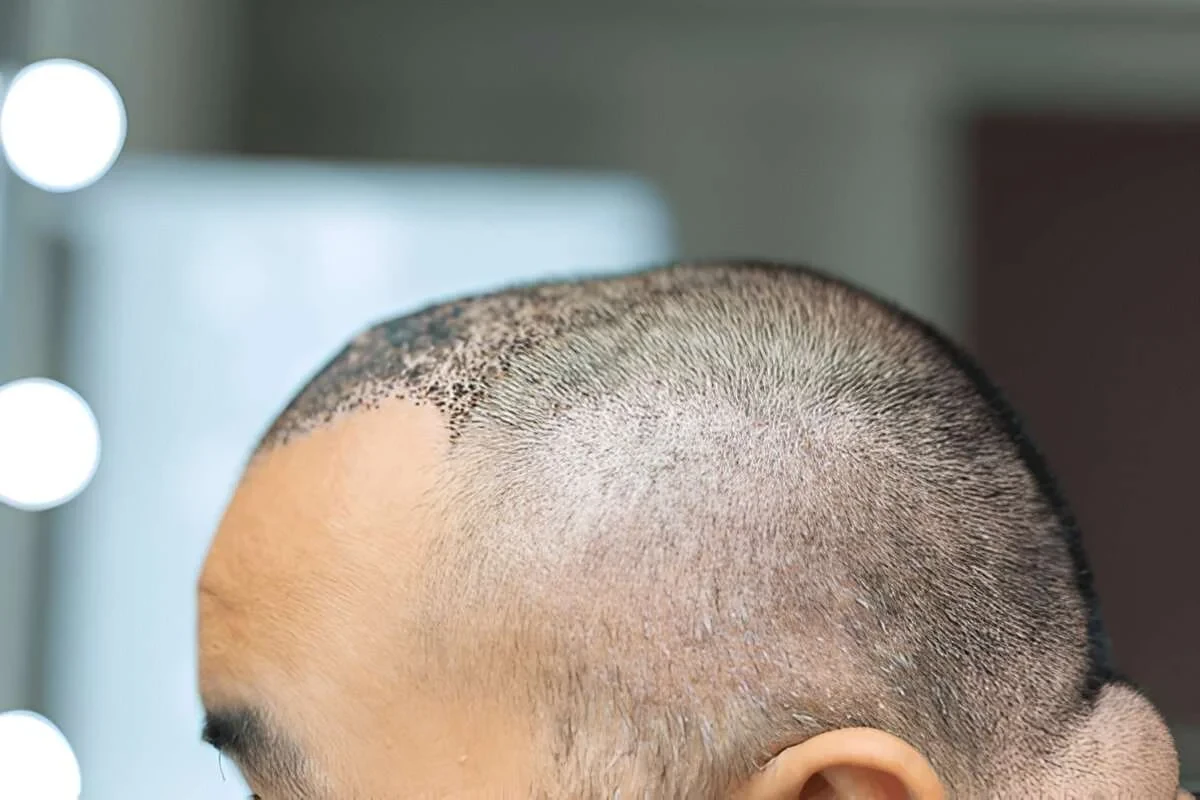
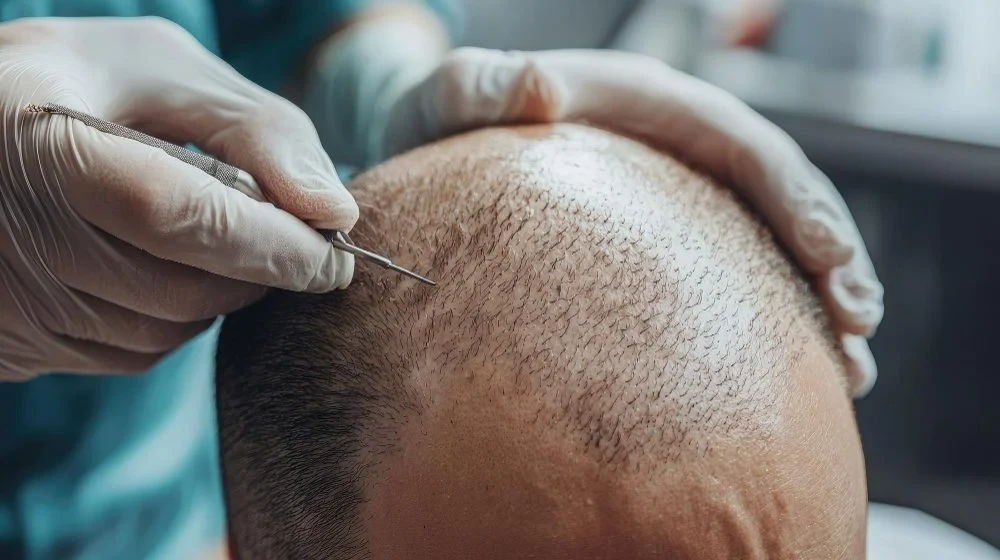
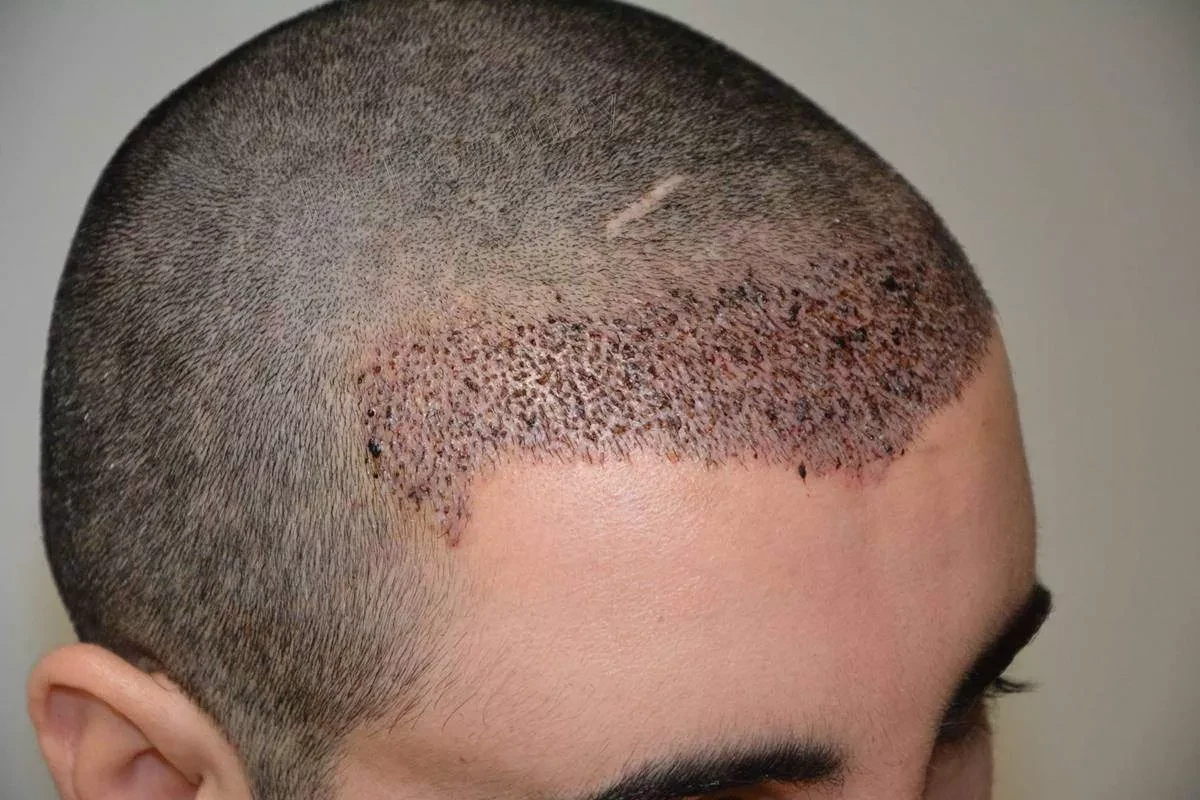
Hair Transplant for Thick Asian Hair
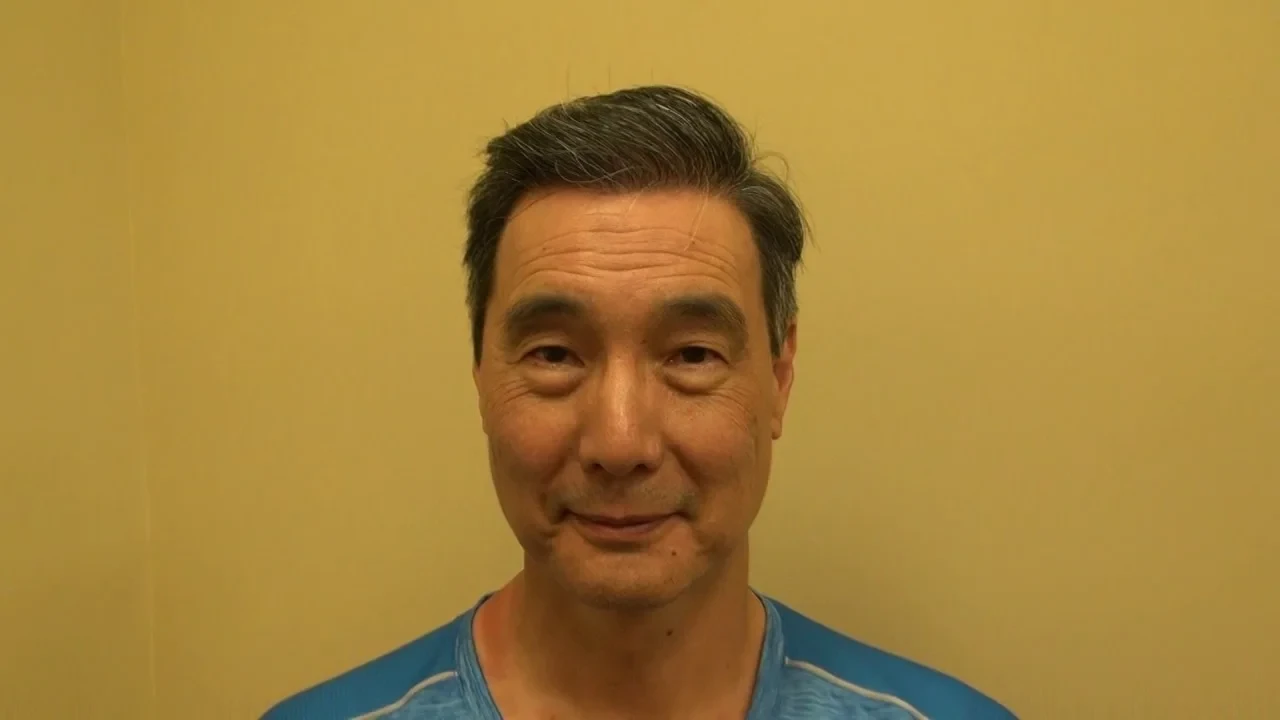
Thick Asian hair can create excellent visual coverage after a hair transplant, but its apparent fullness can sometimes hide important limitations in donor density and follicular distribution. Coarse, dark and relatively straight hair often makes every transplanted strand visually prominent, which means direction, spacing and hairline design require particularly careful planning. Asian hair is also highly variable, so assumptions based on ethnicity alone are not useful when calculating graft numbers or choosing a technique. A successful transplant starts by separating three different factors: how thick each hair is, how many follicular units exist in the donor area and how those hairs naturally leave the scalp.
How Does Thick Asian Hair Change Hair Transplant Planning?
Thick Asian hair changes transplant planning mainly because each individual strand can provide strong coverage while also making technical mistakes more visible. Large hair diameter can reduce scalp show-through, especially when grafts are positioned strategically. However, coarse hair should not automatically encourage extremely dense implantation. Straight strands often separate clearly from one another, so incorrect direction can become noticeable even when the transplant contains many grafts. The surgeon therefore needs to work with the natural behaviour of the patient's hair rather than simply maximizing graft numbers. Hair calibre, follicular-unit density, hairs per graft, scalp colour and future loss pattern should all influence the final design.Why Is Hair Thickness Different From Hair Density?
Hair thickness describes the diameter of each strand, while hair density describes how many follicular units or hairs occupy a particular area of scalp. These measurements are not interchangeable. Someone can have very thick-looking hair but only moderate follicular density. Coarse shafts can hide the spaces between follicles and make the donor area appear denser than it actually is. This distinction becomes especially important before FUE. If donor capacity is estimated only by visual fullness, too many grafts could be removed from an area that contains fewer follicular units than expected. A proper assessment measures actual donor density instead of relying on how heavy or thick the hair feels.What Should Be Evaluated Before Surgery?
A thick-hair transplant should begin with a detailed assessment of both the donor zone and the areas expected to thin in the future. Important features include:- Hair-shaft diameter
- Follicular-unit density
- Number of hairs within each graft
- Donor-area miniaturization
- Natural hair direction
- Hair-to-scalp colour contrast
- Shape of the existing hairline
- Degree of frontal or crown loss
- Family history of androgenetic alopecia
- Age and likely future progression
- Scalp laxity when FUT is being considered
- Previous transplant surgery
- Presence of scalp inflammation
- Styling habits and preferred hair length
Can Thick Hair Make a Small Number of Grafts Look Fuller?
Thick hair can make a moderate number of grafts appear fuller because larger shafts cover more visible scalp than fine hairs. This optical advantage can be significant in the frontal and midscalp regions. The effect is not unlimited. Very straight hair may create less overlapping coverage than curly hair, particularly when the scalp is visible between strands. Strong contrast between black hair and lighter skin can also expose lower-density areas.For this reason, graft requirements should be calculated according to surface area, existing hair and visual goals. A transplant does not need maximum numerical density everywhere to look full. Strategic placement often matters more than simply adding more grafts.
Why Does Straight Dark Hair Require Precise Placement?
Straight dark hair requires precise placement because individual strands remain visually distinct and can reveal incorrect angulation more easily than highly curled hair. The hairline is particularly unforgiving. A transplanted hair that emerges too vertically may stand away from neighbouring strands instead of blending into them. Direction also affects styling.The patient should be able to wear the hair naturally without depending on one specific hairstyle to hide technical irregularities. The surgeon therefore needs to recreate changes in angle across the frontal region, temples and midscalp. Natural hair rarely grows in identical parallel lines. Small variations in direction are necessary for a convincing result.
How Should the Front Hairline Be Planned?
The front hairline should be planned conservatively around facial proportions, age and anticipated future hair loss rather than being placed as low as possible. Thick hair can make a low hairline look especially strong.That can become a disadvantage if recession continues behind it. A natural Asian hairline can vary considerably between individuals, so one standard geometric design should not be applied to every patient. The frontal edge should also avoid excessive symmetry. Small irregularities help prevent the appearance of an artificial line. Hairline planning is therefore a long-term donor-management decision, not merely a cosmetic drawing made on the morning of surgery.
Why Is the Transition Zone So Important?
The transition zone determines whether the transplanted hairline looks naturally soft or abruptly dense. Thick hair makes this area especially important because coarse strands can create a harsh border. The first few millimetres should usually contain carefully selected single-hair follicular units. Density can then increase gradually behind them. Placing two-hair or three-hair grafts directly at the edge can make individual clusters visible. Spacing should also avoid obvious repetition. A successful transition zone does not look perfectly organized when viewed closely. It reproduces the irregular distribution found in naturally growing frontal hair. The strongest multi-hair grafts usually provide better value farther behind the visible edge.How Is Donor Capacity Measured in Asian Hair?
Donor capacity should be measured by examining follicular density, shaft calibre, miniaturization and the size of the safe donor zone. Visual thickness alone is insufficient. The surgeon may evaluate several regions at the back and sides because density is not identical throughout the donor area. Follicles near the upper or lower boundaries may also be less reliable if future pattern hair loss extends into those regions.Hair calibre remains valuable because thick donor hairs can create strong coverage once transplanted. However, the total number of safely removable follicular units still determines how much scalp can be reconstructed throughout a patient's lifetime. This is why donor planning should extend beyond the first operation.
Is FUE a Good Choice for Thick Asian Hair?
FUE can be an excellent option for thick Asian hair when donor anatomy allows follicular units to be removed with acceptable transection risk. Thick shafts themselves do not make the procedure unsuitable. FUE leaves many small extraction sites rather than one linear donor scar. This can appeal to patients who prefer shorter hairstyles, although shaving requirements and visible donor thinning also need consideration. The correct punch size depends on the follicular unit rather than the hair's ethnicity. An unnecessarily small punch may increase follicle injury, while an unnecessarily large punch removes more surrounding tissue. Extraction technique should therefore be adapted to the specific donor anatomy.Why Does Follicle Direction Matter During FUE?
Follicle direction matters because the path beneath the skin may not exactly match the angle of the visible hair shaft. Following only the surface direction can increase transection. This issue varies considerably from patient to patient. A follicular unit may change direction beneath the scalp, and multiple hairs within the same unit may not travel in perfectly parallel paths. Careful extraction uses magnification, controlled punch depth and adjustment based on how the follicles behave during the procedure. Thick shafts can make the visible entrance point easy to see, but they do not reveal the complete subcutaneous anatomy. Successful FUE therefore depends more on understanding follicular structure than on simply seeing a large hair.How Should Single-Hair and Multi-Hair Grafts Be Used?
Single-hair and multi-hair grafts should serve different cosmetic roles within the transplant. Single-hair units are generally most valuable where softness and detail matter. Multi-hair units provide stronger coverage behind the frontal transition and through the midscalp. With thick Asian hair, this sorting becomes especially important because a three-hair graft can appear very powerful once mature. Placing several coarse hairs together in the wrong location can create an unnatural cluster. At the same time, using strong multi-hair grafts strategically can improve coverage without consuming unnecessary donor units. Graft sorting should therefore be part of the design process rather than an afterthought during implantation.How Much Density Should Be Created in the Recipient Area?
Recipient density should be sufficient to create coverage without compromising blood supply, wasting donor grafts or creating an unrealistic design. More grafts per square centimetre do not automatically produce a better transplant. Existing native hair also changes the calculation. If the patient still has substantial miniaturized hair, aggressive implantation between those follicles may not be necessary or appropriate. Thick hair often allows satisfactory visual density at lower numerical implantation levels than very fine hair. The frontal region may receive greater priority because it frames the face, while the crown can be treated more conservatively. Density should therefore vary across the scalp instead of remaining identical in every zone.Can Temple Restoration Be More Difficult With Thick Hair?
Temple restoration can be technically demanding with thick hair because temporal hairs naturally grow very flat against the scalp. Coarse transplanted hairs that emerge too vertically can look particularly unnatural. The temples also require careful selection of finer single-hair grafts when available. Using the thickest donor hairs in this region may create an abrupt transition from the forehead to the side of the scalp.Some patients naturally have very strong temporal hair, while others have finer hairs around the edges. The design should follow the individual's remaining anatomy. Temple reconstruction should never be treated as a simple extension of the frontal hairline because the angles and aesthetic requirements are different.
How Should Crown Thinning Be Approached?
Crown thinning should be approached conservatively because the crown can consume large numbers of grafts while providing less visual impact than the frontal scalp. Its circular whorl pattern also requires precise direction. Thick hair can improve crown coverage once enough length develops. However, the surgeon still needs to recreate the natural change in direction around the whorl rather than fill the area with straight parallel rows. Younger patients need particular caution because crown loss may continue expanding. Using too much donor hair in the crown early can leave insufficient supply for future frontal or midscalp thinning. The crown should therefore be planned within the patient's complete long-term pattern.What Can Make a Thick-Hair Transplant Look Unnatural?
Thick hair can produce impressive coverage, but several planning errors become especially noticeable when the strands are coarse and straight. Common problems include:- A perfectly straight frontal edge
- Multi-hair grafts placed at the hairline
- Hair emerging too vertically
- Identical graft spacing across the frontal zone
- Excessively low hairline placement
- Dense frontal work with no plan for future recession
- Temples reconstructed with overly coarse grafts
- Parallel rows that remain visible at short lengths
- Poor matching of crown direction
- Excessive donor harvesting
- Large density differences between adjacent areas
- Ignoring native hair miniaturization
- Creating symmetry that natural hair does not normally have
Why Does Future Hair Loss Matter More Than First-Session Density?
Future hair loss matters because transplanted donor follicles may remain while susceptible native hairs continue to miniaturize around them. A strong first-year result can therefore change substantially over time. This is particularly relevant in younger men with early frontal recession. A very low dense hairline may look impressive initially but require enormous donor resources if thinning later extends through the midscalp and crown. Thick hair can temporarily conceal early progression, making conservative planning even more important.The goal should be to create a transplant that can still look coherent if additional native hair is lost. Long-term balance is usually more valuable than maximizing one session.
How Should Donor Hair Be Protected for the Future?
Donor hair should be treated as a limited lifetime resource rather than a supply that can simply be replenished during another operation. Good donor management includes:- Mapping the safest long-term donor zone
- Measuring density before extraction
- Avoiding excessive harvesting in one region
- Spreading FUE extractions evenly
- Leaving adequate coverage for short hairstyles
- Checking for donor miniaturization
- Reserving grafts for possible future recession
- Avoiding unnecessary attempts to maximize graft count
- Considering the patient's likely final hair-loss pattern
- Reviewing previous extraction sites before another procedure
- Using strong multi-hair grafts strategically
- Avoiding repeated removal near unsafe donor boundaries
What Should Women With Thick Asian Hair Know?
Women with thick Asian hair can be suitable transplant candidates, but the reason for thinning must be clearly established before surgery. Diffuse female hair loss can involve the donor area as well as the top. If donor follicles are also miniaturizing, transplantation may provide limited long-term benefit. Women seeking correction of a naturally high hairline or stable temporal recession can have different considerations from women with progressive diffuse thinning. Iron deficiency, thyroid disease, telogen effluvium and inflammatory scalp conditions should not be mistaken for a purely surgical problem. The transplant plan should therefore begin with diagnosis. When the donor zone is stable, thick shafts can provide excellent cosmetic coverage in carefully selected female patients.What Happens During the Growth and Maturation Period?
Thick Asian hair follows the normal transplant growth cycle, so patients should not expect the final calibre and density immediately. Many transplanted shafts shed during the first weeks. The follicle remains beneath the skin and later begins a new growth cycle. Early regrowth often appears uneven because different follicles start growing at different times. New hairs may initially look finer than expected before gaining thickness. Visible change typically becomes more noticeable over several months, with substantial maturation developing later in the first year. Crown growth can appear slower because the area is larger and its whorl pattern affects visual coverage. Final assessment requires patience rather than frequent early comparisons.Who Is the Best Candidate for This Type of Hair Transplant?
The best candidate has stable donor hair, a clearly defined transplantable pattern of hair loss and enough donor capacity to support both current and possible future needs. Thick shaft diameter is an advantage, but it cannot compensate for every limitation. A patient with severe diffuse donor miniaturization may still be a poor candidate despite having coarse hair.Likewise, uncontrolled scalp inflammation should be addressed before surgery. Realistic expectations are also essential. Hair transplantation redistributes existing follicles; it does not create an unlimited new supply. For thick Asian hair, the strongest results usually come from conservative donor use, carefully softened hairline design, precise angulation and strategic graft distribution rather than simply pursuing the highest possible density.