How Many Days Should You Stay in Istanbul After a Hair Transplant?
Istanbul has become a major destination for hair transplantation because many international patients can complete consultation, surgery, the first postoperative wash, and an early follow-up within one short trip. The operation itself usually takes place in a single day, but leaving immediately afterward is not always the most comfortable plan. So, how many days should you stay in Istanbul after a hair transplant, and when is it sensible to fly home? The practical timeline is explained below.
What Is the Recommended Stay in Istanbul After a Hair Transplant?
A stay of around three to five days in Istanbul is practical for many international hair transplant patients because it usually allows enough time for surgery, early recovery, the first wash, and an initial postoperative check.The exact schedule often begins with arrival and consultation, followed by surgery the next day. A postoperative review or first wash usually takes place before departure. Staying only long enough for the operation can make the trip unnecessarily rushed. An extra day also gives swelling time to become more predictable and allows the patient to ask questions while still close to the surgical team rather than trying to solve every concern from an airport or hotel in another country.
Is Three Days in Istanbul Enough?
Three days can be enough when the trip is organised efficiently and the patient arrives before surgery rather than on the same morning. A short schedule might include arrival and assessment on day one, surgery on day two, and postoperative review or first wash on day three before departure later that day. This format works best when travel is relatively simple and there are no unexpected medical or logistical issues. It leaves little room for flight delays, additional scalp checks, or recovery discomfort, however. For patients travelling a long distance, three days should usually be considered an efficient minimum rather than the most relaxed schedule.Why Do Many Patients Stay Four or Five Days?
Four or five days often create a more comfortable hair transplant trip because they provide additional recovery time without turning the procedure into a long medical stay. The extra time can be useful for several reasons:- Swelling has more time to settle
- The first wash can take place without rushing
- The donor area can be reviewed again if necessary
- Patients can practise the washing routine before travelling
- Airport travel becomes less stressful
- Early questions can be answered in person
- There is room for minor schedule changes
- Long-haul travellers can rest before flying
Can You Fly Home the Day After a Hair Transplant?
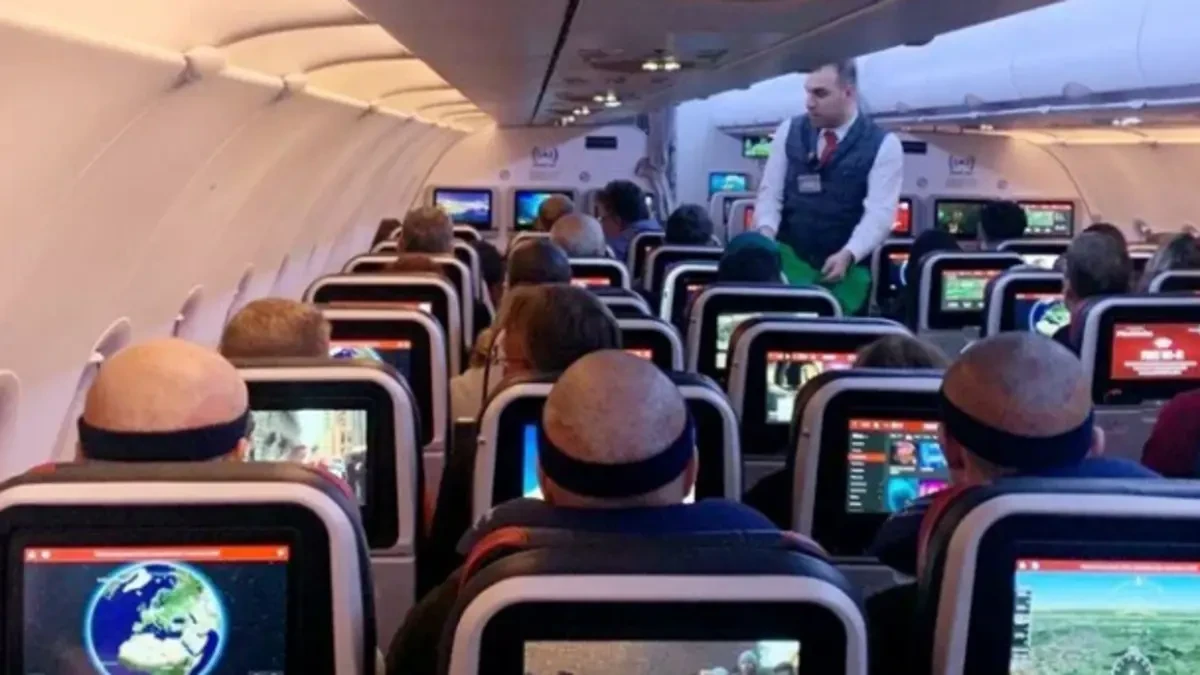
Flying home the day after a hair transplant is physically possible in many uncomplicated cases, but it is often less convenient than waiting until the first postoperative review has taken place. The first night can bring swelling, scalp tightness, sleep disruption, and uncertainty about how to protect the recipient area. A busy airport immediately afterward also creates practical risks such as accidentally touching the head, lifting heavy luggage, or struggling with postoperative instructions while tired. The aircraft cabin itself does not pull grafts from the scalp. The concern is therefore not cabin pressure. The bigger issue is whether the patient can travel comfortably while still protecting very fresh recipient sites.What Happens During the First 24 Hours?
The first 24 hours after hair transplant surgery are mainly about protecting the grafts, keeping the donor area clean, controlling swelling, and avoiding pressure on the recipient zone. Small amounts of fluid or spotting from the donor area can occur during the early period.The scalp may feel tight or mildly sore, while swelling can start around the forehead. Sleeping position becomes important because direct pressure on newly implanted grafts should be avoided. Patients are also usually advised to avoid strenuous activity, bending repeatedly, scratching, or washing the scalp normally during this early stage. This is why spending the first night in Istanbul often makes the entire trip easier to manage.
Why Is the First Hair Wash Important Before Leaving Istanbul?
The first hair wash is useful because it shows the patient how to clean the scalp without rubbing, scratching, or unnecessarily disturbing healing grafts. Many patients feel hesitant about touching the scalp after surgery. Watching the first wash in person makes the routine easier to understand than relying only on written instructions. The wash also helps remove dried fluid and begins the gradual process of softening postoperative crusts. It does not mean the scalp is completely healed. After returning home, washing continues carefully according to the postoperative plan. Staying until this demonstration has taken place can reduce anxiety and prevent overly aggressive washing during the first week.What Does a Typical Hair Transplant Trip to Istanbul Look Like?
A typical Istanbul hair transplant trip can be completed within several days when arrival, surgery, recovery, and postoperative care are scheduled in a logical order. One practical itinerary could look like this:- Day 1: Arrive in Istanbul, settle into the hotel, complete consultation or final assessment
- Day 2: Hair transplant surgery
- Day 3: Rest, early postoperative monitoring, swelling management
- Day 4: First wash and scalp review
- Day 5: Return flight if recovery is progressing normally
Does FUE or DHI Change How Long You Should Stay?
FUE and DHI-labelled procedures usually do not require dramatically different lengths of stay because both approaches involve follicular extraction and implantation followed by a similar early healing period. FUE describes how individual follicular units are removed from the donor area. DHI commonly refers to an implantation approach using implanter devices after graft extraction.The scalp still needs protection during the first days regardless of the implantation tool. A longer procedure or larger graft session can make patients feel more tired, but it does not automatically require several extra days in Istanbul. The postoperative condition of the scalp matters more than the technique name on the treatment package.
Does Swelling Affect the Flight Home?
Swelling can make the return journey uncomfortable because postoperative fluid may move from the forehead toward the area around the eyes during the first several days. Some patients develop very little swelling, while others notice a fuller forehead or puffiness near the eyes. This does not usually mean that the grafts are failing.Travelling while the face looks swollen can still be unpleasant, especially during a long flight or busy airport transfer. Allowing a few days before departure gives swelling time to declare itself and often begin improving. Following guidance about sleeping position and activity may also help make this stage easier.
Can Flying Damage Newly Transplanted Grafts?
Normal commercial flying does not damage hair grafts simply because of altitude or cabin pressure. The follicles sit within recipient sites in the scalp and are not pulled outward by changes in aircraft pressure. The practical risks are mechanical. A crowded boarding line, overhead luggage, low aircraft ceilings, headrests, and accidental contact with another passenger can all create opportunities to bump the recipient area. Long flights also involve dry cabin air, fatigue, and many hours in one position. Flying becomes easier once the patient understands how to protect the head and can travel without constantly worrying about every movement.How Soon Are Hair Grafts Secure?
Hair grafts become progressively more secure as the recipient sites heal, with the greatest need for protection occurring during the first several days after transplantation. Immediately after implantation, friction or a direct impact can potentially disturb a graft. As healing continues, this risk decreases considerably. Crust formation around the recipient sites is part of the normal early recovery process and should not be picked away manually. Patients sometimes assume that leaving Istanbul means the follicles must already be fully healed. That is not the case. Travelling home after several days is possible because the remaining recovery can be managed safely outside Istanbul when postoperative instructions are followed.What Should You Do at the Airport After a Hair Transplant?
Airport travel should be kept simple so the transplanted area is protected from accidental contact, heavy lifting, and unnecessary physical stress. Useful precautions include:- Use lightweight luggage
- Avoid lifting heavy bags into overhead compartments
- Move carefully through crowded security lines
- Do not lean the recipient area against a seat
- Keep postoperative medication in hand luggage
- Drink enough water
- Avoid scratching the scalp
- Follow instructions about headwear
- Keep travel documents easy to reach
- Allow extra time rather than rushing between gates
- Ask for assistance with baggage when necessary
- Avoid strenuous airport walking when swelling or fatigue is significant
Does a Long-Haul Flight Require a Longer Stay?
A long-haul flight can justify staying an extra day or two because the journey places more practical demands on the patient even when the scalp itself is healing normally. Someone flying from Istanbul to another nearby European city may spend only a few hours travelling. A patient returning to North America, Australia, Latin America, or parts of Asia may spend most of a day in airports and aircraft. Long travel increases fatigue and limits opportunities to adjust sleeping position or wash the scalp. Remaining in Istanbul until after the first wash and an early check can therefore be particularly helpful for long-haul patients. The extra time is about making the journey manageable rather than improving follicle survival.Should You Spend Extra Days in Istanbul Before Surgery?
Arriving at least one day before surgery is often more practical than landing shortly before the procedure, particularly after a long international journey. Flights can be delayed, luggage can go missing, and overnight travel can leave patients dehydrated or exhausted. A full day before surgery provides time to sleep, eat normally, settle into the hotel, and attend any planned assessment without rushing. Patients who arrive from distant time zones may also benefit from recovering from jet lag before spending several hours in a procedure. Adding a day before surgery can sometimes improve the overall experience more than adding another sightseeing day after surgery, when postoperative restrictions are greater.Can You Sightsee After a Hair Transplant?
Light walking may be possible after the earliest recovery period, but a hair transplant trip should not be planned as an intensive sightseeing holiday immediately after surgery. Istanbul involves hills, crowded streets, ferries, public transport, sun exposure, and long walking distances. These activities can lead to sweating and fatigue during a period when the scalp should remain relatively protected. A short relaxed walk is very different from spending an entire day visiting several major attractions. Patients who want to explore the city extensively are better off doing so before surgery. After transplantation, the priority should shift toward rest, careful washing, sleep positioning, hydration, and protecting the recipient area from unnecessary contact.What Could Make You Stay Longer Than Planned?
Most patients do not need a prolonged stay, but certain medical or practical circumstances can make postponing the return flight sensible. Reasons for staying longer can include:- More swelling than expected
- Persistent bleeding
- Significant donor-area discomfort
- Concerns about infection
- Difficulty following the washing routine
- An additional postoperative review
- Flight cancellation
- Severe fatigue after surgery
- A particularly long return journey
- Another medical condition affecting recovery
- Need for closer observation
- Unexpected problems with the surgical site
How Should You Choose Your Return Flight?
The return flight should be scheduled after the important postoperative appointments rather than forcing those appointments to fit around the cheapest available ticket. An evening flight can work well when the first wash takes place earlier that day, but adequate time should remain between the appointment and airport transfer.Very early morning departures may require waking during the night and rushing through the hotel routine. Direct flights are particularly useful because every connection adds more airport time, luggage handling, and opportunities for accidental head contact. When choosing between a slightly cheaper complicated route and a simple direct journey, the easier itinerary often has greater value during the first postoperative week.
What Should You Pack for the Recovery Trip?
Packing for a hair transplant trip should focus on loose clothing, easy travel, and avoiding anything that must be pulled tightly over the newly treated scalp. Button-front or zip-front tops can be useful after surgery because they reduce the chance of fabric rubbing against the recipient area. Other useful items include postoperative medications, personal toiletries, travel documents, a neck pillow when advised, and comfortable clothing for hotel recovery. Patients should avoid filling the trip with unnecessary luggage that later has to be lifted into taxis or overhead compartments. The goal is to make the return journey simple enough that protecting the scalp does not become a constant logistical challenge.Is It Better to Travel Alone or With Someone?
Travelling with another person can make the first postoperative days easier, especially for patients taking a long flight or those who feel anxious about managing luggage and transport after surgery. A companion can help with airport bags, hotel check-in, food, medication reminders, and avoiding accidental contact with the scalp. Travelling alone is still manageable for many patients when transfers and accommodation are organised in advance. The difference often comes down to how independent the person feels after a long procedure. Someone who becomes tired easily or is travelling across several time zones may appreciate assistance much more than a patient taking a short direct flight home.What Is the Best Overall Istanbul Hair Transplant Schedule?
For many international patients, arriving one day before surgery and leaving around two to three days afterward creates a practical total stay of approximately four to five days. This schedule provides time to arrive without rushing, complete surgery, rest through the earliest recovery period, attend the first wash, and travel home after the scalp has received an initial review. A shorter three-day trip can work when travel is simple and appointments align efficiently. Longer stays may be more comfortable for long-haul travellers or anyone who wants additional recovery time before flying.The best schedule is therefore not the shortest possible itinerary, but the shortest itinerary that still leaves enough room for safe, calm postoperative care.