7 Reasons Why You're Suddenly Losing Your Hair
What should you check first when hair starts falling out?
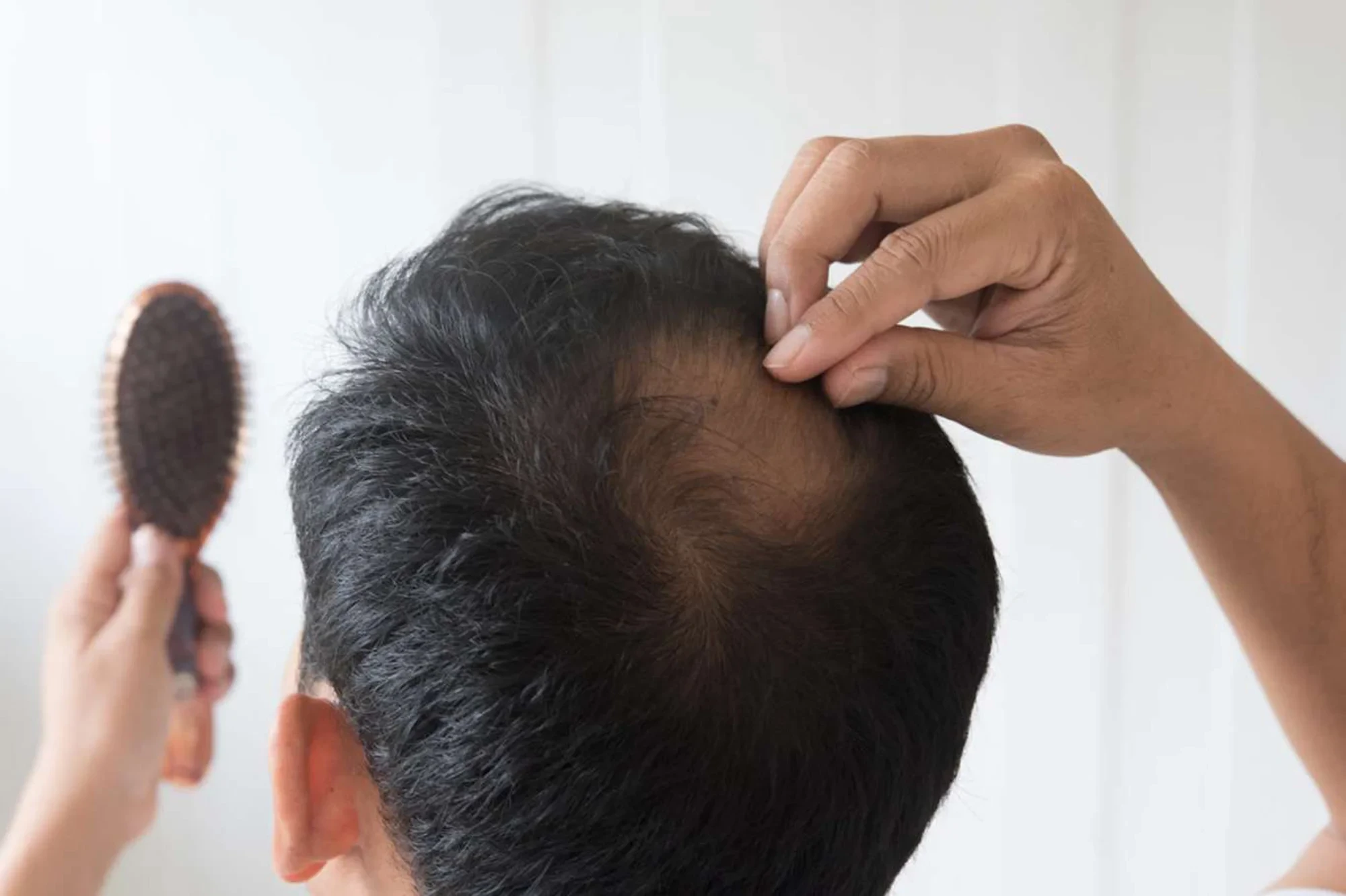
Start by noticing whether you are shedding from all over your scalp, thinning in a pattern, losing patches, or seeing breakage along the hair shaft. Diffuse shedding often points to a trigger inside the body, while patches, redness, scaling, pain, or rapid widening of the part deserve prompt medical attention. Sudden hair loss can sometimes signal an underlying condition that needs treatment, and a clinician may use your history, scalp exam, blood work, or other testing to identify the cause. A simple timeline helps. Think back two to four months: Did you have a fever, surgery, major stress, childbirth, a major diet change, a new medication, or a new hair treatment? Hair does not always react immediately, so the trigger may not be something that happened this week. Useful details to track include:- When the shedding started and whether it is improving or worsening
- Whether hair is coming out from the root or snapping mid-strand
- New scalp symptoms such as itching, burning, tenderness, flakes, or sores
- Recent health changes, weight changes, pregnancy, postpartum changes, or menopause symptoms
- New prescriptions, supplements, styling habits, chemical services, or tight hairstyles
1. Stress or illness has pushed more hairs into the shedding phase
One of the most common causes of hair loss that feels sudden is telogen effluvium, a form of excess shedding that can happen after physical or emotional stress. A severe illness, high fever, childbirth, surgery, intense stress, or another major body shock can shift more hairs than usual into the resting phase. Because the hair cycle moves slowly, shedding may show up months after the event rather than during it. This type of shedding often looks like handfuls in the shower, extra hair on your pillow, or a thinner ponytail, but not usually smooth bald patches. The good news is that it is often temporary once the trigger has passed, though regrowth takes patience. Hair grows gradually, so improvement may be easier to see in short new hairs along the hairline before you notice fullness returning. What helps most is addressing the underlying stressor and supporting basic health. Prioritize sleep, regular meals, gentle movement, and recovery from illness. If shedding continues, becomes severe, or comes with fatigue, weight changes, or other symptoms, it is worth checking for another cause.2. Hormonal changes are affecting your growth cycle
Hormones can strongly influence hair density, which is why this is one of the major reasons for hair loss in women. Shedding or thinning may appear after childbirth, when stopping or starting certain hormonal medications, during perimenopause or menopause, or when a hormonal imbalance affects androgen activity. Hormonal hair loss may appear as overall shedding, widening at the part, thinning near the temples, or reduced volume at the crown. Postpartum shedding is especially common because hormone levels shift after delivery. It can be dramatic, but it often reflects delayed shedding rather than damage to every follicle. Menopause-related thinning may be more gradual, although it can feel sudden once the change becomes visible in photos, styling, or shower drain buildup. Hormonal hair changes are not something you need to diagnose alone. If your hair loss comes with irregular periods, acne, increased facial hair, hot flashes, or sudden changes in weight or energy, a medical evaluation can help identify whether hormones, thyroid function, iron levels, or another factor is involved.3. Your diet is missing key nutrients
Hair is not the body’s top survival priority. When your intake drops too low or your diet lacks important nutrients, the body may shift energy away from hair growth. This can happen after crash dieting, restrictive eating, rapid weight loss, low protein intake, or poor absorption related to digestive issues. Nutrient-related shedding is usually diffuse rather than patchy. You may notice less volume everywhere, a smaller ponytail, or more hair collecting when you brush. Iron, protein, vitamin D, zinc, and certain B vitamins are often discussed in relation to hair, but guessing and taking high-dose supplements can backfire. A safer approach is to improve food consistency first: include protein at meals, add iron-containing foods when appropriate, eat colorful produce, and avoid extreme restriction. If you suspect a deficiency, testing is better than guessing. This is especially important if you are pregnant, postpartum, vegetarian or vegan, managing heavy periods, recovering from illness, or dealing with digestive symptoms.4. A thyroid issue or medical condition is showing up through your hair
Hair changes can be one of the clues that something else is happening in the body. Thyroid conditions, autoimmune disorders, anemia, scalp infections, and other medical issues can contribute to shedding or thinning. Some conditions cause diffuse loss, while others create patches, inflammation, scaling, or scarring that should be treated quickly. Pay attention to the company your hair loss keeps. Fatigue, feeling unusually cold or hot, changes in heart rate, unexplained weight changes, heavy periods, joint symptoms, or new skin changes can help a clinician decide what to test. Hair loss is rarely the only piece of the puzzle. This is also where timing matters. If you are suddenly losing hair and cannot connect it to stress, illness, diet, or styling, do not dismiss it as “just aging.” A basic evaluation can rule out treatable issues and prevent months of trial-and-error with products that were never going to solve the real problem.5. A medication or treatment has triggered shedding
Medication changes are another overlooked reason hair can start falling out. Some prescriptions and medical treatments can affect the hair cycle, and the timing may make the connection hard to spot. Hair loss may begin after starting a new medication, changing a dose, stopping a medication, or undergoing a treatment that affects rapidly dividing cells. Do not stop a prescription suddenly because you suspect it is affecting your hair. Some medications must be tapered or replaced carefully, and stopping them without guidance can create more serious health problems. Instead, write down what changed and when, then ask the prescribing clinician whether hair loss is a known side effect and whether alternatives exist. Bring a full list of prescriptions, over-the-counter medications, and supplements to your appointment. Supplements matter too, because high doses or combinations can interfere with health in ways that may affect hair indirectly. The goal is not to blame every product, but to find a realistic timeline.6. Your scalp is inflamed, infected, or reacting to something
Healthy hair growth depends on a healthy scalp environment. If hair loss arrives with itching, burning, pain, flakes, crusting, bumps, redness, or circular patches, the issue may be on the scalp itself. Scalp infections, inflammatory skin conditions, allergic reactions, and autoimmune hair loss can all change how hair grows or sheds. This category is important because some scalp conditions need targeted treatment. A soothing shampoo may help mild irritation, but it will not treat every infection or inflammatory condition. Waiting too long can allow symptoms to spread or, in some conditions, increase the risk of more lasting hair loss. Avoid scratching, harsh scrubs, or piling on multiple active products when your scalp is already irritated. Keep the routine simple until you know what you are dealing with. If you see smooth bald spots, broken hairs in patches, scaling rings, pus, tenderness, or rapid progression, seek care promptly.7. Styling habits are causing breakage or traction
Not all sudden “hair loss” is true shedding from the follicle. Sometimes the hair is breaking faster than it can appear to grow, especially after bleaching, relaxing, heat styling, tight ponytails, extensions, braids, or frequent brushing on fragile hair. In these cases, you may see shorter snapped pieces, frizz, thinning around the edges, or uneven density where tension is highest. Traction-related loss often appears along the hairline, temples, or areas where styles pull repeatedly. Chemical and heat damage can show up as split ends, rough texture, and breakage that worsens after washing or detangling. The practical fix is to reduce tension and give the hair shaft fewer reasons to snap. Try this reset for six to eight weeks:- Choose looser hairstyles that do not tug at the edges.
- Pause or space out bleaching, relaxing, and high-heat styling.
- Detangle gently with conditioner and a wide-tooth comb.
- Use heat protectant when heat is necessary.
- Avoid sleeping in tight styles or heavy extensions.
- Trim damaged ends if they are splitting upward.