Alopecia Totalis: Causes, Symptoms, Treatment, and Hair Regrowth
What Is Alopecia Totalis?
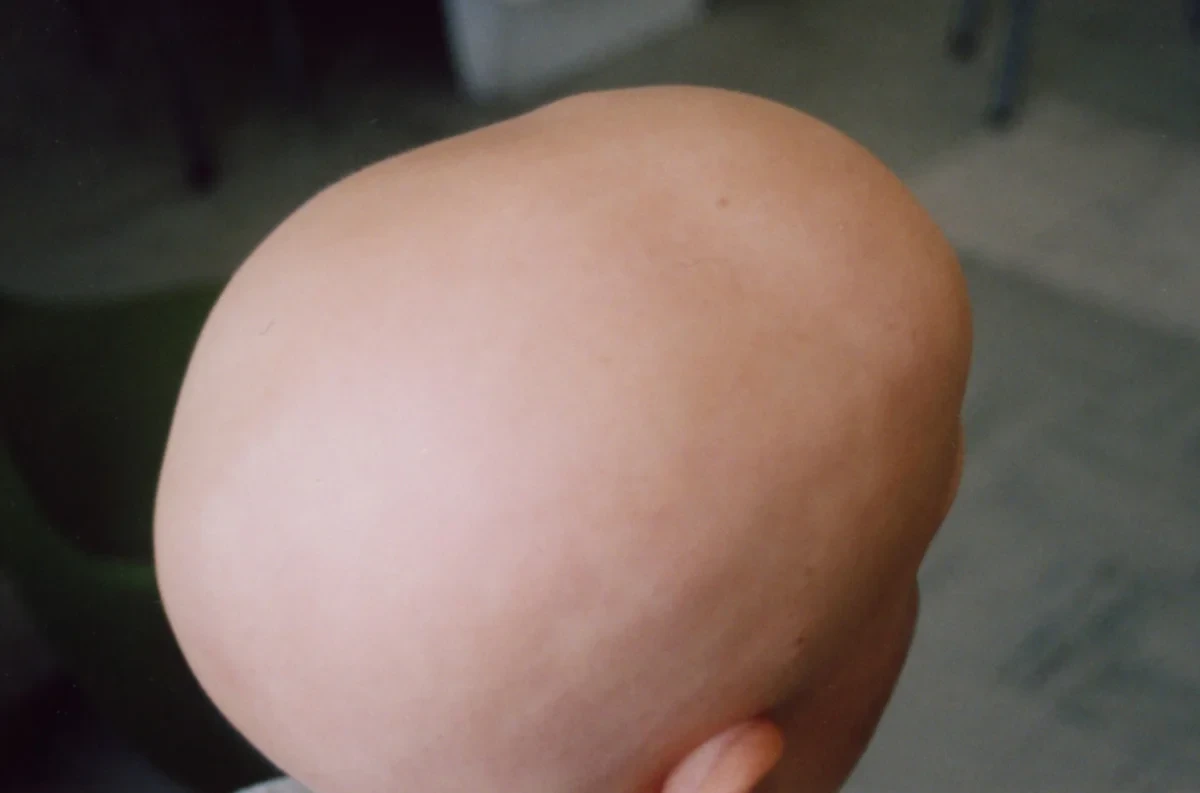
Alopecia totalis is an autoimmune hair loss condition that causes complete or nearly complete loss of hair across the scalp. It is considered an extensive form of alopecia areata. The immune system mistakenly targets structures around active hair follicles, interrupting normal hair production. The follicles usually remain present beneath the skin, which means regrowth can sometimes occur. Hair loss may develop gradually from separate bald patches or progress rapidly across the entire scalp.Alopecia totalis does not usually cause scarring, so the scalp often remains smooth. The condition can affect people of different ages and may follow an unpredictable course.
What Causes Alopecia Totalis?
Alopecia totalis develops when the immune system mistakenly attacks hair follicles and disrupts their normal growth cycle. The exact reason this immune response begins is not fully understood. Genetic susceptibility appears to play a role, while environmental and biological triggers may influence when the condition becomes active. The follicles themselves are generally not permanently destroyed during the early disease process. Instead, inflammation around the follicles causes hair production to stop. This explains why some people experience regrowth later. Alopecia totalis is not caused by poor hygiene, hair products, frequent washing, or ordinary styling habits.Is Alopecia Totalis an Autoimmune Condition?
Alopecia totalis is an autoimmune condition in which immune activity becomes incorrectly directed toward growing hair follicles. The immune system normally protects the body from infections and harmful substances. In alopecia totalis, immune cells gather around susceptible follicles and interfere with normal hair growth. The hair then enters a resting or shedding phase. Because the follicle structure often remains intact, hair production may restart if the immune attack decreases. Autoimmune activity can vary considerably over time, which helps explain why some people experience periods of regrowth followed by renewed loss. The severity and duration are difficult to predict from appearance alone.What Are the Symptoms of Alopecia Totalis?
The main symptom of alopecia totalis is widespread scalp hair loss that progresses until very little or no visible hair remains. Common features can include:- Rapid or gradual loss of scalp hair
- Smooth areas without visible scarring
- Previous round or oval bald patches
- Short broken hairs during active loss
- Changes in eyebrow or eyelash density
- Nail pitting or surface changes in some people
- Periods of regrowth followed by renewed shedding
- Little or no scalp inflammation visible to the eye
How Does Alopecia Totalis Usually Begin?
Alopecia totalis often begins as one or more patches of alopecia areata before hair loss spreads across most or all of the scalp. Some people initially notice a small circular area with smooth skin. Additional patches may then appear and gradually merge together. In other cases, widespread shedding progresses more quickly without a long patchy stage.The transition from limited alopecia areata to total scalp involvement cannot always be predicted. Early patches may also regrow without developing further. When loss continues across multiple scalp regions, the condition may eventually meet the pattern associated with alopecia totalis.
What Is the Difference Between Alopecia Areata and Alopecia Totalis?
Alopecia areata usually causes localized patches of hair loss, while alopecia totalis involves complete or almost complete loss of scalp hair. Both conditions belong to the same autoimmune disease spectrum.Alopecia areata may remain limited to one or several patches for long periods. Alopecia totalis represents a more extensive form in which scalp involvement becomes widespread. The underlying mechanism remains similar because immune activity disrupts susceptible hair follicles. A person can move between different levels of severity over time. Limited alopecia areata does not automatically progress to totalis, and extensive hair loss can sometimes improve significantly.
What Is the Difference Between Alopecia Totalis and Alopecia Universalis?
Alopecia totalis affects the scalp, while alopecia universalis causes extensive hair loss across both the scalp and the rest of the body. Someone with alopecia totalis may still have eyebrows, eyelashes, beard hair, and body hair. Alopecia universalis can involve these areas as well. Both conditions are severe forms within the alopecia areata spectrum and share an autoimmune mechanism. The distinction is based mainly on the distribution of hair loss. Progression from totalis to universalis can occur, but it is not inevitable. Body hair involvement may also vary, with some areas affected more strongly than others.Can Alopecia Totalis Affect Eyebrows and Eyelashes?
Alopecia totalis can be accompanied by eyebrow or eyelash loss, although these areas are not always affected. The defining feature of totalis is extensive scalp hair loss. Eyebrow and eyelash involvement may appear at the same time or develop later. Some people retain these hairs even after complete scalp loss. If the condition progresses to widespread loss across the body, it may be described as alopecia universalis. Eyebrow and eyelash changes can also fluctuate independently from scalp regrowth. Their involvement therefore provides information about disease extent but does not reliably predict whether scalp hair will return.Is Alopecia Totalis Permanent?
Alopecia totalis is not always permanent because the affected follicles can remain capable of producing hair even after prolonged hair loss. The condition is unpredictable, and long-term outcomes differ considerably. Some people experience partial or extensive regrowth, while others have persistent loss for many years. Regrowth can also be followed by another episode of shedding. Longer disease duration and extensive involvement may be associated with a more difficult course, but they do not provide absolute predictions. Because alopecia totalis generally does not destroy follicles through scarring, biological potential for renewed growth may remain even when the scalp has been hairless for an extended period.Can Hair Grow Back After Alopecia Totalis?
Hair can grow back after alopecia totalis because the condition often interrupts follicle activity without permanently destroying the follicle itself. Regrowth may begin in isolated areas before spreading across larger regions. Early hairs can appear fine, light in color, or different in texture from previous hair. These changes may become less noticeable as growth continues. Some people regain substantial density, while others experience only partial improvement. Hair can also grow back and later shed again.The likelihood and extent of regrowth cannot be predicted accurately for every person, making regular assessment more useful than assuming the condition will follow a fixed course.
How Long Does Hair Regrowth Take With Alopecia Totalis?
Hair regrowth with alopecia totalis usually develops over months rather than days because follicles need time to re-enter the active growth phase. The first visible hairs may be short, fine, and lightly pigmented. Additional follicles can become active gradually, so density often improves unevenly. Treatment response also takes time because changes in immune activity do not immediately produce long hair. Several months may pass before meaningful cosmetic improvement becomes visible. Longer growth is required before texture and coverage can be assessed properly. The timeline can differ widely, and early regrowth does not guarantee that every scalp region will recover at the same rate.Can Alopecia Totalis Return After Hair Regrowth?
Alopecia totalis can return after successful hair regrowth because autoimmune activity may become active again later. A person may regain significant scalp coverage and remain stable for a period before another episode begins. Recurrence can appear as small patches or more widespread shedding. The timing is unpredictable, and some people experience repeated cycles over many years.Regrowth therefore does not always mean the underlying tendency has disappeared permanently. Continued observation remains useful even when the hair appears fully restored. A new patch or sudden increase in shedding may represent renewed activity rather than ordinary seasonal hair loss.
How Is Alopecia Totalis Diagnosed?
Alopecia totalis is usually diagnosed by examining the pattern of hair loss, the scalp surface, remaining hairs, and the history of progression. The smooth, non-scarring appearance often provides an important clue. Previous episodes of patchy alopecia areata can also support the diagnosis. Close scalp examination may reveal short broken hairs or other features associated with active disease. Nail changes can sometimes provide additional information. A scalp biopsy is not required in every case, but it may be considered when the appearance is unusual. The main objective is to distinguish autoimmune hair loss from scarring conditions, infections, and other causes of extensive shedding.Are Blood Tests Needed for Alopecia Totalis?
Blood tests are not required to confirm every case of alopecia totalis, but they may help identify associated conditions or alternative causes of hair loss. The diagnosis is often based mainly on the clinical pattern. Testing may become useful when symptoms suggest thyroid disease, nutritional deficiency, anemia, or another autoimmune condition. Blood work can also help evaluate unexplained fatigue or other systemic symptoms occurring alongside hair loss. Normal laboratory results do not rule out alopecia totalis because the disease can occur without obvious abnormalities on routine testing. Tests are therefore used to add context rather than provide a single definitive result.Is Alopecia Totalis Hereditary?
Alopecia totalis can have a genetic component, but it is not inherited in a simple pattern where every affected parent passes the condition to a child. Some families have more than one person with alopecia areata or related autoimmune conditions. This suggests that inherited immune characteristics can increase susceptibility. However, genetics alone does not determine who develops total scalp hair loss. Many people with alopecia totalis have no close relative with the same condition. Environmental and immune factors are also involved. Family history can therefore increase awareness of susceptibility, but it cannot accurately predict whether someone will develop alopecia totalis.Can Stress Cause Alopecia Totalis?
Stress may contribute to disease activity in some people, but it is not considered the sole cause of alopecia totalis. The underlying condition involves an autoimmune response against hair follicles. Significant emotional or physical stress may coincide with the beginning of hair loss or a later recurrence. However, many episodes appear without an obvious stressful event. Blaming stress alone can oversimplify a complex immune condition. Stress management may support general well-being and sleep quality, but reducing stress does not guarantee hair regrowth. Alopecia totalis should therefore be understood as an autoimmune disorder rather than simply a reaction to emotional pressure.What Treatments Are Used for Alopecia Totalis?
Treatment for alopecia totalis focuses on reducing abnormal immune activity and encouraging hair follicles to return to active growth. Approaches may include topical therapies, corticosteroid-based treatments, immune-modifying medication, or newer targeted treatments for extensive alopecia areata. The choice depends on age, disease severity, duration, previous treatment response, and general health. Extensive scalp involvement can be more difficult to treat than a small patch of alopecia areata. Improvement also requires patience because visible hair growth develops slowly. Treatment may produce substantial regrowth in some people, while others experience limited improvement or renewed loss after an initial response.Can Alopecia Totalis Be Cured?
Alopecia totalis does not currently have a guaranteed permanent cure, although treatment can produce meaningful or extensive hair regrowth in some people. The autoimmune tendency can remain present even after the scalp regains hair. This means successful treatment does not always prevent future recurrence. Some people experience long periods of stable regrowth, while others cycle between improvement and renewed shedding. Treatment aims to control disease activity and restore hair rather than promise permanent elimination of the underlying tendency. Long-term management may therefore be necessary when the condition repeatedly becomes active or when maintaining regrowth requires ongoing therapy.Is Hair Transplant Suitable for Alopecia Totalis?
Hair transplantation is generally not considered a suitable solution for active alopecia totalis because the immune process can also affect transplanted follicles. Unlike typical pattern baldness, alopecia totalis does not simply involve permanent loss in one area with a stable donor zone elsewhere. The autoimmune condition can target follicles across the scalp. Moving hair from one region to another therefore does not remove the underlying disease process. Even transplanted follicles may become affected if immune activity remains active. Treatment usually focuses first on controlling alopecia areata activity and encouraging natural follicles to regrow rather than replacing them surgically.How Can You Care for the Scalp With Alopecia Totalis?
Scalp care with alopecia totalis should focus on gentle cleansing, skin protection, sun protection, and avoiding unnecessary irritation. A hairless scalp receives more direct ultraviolet exposure than one covered by dense hair. Appropriate sun protection therefore becomes important outdoors. Cold weather can also feel more intense because hair no longer provides insulation.Gentle cleansing helps maintain normal skin hygiene without aggressive scrubbing. Moisturizing may be useful if dryness develops. Wigs, scarves, and head coverings can provide practical protection and cosmetic options. These measures do not treat the autoimmune process, but they can make everyday scalp care more comfortable.