Can Tight Hairstyles Cause Alopecia?
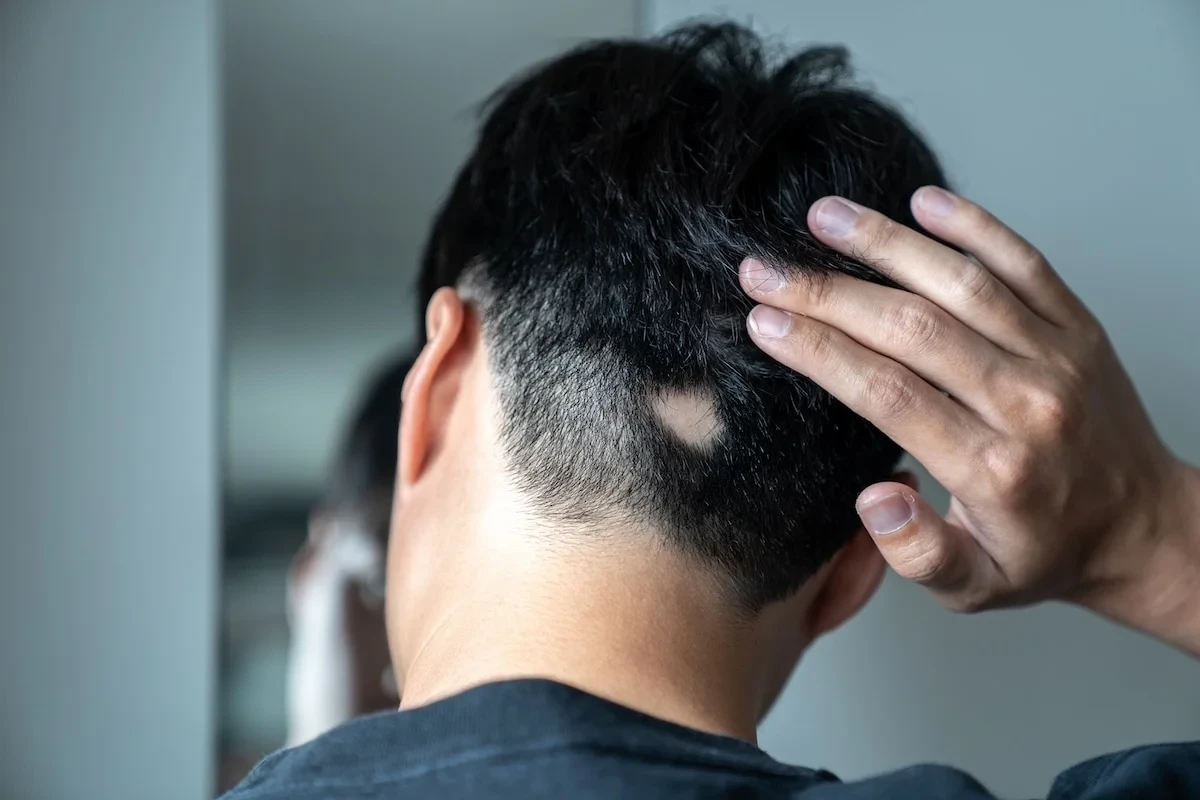
If you’ve ever taken down braids, a sleek ponytail, extensions, or a bun and felt your scalp breathe a sigh of relief, that tight feeling is worth paying attention to. Can tight hairstyles cause alopecia? Yes, repeated pulling on the hair can lead to a form of hair loss called traction alopecia, especially when styles are worn tightly or for long periods. The good news is that early changes are often easier to address than long-standing damage, and small styling adjustments can make a real difference.
Can tight hairstyles cause alopecia?
Tight hairstyles can cause alopecia when they place repeated tension on the hair and scalp. Dermatologists call this traction alopecia, a type of hair loss linked to prolonged or repetitive pulling on hair follicles. Styles that may contribute include tight ponytails, buns, cornrows, braids, locs, weaves, and extensions, particularly when they feel painful, heavy, or too snug.This does not mean every braid, bun, ponytail, or protective style is harmful. The issue is tension. Hair follicles can tolerate normal styling, but constant stress may irritate the scalp, weaken strands, and eventually affect how hair grows. If the pulling continues for a long time, traction alopecia can become more difficult to reverse, which is why noticing early warning signs matters.
What traction alopecia usually looks and feels like
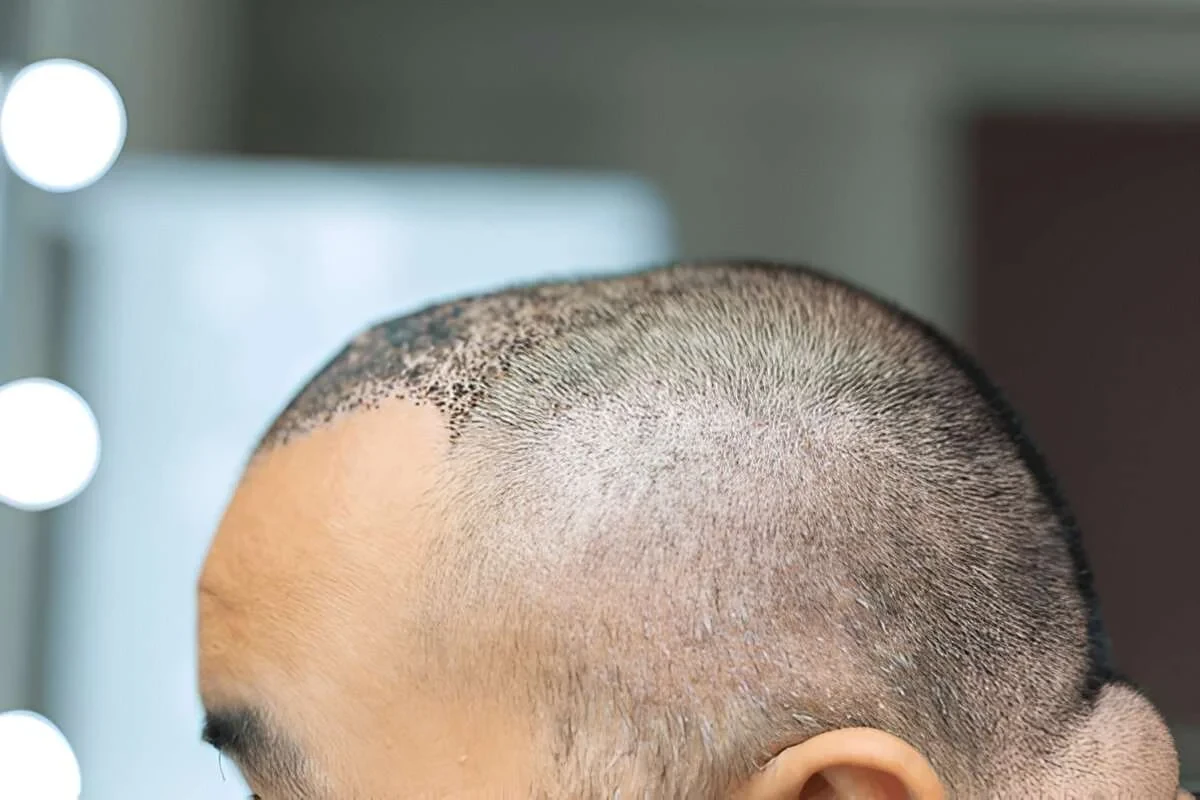
Traction alopecia often appears in the areas that take the most stress. For many people, that means the hairline, temples, edges, or around the nape of the neck. You may first notice thinning, shorter broken hairs, bumps, tenderness, itching, redness, or a sore scalp after styling. One of the clearest signs that a style is too tight is pain. A style may look polished, but if it causes throbbing, headaches, visible pulling at the roots, or small raised bumps, your scalp is telling you something. A hairstyle should not require you to “wait it out” for several days until it becomes comfortable. More advanced traction alopecia can leave areas where hair no longer fills in the way it used to.Protective styles should actually protect your hair
Protective styles are popular because they can reduce daily manipulation, help retain length, and give natural hair a break from heat or constant brushing. But a style is only protective if it protects both the strands and the scalp. A style that is too tight, too heavy, left in too long, or installed on already fragile hair can create the very breakage and thinning it was meant to prevent.A healthier protective style usually has three qualities: low tension, manageable weight, and easy scalp access. You should be able to move your eyebrows, smile, sleep, and gently cleanse your scalp without pain. If extensions are involved, the added hair should not tug at your roots or make your scalp feel strained.
A low-tension styling checklist
Before committing to a style, use this quick check:- Your scalp does not hurt during or after installation.
- The skin around your hairline is not raised, shiny, red, or bumpy.
- You can sleep comfortably the first night.
- Your edges are not being pulled flat or stretched tightly.
- The style is not so heavy that it tugs when you turn your head.
- You can moisturize or cleanse your scalp as needed.
- You feel comfortable asking the stylist to loosen a section immediately.
Why tight hairstyles alopecia can sneak up slowly
Tight hairstyles alopecia often develops gradually, so people may not connect thinning edges or scalp soreness with styling habits right away. Hair loss does not always happen after one style. It can come from months or years of repeated tension in the same areas. This is why the pattern matters. If you always part your hair in the same place, wear your bun at the same height, slick your hair back daily, or reinstall extensions as soon as you remove them, the same follicles keep taking the pressure.Even a style that feels only “a little tight” can become a problem if the tension is constant. There is also a cultural and practical side to this conversation. Many people rely on braids, wigs, weaves, buns, or locs for convenience, personal expression, work, workouts, weather, or hair maintenance. The goal is not to shame any style. The goal is to make the style work with your hair health instead of against it.
Hair habits that can lower your risk
Small changes can reduce pulling without forcing you to give up the looks you enjoy. Start by rotating styles so the same areas are not under stress week after week. If you wear a ponytail often, vary the placement and use soft ties. If you wear braids, ask for less tension around the hairline and avoid extremely small or heavy sections. Helpful habits include:- Speak up during styling. If a braid, track, twist, or ponytail hurts, ask for it to be loosened right away.
- Give your scalp breaks. Build in time between high-tension styles so your roots are not constantly under strain.
- Protect your edges. Avoid pulling baby hairs or thinning areas into tight gels, bands, or braids.
- Watch the weight. Very long or heavy extensions can pull even when the installation feels neat.
- Avoid sleeping in tension. Tight buns, ponytails, or wrapped styles overnight can keep pressure on the same follicles.
- Be gentle on takedown day. Rushing removal can cause extra breakage, especially if shed hair has tangled.
When should you look for hair loss solutions?
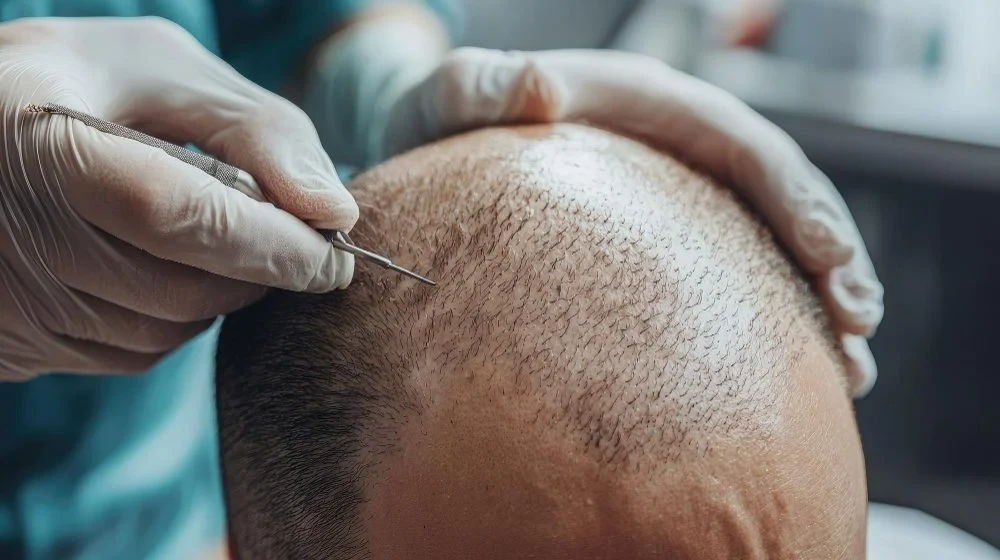
You should look for hair loss solutions early if you notice thinning around the hairline, repeated scalp soreness, bumps after styling, widening parts, or areas that are not growing back after you stop tight styles. Early traction alopecia may improve when the pulling stops, but ongoing or severe cases may need medical care. A dermatologist can help confirm whether your hair loss is from traction, another condition, or a combination of factors. This distinction matters because not all hair loss has the same cause.Shedding after stress, hormonal changes, autoimmune alopecia, scalp inflammation, breakage from chemical processing, and genetic thinning can look similar to the untrained eye. Guessing can delay the right care. A dermatologist may suggest changes to styling habits, scalp treatments, anti-inflammatory options, or other therapies depending on what they find.
Styles to reconsider if your scalp is already stressed
If you are seeing thinning or soreness, it may help to pause styles that pull from the root. That can include tight slick-backs, high buns, tight cornrows, microbraids, heavy box braids, sew-ins with tight braiding foundations, glued styles near fragile edges, or extensions that tug when they move. Instead, choose styles that let your scalp rest. Loose twists, gentle braid-outs, low-tension updos, soft headwraps that do not rub, wash-and-go styles, loose buns with soft accessories, or shorter-term styles may be better options while you assess what your hair needs.The right choice depends on your texture, density, lifestyle, and comfort level. A simple rule works well: if a style depends on pulling your hair tightly to look finished, it may not be the best everyday option. Save higher-tension looks for rare occasions, and avoid them entirely if your scalp is already showing warning signs.