DHT Dihydrotestosterone: Function, Levels and DHT Blockers
What Is DHT?
DHT, or dihydrotestosterone, is a potent androgen hormone produced mainly when testosterone is converted by enzymes called 5-alpha reductases. DHT binds to the same androgen receptor as testosterone but produces stronger androgenic signaling in several tissues. It plays an important role in male external genital development before birth.During and after puberty, it contributes to facial and body hair development and prostate growth. DHT is also strongly associated with androgenetic alopecia in genetically susceptible scalp follicles. Its effects depend heavily on the tissue involved, so DHT should not simply be described as either beneficial or harmful.
How Is DHT Produced?
DHT is produced when 5-alpha reductase enzymes convert testosterone into dihydrotestosterone inside androgen-responsive tissues. Several 5-alpha reductase isoenzymes are present throughout the body. Type 1 is expressed in tissues including skin and liver, while Type 2 is particularly important in prostate and genital tissues.DHT production can therefore occur locally and does not always mirror the amount measured in the bloodstream. Once produced, DHT binds to androgen receptors and changes gene activity within responsive cells. This local production helps explain why two people with similar circulating hormone levels can experience very different androgen-related effects in their hair or prostate.
What Does DHT Do in the Body?
DHT supports male external genital development, prostate growth, facial and body hair patterns, and several androgen-dependent changes that become evident during puberty. Its importance is particularly clear from people with inherited 5-alpha reductase deficiency. When testosterone cannot be converted normally into DHT, male external genital development can be significantly altered before birth. During puberty, DHT contributes to facial hair, body hair and prostate development. Testosterone remains more important for muscle growth, voice changes and spermatogenesis. DHT therefore performs specific androgenic functions rather than simply acting as a stronger version of testosterone everywhere in the body.Is DHT Stronger Than Testosterone?
DHT generally produces stronger androgen-receptor activity than testosterone because it binds the receptor more strongly and forms a more stable hormone-receptor complex. Both hormones activate the same androgen receptor, but their importance differs among tissues. DHT cannot be converted into estrogen, whereas testosterone can undergo aromatization. This means DHT produces more purely androgenic signaling. However, stronger receptor activity does not mean DHT controls every androgen-dependent function. Normal muscle development and voice deepening, for example, remain largely testosterone dependent.DHT becomes particularly influential in tissues where 5-alpha reductase converts testosterone locally, including the prostate, genital skin and hair follicles.
What Is the Relationship Between DHT and Hair Loss?
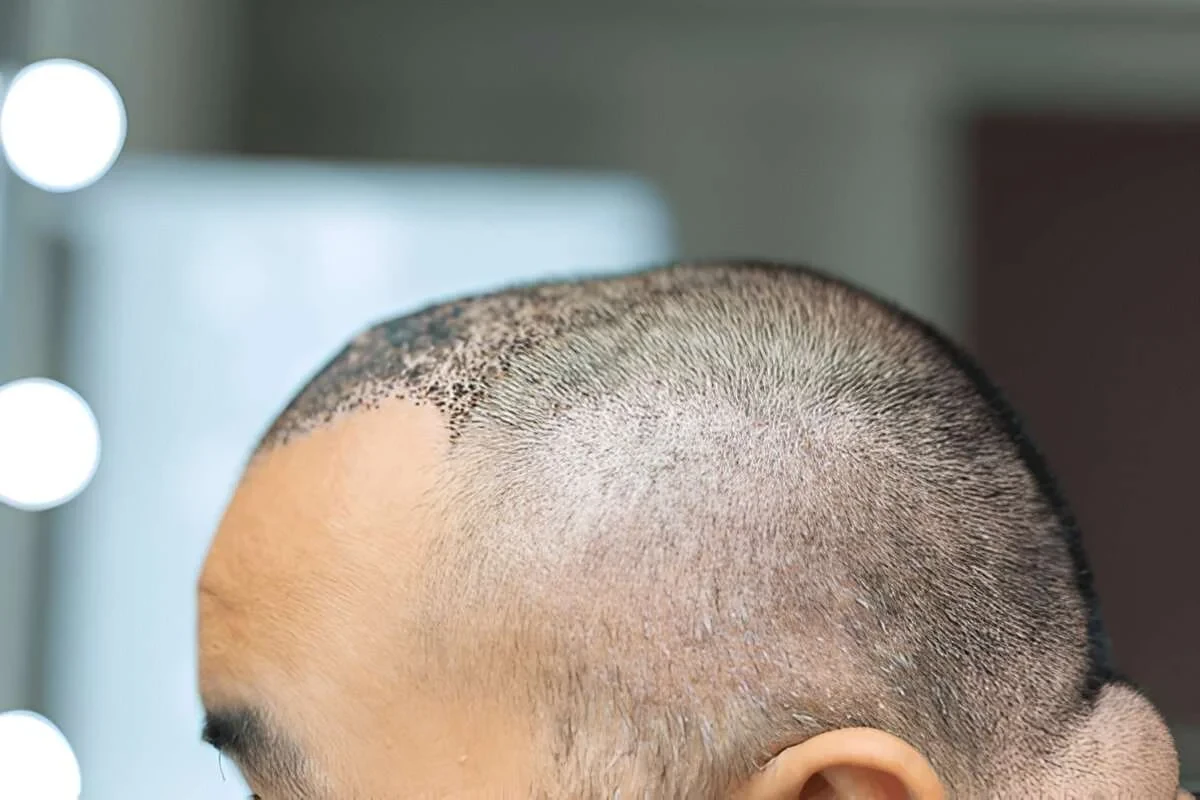
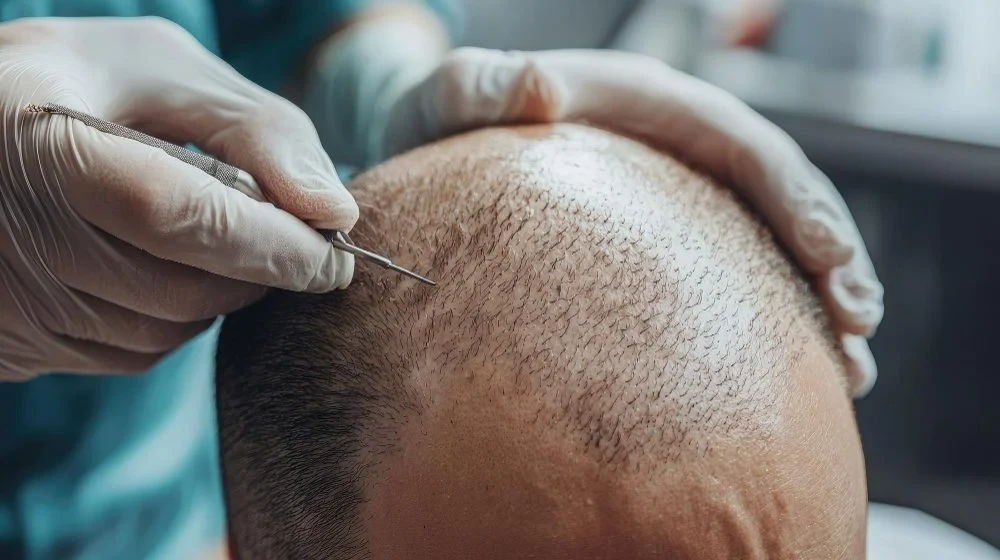
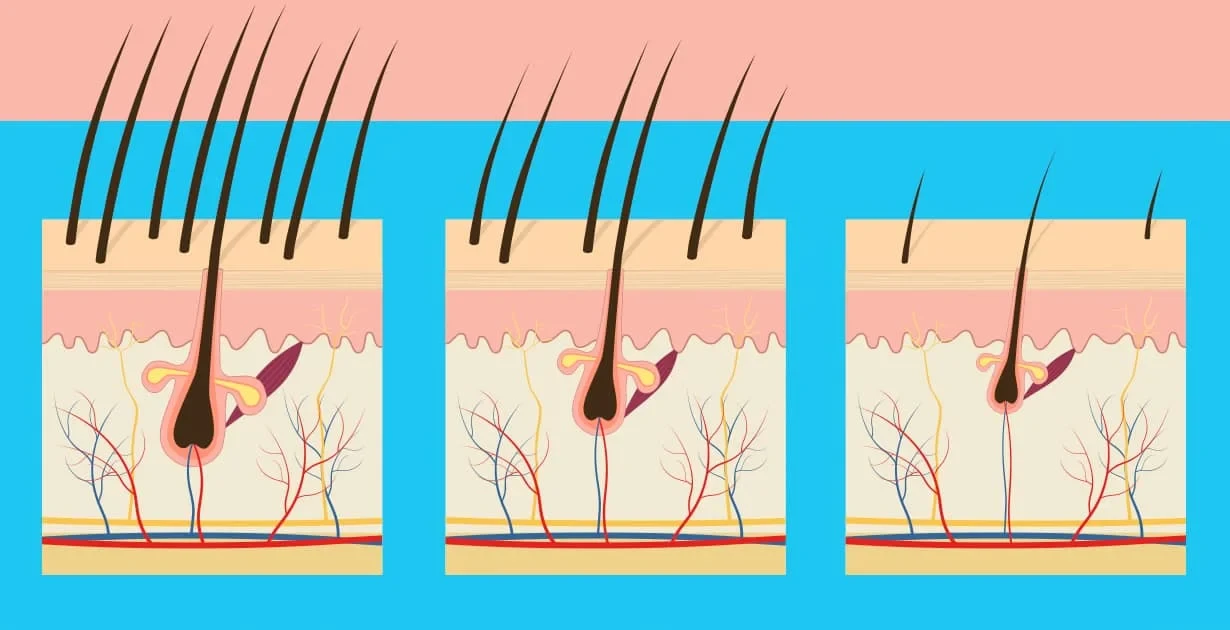
DHT contributes to androgenetic alopecia by promoting progressive miniaturization in scalp follicles that are genetically sensitive to androgen signaling. Affected follicles gradually spend less time producing thick terminal hairs. Repeated growth cycles then generate shorter, finer hairs until scalp coverage becomes visibly reduced. This effect commonly appears at the frontal scalp, temples and vertex in men.DHT does not produce the same response in every follicle. Hair follicles from relatively resistant donor areas can continue producing strong terminal hairs despite circulating androgen exposure. The interaction between DHT and inherited follicular sensitivity is therefore more important than DHT concentration alone.
Does High DHT Always Cause Hair Loss?
High circulating DHT does not automatically cause hair loss because androgenetic alopecia depends strongly on how genetically susceptible scalp follicles respond to the hormone. Research examining serum DHT has found that blood measurement has limited diagnostic usefulness for androgenetic alopecia. Someone can have laboratory values within the expected range while still developing substantial patterned thinning. Another person may have higher androgen levels without experiencing comparable scalp loss. Local enzyme activity, androgen receptors and inherited follicular sensitivity all influence the outcome. DHT is therefore an important biological driver of pattern hair loss, but a blood DHT result cannot reliably predict who will become bald.Why Does DHT Affect Scalp Hair but Promote Beard Growth?
DHT can reduce scalp hair while promoting beard growth because hair follicles in different body regions respond differently to androgen-receptor signaling. Beard and many body-hair follicles become larger and produce stronger terminal hairs under androgen influence. Genetically susceptible scalp follicles show the opposite response and progressively miniaturize. This apparent contradiction reflects tissue-specific biology rather than DHT acting inconsistently. Evidence from people with impaired DHT production shows reduced male-pattern facial and body hair together with protection from typical temporal hairline recession. The hormone therefore stimulates some follicles while contributing to miniaturization in specific androgen-sensitive scalp regions.Does DHT Affect Women?
DHT also affects women because female tissues contain androgen receptors and can produce DHT from testosterone and other androgen precursors. Women normally have lower androgen levels than men, but DHT still contributes to androgen signaling. Excess androgen activity can be associated with hirsutism, acne, menstrual irregularities and pattern hair loss in some women. Female pattern hair loss is more complicated than male androgenetic alopecia because not every affected woman has measurable androgen excess. Genetics and local follicular sensitivity remain important. This explains why simply measuring DHT cannot establish the cause of diffuse or patterned hair thinning in women.What Are the Signs of High DHT Activity?
High DHT activity cannot be identified from one symptom alone because androgen effects depend on sex, age, genetics, local enzyme activity and receptor sensitivity. Possible androgen-related findings can include:- Progressive male-pattern scalp hair loss
- Increased facial or body hair
- Prostate enlargement in men
- Hirsutism in women
- Androgen-related acne in some individuals
- Female pattern hair thinning
- Menstrual abnormalities when broader androgen excess is present
- Increased signs of virilization in significant hormonal disorders
What Happens When DHT Is Too Low?
Very low DHT activity can affect male genital development, facial and body hair growth, and prostate development, particularly when deficiency begins before birth. The clearest evidence comes from inherited 5-alpha reductase Type 2 deficiency. Affected individuals with a 46,XY karyotype can have undervirilized external genitalia because normal fetal DHT signaling is impaired. During puberty, testosterone still promotes muscle development, voice deepening and partial virilization. Facial and body hair can remain reduced, while the prostate may remain relatively small. This rare genetic condition differs considerably from the controlled DHT reduction produced by medications used in adults.Can DHT Levels Be Tested?
DHT can be measured with a blood test, but the result has limited value for diagnosing ordinary androgenetic hair loss in most people. A laboratory can measure circulating dihydrotestosterone and compare the result with its own reference interval. However, scalp follicles can produce and respond to androgens locally. Serum concentrations therefore do not necessarily represent androgen activity within individual follicles. Research specifically examining androgenetic alopecia found serum DHT testing questionable as a diagnostic tool, especially in women. DHT measurement is more useful in selected endocrine evaluations, such as suspected disorders involving 5-alpha reductase activity, rather than routine assessment of patterned hair loss.Can Lowering DHT Stop Hair Loss?
Lowering DHT can slow male androgenetic alopecia and preserve susceptible follicles, although it cannot guarantee complete regrowth of hair already lost. 5-alpha reductase inhibitors reduce conversion of testosterone into DHT. Clinical trials have shown improved hair counts and reduced progression in men with androgenetic alopecia.Treatment generally works best while miniaturized follicles remain capable of producing hair. Areas that have been completely bald for a long period are less likely to regain meaningful density through DHT reduction alone. Benefits also depend on continued therapy because the underlying genetic sensitivity remains present. Stopping effective treatment can allow the miniaturization process to resume.