Is FUE or DHI Better? Key Differences Explained
What Is the Main Difference Between FUE and DHI?
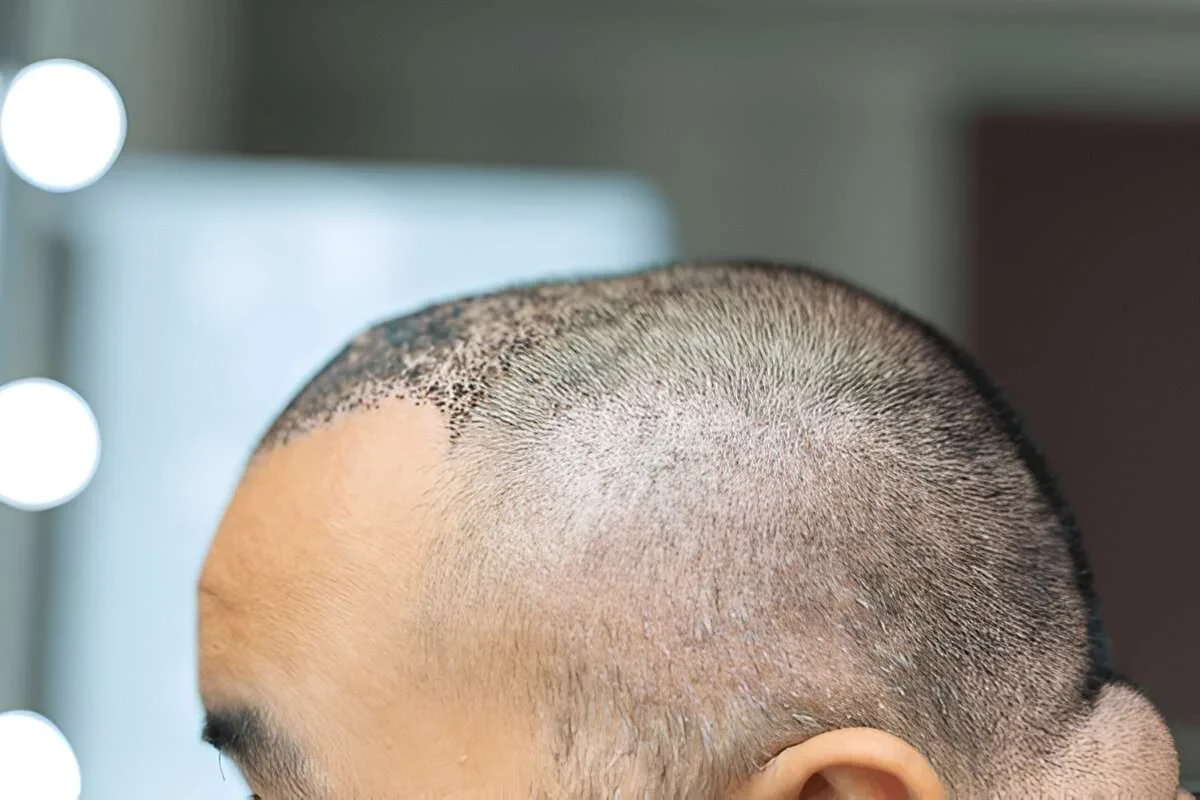
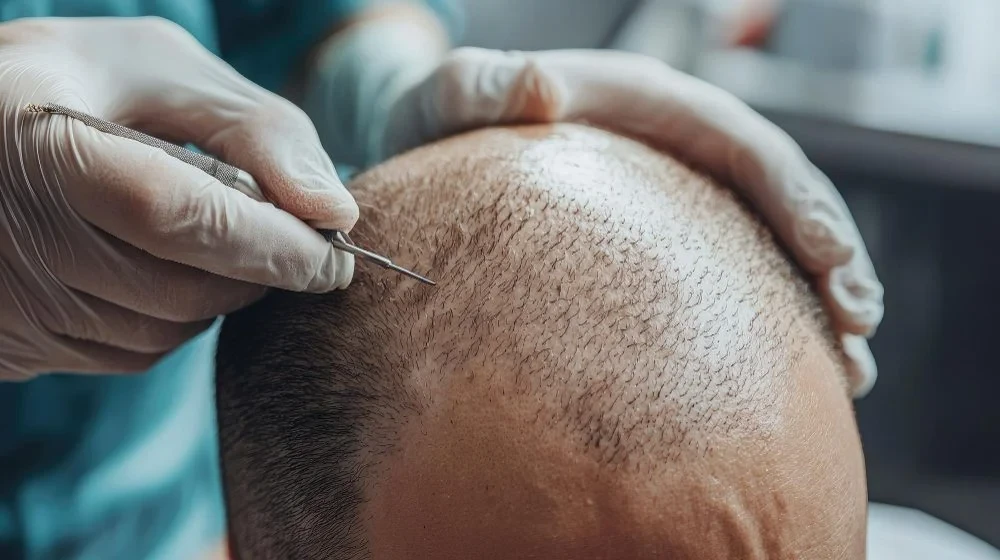
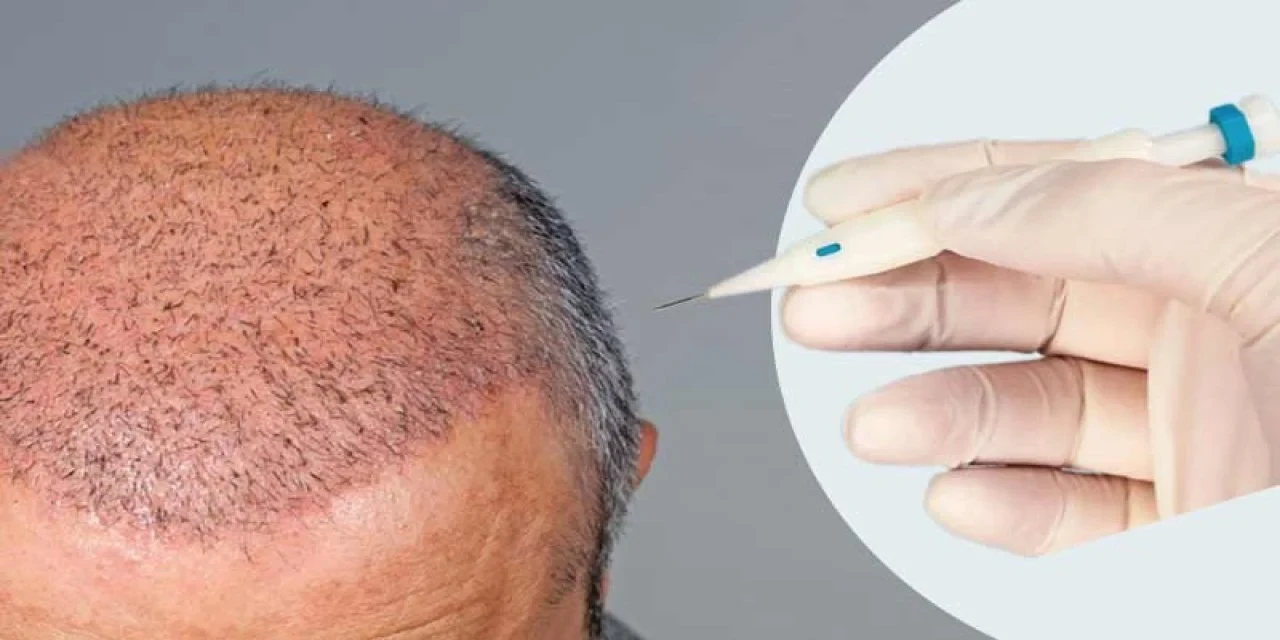
The main difference between FUE and DHI is how extracted hair grafts are placed into the recipient area. In FUE, grafts are removed individually and then inserted into channels created in the thinning area.DHI also uses individual follicle extraction, but placement is performed with an implanter pen. This device creates the opening and places the graft in one controlled movement. The extraction principle can therefore be very similar in both methods. The major distinction appears during implantation. FUE separates channel creation from graft placement, while DHI combines these steps through the implanter system.
Is FUE or DHI Better for a Natural Hairline?
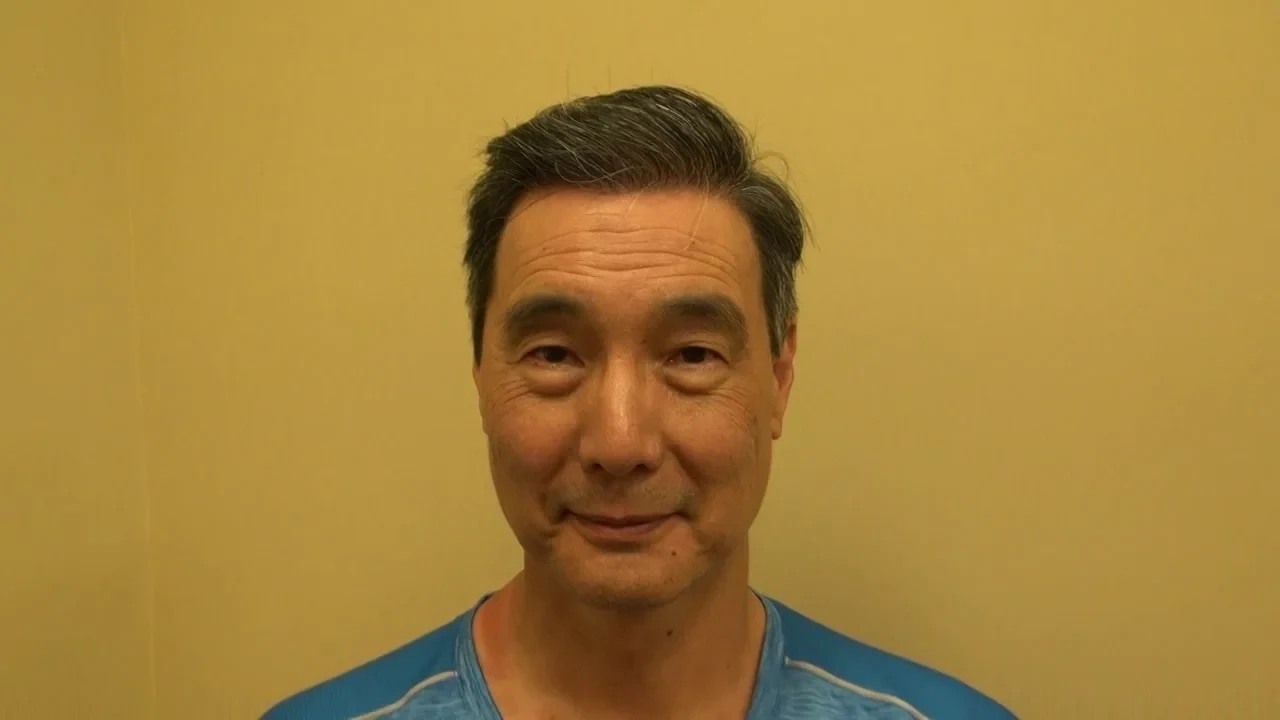
Both FUE and DHI can create a natural hairline when graft direction, angle, spacing, and hairline design are planned correctly. The technique alone does not determine whether the final hairline looks natural. Single-hair grafts are usually important along the leading edge because they create a softer transition. Behind this zone, thicker grafts can gradually increase density. DHI provides detailed control during individual graft placement, while FUE allows channels to be planned before insertion. Both approaches can reproduce natural growth patterns. The most important factors are realistic hairline shape, appropriate graft selection, and consistent direction across the frontal scalp.Is FUE or DHI Better for Dense Hair Transplantation?
Both FUE and DHI can produce dense results, but the achievable density depends more on donor supply and safe graft spacing than technique name. DHI is often associated with controlled close placement because implanter pens allow grafts to be inserted directly. FUE can also achieve strong density when channels are created at suitable distances. The scalp still needs enough space between grafts to support healing and blood supply. Placing more grafts does not automatically create a better result. Hair thickness, curl pattern, and the number of hairs within each graft also affect visual density. Technique choice should therefore support safe distribution rather than maximum crowding.Is FUE or DHI Better for Large Bald Areas?
FUE is often practical for larger bald areas because the channel-based approach can efficiently distribute a high number of grafts across broad regions. Large frontal, mid-scalp, and crown areas may require extensive graft placement. Creating channels in advance can make broad distribution easier to organize. DHI can also treat large areas, but loading and placing each graft with implanter pens can make the process more detailed. The total donor capacity remains the key limitation in either method. Large areas also require strategic prioritization because available grafts may not cover every region at equal density. Efficient planning matters more than the technique label alone.Is FUE or DHI Better for Existing Hair?
DHI can be useful when grafts need to be placed between existing hairs because implanter pens allow controlled placement in narrower spaces. This can be helpful when the goal is to increase density rather than rebuild a completely bald area. Existing hairs need to be protected during implantation, so precise direction and spacing become especially important. FUE can also be used in areas with remaining hair when channels are created carefully. The difference lies mainly in how implantation is performed. DHI may offer practical advantages in selective placement, while FUE remains suitable when the recipient area provides enough working space.Which Technique Requires Less Shaving?
DHI is often associated with partial or no-shave procedures, although both DHI and FUE can be adapted to preserve more existing hair. The donor area may still require limited trimming so grafts can be extracted safely. The recipient area can sometimes remain unshaved when existing hair provides enough access. DHI may be particularly convenient because implanter pens can work between longer hairs. Long-hair or unshaven FUE techniques are also available. The amount of shaving therefore depends on the planned graft count, donor access, and recipient density. Neither method automatically guarantees a completely unshaven procedure in every case.Is DHI More Precise Than FUE?
DHI can provide detailed control during implantation because each graft is placed with an implanter pen that helps manage angle, depth, and direction. This can be especially useful around the hairline or between existing hairs. FUE also allows precise placement, but the channels are usually created before the grafts are inserted. This means angle and direction are largely determined during channel creation. Both methods can therefore achieve accurate results through different workflows. DHI provides direct control at the moment of implantation, while FUE allows the entire recipient pattern to be designed through channel preparation before graft placement begins.Is FUE Faster Than DHI?
FUE can be faster for some large transplant sessions because many recipient channels can be prepared before graft placement begins. DHI requires each graft to be loaded into an implanter pen and then inserted individually.This additional handling can make large sessions more time-intensive. However, procedure duration also depends on graft count, hair characteristics, and the size of the recipient area. A small DHI procedure may still be completed efficiently. Speed should not be the main factor when comparing techniques. Preserving graft quality and placing hairs correctly remain more important than reducing the total procedure time.
Which Method Has a Shorter Recovery Time?
FUE and DHI usually have similar overall recovery periods because both rely on individual follicle extraction rather than large surgical incisions. The recipient area may look slightly different during early healing because the implantation methods vary. Small crusts, redness, and temporary scalp sensitivity can occur with either technique. DHI may create smaller individual placement sites in some procedures, while FUE uses pre-opened channels. Most visible early changes settle gradually during the first days and weeks. Recovery speed depends heavily on graft number, scalp sensitivity, and aftercare. Neither method guarantees an instantly faster recovery in every patient.Does FUE or DHI Cause More Scarring?
Both FUE and DHI are designed to avoid the long linear scar associated with strip harvesting because follicles are extracted individually. Small circular extraction points are created in the donor area with both techniques. These usually become difficult to notice once healing progresses and surrounding hair grows. The recipient area also develops small temporary healing points after graft placement.DHI does not eliminate donor scarring because follicle extraction is still required. FUE and DHI therefore have similar basic donor-area scarring characteristics. The visible outcome depends more on extraction spacing and donor management than on the implantation method.
Which Technique Is Better for the Crown Area?
FUE is often practical for crown restoration because broad channel planning can recreate the circular growth pattern across a larger thinning area. The crown usually requires many grafts because the surface area can be wide. Its natural whorl also demands careful directional planning. Creating channels before graft placement can help organize this spiral pattern efficiently. DHI can also restore the crown with controlled individual implantation. However, the crown often consumes substantial donor resources regardless of technique. Graft distribution and natural direction are more important than choosing one method solely because of its name.Which Technique Is Better for the Front Hairline?
DHI can be particularly useful for detailed frontal hairline work because implanter pens allow individual control over each graft during placement. The frontal edge requires careful use of single-hair grafts and very natural angles. Small differences in direction can become visible once the hair grows. FUE can achieve the same natural appearance when channels are created precisely before implantation.The technique does not replace good hairline design. DHI may offer practical control during each placement, while FUE offers strong control through preplanned channel direction. Both can produce refined frontal results when the implantation pattern is carefully constructed.
Is FUE or DHI Better for Women?
DHI may be attractive for women who want to increase density between existing hairs while preserving more visible hair length. Female hair loss often involves diffuse thinning rather than completely bald areas. Working between existing hairs can therefore become an important part of the procedure. DHI allows controlled placement through implanter pens and may reduce the need for extensive recipient shaving. FUE can also be used successfully in women, including partially shaven or unshaven approaches. The better option depends on donor density, the size of the thinning area, and how much existing hair remains in the recipient region.Is FUE or DHI Better for Curly Hair?
Both FUE and DHI can be used for curly hair, but preserving curved follicles during extraction is more important than the implantation method. Curly follicles may bend beneath the scalp, increasing the risk of damage during removal. This challenge exists before either FUE-style channel placement or DHI implantation begins. Once extracted safely, grafts can be placed using either technique. Curl direction should also be considered so the transplanted hair blends naturally. DHI may provide detailed control over placement angles, while FUE can organize broader directional patterns through channel creation. Follicle handling remains the central technical issue.Which Method Can Use More Grafts?
FUE can often accommodate very large graft sessions efficiently, although DHI can also use substantial graft numbers when the treatment plan requires them. The practical difference comes from implantation speed and handling. FUE allows many channels to be created before grafts are placed, which can be efficient across large recipient areas. DHI requires grafts to be loaded into pens and inserted individually. Donor capacity still determines the safe upper limit with either method. The main factors include:- Available donor density
- Size of the recipient area
- Hair shaft thickness
- Number of hairs per graft
- Safe donor extraction limits
- Target density