Long Hair FUE for Afro-Textured Hair
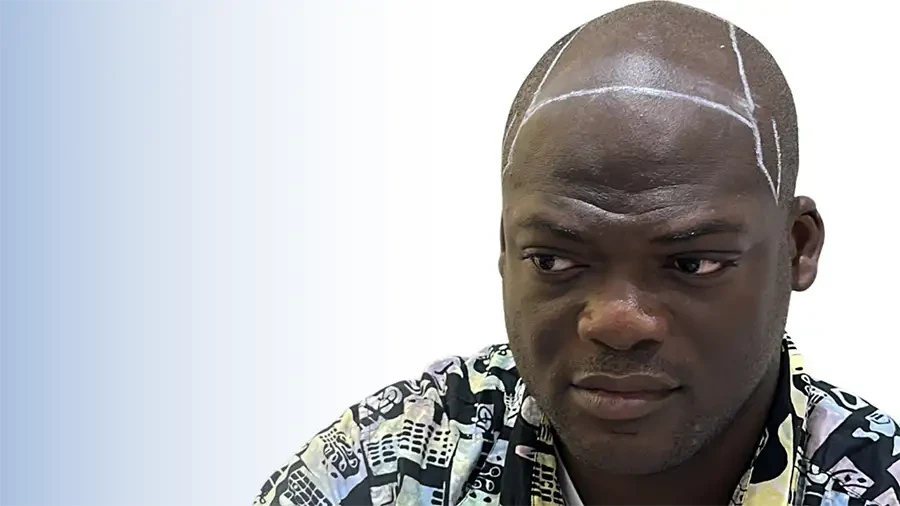
What Is Long Hair FUE for Afro-Textured Hair?
Long hair FUE is a hair transplant method that removes and transfers follicles while preserving more of the visible hair length. The technique can be adapted to Afro-textured hair, which may include loose curls, coils, or tightly curled patterns. Unlike fully shaved FUE, more existing hair remains visible during treatment and early recovery.This can help the donor area look less obviously altered. The main technical consideration is not hair length alone. Afro-textured follicles may curve beneath the scalp, so extraction requires careful attention to the direction and shape of each follicular unit.
Can Long Hair FUE Be Used on Afro-Textured Hair?
Long hair FUE can be used on Afro-textured hair when the donor area and follicle structure allow safe individual extraction. Afro-textured hair varies widely, so curl pattern, follicle curvature, shaft thickness, and donor density all matter. Some follicles travel beneath the skin in a pronounced curve. This can make extraction more demanding than with straight follicles. Preserving visible hair length also requires additional control during handling. The technique can still be suitable when the extraction plan respects the natural follicle path. The objective is to preserve graft quality while maintaining more existing hair around the donor area.Why Is Afro-Textured Hair Different During FUE Extraction?
Afro-textured hair can require a different FUE approach because the follicle beneath the skin may curve more than the visible hair shaft suggests. A tightly curled strand above the scalp may continue in a curved path below the surface.This creates a greater risk of cutting across the follicle during extraction. The visible exit angle therefore provides only part of the information needed. Punch positioning, depth, and movement must account for possible curvature. Thick hair shafts can provide strong coverage after transplantation, but successful extraction depends on preserving the entire follicular unit. Careful graft handling is therefore central to the technique.
How Do Curved Hair Follicles Affect Long Hair FUE?
Curved follicles make long hair FUE more technically demanding because the extraction path must follow the follicle without damaging its lower portion. With straight hair, the visible shaft often gives a clearer indication of the root direction. Afro-textured follicles may bend beneath the scalp, making that path less predictable. Long hair adds another layer because the visible strand remains longer during removal. Controlled extraction is therefore important from the first movement of the punch. The aim is to release the follicular unit while keeping surrounding tissue intact. Preserving this structure supports graft survival and later growth.Does Long Hair FUE Require Shaving Afro-Textured Hair?
Long hair FUE can often be performed without fully shaving Afro-textured hair, although limited trimming may still be needed in selected donor areas. The main purpose of long hair FUE is to retain more visible length than standard shaved extraction. Existing hair can help cover the donor region during early recovery. This may be particularly useful for people who want to maintain their hairstyle. However, follicle access still matters. Dense curls and coils can make the donor area harder to visualize. Small sections may therefore need to be separated or shortened to allow precise extraction without interfering with surrounding strands.Who Is Suitable for Long Hair FUE With Afro-Textured Hair?
Long hair FUE may suit people with Afro-textured hair who have stable donor density and want to preserve more visible hair during transplantation. Suitability depends on more than curl pattern. The donor area should contain enough healthy follicles for the planned restoration. Hair shaft thickness and follicle curvature also influence extraction.Long hair FUE may be particularly appealing when maintaining appearance during recovery is important. However, very extensive hair loss can require larger graft numbers and broader donor access. The technique is therefore best matched to the overall hair loss pattern rather than chosen only because shaving is undesirable.
How Is the Donor Area Planned for Afro-Textured Hair?
The donor area is planned by assessing density, curl pattern, follicle direction, shaft thickness, and how evenly grafts can be removed. Afro-textured hair often provides strong visual coverage, which can help disguise small changes in the donor area. However, extraction still needs balanced spacing. Removing too many grafts from a narrow zone can create visible thinning, even with dense curls. Long hair FUE also requires enough space to work between existing strands. The donor plan should therefore distribute extraction carefully across stable areas. This approach helps preserve both graft quality and the natural appearance of the remaining donor hair.Can Long Hair FUE Reduce Visible Donor Changes?
Long hair FUE can make donor changes less noticeable because the surrounding hair remains long enough to cover many extraction points. This is one of the main practical reasons people choose the technique. Afro-textured hair can provide additional visual coverage because curls and coils overlap naturally. However, long hair does not eliminate the need for careful donor management. Small extraction points still need time to heal. If too many grafts are removed from one area, density can become visibly reduced. The best cosmetic advantage comes from combining preserved hair length with evenly distributed extraction across the donor zone.Does Afro-Textured Hair Provide Good Visual Density?
Afro-textured hair can provide strong visual density because curls and coils often cover more scalp area than straight strands. The effect depends on shaft thickness, curl pattern, hair color, and contrast with the scalp. A smaller number of well-positioned curly grafts can sometimes create substantial visual coverage. This does not mean fewer grafts are always needed. The size of the thinning area still matters. The advantage comes from how the strands overlap after growth. Thick, curled hair can create volume above the scalp, which reduces visible gaps between follicles and can make the transplanted region appear fuller.How Are Grafts Placed to Match Afro-Textured Hair?
Grafts are placed according to the natural angle, direction, and curl pattern of the surrounding Afro-textured hair. The goal is not simply to insert follicles into empty areas. Placement should recreate the way existing hair naturally emerges from the scalp. The frontal hairline often needs lower angles and softer spacing. More central areas can carry additional density. Curl orientation also matters because transplanted hairs should flow with nearby strands. If grafts are placed too upright or against the natural direction, styling may become difficult. Careful orientation helps transplanted hair blend naturally as it grows longer.Is Long Hair FUE More Difficult With Tight Curl Patterns?
Long hair FUE can become more technically demanding as curl patterns tighten because follicle curvature beneath the skin may become less predictable. Tightly coiled hair often has a curved or hooked follicular structure. This can increase the risk of transection during extraction. Longer visible strands can also make separation and handling more complex. The difficulty does not mean tight curls cannot be transplanted. It means follicle direction must be interpreted carefully. Extraction should prioritize graft preservation rather than speed. Controlled removal and careful handling help protect the curved follicular unit before it is placed in the recipient area.How Many Grafts Are Needed for Afro-Textured Hair?
The number of grafts needed depends on the size of the thinning area, donor density, shaft thickness, curl pattern, and desired coverage. Important factors include:- The width of the receding or thinning area
- The density available in the donor region
- The thickness of individual hair shafts
- The tightness of the curl pattern
- The number of hairs within each graft
- The amount of existing hair in the recipient area
- The visual density expected after growth
Can Long Hair FUE Be Used for a Receding Hairline?
Long hair FUE can be used for a receding hairline when enough stable donor hair is available for frontal restoration. Hairline design is especially important with Afro-textured hair because curl direction changes how the frontal edge appears after growth.Single-hair grafts are useful near the leading edge because they create a softer transition. Thicker grafts can then add density behind this zone. Preserving surrounding long hair may also help conceal early redness and donor changes. The final design should follow natural facial proportions while respecting the existing direction and texture of the hair.