Oral Minoxidil vs Topical Minoxidil: Which Is Better for Hair Loss?
What Is the Difference Between Oral Minoxidil and Topical Minoxidil?
Oral minoxidil is taken as a tablet, while topical minoxidil is applied directly to thinning areas of the scalp. Both forms aim to prolong the active hair growth phase and support thicker hair production. Their main difference is how the medication reaches the follicles. Oral minoxidil works systemically through the bloodstream, so its effects are not limited to the scalp. Topical minoxidil acts mainly where it is applied, although a small amount can still be absorbed. This difference influences convenience, side effects, unwanted hair growth, scalp irritation, and the level of medical monitoring that may be appropriate.Is Oral Minoxidil More Effective Than Topical Minoxidil?
Oral minoxidil can be highly effective for some people, but it is not automatically more effective than topical minoxidil for every patient. Both forms can improve hair density and thickness when used consistently. Oral treatment may be useful when topical application is difficult or causes persistent scalp irritation. It can also provide more consistent systemic exposure.Topical minoxidil remains an established option for pattern hair loss and avoids greater whole-body exposure. Individual response depends on hair loss type, follicle sensitivity, adherence, and tolerance. Comparing effectiveness therefore requires looking at both hair response and whether treatment can be maintained long term.
How Does Oral Minoxidil Work for Hair Loss?
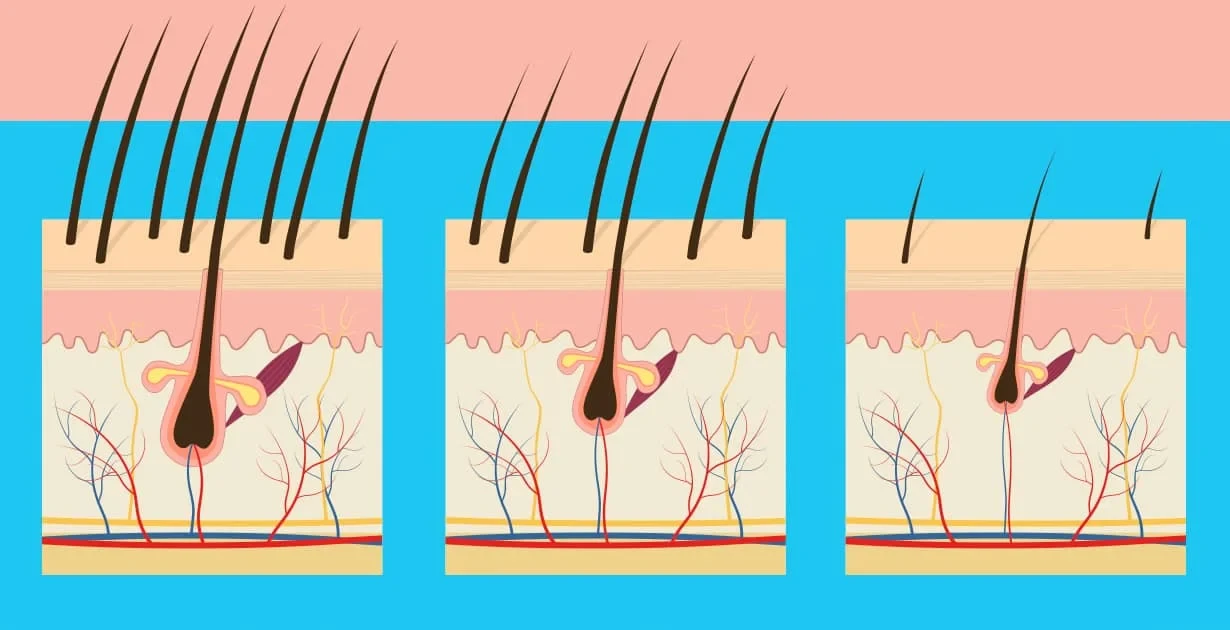
Oral minoxidil supports hair growth by increasing systemic exposure to minoxidil and influencing the activity of hair follicles throughout the scalp. The medication was originally developed for blood pressure control, but lower doses are also used for hair loss. It can prolong the anagen phase, which is the active growth stage of the hair cycle. This may help miniaturized follicles produce thicker and longer strands. Because oral minoxidil circulates throughout the body, effects may also appear outside the scalp. This systemic action explains both its convenience and several of its potential side effects, including unwanted facial or body hair.How Does Topical Minoxidil Work for Hair Loss?
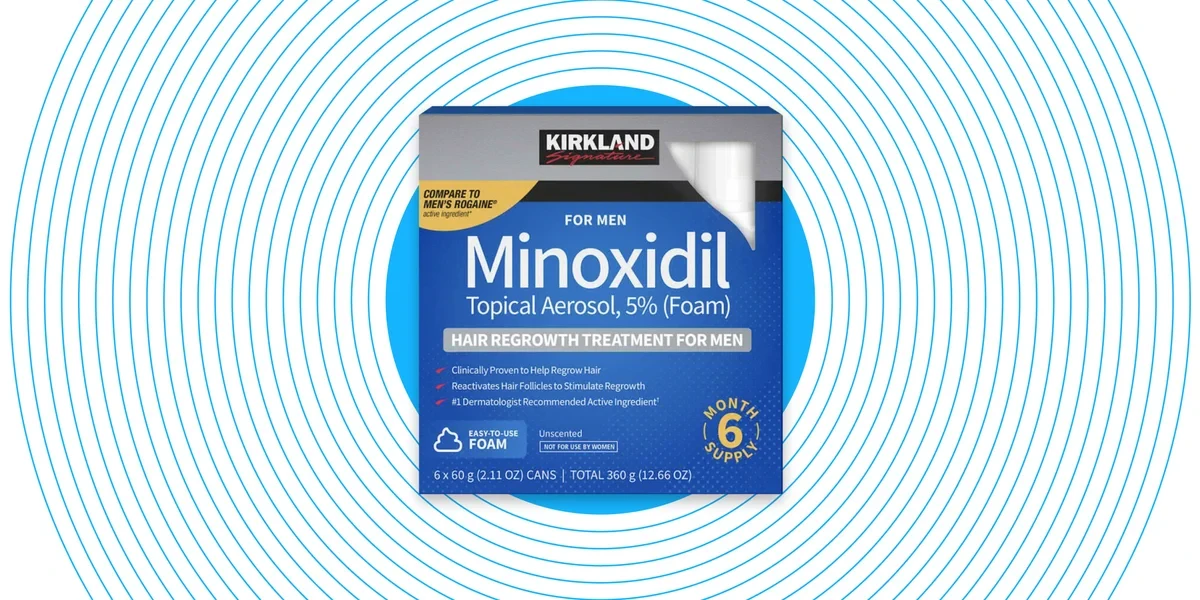
Topical minoxidil works by acting directly on the scalp and encouraging susceptible follicles to remain in the active growth phase for longer. The solution or foam is applied to areas affected by thinning. After absorption through the scalp, minoxidil influences follicle activity and may increase the diameter of miniaturized hairs. Existing hairs can gradually become thicker, while some follicles may return to active growth.Because treatment is localized, systemic exposure is usually lower than with oral minoxidil. However, consistent application is essential. Missing applications frequently can reduce the benefit because follicle stimulation depends on continued use over time.
How Long Does Oral Minoxidil Take to Work?
Oral minoxidil usually requires several months of consistent use before visible improvement in hair density or thickness becomes noticeable. The first changes may involve reduced shedding rather than obvious regrowth. New hairs often begin as short, fine strands and become more visible as they lengthen. Hair grows slowly, so early treatment should not be judged after only a few weeks.More meaningful changes often appear after several months. Continued improvement may develop over a longer period. Treatment response should therefore be assessed using consistent photographs and changes in density rather than daily observations in the mirror.
How Long Does Topical Minoxidil Take to Work?
Topical minoxidil usually takes several months to produce visible changes because hair follicles respond gradually across repeated growth cycles. Early use can sometimes cause temporary shedding before improvement begins. This occurs when older resting hairs are replaced as follicles shift into a new growth phase. Visible regrowth usually develops slowly, with short and fine hairs appearing first. Density can continue improving with regular use. The treatment must be applied consistently because irregular use may reduce the stimulation received by affected follicles. A few weeks is generally too short to judge whether topical minoxidil is working effectively.Does Oral Minoxidil Cause More Initial Shedding?
Oral minoxidil can cause temporary initial shedding, but it does not necessarily cause more shedding than topical minoxidil. Both forms can shift follicles from a resting phase into a new growth cycle. Older hairs may therefore fall before stronger replacement hairs become visible. This shedding can feel alarming because it appears after treatment has started. However, early shedding does not automatically mean the medication is worsening hair loss. The amount varies considerably between individuals. Temporary shedding usually becomes less important as the new growth cycle develops. Persistent or unusually severe loss should be evaluated rather than assumed to be a normal treatment response.Which Minoxidil Is Easier to Use Every Day?
Oral minoxidil is often easier to use daily because taking a tablet is simpler than applying medication to the scalp once or twice each day. Topical minoxidil requires regular application and enough time for the product to dry. Hair styling, scalp oil, travel, and daily routines can make this inconvenient. Some users also dislike residue or changes in hair texture after application. Oral treatment removes these application issues, which can improve adherence. However, convenience does not make it suitable for everyone. The systemic nature of oral minoxidil means safety considerations become more important than with a treatment applied primarily to the scalp.What Are the Side Effects of Oral Minoxidil?
Oral minoxidil can cause systemic side effects because the medication circulates throughout the body rather than remaining mainly on the scalp. Potential side effects can include:- Increased facial or body hair
- Lightheadedness
- Lower blood pressure
- Faster heart rate
- Headache
- Fluid retention
- Swelling around the ankles
- Palpitations in some users
What Are the Side Effects of Topical Minoxidil?
Topical minoxidil most commonly causes local scalp side effects rather than whole-body effects because the medication is applied directly to the skin. Possible problems include itching, dryness, flaking, redness, and irritation. Some users also notice temporary shedding during the early treatment stage. Unwanted facial hair can occur when the product spreads beyond the intended scalp area. Systemic effects are less common but remain possible if significant absorption occurs.Foam formulations may be better tolerated by people who react to ingredients found in some liquid products. Proper application can also reduce irritation and accidental transfer to the face.
Can Oral Minoxidil Cause Unwanted Body Hair?
Oral minoxidil can increase facial and body hair growth because the medication reaches follicles throughout the body through the bloodstream. This effect is called hypertrichosis and is one of the better-known side effects of oral treatment. Additional growth may appear on the face, arms, legs, or other areas. The change may be mild for some people and more noticeable for others. Because this effect is systemic, limiting tablet application to the scalp is impossible. People who are particularly concerned about unwanted hair growth may find topical treatment more appealing. The amount of additional hair growth can also depend on individual sensitivity and dose.Can Topical Minoxidil Irritate the Scalp?
Topical minoxidil can irritate the scalp, especially when the formulation contains ingredients that dry or sensitise the skin. Users may experience itching, flaking, redness, or a burning sensation. These symptoms can make consistent treatment difficult even when the medication is helping hair growth. Product residue may also worsen discomfort on an already sensitive scalp. Foam preparations are sometimes easier to tolerate because their ingredient profile differs from certain liquid solutions. Correct dosing is important because applying more product does not necessarily improve results. Excessive application can instead increase irritation while offering little additional benefit.Can Oral Minoxidil Affect Blood Pressure?
Oral minoxidil can lower blood pressure because it was originally developed as a medication that relaxes blood vessels. Hair loss treatment generally uses much lower doses than traditional blood pressure therapy. Even at lower doses, some people may experience lightheadedness, dizziness, or changes in heart rate. These effects can be more noticeable when standing quickly or during dehydration. Fluid retention may also occur in susceptible individuals. This is one of the main reasons oral minoxidil deserves medical consideration before use. People with cardiovascular conditions or blood pressure concerns should not treat it as a routine cosmetic supplement.Is Oral Minoxidil Safe for Hair Loss?
Oral minoxidil can be used safely in appropriately selected patients, but its systemic effects require more caution than topical treatment. Low-dose oral minoxidil is commonly used off-label for several forms of hair loss. Off-label use means the medication is being used for a purpose outside its original approval. This does not automatically mean the treatment is unsafe.However, blood pressure, cardiovascular history, medication interactions, and susceptibility to fluid retention may need consideration. Oral minoxidil should not be approached like a simple hair supplement. The potential benefits need to be balanced against cardiovascular and unwanted hair growth effects.
Who May Prefer Oral Minoxidil?
Oral minoxidil may appeal to people who struggle with topical application, scalp irritation, product residue, or inconsistent daily use. A tablet can be easier to integrate into a routine than applying medication to thinning areas. People with diffuse thinning may also find oral treatment more convenient because the medication reaches the entire scalp. However, convenience comes with greater systemic exposure. Oral minoxidil may be less suitable when blood pressure concerns, heart conditions, fluid retention, or medication interactions create additional risk. The decision should therefore balance ease of use with individual health considerations rather than focusing only on hair growth potential.Who May Prefer Topical Minoxidil?
Topical minoxidil may suit people who want to treat scalp hair loss while limiting systemic exposure as much as possible. It can be applied directly to areas affected by thinning and has a long history of use for pattern hair loss. People concerned about blood pressure effects may find this localized approach more appealing. The main drawbacks are daily application, scalp irritation, residue, and the possibility of inconsistent use. Someone with a sensitive scalp may need to consider formulation differences. Topical treatment works best when the application routine is simple enough to maintain continuously over the long term.Can You Use Oral and Topical Minoxidil Together?
Oral and topical minoxidil can sometimes be used together, but combining them increases total minoxidil exposure and is not automatically necessary. Using both does not guarantee twice the benefit. A combined approach may increase the chance of unwanted hair growth, dizziness, or other side effects. Topical irritation can also remain a problem even when oral treatment is added.In many cases, the goal is to find the simplest effective regimen that can be maintained. Combining treatments should therefore have a clear reason rather than being used simply to maximize medication. More treatment does not always produce proportionally better hair growth.