Scabbing After Hair Transplant: Timeline, Washing and Safe Removal
What Are Scabs After a Hair Transplant?
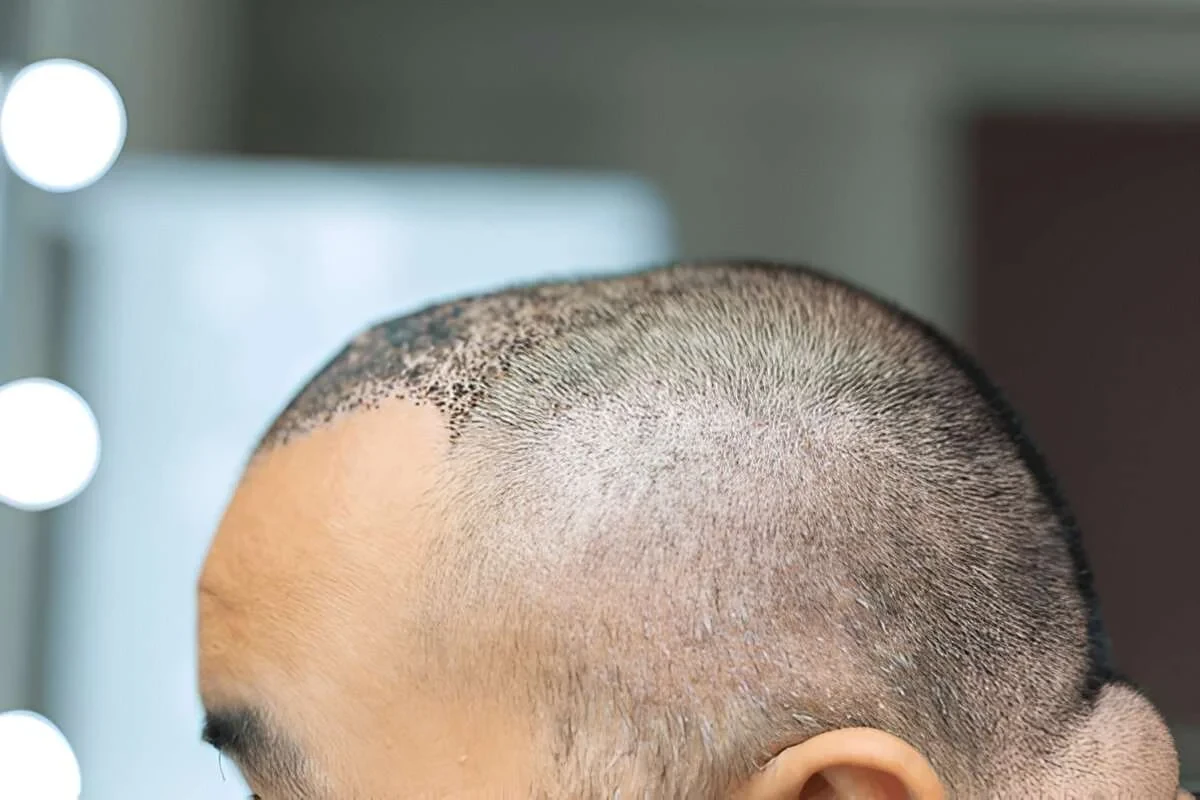
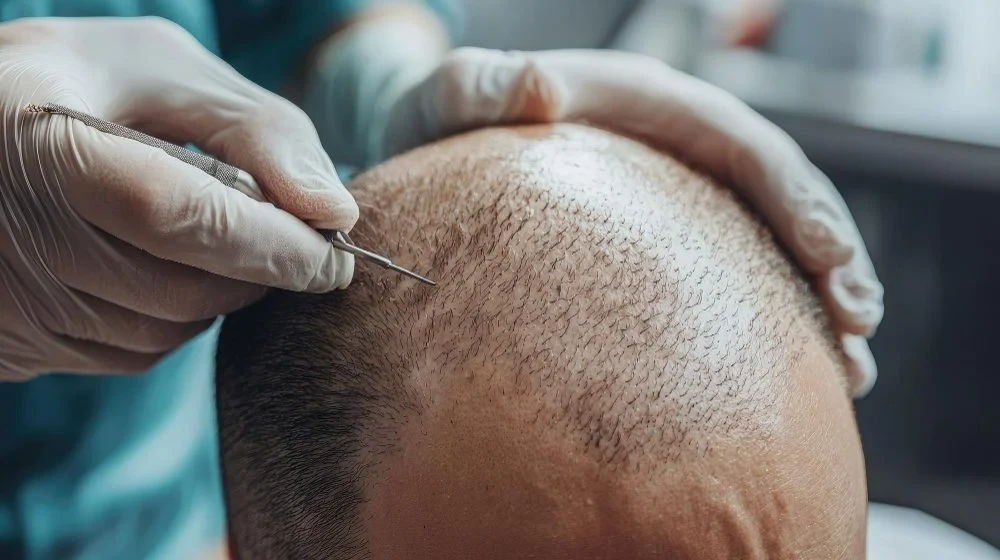
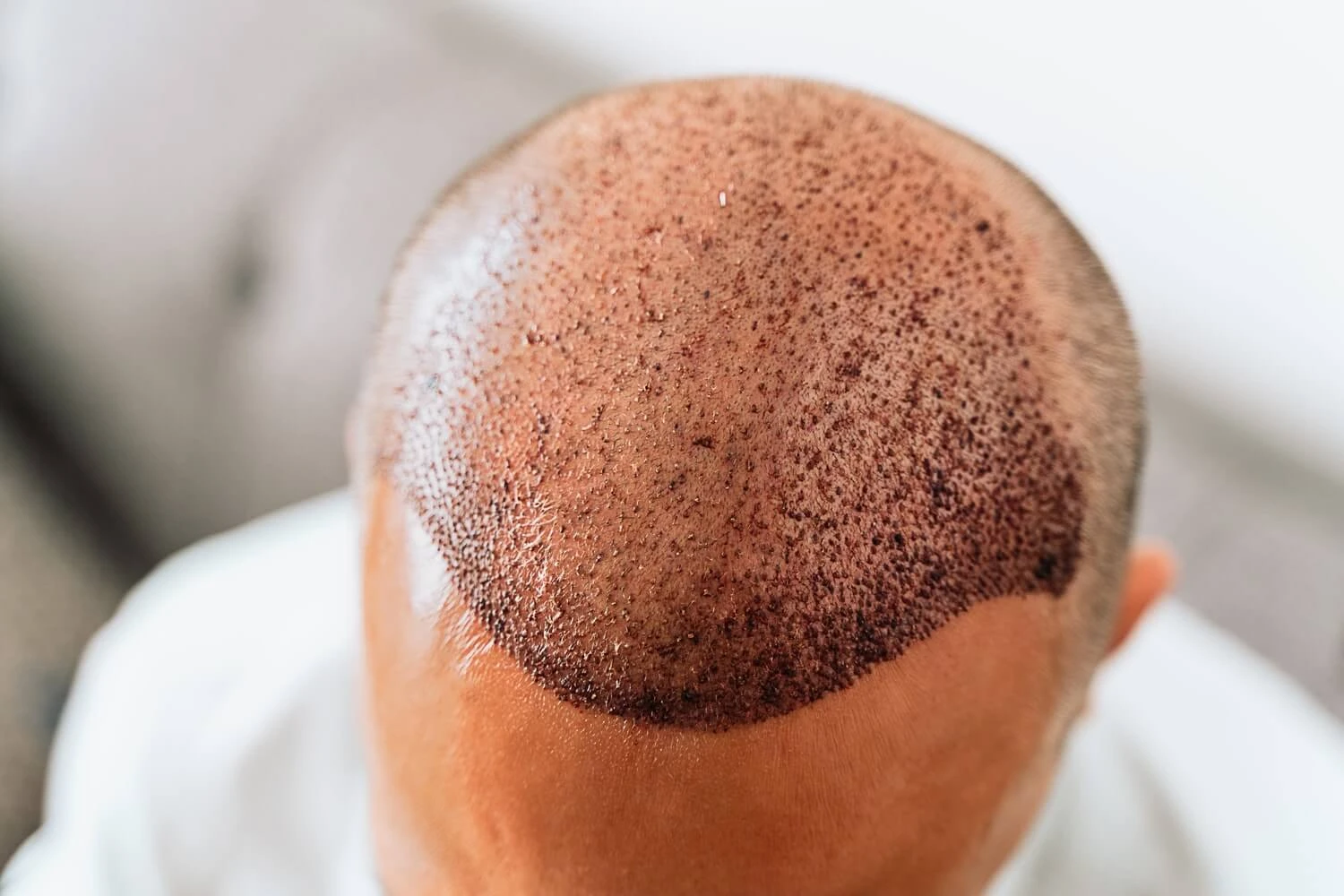
Scabs after a hair transplant are small dried crusts that form around newly implanted grafts as the recipient skin heals after surgery. Each implanted follicular unit enters through a small recipient opening.Minor bleeding and tissue fluid can dry around these sites, creating visible crusts. This process is considered a normal part of early healing rather than a sign that transplantation has failed. Scabs usually appear as small brown, reddish, or yellowish deposits surrounding individual hairs. They should remain undisturbed during the earliest healing period because newly placed grafts are initially vulnerable to mechanical displacement.
Why Do Scabs Form After a Hair Transplant?
Hair transplant scabs form because tiny recipient wounds release small amounts of blood and tissue fluid that dry around newly implanted follicular units. FUE, DHI, and other implantation methods all require openings in the recipient scalp. The body responds by beginning normal wound healing and creating a temporary protective surface around these areas. Crusting can become heavier when dried fluid accumulates or postoperative cleansing is insufficient. Appropriate moisture and gentle washing help prevent excessively thick deposits. Normal crusting should gradually loosen as the surface skin heals. Heavy crusting accompanied by increasing discharge, marked redness, or worsening pain requires closer attention.When Do Scabs Appear After a Hair Transplant?
Hair transplant scabs usually become noticeable within the first two to three days after surgery as blood and tissue fluid dry around recipient sites. During the first day, the implanted region can appear red and dotted with small fresh wounds. These areas gradually dry and develop more obvious crusts over the following days. The appearance is usually most noticeable during the early postoperative period. Crusting should then begin softening as gentle washing and normal skin repair continue. A recent review describes crust formation as a frequent physiological event occurring during approximately days two through ten after FUE transplantation.How Long Do Scabs Last After a Hair Transplant?
Hair transplant scabs normally resolve within about seven to ten days when healing progresses normally and appropriate postoperative cleansing is performed. Recent evidence describes crusting as beginning within two to three days and generally disappearing by days seven to ten. Some small residual crusts can remain slightly longer without automatically indicating a problem.However, persistent thick crusting beyond approximately two weeks deserves assessment because delayed separation can accompany prolonged inflammation or delayed healing. The goal is not to force every crust away immediately. Instead, gradual softening and separation should occur as the recipient skin heals and postoperative washing becomes more active.
When Should Scabs Be Removed After a Hair Transplant?
Hair transplant scabs are generally removed gradually around days seven to ten rather than being picked away during the first postoperative days. Research on graft anchoring showed that pulling an adherent scab could dislodge a graft during the first five days. The risk decreased afterward, and grafts were no longer mechanically dislodged in that study by day nine. Postoperative literature therefore supports gentle cleansing early, followed by more deliberate crust removal once graft anchoring has progressed. The objective is to soften and release scabs rather than detach them forcefully. Fingernails, scratching, and aggressive rubbing should be avoided during this process.How Should You Wash Scabs After a Hair Transplant?
Hair transplant scabs should initially be washed gently with low mechanical pressure so the scalp stays clean without disturbing newly implanted grafts. Evidence supports gentle cleansing with saline or mild shampoo within approximately 24 to 72 hours after surgery. The early recipient area remains vulnerable, so forceful water pressure and vigorous rubbing are inappropriate. As healing progresses, washing can become more active. Published postoperative guidance describes regular shampooing with gentle crust removal beginning around days seven to ten. Lukewarm water is preferable to strong direct spray. The scalp should be handled progressively rather than moving immediately from minimal contact to aggressive washing.How Can Hair Transplant Scabs Be Removed Safely?
Hair transplant scabs can be removed safely by softening them first and gradually increasing gentle washing after the grafts have become more securely anchored. A practical approach includes:- Keep the recipient area appropriately moist during early healing
- Use gentle saline or mild shampoo during the initial washing period
- Avoid picking individual crusts with fingernails
- Allow crusts to soften before increasing contact
- Begin gentle rubbing only after the early graft-risk period
- Use light fingertip pressure instead of scratching
- Stop if fresh bleeding or significant pain appears
- Seek assessment when thick crusts remain beyond two weeks
Can Removing Scabs Too Early Damage Hair Grafts?
Removing attached scabs too early can dislodge newly transplanted grafts because follicular units need several days to become securely anchored within recipient tissue. A graft-anchoring study found that pulling hairs during the first two days consistently removed grafts. By day six, pulling a hair alone no longer dislodged them. Attached scabs remained more important because pulling a crust could remove a graft through day five. Mechanical displacement risk continued decreasing afterward, with grafts secure by approximately day nine in that study. This explains why early picking is discouraged even when crusts look dry or loose around newly transplanted hairs.Is It Normal for Hair to Come Out With Hair Transplant Scabs?
Seeing short hair shafts attached to removed scabs can be normal and does not automatically mean the transplanted follicle has been lost. The visible hair shaft and the living follicular unit are not the same structure. Once grafts have anchored, crust removal can release hairs that were already entering the postoperative shedding phase.A lost graft during the vulnerable early period usually involves more tissue than an isolated short hair shaft. Timing therefore matters. Hair attached to a crust around the normal removal period is less concerning than forceful removal during the first few days, when graft anchoring remains incomplete.
What If Scabs Remain 10 Days After a Hair Transplant?
A small amount of scabbing after day ten can occur, but thick or widespread crusts should progressively soften rather than remain firmly attached for many additional days. Current evidence describes normal crust resolution around seven to ten days. Persistent crusting may result from insufficient washing, excessive dried exudate, or slower surface healing.Gentle soaking, moist compresses, and appropriate emollient products can sometimes help adherent crusts separate. Persistent scabs beyond two weeks deserve medical assessment because prolonged crusting can accompany inflammation or delayed re-epithelialization. Aggressively scraping stubborn crusts is not an appropriate solution and can unnecessarily traumatize healing skin.
Are Thick or Dark Scabs After a Hair Transplant Normal?
Small dark scabs are commonly part of normal hair transplant healing, but unusually thick crusts with discharge or worsening discoloration can require evaluation. The dark appearance often comes from dried blood surrounding recipient openings. These crusts should gradually loosen as washing continues. Thick deposits that persist may hold moisture, debris, and inflammation around follicles.Recent evidence notes that early thick crusts accompanied by increasing exudate can occasionally indicate impaired blood supply or developing recipient-site necrosis. A dusky expanding patch, escalating pain, persistent discharge, or a firmly adherent dark eschar differs from routine scattered postoperative scabbing and should not simply be scrubbed away.
Is Itching With Hair Transplant Scabs Normal?
Mild itching during the scabbing phase is common because dryness, crust formation, and normal wound healing can irritate both recipient and donor areas. The sensation often becomes noticeable as the small wounds dry and the skin surface repairs itself. Scratching should be avoided because fingernails can damage healing skin and introduce bacteria.Keeping the area appropriately moist and following a gentle washing routine can reduce excessive dryness and crust accumulation. Postoperative literature identifies drying and crusting as common contributors to itching. Increasing redness, pustules, tenderness, or discharge alongside itching may indicate folliculitis or another inflammatory problem rather than uncomplicated healing.
Do FUE and DHI Cause Different Amounts of Scabbing?
Both FUE and DHI can produce recipient-area scabbing because both ultimately involve placing follicular units through small openings in the scalp. DHI mainly describes an implantation approach using an implanter, while FUE describes follicular unit extraction from the donor region. Therefore, they are not directly comparable stages of transplantation. Crusting depends more on recipient-site trauma, bleeding, implantation density, fluid accumulation, and postoperative cleansing than on a marketing label alone. Small differences in technique can influence the visible healing pattern, but neither method eliminates crust formation. Normal recipient crusts should still follow a similar gradual healing and separation process during the first postoperative days.Do Scabs Also Form in the Hair Transplant Donor Area?
Scabs can also form in the donor area after FUE because every extracted follicular unit leaves a small opening that must heal. FUE donor crusts differ from recipient crusts because no newly implanted grafts need protection in those extraction sites. Postoperative consensus guidance supports gentle rubbing of the donor area from approximately days five to seven to help remove scabs. The recipient area generally requires more cautious handling during the same period because transplanted grafts are still becoming anchored. Donor crusting should gradually improve as the small extraction wounds close. Persistent redness, tenderness, discharge, or delayed healing can indicate folliculitis, infection, or another postoperative problem.Can Scabbing Affect Hair Transplant Results?
Normal temporary scabbing does not usually harm hair transplant results, but persistent thick crusting and premature manipulation can interfere with uncomplicated healing. Crusts themselves are expected during the early postoperative period. Problems arise when patients pull adherent scabs before grafts are secure or when heavy crusting remains for too long.Delayed scab separation can maintain perifollicular inflammation and increase the likelihood of folliculitis. Thick persistent crusts may also delay re-epithelialization. Appropriate cleansing therefore serves two purposes. It protects fragile grafts during the earliest period while preventing excessive crust accumulation from remaining around follicles later in the healing process.
When Should Scabbing After a Hair Transplant Be Concerning?
Hair transplant scabbing becomes concerning when crusts persist beyond two weeks or appear with increasing pain, spreading redness, pus, fever, or abnormal dark tissue. Routine crusting should become progressively lighter and easier to remove as the scalp heals. Infection after hair transplantation is uncommon, but it can present with tender pustules, redness, swelling, or discharge.Thick crusting accompanied by increasing exudate can also signal impaired healing. Recipient-site necrosis is rare but may begin with dusky discoloration followed by persistent crusting and an eschar. These findings are different from ordinary small dry scabs and require prompt medical assessment rather than additional rubbing or home removal.