Telogen Effluvium: Causes, Duration and Treatment
What Is Telogen Effluvium?
Telogen effluvium is a non-scarring hair disorder that causes excessive diffuse shedding after many growing hairs enter the resting phase earlier than expected. Most healthy scalp follicles are normally in the active growth phase, while a smaller proportion rests in the telogen phase. A physiological or emotional trigger can shift substantially more follicles into telogen.Those hairs remain temporarily attached before eventually shedding. The result is noticeable hair fall across the scalp rather than one completely bald patch. The follicles remain present, which explains why acute telogen effluvium usually allows new hair to grow after the underlying trigger resolves.
What Causes Telogen Effluvium?
Telogen effluvium develops when physical, hormonal, nutritional, medical, or psychological stress disrupts the normal hair cycle and sends additional follicles into the resting phase. Common triggers include:- High fever or significant infection
- Major surgery or physical trauma
- Childbirth and postpartum hormonal changes
- Rapid weight loss or restrictive dieting
- Inadequate protein intake
- Iron deficiency
- Thyroid disorders
- Severe psychological stress
- Starting or stopping certain medications
- Discontinuing estrogen-containing contraception
- Some chronic medical illnesses
How Long After a Trigger Does Telogen Effluvium Start?
Telogen effluvium usually becomes noticeable about two to three months after the triggering event, although the interval can vary from roughly one to six months. This delay occurs because affected hairs do not fall immediately when their growth phase ends. They first pass through the hair cycle and remain resting before being released. Someone recovering from surgery, infection, high fever, major weight loss, or emotional stress may therefore begin shedding after feeling otherwise recovered. Identifying events from several months earlier is an important part of evaluating telogen effluvium because the current circumstances may no longer reveal the original trigger.What Are the Symptoms of Telogen Effluvium?
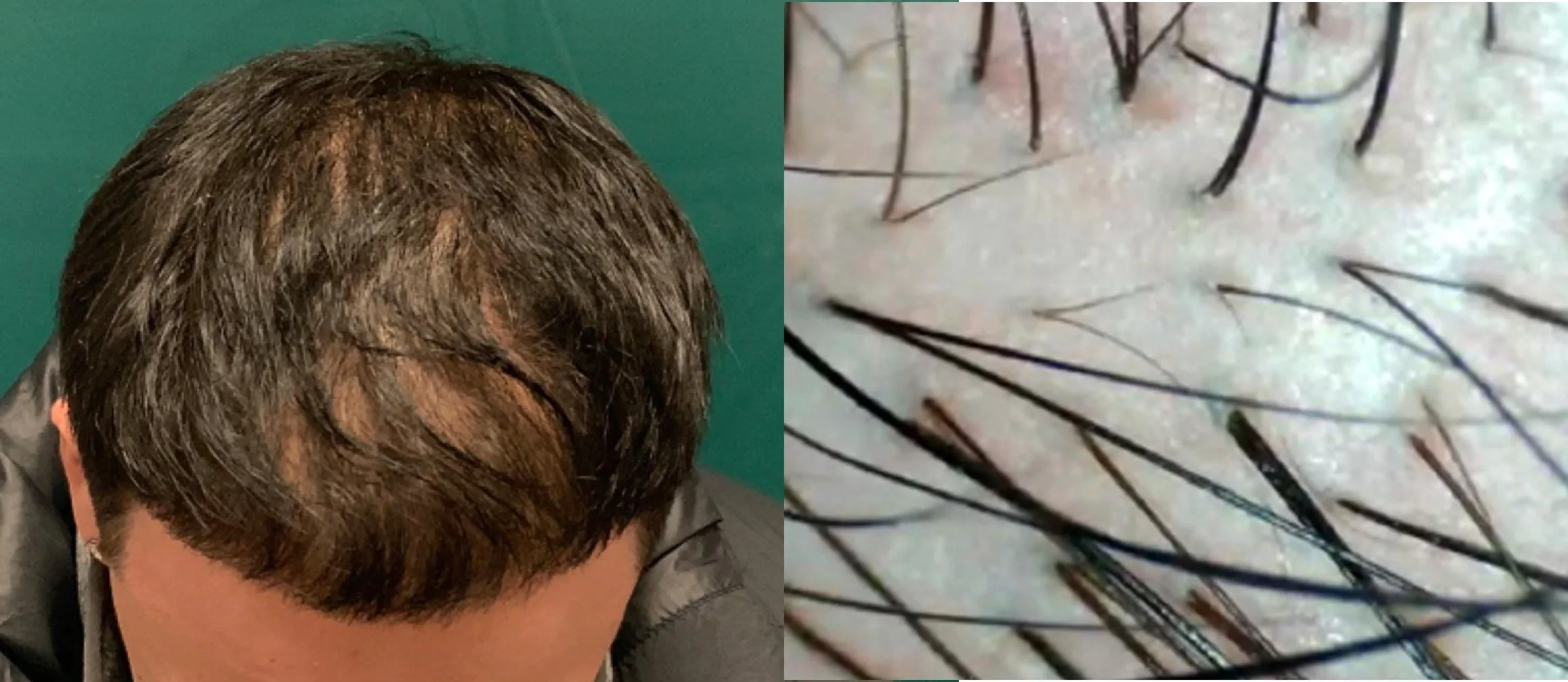
Telogen effluvium usually causes sudden or noticeable diffuse shedding across the scalp rather than sharply defined bald patches or permanent areas without follicles. People commonly notice more hair in the shower, brush, bedding, clothing, or hands while washing. Overall scalp density can decrease when shedding is substantial. The scalp itself generally looks normal without significant scarring or inflammation.A gentle hair-pull test may release an increased number of telogen hairs during active shedding. Some people also describe scalp tenderness or uncomfortable sensations. Significant scaling, pustules, obvious scarring, or completely smooth bald patches suggest that another diagnosis should also be considered.
What Is the Difference Between Acute and Chronic Telogen Effluvium?
Acute telogen effluvium lasts less than six months, while chronic telogen effluvium describes diffuse shedding that continues for more than six months. Acute episodes usually follow a recognizable trigger and improve after that trigger resolves. Chronic telogen effluvium can fluctuate for months or years and may occur without one clearly identifiable event. It is particularly described in otherwise healthy adult women. Persistent shedding also requires careful assessment because androgenetic alopecia, nutritional deficiencies, thyroid disease, medication effects, and other disorders can resemble or accompany chronic telogen effluvium. The duration therefore influences both diagnosis and the investigation of possible underlying factors.Does Telogen Effluvium Cause Permanent Hair Loss?
Acute telogen effluvium usually does not cause permanent hair loss because the condition alters the growth cycle without destroying or scarring the affected follicles. New anagen hairs can begin growing while older telogen hairs are being shed. This creates the confusing situation where considerable shedding can occur even though recovery has already started biologically. Hair density takes much longer to recover because newly emerging hairs must gain length before contributing meaningful coverage. Telogen effluvium can also reveal previously unnoticed androgenetic alopecia, making thinning appear persistent after the temporary shedding improves. In that situation, both conditions may be contributing to the final appearance.How Is Telogen Effluvium Diagnosed?
Telogen effluvium is usually diagnosed through the shedding pattern, medical history, scalp examination, hair-pull testing, and investigations for suspected underlying triggers. The history often focuses on illness, fever, childbirth, surgery, weight change, diet, medications, stress, and hormonal changes during the previous several months.Examination typically shows diffuse thinning without scarring. Trichoscopy can help distinguish telogen effluvium from patterned miniaturization. Blood testing may include a complete blood count, ferritin, and thyroid assessment when the clinical situation supports testing. Additional nutrient or hormonal investigations should be selected according to symptoms and medical history rather than automatically ordering every possible test.
How Is Telogen Effluvium Different From Androgenetic Alopecia?
Telogen effluvium mainly causes increased diffuse shedding, while androgenetic alopecia gradually miniaturizes genetically susceptible follicles in a recognizable pattern. Telogen effluvium often begins relatively suddenly after a trigger and can recover when the hair cycle normalizes. Androgenetic alopecia usually progresses more slowly and produces increasing variation in hair diameter as follicles become smaller. Trichoscopy can help identify this miniaturization.Both conditions can occur simultaneously. A telogen effluvium episode may make previously mild pattern hair loss more visible by temporarily reducing overall density. Persistent thinning after shedding improves should therefore not automatically be interpreted as continuing telogen effluvium.
What Is Postpartum Telogen Effluvium?
Postpartum telogen effluvium is temporary excessive hair shedding that commonly begins several months after childbirth as pregnancy-related hormonal changes return toward their pre-pregnancy state. Many hair follicles remain in the growth phase longer during pregnancy. Falling estrogen levels after delivery allow more follicles to enter resting and shedding phases within a similar period. Shedding can become particularly noticeable around two to four months postpartum. Hair commonly regains its previous fullness gradually, often by the child's first birthday. However, postpartum shedding can reveal another existing hair disorder in some women, so continuing or progressively patterned thinning may require further evaluation.Can Stress Cause Telogen Effluvium?
Significant psychological stress can trigger telogen effluvium by disrupting the hair cycle and increasing the number of follicles entering the resting phase.The resulting hair shedding does not normally begin on the same day as the stressful experience. It typically appears several months later because follicles must complete the telogen period before their hairs are released. Severe or prolonged emotional stress is more relevant than ordinary short-term daily frustration. Persistent stress can also contribute to longer-lasting excessive shedding. Because stress is difficult to measure objectively, other possible triggers such as illness, weight loss, nutritional deficiency, medication changes, and thyroid disease should not automatically be ignored when stress is present.
Can Iron or Nutritional Deficiencies Cause Telogen Effluvium?
Iron deficiency and inadequate nutrition can contribute to telogen effluvium, particularly when restrictive diets, rapid weight loss, insufficient protein, or documented deficiencies are present. Iron status is commonly considered during investigation of unexplained diffuse shedding. Vitamin B12, folate, zinc, vitamin D, and other nutrients may also be assessed when history or symptoms suggest a deficiency. However, routine high-dose supplementation without evidence of deficiency is not equivalent to correcting an identified nutritional problem. A 2024 study evaluating chronic telogen effluvium examined multiple nutritional markers, reflecting the complexity of these associations. Stable nutrition and adequate protein intake remain more appropriate than indiscriminate supplement use.Does Washing Hair Make Telogen Effluvium Worse?
Normal hair washing does not cause telogen effluvium to worsen because hairs released during washing were already progressing toward the shedding stage. People often associate shampooing with hair loss because many loose telogen hairs become visible simultaneously in the shower. Delaying washing can make the next wash appear even more dramatic because several days of released hairs accumulate together. Normal grooming also does not force healthy growing follicles into telogen effluvium. Gentle handling remains sensible because excessive traction and mechanical breakage can create separate hair problems. Regular washing can therefore continue according to scalp and hair needs without assuming that every shed hair was caused by shampooing.How Is Telogen Effluvium Treated?
Telogen effluvium is primarily treated by identifying and correcting the trigger while allowing the normal hair cycle sufficient time to recover. Acute telogen effluvium is often self-limiting once illness, nutritional deficiency, hormonal imbalance, medication-related factors, or other triggers have been addressed. Iron, zinc, thyroid, or other abnormalities should be corrected when genuinely present. A balanced diet with adequate protein supports normal hair production. There is no procedure that immediately returns all telogen follicles to visible full-length growth. Treatment therefore focuses on the underlying cause rather than attempting to stop each individual hair from shedding once it has entered the telogen process.Does Minoxidil Help Telogen Effluvium?
Minoxidil is not routinely required for uncomplicated acute telogen effluvium, although it may be considered in selected persistent or chronic cases. Evidence that topical minoxidil accelerates recovery from ordinary acute telogen effluvium remains limited. Acute shedding normally improves when the triggering problem resolves. Research involving chronic telogen effluvium has explored low-dose oral minoxidil, with small retrospective studies reporting reduced shedding in selected patients. Oral treatment can cause unwanted effects including excessive facial or body hair, dizziness, fluid retention, and cardiovascular changes. It therefore requires medical assessment and should not be treated as a standard supplement for temporary shedding.How Long Does Hair Take to Regrow After Telogen Effluvium?
Hair shedding often improves within several months, while visible restoration of previous density can require six to twelve months or longer. The biological recovery begins before full cosmetic recovery becomes obvious. New anagen hairs initially emerge very short and therefore contribute little visible density. As these hairs grow, coverage gradually improves.Acute telogen effluvium generally has a favorable prognosis when its trigger has resolved. Postpartum shedding commonly improves within the first year after delivery. Repeated triggers, continuing illness, nutritional problems, chronic stress, or coexisting androgenetic alopecia can extend the apparent recovery period and make the return to previous density less straightforward.