Which Vitamin and Mineral Deficiencies Cause Hair Loss?
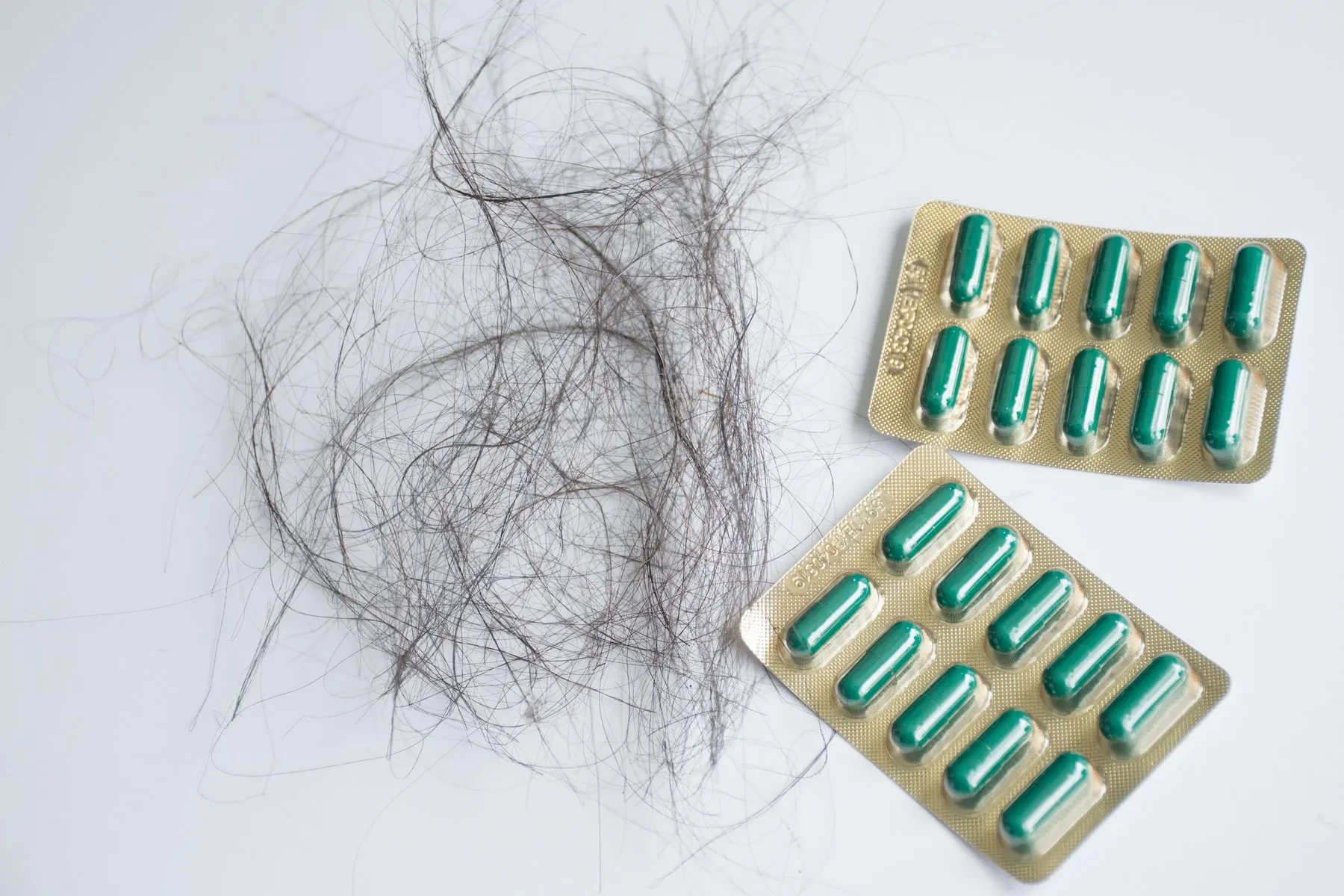
Hair loss can happen for many reasons, and nutrition is only one part of the picture. Still, certain vitamin and mineral deficiencies can contribute to shedding, thinning, brittle strands, or slower regrowth, especially when the body does not have enough raw materials to support the hair cycle. This guide explains the nutrients most often discussed with hair loss, how deficiencies may show up, and why testing before supplementing is usually smarter than guessing.
Can vitamin and mineral deficiencies really cause hair loss?
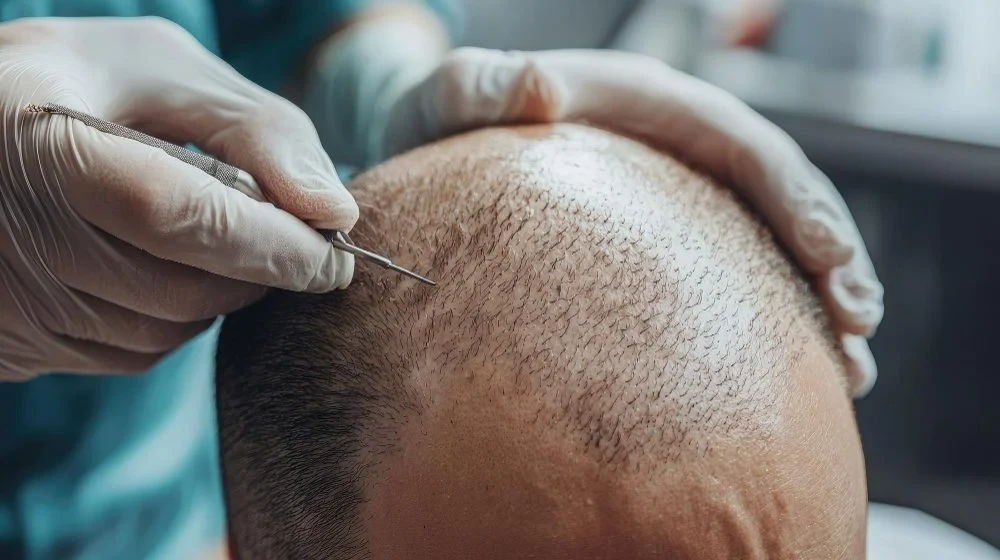
Yes, vitamin and mineral deficiencies can cause or worsen hair loss, but they are not the only cause. Hair follicles are active tissues that need steady energy, protein, vitamins, minerals, oxygen delivery, and hormonal balance. When the body is undernourished, stressed, ill, or depleted, it may shift more hairs into the shedding phase, which can lead to noticeable hair fall weeks or months later. This does not mean every case of thinning hair is caused by a missing nutrient. Genetics, thyroid issues, pregnancy and postpartum changes, scalp inflammation, autoimmune conditions, medications, rapid weight loss, tight hairstyles, and aging can all play a role.That is why a supplement labeled as “hair growth vitamins” may help one person with a true deficiency and do very little for someone whose hair loss has another cause. A practical way to think about it is this: nutrition supports the conditions for healthy growth, but it does not override every medical or genetic trigger. If your body is low in key nutrients, correcting the deficiency may reduce shedding over time. If your nutrient levels are already adequate, taking extra vitamins for hair is unlikely to create dramatic new growth and may even backfire if doses are too high.
The hair growth cycle and why deficiencies matter
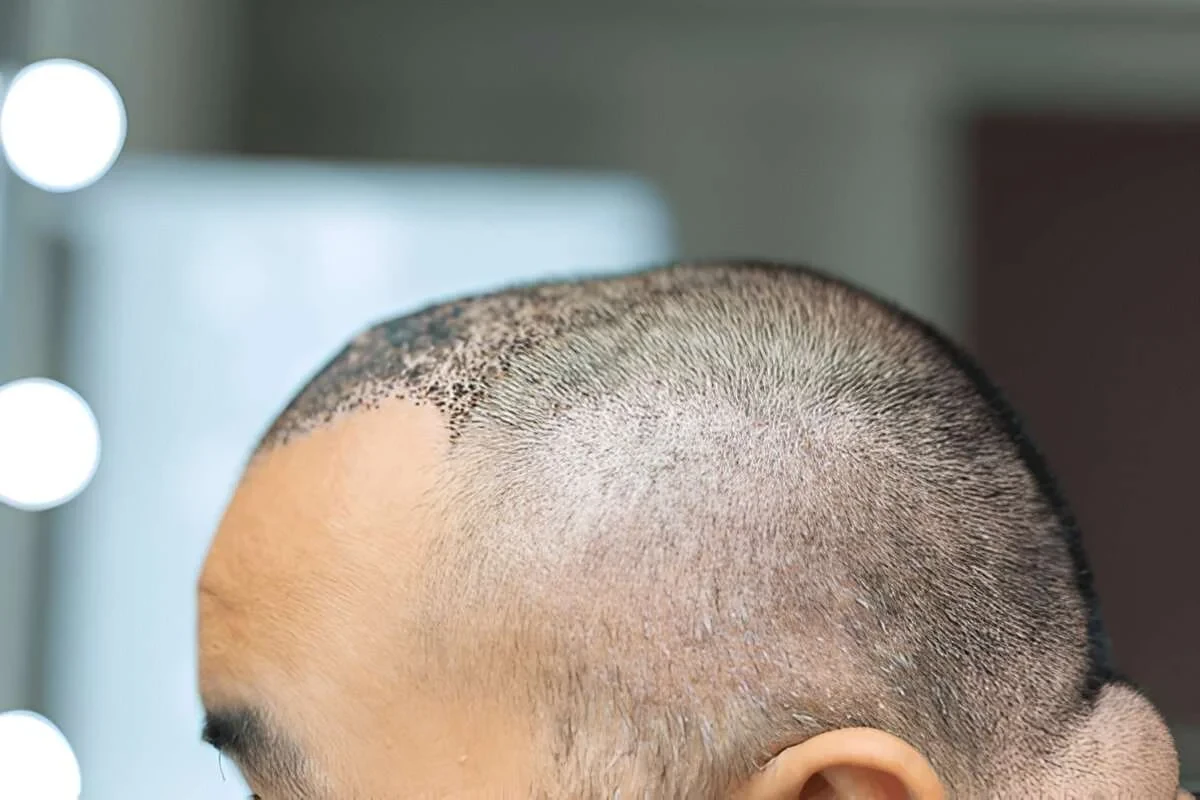
Hair grows in cycles. Individual follicles move through a growth phase, a transition phase, a resting phase, and a shedding phase. Because each follicle is on its own timeline, it is normal to lose some hair every day. The problem begins when more follicles than usual shift into shedding or when follicles produce thinner, weaker strands. Nutrient deficiencies can affect this cycle in several ways. Iron supports oxygen transport, zinc supports cell division and tissue repair, vitamin D is involved in follicle function, and B vitamins help the body use energy from food.Protein, while not a vitamin or mineral, is also essential because hair is made largely from keratin, a structural protein. This is why hair loss from nutritional stress often appears as diffuse shedding rather than one neat bald patch. People may notice more hair in the shower, on a brush, on clothing, or around the home. The scalp may look less dense overall, especially under bright light or when the hair is parted.
Which deficiencies are most commonly linked with hair loss?
The deficiencies most often discussed in connection with hair loss include iron, vitamin D, zinc, and, less commonly, biotin, vitamin B12, folate, selenium, copper, and vitamin C. The strength of the connection varies by nutrient and by person. Some are well known to affect hair when severely low, while others are more likely to matter when combined with poor diet, illness, restrictive eating, or absorption problems.It also helps to separate deficiency from “optimization.” A person who is deficient may benefit from correcting that gap. A person with normal levels may not benefit from extra supplementation, even if the nutrient appears on a hair supplement label.
Iron deficiency
Iron is one of the most important nutrients to consider when hair shedding is persistent, especially in people who menstruate, follow restrictive diets, have heavy periods, recently gave birth, donate blood frequently, or have digestive conditions that affect absorption. Iron helps red blood cells carry oxygen, and rapidly dividing tissues, including hair follicles, depend on adequate oxygen and energy supply. Low iron may exist with or without anemia. Some people have low iron stores before standard anemia markers become abnormal.That is why clinicians may look at ferritin, a marker of stored iron, along with other blood tests when evaluating hair loss. Common clues that iron might be part of the picture include fatigue, weakness, dizziness, shortness of breath with exertion, pale skin, cold hands and feet, restless legs, or cravings for nonfood substances. However, symptoms are not always obvious. Hair shedding may be one of several signs that the body is running low. Food sources of iron include:
- Lean red meat, poultry, and seafood
- Beans, lentils, chickpeas, and tofu
- Spinach and other leafy greens
- Pumpkin seeds and sesame seeds
- Iron-fortified cereals or grains
Vitamin D deficiency
Vitamin D is often discussed in hair health because vitamin D receptors are involved in hair follicle cycling. Low vitamin D has been observed in some people with shedding or certain hair loss conditions, though the relationship is not always simple. Correcting a true deficiency may support overall health and may be part of a broader hair-loss plan. People may be more likely to have low vitamin D if they get little sun exposure, consistently wear heavy sun protection, have darker skin, live in areas with limited winter sunlight, have higher body weight, are older, or have conditions that affect fat absorption. Some medications can also affect vitamin D levels.Vitamin D is found in relatively few foods. Sources include fatty fish, egg yolks, fortified milk, fortified plant milks, and some fortified cereals. Sunlight helps the body make vitamin D, but sun exposure needs vary widely and must be balanced with skin cancer risk. Because vitamin D is fat-soluble, it can build up in the body if taken in excessive amounts. More is not automatically better. If you suspect low vitamin D, testing and guided dosing are safer than starting high-dose supplements on your own.
Zinc deficiency
Zinc supports cell growth, immune function, wound healing, and protein production, all of which are relevant to healthy hair. A significant zinc deficiency can contribute to hair loss, scalp issues, poor wound healing, changes in taste or smell, appetite loss, or frequent infections. People at higher risk of low zinc may include those with restrictive diets, digestive disorders, chronic diarrhea, heavy alcohol use, or diets very high in phytates from unsoaked grains and legumes without enough zinc-rich foods. Vegetarian and vegan diets can provide zinc, but they require attention because plant compounds can reduce absorption. Good zinc sources include:- Oysters and other shellfish
- Beef, poultry, and eggs
- Beans, lentils, and chickpeas
- Pumpkin seeds, hemp seeds, and nuts
- Dairy foods and fortified products
Biotin deficiency
Biotin is one of the best-known ingredients in hair growth vitamins, but true biotin deficiency is uncommon in people eating a varied diet. When deficiency does occur, it can cause thinning hair, brittle nails, skin rash, and neurological symptoms. Risk may be higher with certain genetic conditions, long-term use of some medications, heavy alcohol use, pregnancy-related increased needs, or regularly consuming large amounts of raw egg whites, which contain a protein that can bind biotin. The key point is that biotin can be helpful when a person is genuinely deficient, but it is not a universal solution for hair loss. Many people take high-dose biotin without knowing whether they need it.That can create another issue: biotin supplements may interfere with some lab tests, including tests used to assess hormones and heart-related markers. If you take biotin and are planning blood work, tell your healthcare professional. You may be advised to stop it for a period before testing. Do not assume that a “hair, skin, and nails” supplement is harmless simply because it is widely sold.
Vitamin B12 and folate deficiencies
Vitamin B12 and folate help the body make healthy red blood cells and support normal cell function. Deficiencies can contribute to anemia, fatigue, weakness, mouth soreness, numbness or tingling, mood changes, and other symptoms. Hair loss is not always the main sign, but poor B12 or folate status can be part of a broader nutritional pattern that affects hair quality and shedding. B12 deserves special attention for people who eat little or no animal food, because it is naturally found mainly in animal-derived foods.Vegans usually need fortified foods or supplementation. Older adults and people with certain digestive conditions or surgeries may also have trouble absorbing B12. Folate is found in leafy greens, beans, lentils, asparagus, citrus, avocado, and fortified grains. In pregnancy or when planning pregnancy, folate needs are especially important, but supplementation should be personalized with professional guidance.
Vitamin C deficiency
Vitamin C supports collagen formation and helps the body absorb non-heme iron from plant foods. Severe vitamin C deficiency can affect skin, gums, wound healing, and hair structure. While it is not the first deficiency most people think of for hair loss, low vitamin C can indirectly matter if it contributes to poor iron absorption or fragile connective tissue.Most people can improve vitamin C intake through food rather than high-dose supplements. Citrus fruits, strawberries, kiwi, bell peppers, broccoli, Brussels sprouts, and potatoes all provide vitamin C. A simple habit, such as adding fruit at breakfast or peppers to a bean-based meal, can support iron absorption and overall nutrient intake.
Selenium deficiency and excess
Selenium is needed in small amounts for antioxidant enzymes and thyroid hormone metabolism. True selenium deficiency is uncommon in many diets, but it can occur in certain regions, with severe digestive disorders, or with highly restricted intake. Hair changes may occur when selenium status is very low. However, selenium is also a nutrient where excess is a real concern.Too much selenium may contribute to hair loss, brittle nails, digestive symptoms, a metallic taste, or other signs of toxicity. This is one reason to be cautious with supplements that combine many hair-focused nutrients in large doses. If you already eat selenium-rich foods, such as seafood, eggs, meat, grains, or Brazil nuts, you may not need extra. Brazil nuts in particular can contain high levels, so using them as a daily “supplement” without moderation is not wise.
Copper deficiency
Copper helps with iron metabolism, connective tissue, and pigment production. Deficiency is less common than low iron or vitamin D, but it can happen, especially after certain gastrointestinal surgeries, with malabsorption, or from taking too much zinc for too long. Hair-related signs may include texture changes, pigment changes, or shedding as part of a wider set of symptoms.Because copper and zinc interact, taking high-dose zinc without guidance can unintentionally lower copper status. This is another reason not to build a supplement routine by combining multiple products with overlapping ingredients.
Vitamin A imbalance
Vitamin A is necessary for normal cell growth and immune function, but hair health depends on the right amount, not the highest amount. Too little vitamin A is uncommon in many well-fed populations, but severe deficiency can affect skin and hair. Too much vitamin A, especially from high-dose supplements or certain medications, is more famously associated with hair loss.This matters because some people respond to shedding by taking more supplements, not realizing that excessive intake can worsen the problem. Preformed vitamin A from retinol-containing supplements is the main concern. Beta-carotene from colorful fruits and vegetables is generally handled differently by the body, though supplementation still deserves caution in specific situations.
Signs your hair loss may be nutrition-related
Nutritional hair loss often develops after a period of stress on the body. The trigger may be a strict diet, illness, surgery, childbirth, heavy bleeding, digestive trouble, a major lifestyle change, or months of not eating enough. Because hair cycles slowly, shedding may show up well after the original trigger. Look for patterns such as:- Diffuse shedding across the scalp rather than a single smooth patch
- More hair than usual in the shower, brush, or on your pillow
- A wider-looking part or thinner ponytail
- Brittle strands that break easily
- Fatigue, dizziness, frequent infections, or slow wound healing
- Heavy menstrual bleeding or recent blood loss
- Recent rapid weight loss or very low-calorie dieting
- A restrictive diet with limited protein, iron, zinc, or B12 sources
- Digestive symptoms that may affect nutrient absorption
Testing is better than guessing
When people search for vitamin deficiencies hair loss, they often want a quick list of supplements to buy. The safer approach is to identify what is actually low. Blood work can help distinguish a true deficiency from a hair-loss condition that needs a different strategy. A healthcare professional may consider tests such as:- Complete blood count to screen for anemia or other blood changes
- Ferritin and iron studies to evaluate iron stores
- Vitamin D level if risk factors or symptoms suggest deficiency
- Vitamin B12 and folate when diet or symptoms point that way
- Thyroid testing, since thyroid imbalance can mimic nutrition-related shedding
- Zinc or other minerals in selected cases
- Additional testing based on menstrual history, digestion, medications, or scalp findings
Food-first support for stronger hair
A balanced diet will not cure every type of hair loss, but it gives follicles the materials they need. Instead of focusing only on isolated hair growth vitamins, build meals that include protein, minerals, healthy fats, and colorful plant foods. A hair-supportive plate often includes:- Protein at each meal: eggs, fish, poultry, lean meat, Greek yogurt, tofu, tempeh, beans, lentils, or protein-rich grains.
- Iron-rich foods: meat, seafood, legumes, leafy greens, seeds, or fortified grains.
- Zinc-rich foods: shellfish, meat, poultry, dairy, pumpkin seeds, hemp seeds, beans, and nuts.
- Vitamin C with plant iron: citrus, berries, kiwi, peppers, tomatoes, broccoli, or potatoes.
- Vitamin D sources: fatty fish, fortified dairy or plant milk, eggs, and appropriate sun exposure when safe.
- B12 sources: animal foods, fortified foods, or supplements when needed for vegan diets.
- Healthy fats: olive oil, avocado, nuts, seeds, and fatty fish to support overall nutrient absorption and scalp health.
Should you take hair growth vitamins for thinning hair?
Hair growth vitamins may be useful if you have a confirmed deficiency, a restricted diet, increased needs, or an absorption issue. They are less likely to help if your nutrient levels are already normal or if your hair loss is mainly genetic, hormonal, inflammatory, or medication-related. The best supplement is not the one with the longest ingredient list; it is the one that addresses your actual gap safely.Before buying vitamins for hair, review the label carefully. Many products contain large doses of multiple nutrients, and you may already be getting some of those nutrients from a multivitamin, protein powder, fortified foods, or other supplements. Doubling up can push intake higher than intended. Use this supplement safety checklist:
- Confirm whether you are deficient when testing is available.
- Tell your healthcare professional about all supplements you take.
- Avoid high-dose iron unless it has been recommended for you.
- Be cautious with fat-soluble vitamins such as A, D, and E.
- Check whether the product contains selenium, zinc, or biotin in high amounts.
- Stop assuming “natural” means risk-free.
- Give any correction plan enough time, since hair growth changes slowly.
- Seek medical care if shedding is sudden, severe, patchy, painful, or associated with scalp inflammation.
Common mistakes that can make shedding worse
One of the biggest mistakes is treating all hair loss as a supplement problem. If you spend months taking random capsules while an underlying scalp condition, thyroid disorder, hormonal issue, or medication effect continues unchecked, you may lose valuable time. Nutritional support is helpful, but it should not replace proper evaluation. Another mistake is taking high-dose supplements without understanding interactions. Too much zinc can affect copper. Too much vitamin A or selenium can contribute to hair loss.Biotin can interfere with certain lab results. Iron can cause side effects and is unsafe in excess. A third mistake is under-eating while trying to improve hair. Hair is not essential for immediate survival, so the body may reduce support for hair growth when calories, protein, or key nutrients are consistently low. A “clean” diet that lacks enough food can still be a hair-stressing diet.
A practical plan if you suspect a deficiency
If your hair loss feels connected to nutrition, take a step-by-step approach instead of changing everything at once. This makes it easier to identify what helps and reduces the risk of over-supplementing.- Document the pattern. Note when shedding started, whether it is diffuse or patchy, and whether there were triggers two to four months earlier, such as illness, childbirth, dieting, stress, surgery, or medication changes.
- Review your diet honestly. Look for gaps in protein, iron, zinc, B12, vitamin D, and overall calories. Pay special attention if you avoid major food groups.
- Check for other symptoms. Fatigue, heavy periods, digestive changes, nail changes, scalp irritation, or weight changes can help guide evaluation.
- Ask about targeted labs. Testing can identify deficiencies and rule out common look-alikes, including thyroid-related shedding.
- Correct only what needs correcting. Use food first when possible and supplements when appropriate.
- Track progress patiently. Hair changes slowly, so judge progress over months rather than days.
- Escalate when needed. If shedding continues, worsens, or appears with scalp symptoms, consult a clinician experienced in hair and scalp concerns.