Why Is My Hairline Receding Faster on One Side?
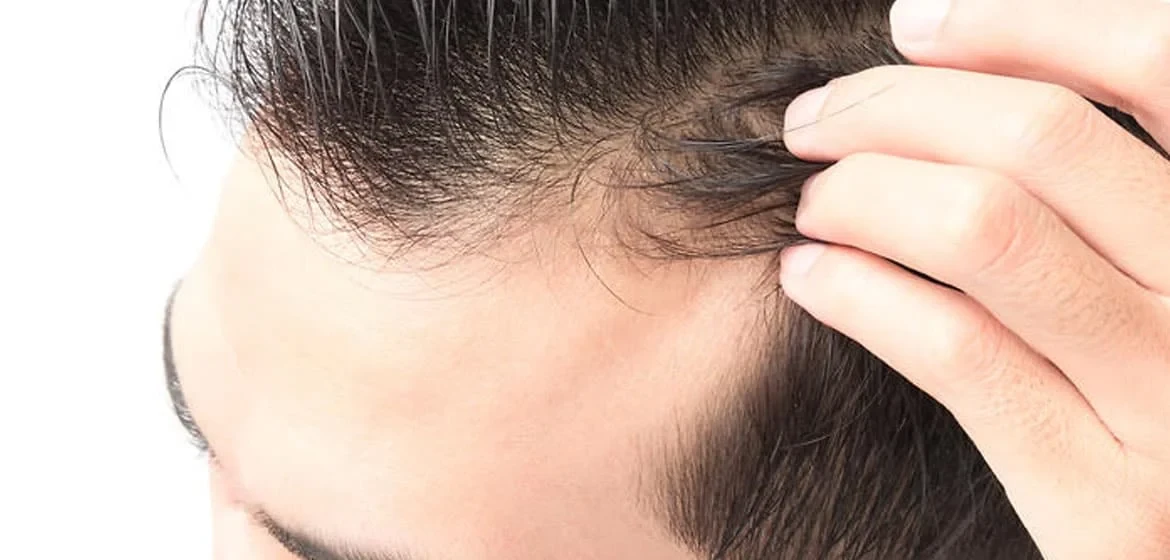
Is It Normal for One Side of the Hairline to Recede Faster?
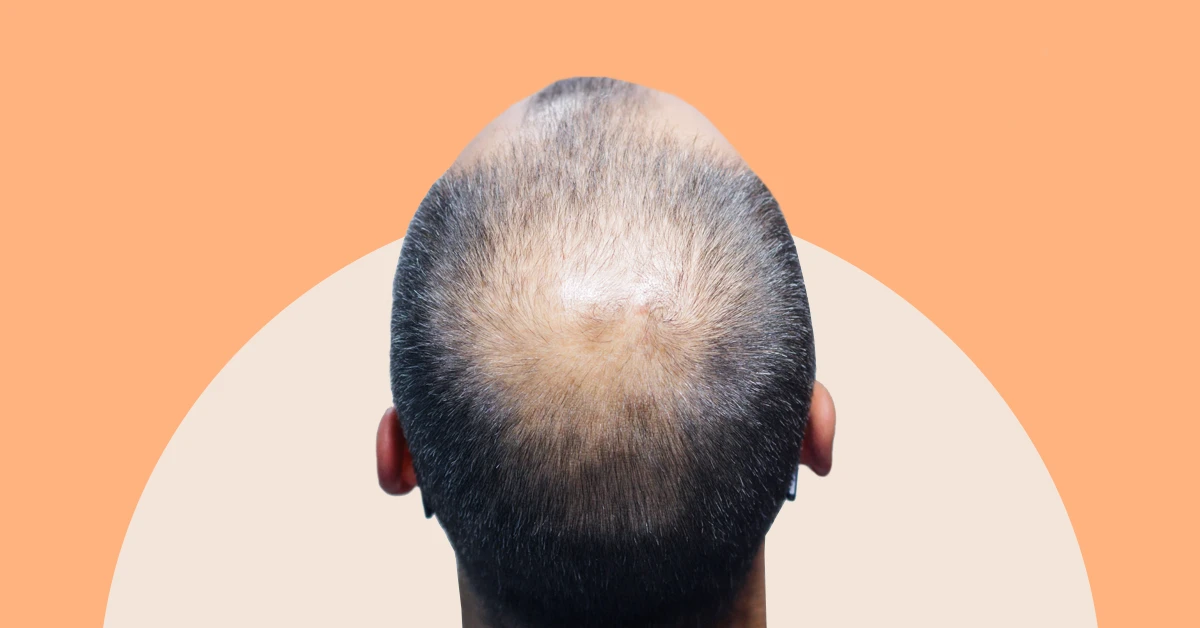
One side of the hairline can recede faster because hair follicles do not always respond to aging, genetics, and hormones in a perfectly symmetrical pattern. The temples naturally differ slightly in shape and density, even before visible hair loss begins.As recession progresses, these small differences can become easier to notice. One side may contain follicles that are more sensitive to androgen activity. Styling habits and repeated tension can also increase the imbalance. Mild asymmetry is common, but rapid change on one side deserves closer attention. The pattern matters more than perfect visual symmetry when judging whether recession is progressing.
Can Genetics Cause an Uneven Receding Hairline?
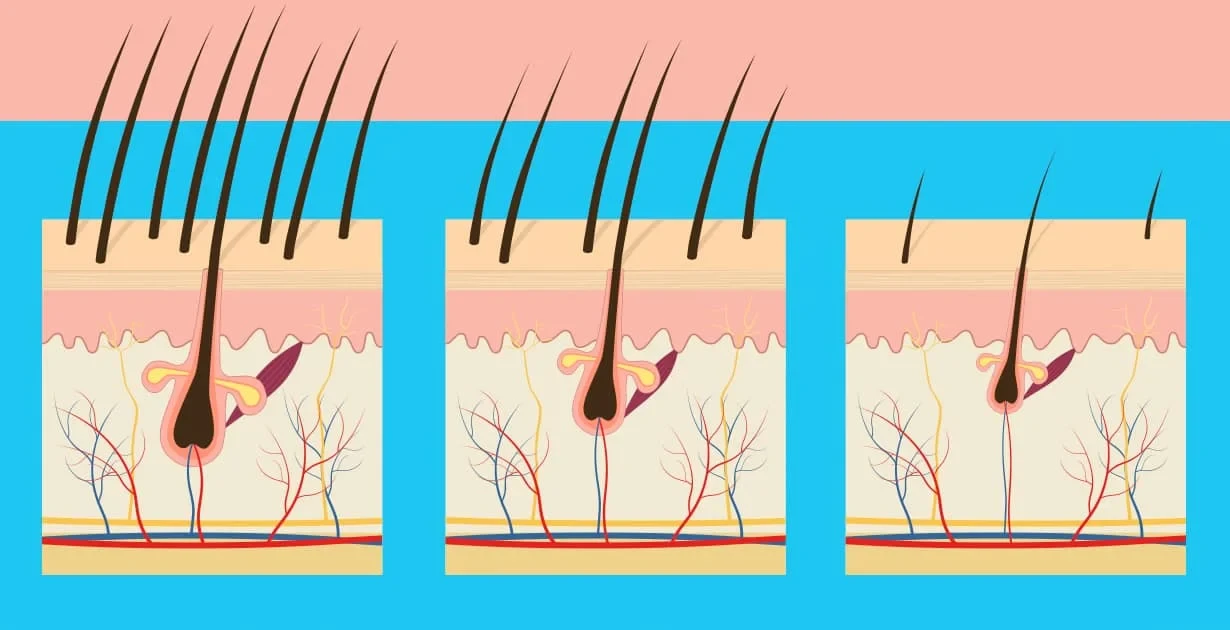
Genetics can cause an uneven receding hairline because inherited follicle sensitivity can vary between different areas of the frontal scalp. Androgenetic hair loss does not always advance at exactly the same rate on both sides. One temple may contain more follicles that respond strongly to DHT. That side can therefore become thinner earlier. Family patterns may also show similar asymmetry, although relatives do not always lose hair in the same shape. Genetic recession usually develops gradually rather than appearing overnight. If the difference becomes more visible over months or years, inherited pattern hair loss is one possible explanation.Why Does One Temple Recede More Than the Other?
One temple may recede more because the follicles on that side can have greater genetic sensitivity or lower baseline density. Temple hair is often among the first areas affected by pattern hair loss. A small natural difference can become more pronounced once miniaturization begins. The direction of hair growth may also make one temple appear thinner from certain angles. Lighting and styling can exaggerate the imbalance. Repeated traction from hairstyles can add another factor. When one temple continues moving backward while the other remains stable, tracking the change over time can help distinguish normal asymmetry from active progression.Can Male Pattern Hair Loss Be Uneven?
Male pattern hair loss can progress unevenly, especially during the early stages when one temple or frontal corner begins thinning first. The condition is driven by genetic sensitivity to androgens, but each follicle does not respond identically. One side may therefore miniaturize faster. Over time, the opposite side may begin to follow a similar pattern. In other cases, the asymmetry remains noticeable for years. Crown thinning can also develop at a different rate from frontal recession. Uneven progression does not necessarily indicate a separate condition, but sudden or sharply localized loss should be evaluated differently from gradual pattern recession.Can Female Pattern Hair Loss Affect One Side More?
Female pattern hair loss can appear slightly uneven, although it more often causes broader thinning across the central scalp. One side may seem thinner because of parting direction, natural density differences, or unequal miniaturization. Hair styling can also influence how much scalp is visible on each side. However, a clearly defined one-sided patch is less typical of female pattern hair loss. Sudden asymmetry may point toward traction, inflammation, breakage, or another localized process. The overall distribution matters when judging the cause. Gradual widening of the part usually differs from a sharply receding temple on only one side.Does Sleeping on One Side Cause Hairline Recession?
Sleeping on one side is not usually enough to cause true hairline recession, although repeated friction can sometimes increase breakage. Hair follicles sit below the skin and are not normally damaged simply by pillow contact. However, fragile hairs can break more easily when exposed to repeated rubbing. This may make one side look thinner without causing permanent follicle loss. Rough pillow fabrics and frequent turning may increase friction. True recession usually involves miniaturization or traction rather than ordinary sleep position. If shorter broken hairs are visible, breakage may be contributing more than actual hairline movement.Can Hairstyles Cause One-Sided Hairline Thinning?
Hairstyles can cause one-sided hairline thinning when tension repeatedly pulls more strongly on the same temple or frontal edge. Tight braids, ponytails, buns, extensions, or styles that pull hair in one direction can strain specific follicles. Repeated tension may initially cause breakage and tenderness. Over time, persistent traction can lead to true follicle damage. One side may become thinner first if the hairstyle places uneven pressure across the hairline. Early traction-related thinning can improve when the tension stops. Long-standing damage may be harder to reverse, making early recognition important.Can Wearing a Hat Cause Uneven Hairline Loss?
Normal hat use does not usually cause permanent one-sided hairline recession unless the hat creates repeated friction or pressure in the same area. A loose hat generally does not damage healthy follicles.Problems are more likely when headwear is consistently tight or rubs against one temple. Friction can break fragile hairs and make the edge look thinner. Pressure alone is also unlikely to explain progressive recession if the hat fits comfortably. If thinning matches the exact area where headwear repeatedly contacts the scalp, reducing that friction may help clarify whether the hat is contributing to the appearance.
Can Scalp Inflammation Cause One-Sided Hair Loss?
Scalp inflammation can cause one-sided thinning when irritation, dermatitis, infection, or another local condition affects a specific area more strongly. Inflamed skin may become red, itchy, flaky, painful, or tender. Repeated scratching can also worsen breakage and shedding around the affected area. Some inflammatory conditions temporarily disturb the hair cycle, while others can damage follicles more seriously.This pattern differs from ordinary genetic recession because additional scalp symptoms are often present. One-sided loss with burning, scaling, pustules, or visible skin changes should be assessed promptly rather than assumed to be standard hairline recession.
Can Stress Cause Uneven Hairline Recession?
Stress usually causes diffuse shedding rather than isolated recession on one side of the hairline. Stress-related shedding often affects hairs across the scalp because many follicles enter the resting phase together. However, existing asymmetry can become more obvious when overall density decreases. A temple that was already slightly thinner may suddenly look much more recessed. Stress can therefore reveal an underlying imbalance without directly targeting one side. If recession remains sharply localized, genetics, traction, breakage, or scalp inflammation may provide a more likely explanation than stress alone.Can Hair Breakage Look Like Hairline Recession?
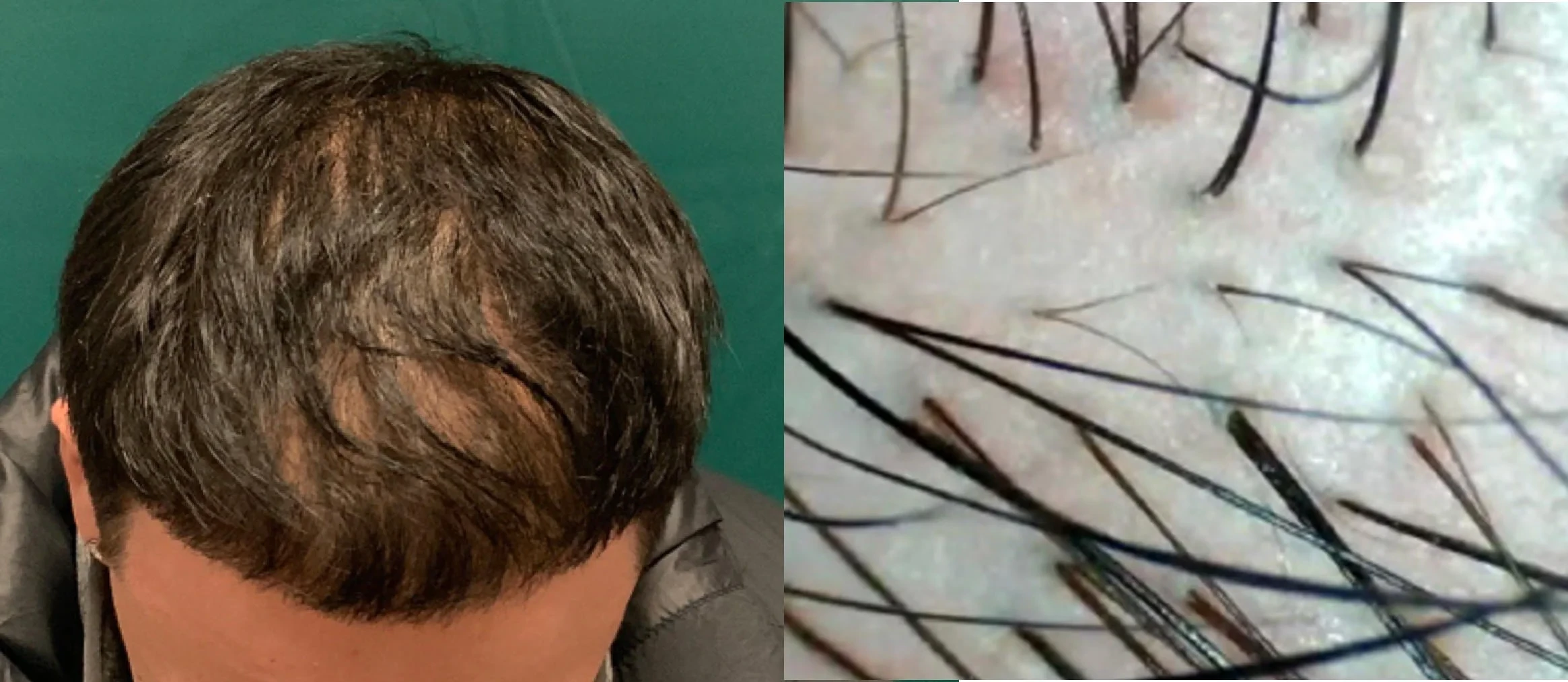
Hair breakage can make one side of the hairline look recessed even when the follicles themselves remain active. Broken hairs are usually shorter and more uneven than hairs affected by true follicle miniaturization. Heat styling, chemicals, friction, and tight hairstyles can all create this appearance. The edge may look less dense, especially around the temples where strands are naturally finer. Breakage can also affect one side more because of styling habits or sleeping friction. Looking closely for short snapped hairs can help distinguish breakage from genuine recession, where the frontal boundary itself gradually moves backward.How Can You Tell If Uneven Hairline Loss Is Getting Worse?
The easiest way to track uneven hairline recession is to compare consistent photographs taken under the same lighting, angle, hairstyle, and distance. Useful signs of progression include:- One temple moving farther backward
- Increasing scalp visibility at one frontal corner
- Finer hairs appearing along the edge
- More noticeable asymmetry over several months
- Reduced density behind the hairline
- A widening gap between strong and weak areas
- Continued change despite altering styling habits
Can an Uneven Hairline Grow Back?
An uneven hairline can regrow when the cause involves temporary shedding, early traction, or breakage rather than permanent follicle loss. Recovery depends on whether the follicles remain healthy enough to produce normal strands. Broken hair can regain length once the damage stops. Traction-related thinning may improve when tension is removed early.Genetic recession behaves differently because miniaturized follicles may continue producing progressively finer hairs. Treatments can sometimes preserve or strengthen those follicles, especially before advanced loss develops. Long-standing smooth areas with little visible hair are generally less likely to recover without targeted hair restoration options.
When Should Uneven Hairline Recession Be Evaluated?
Uneven hairline recession should be evaluated when it progresses rapidly, becomes sharply localized, or appears with scalp symptoms such as pain, redness, scaling, or itching. Gradual mild asymmetry can occur with ordinary pattern hair loss. Sudden changes deserve more attention because they can indicate traction, inflammation, alopecia areata, or another condition.Broken hairs, bald patches, or eyebrow changes can also provide useful clues. A rapidly changing hairline should not automatically be blamed on genetics. The speed, shape, and scalp condition help determine whether the asymmetry fits common pattern recession or requires a different explanation.