Xpecia: Uses, Ingredients and Hair Loss Support
What Is Xpecia?
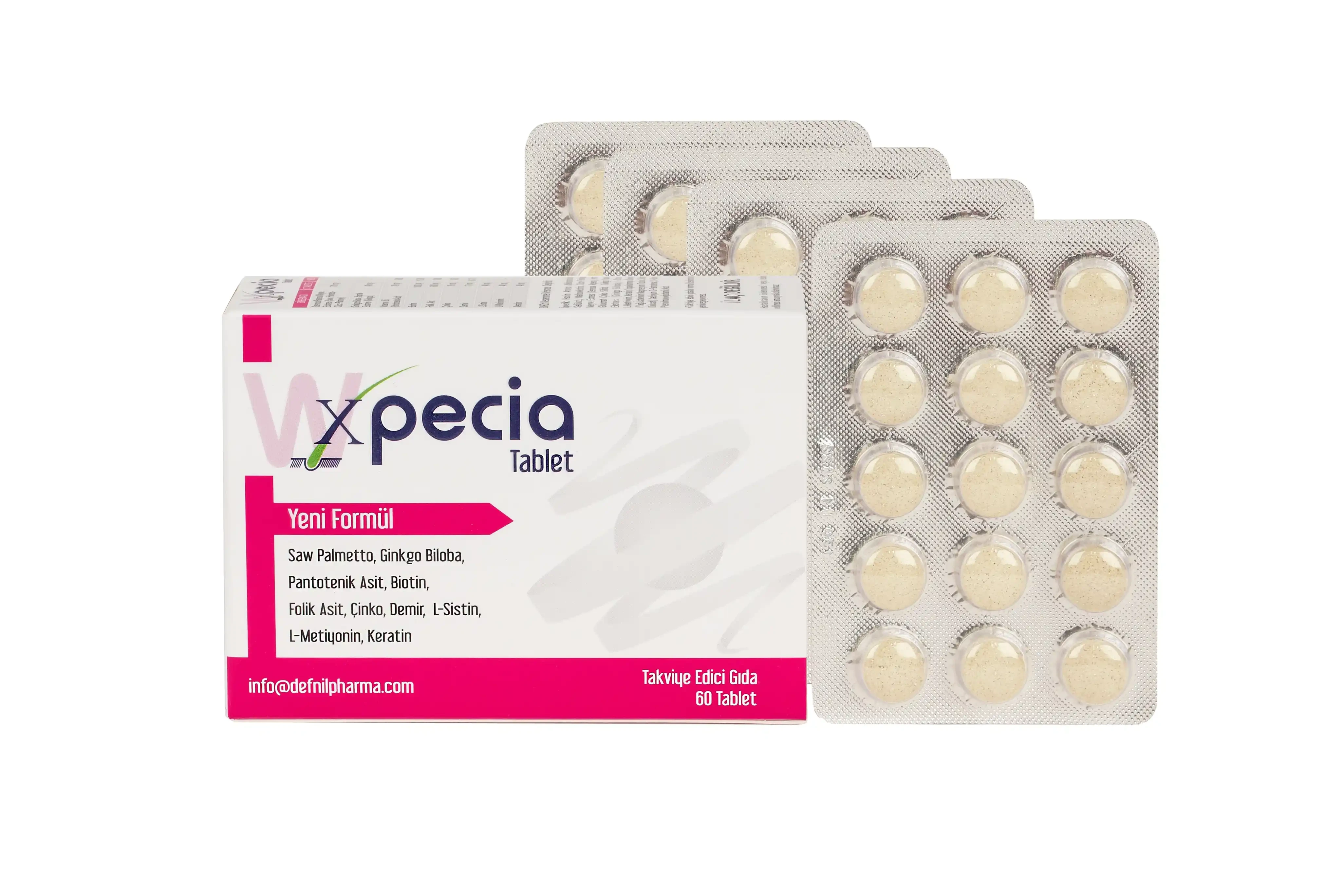
Xpecia is a dietary supplement formulated with vitamins, minerals, amino acids, keratin, and plant extracts intended to support normal hair and skin maintenance. The product is available in separate male and female formulas.Both contain ingredients such as biotin, zinc, folic acid, saw palmetto, ginkgo biloba, L-cystine, L-methionine, and keratin. The formulas differ in several ingredient amounts and specific components. Xpecia is manufactured as a supplement rather than a prescription hair-loss medicine. Its current product information specifically states that it should not be used for preventing or treating diseases.
What Is Xpecia Used For?
Xpecia is used as a nutritional supplement for people who want additional dietary support for normal hair, skin, and related nutrient requirements. Biotin and zinc contribute to maintaining normal hair, while zinc also supports normal protein synthesis.The female formula additionally contains iron, which contributes to normal red blood cell and haemoglobin formation. These nutritional functions do not mean Xpecia can diagnose or treat the underlying cause of hair loss. Hair shedding may result from androgenetic alopecia, nutrient deficiency, thyroid disorders, illness, medication, stress, or other conditions. Persistent or progressive hair loss therefore requires evaluation beyond supplementation alone.
Is Xpecia a Medicine or a Supplement?
Xpecia is a food supplement rather than a medicine, and its product information does not classify it as a treatment for hair-loss diseases. This distinction matters because supplements and medicines have different purposes and evidence requirements. Xpecia supplies nutrients, amino acids, keratin, and botanical ingredients through oral tablets.Its label states that supplements cannot replace a normal diet and should not be used to prevent or treat diseases. Therefore, taking Xpecia should not be interpreted as receiving medical treatment for androgenetic alopecia or another diagnosed form of hair loss. Identifying the actual cause remains important when shedding is persistent, severe, or progressive.
What Does Xpecia Contain?
Xpecia combines several nutrients, amino acids, proteins, and botanical extracts, with different daily amounts in the male and female formulations.- Saw palmetto: 340 mg for men and 170 mg for women
- Ginkgo biloba: 20 mg for men and 40 mg for women
- Biotin: 2500 micrograms for men and 1000 micrograms for women
- Zinc: 15 mg in both formulas
- Folic acid: 600 micrograms in both formulas
- L-cystine: 40 mg in both formulas
- L-methionine: 40 mg in both formulas
- Keratin: 20 mg for men and 40 mg for women
- Iron: 17 mg in the female formula
- Soy isoflavones: 8 mg in the male formula
What Is the Difference Between Xpecia Men and Xpecia Women?
Xpecia Men and Xpecia Women contain many of the same ingredients but use different amounts and include several formula-specific components. The male daily serving contains 340 mg saw palmetto, 2500 micrograms biotin, 20 mg ginkgo biloba, and 8 mg soy isoflavones. The female formula contains 170 mg saw palmetto, 1000 micrograms biotin, 40 mg ginkgo biloba, and 17 mg iron. Female Xpecia also contains 40 mg keratin, compared with 20 mg in the male version. Both provide zinc, folic acid, L-cystine, L-methionine, and pantothenic acid.How Should Xpecia Be Taken?
The recommended Xpecia serving is one tablet twice daily after meals for both the male and female versions. This provides the ingredient quantities listed as the daily two-tablet serving. The current instructions state that users should not exceed the recommended daily amount. Both formulas are labelled for people aged 11 years and older within their respective user groups. The tablets should be stored in their packaging in a cool and dry location away from children. People who are pregnant, breastfeeding, taking medication, or managing a medical condition are advised to seek medical guidance before use.Does Xpecia Help With Hair Loss?
Xpecia may provide useful nutritional support when hair problems are connected with inadequate nutrient intake, but evidence does not establish it as a universal hair-loss treatment. Deficiencies involving nutrients such as iron, zinc, or biotin can contribute to hair loss in some people. Correcting a confirmed deficiency may therefore support recovery. However, supplementation has less predictable value when nutrient levels are already normal. Evidence for botanical ingredients is also limited. Studies involving saw palmetto have reported potentially positive hair outcomes, but available research remains too limited for firm conclusions. The cause of hair loss therefore determines whether nutritional supplementation is relevant.Can Xpecia Regrow Hair?
Xpecia cannot be expected to reliably regrow lost hair because supplements do not address every biological cause of hair loss. Nutrients can support normal physiological functions, particularly when an actual deficiency exists. However, common conditions such as androgenetic alopecia involve progressive follicle miniaturisation rather than a simple shortage of vitamins. Research on hair supplements has produced mixed results, and many formulations have not shown consistent improvements in hair growth or thickness. Saw palmetto has some preliminary evidence, but stronger clinical research is still needed. Xpecia should therefore be viewed as nutritional support rather than a guaranteed method for restoring lost hair.How Long Does Xpecia Take to Work?
Xpecia does not have a scientifically established universal timeframe for visible hair improvement because results depend on nutritional status and the underlying cause of shedding. Hair growth occurs slowly, so meaningful changes cannot usually be assessed after only several days or weeks. Even after a nutritional deficiency is corrected, the hair cycle requires time before visible changes appear.The current Xpecia instructions specify the daily dosage but do not establish a guaranteed treatment period or a fixed date for results. Continued shedding despite supplementation may indicate that the problem is unrelated to nutrient intake. Persistent hair loss should therefore be evaluated rather than simply extending supplement use indefinitely.
What Does Biotin in Xpecia Do?
Biotin in Xpecia contributes to normal physiological functions, but additional biotin has limited evidence for improving hair growth in people without a deficiency. The male formula provides 2500 micrograms daily, while the female version provides 1000 micrograms. Biotin deficiency can cause thinning hair, but true deficiency is considered uncommon. Research supporting routine high-dose biotin for normal hair is limited. Another important consideration is laboratory testing. High supplemental biotin intake can interfere with certain blood tests, including assays involving thyroid hormones and other clinically important markers. Healthcare professionals should therefore know about biotin-containing supplements before laboratory testing.What Does Saw Palmetto in Xpecia Do?
Saw palmetto is included in Xpecia as a botanical ingredient associated with potential antiandrogenic activity, although evidence for treating hair loss remains limited. Xpecia Men provides 340 mg in the recommended daily serving, while Xpecia Women provides 170 mg. Small studies of oral and topical saw palmetto products have reported improvements in some people with androgenetic alopecia or hair thinning. However, research quality and study sizes remain insufficient for strong conclusions. Saw palmetto should therefore not be considered clinically equivalent to established treatments solely because it may influence androgen-related pathways. It can also cause digestive symptoms, dizziness, or headaches in some users.Can Xpecia Replace Minoxidil or Finasteride?
Xpecia should not be considered a direct replacement for minoxidil or finasteride because it is a dietary supplement rather than an established drug treatment for androgenetic alopecia. Its ingredients may support nutritional needs, and saw palmetto has limited preliminary research relating to hair loss. However, existing evidence does not demonstrate that the complete Xpecia formula produces the same therapeutic effects as approved or established medical treatments. Someone using Xpecia while experiencing progressive pattern hair loss may therefore continue losing non-transplanted or untreated hair. Treatment decisions should be based on the diagnosed cause, expected benefits, contraindications, and individual tolerance rather than considering supplements interchangeable with medications.What Are the Possible Side Effects of Xpecia?
Xpecia may cause unwanted effects related to individual ingredients, including digestive symptoms, dizziness, headaches, sensitivities, or interactions with existing medical conditions. Saw palmetto is generally well tolerated, but reported effects include digestive discomfort, dizziness, and headache. Ginkgo biloba can produce similar gastrointestinal or neurological symptoms.Female Xpecia also contains iron, which may cause digestive problems in some people. Biotin is not generally considered toxic at the included amounts, but higher supplemental intake can interfere with laboratory results. Individual reactions remain possible even when a supplement is widely tolerated, particularly when several active ingredients are combined.
Who Should Be Careful When Taking Xpecia?
People who are pregnant, breastfeeding, using medication, managing certain medical conditions, or experiencing cystine metabolism disorders should obtain medical advice before taking Xpecia. Current product information specifically advises consultation during pregnancy, breastfeeding, illness, or medication use. It also warns people with cystine metabolism disorders, including cystinuria or certain kidney stone conditions, to seek medical guidance. Saw palmetto may be unsuitable during pregnancy or breastfeeding.Ginkgo also raises pregnancy-related safety concerns. The presence of iron in Xpecia Women creates another reason to avoid unnecessary supplementation when iron status is already adequate. Nutrient supplementation is most useful when dietary or medical circumstances justify it.
Can Xpecia Interact With Medicines?
Xpecia can potentially interact with medicines because its formulas contain botanical extracts and nutrients that may affect medication safety or laboratory interpretation. Ginkgo biloba deserves particular attention because it may increase bleeding risk when combined with anticoagulants such as warfarin. Other medication interactions are also possible.High biotin intake can interfere with laboratory assays, creating misleading results even without directly interacting with the medicine itself. Saw palmetto is also a botanical ingredient, so people taking regular medication should disclose its use. Taking several supplements together can additionally raise total nutrient intake beyond the amounts shown on the Xpecia label.
Can Xpecia Be Used After a Hair Transplant?
Xpecia may be used after a hair transplant when it fits the postoperative plan, but it is not required for transplanted follicles to survive and grow. Hair transplantation relocates viable follicles from the donor area to the recipient area. Their establishment depends primarily on surgical handling, blood supply, healing, and appropriate postoperative care.Nutritional supplementation may be relevant when dietary intake is inadequate or a deficiency exists. However, Xpecia contains ginkgo and saw palmetto, so starting it immediately around surgery should be discussed beforehand. Ginkgo can affect bleeding risk, making supplement disclosure particularly important during the perioperative period.