Diffuse Thinning Hair: Causes, Signs, and Treatment Options
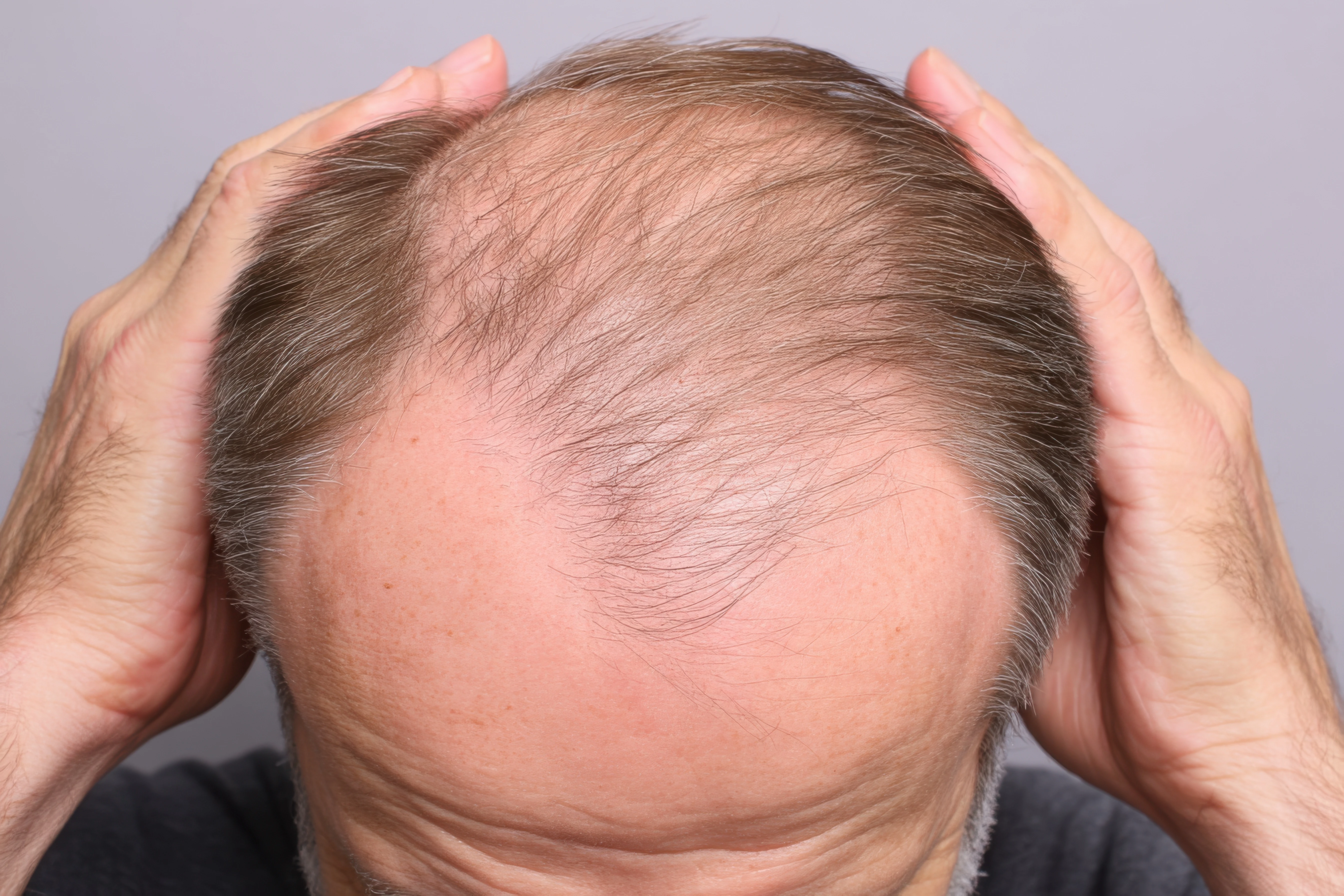
Diffuse thinning hair can be frustrating because it often occurs gradually, making it difficult to pinpoint exactly when your hair started to lose density. The good news is that this type of hair loss is often linked to identifiable causes, from stress and hormonal changes to nutritional deficiencies and certain medical conditions. In this article, you’ll learn about this condition and the most common reasons it occurs.
Read on to explore how doctors diagnose it, the treatment options available, and when to consider a hair transplant to help support healthier, fuller-looking hair.
What is Diffuse Thinning
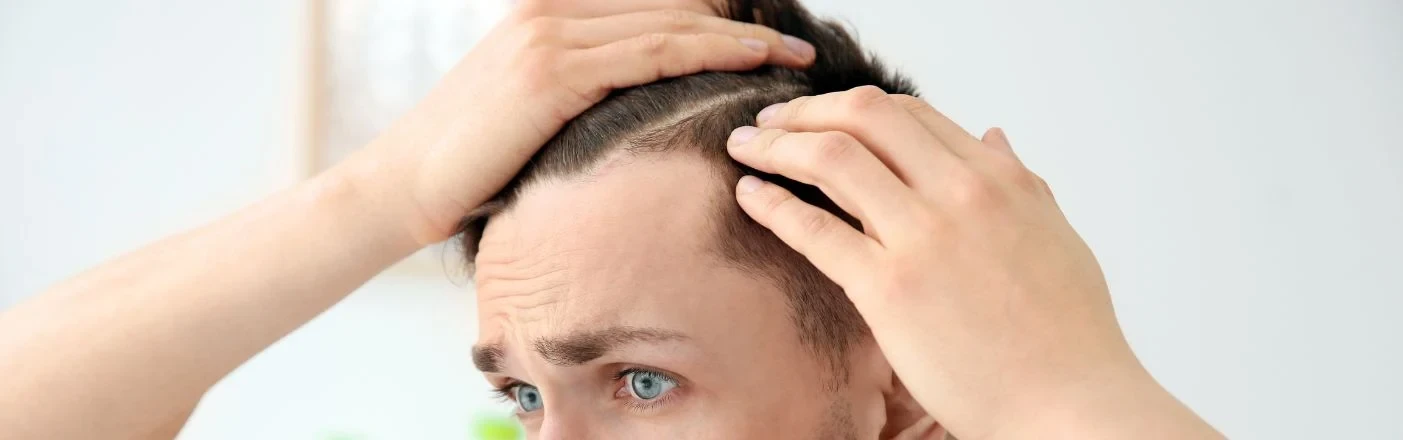
Diffuse thinning, or diffuse balding, is a type of hair loss that affects the scalp evenly, rather than forming distinct bald patches or a receding hairline. Instead of a single spot of hair loss, you will often see overall reduced hair density, making your hair appear finer, flatter, and less voluminous. This pattern can be subtle at first, gradually becoming more noticeable over time.
Unlike other types of hair loss, diffuse thinning usually doesn’t involve complete bald spots. Instead, the hair shafts themselves may become thinner and weaker, which can make styling more difficult and leave hair looking limp. Understanding this distinction is important, as it can help guide the right diagnosis and treatment plan to restore hair health and encourage regrowth.
Diffuse Thinning vs Pattern Hair Loss
These two hair loss types differ mainly in their distribution, progression, and underlying causes.
These conditions differ primarily in their distribution, progression, and underlying causes. While Diffuse Thinning affects the entire scalp evenly in both men and women, Pattern Hair Loss follows distinct, sex-specific paths:
- For Males: Typically involves a receding hairline and crown thinning measured by the Norwood Scale.
- For Females: Usually presents as a widening part and thinning across the top of the scalp, measured by the Ludwig Scale.
1. Diffuse Thinning
- Distribution: Even, widespread thinning across the entire scalp.
- Progression: Can develop suddenly or gradually and may fluctuate based on specific triggers.
- Common Causes: Often linked to temporary factors such as illness, stress, medication, or nutritional deficiencies.
- Who it Affects: Both males and females experience even hair thinning across the entire scalp.
2. Male Pattern Hair Loss
- Distribution: Concentrated in specific areas, primarily the receding hairline and crown thinning.
- Progression: Usually gradual and follows a predictable, progressive pattern.
- Common Causes: Primarily hereditary and driven by hormones.
- Who it Affects: Males, with patterns typically measured by the Norwood Scale.
3. Female Pattern Hair Loss
- Distribution: Thinning across the top of the scalp, often characterized by a widening part line.
- Progression: Usually gradual and occurs without a receding hairline.
- Common Causes: Influenced by both hormonal and genetic factors.
- Who it Affects: Females, with patterns typically measured by the Ludwig Scale.
What Causes Diffuse Thinning Hair?
It can develop for a variety of reasons. In many cases, it is linked to changes within the body, rather than damage to the hair itself. Factors such as hormonal shifts, stress, nutritional deficiencies, medical conditions, and certain medications can all disrupt the normal hair growth cycle and lead to noticeable loss of density across the scalp.
Telogen Effluvium
This term comes from the hair growth cycle terminology. ‘Telogen’ refers to the resting phase of the hair growth cycle, when the hair follicle is inactive before the hair naturally sheds. ‘Effluvium’ is a medical term meaning ‘outflow’ or ‘shedding.’ Put together, the name means, ‘shedding of hair during the resting phase’.
This is one of the most common causes of diffuse hair thinning and is typically triggered by physical or emotional stress on the body, such as illness, surgery, childbirth, or rapid weight loss. These events can push a larger number of hair follicles into the resting phase of the hair growth cycle, leading to noticeable shedding a few months later. In many cases, the condition is temporary, and hair growth gradually returns once the underlying trigger is resolved.
Androgenetic Alopecia
Both genetics and hormones influence this common form of hair loss. The name combines ‘androgen,’ referring to male hormones such as testosterone, and ‘genetic’, indicating the hereditary nature of the condition. In this type of hair loss, hair follicles gradually shrink over time, producing finer and shorter hairs until growth slows significantly.
Nutrient Deficiencies
Diffuse hair thinning can sometimes be linked to a lack of key vitamins and minerals that support healthy hair growth. Deficiencies in nutrients such as iron, zinc, biotin, vitamin D, and protein can weaken hair follicles and disrupt the normal growth cycle. Addressing these nutritional gaps through diet or supplements often helps improve hair density and overall scalp health over time.
Hormonal or Thyroid Issues
Hormonal imbalances can play a significant role in diffuse hair thinning, particularly in women during pregnancy, menopause, or with conditions like polycystic ovary syndrome (PCOS). Thyroid disorders, both hypothyroidism and hyperthyroidism, can also disrupt the hair growth cycle, leading to widespread shedding and finer hair. Identifying and treating the underlying hormonal or thyroid imbalance is often key to restoring hair density and improving overall scalp health.
Scalp Inflammation
Inflammation of the scalp, often caused by conditions such as seborrheic dermatitis (excessive sebum and skin rash), psoriasis (an itchy, scaly rash), or fungal infections, can contribute to diffuse hair thinning. Irritation and inflammation can weaken hair follicles, making hairs more prone to shedding and slowing new growth. Treating the underlying scalp condition with appropriate medicated shampoos or topical treatments can help reduce inflammation and support healthier, fuller hair.
Medications
Certain medications can trigger diffuse hair thinning as a side effect by disrupting the normal hair growth cycle. Common culprits include chemotherapy drugs, blood thinners, beta-blockers, and some antidepressants. In many cases, hair growth can resume once the medication is adjusted or discontinued under the guidance of a healthcare professional.
Traction, Heat, and Styling Damage
Experiences of diffuse hair thinning can be due to repeated mechanical or thermal stress on the hair. Hairstyles that pull tightly, excessive use of heat tools, or frequent chemical treatments can weaken hair shafts and cause gradual shedding. Minimizing tension, heat, and harsh chemical exposure allows hair to recover and reduces further thinning over time.
Note: If shedding persists, it is strongly recommended that you seek clinical evaluation.
How Is Diffuse Thinning Diagnosed
Accurately diagnosing diffuse hair thinning is essential for determining the underlying cause and selecting the most effective treatment. As hair loss can present in the same ways across conditions, specialists will assess diffuse hair thinning by reviewing medical history, examining the scalp and hair, and using targeted diagnostic tests to pinpoint the underlying cause. To evaluate diffuse hair thinning, doctors will use a combination of assessments to make a diagnosis.
Medical History and Scalp Examination
The first step in diagnosing diffuse hair thinning involves a detailed review of your medical history, including recent illnesses, medications, lifestyle factors, and family history of hair loss. A thorough scalp examination allows specialists to assess hair density, hair shaft quality, and signs of inflammation or other scalp conditions. This combination helps narrow down potential causes and guides the need for further diagnostic testing.
Blood Tests, Labs, and Other Helpful Assessments
To detect underlying factors contributing to this type of hair loss, doctors often recommend blood tests and lab work. These tests can check for hormonal imbalances, thyroid function, iron and vitamin levels, and other nutrient deficiencies that affect hair growth. Additional assessments, such as scalp biopsies (where a small sample of scalp tissue is removed and examined) or pull tests (a non-invasive test where a doctor gently tugs on a small section of hair to see how many hairs come out), may also be used to identify the hair loss pattern and guide the most effective treatment plan.#
Cause | Signs to Watch For | Tests & Assessments |
Telogen Effluvium |
|
|
Androgenetic Alopecia |
|
|
Nutrient Deficiencies | Hair condition:
| Blood tests for:
|
Hormonal or Thyroid Issues |
| Blood tests for:
|
Scalp Inflammation |
|
|
Medications (drug-induced hair loss) | Diffuse shedding that begins weeks to months after starting a new medication. |
|
Traction, Heat, and Styling Damage |
|
|
Treatment Options for Diffuse Thinning Hair
Once the underlying cause of diffuse hair thinning is identified, a targeted treatment plan can help support hair regrowth and improve overall hair density. Options range from medical therapies and lifestyle adjustments to specialized hair care routines and, in some cases, surgical interventions. Understanding the available treatments is one of the first proactive steps you can take towards healthier, fuller-looking hair.
Treat the Underlying Cause
The most effective approach to managing this type of hair thinning is by addressing potential causes. Whether it’s correcting a nutritional deficiency, managing a hormonal imbalance, or treating an underlying medical condition, resolving the trigger often allows hair to regrow naturally. Having a specialist alongside you helps to tailor and guide you throughout your treatment plan, to promote the chances of restoring healthy hair density.
Minoxidil for Diffuse Thinning
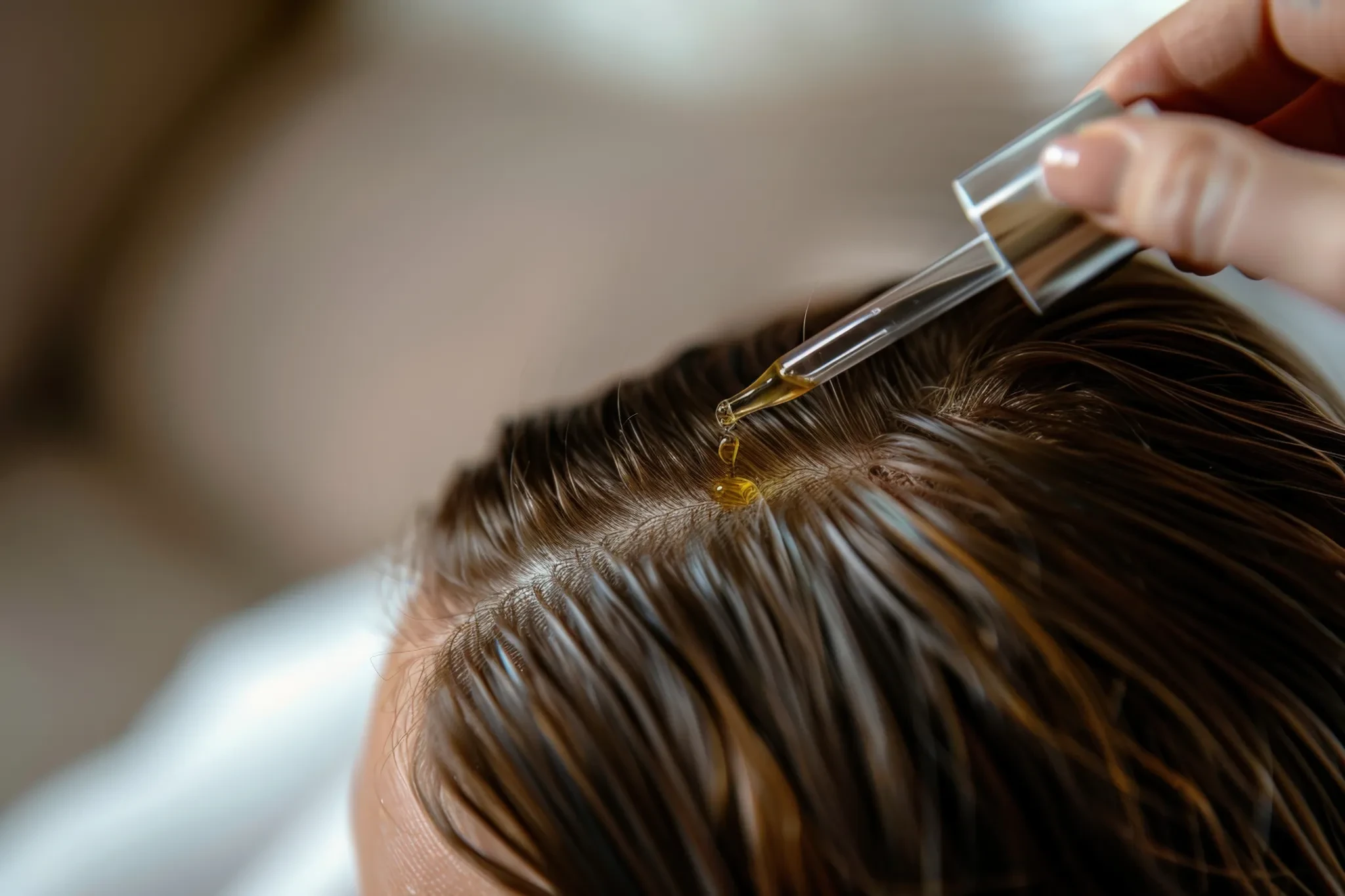
Minoxidil is a clinically proven topical treatment that can help stimulate hair growth and improve hair density in cases of diffuse hair thinning. It is available as a topical solution or foam, which is applied directly to the scalp, about twice daily, or as recommended by your specialist. Users gently massage the product into areas of thinning hair, focusing on reaching the scalp rather than just the hair strands.
This treatment works by prolonging the growth phase of the hair cycle and increasing blood flow to the hair follicles. Regular, consistent use over several months is typically required to see noticeable results. Although it is not a permanent cure, continued use is needed to maintain benefits, as stopping treatment can lead to a gradual return of hair loss.
PRP or Microneedling for Hair Regrowth
PRP therapy and microneedling are advanced, minimally invasive treatments that can stimulate hair growth and improve scalp health.
- Platelet-Rich Plasma (PRP): Involves injecting concentrated platelets from your own blood into the scalp, releasing growth factors that encourage hair follicle activity and strengthen existing hairs.
- Microneedling: Uses tiny, controlled needles to create micro-injuries in the scalp, which can trigger natural healing responses and increase the absorption of topical treatments like minoxidil. Both methods are often combined with other therapies to optimize results and support thicker, fuller-looking hair.
Nutrition and Lifestyle Support for Healthier Hair
A balanced diet and healthy lifestyle both contribute to supporting healthy hair growth and maintaining hair density. Ensuring adequate intake of protein, iron, zinc, biotin, and other essential vitamins can strengthen hair follicles and reduce shedding. Additionally, managing stress, getting enough sleep, and avoiding excessive heat or harsh chemical treatments can help protect existing hair and create optimal conditions for regrowth.
Surgical Options for Treating Diffuse Thinning
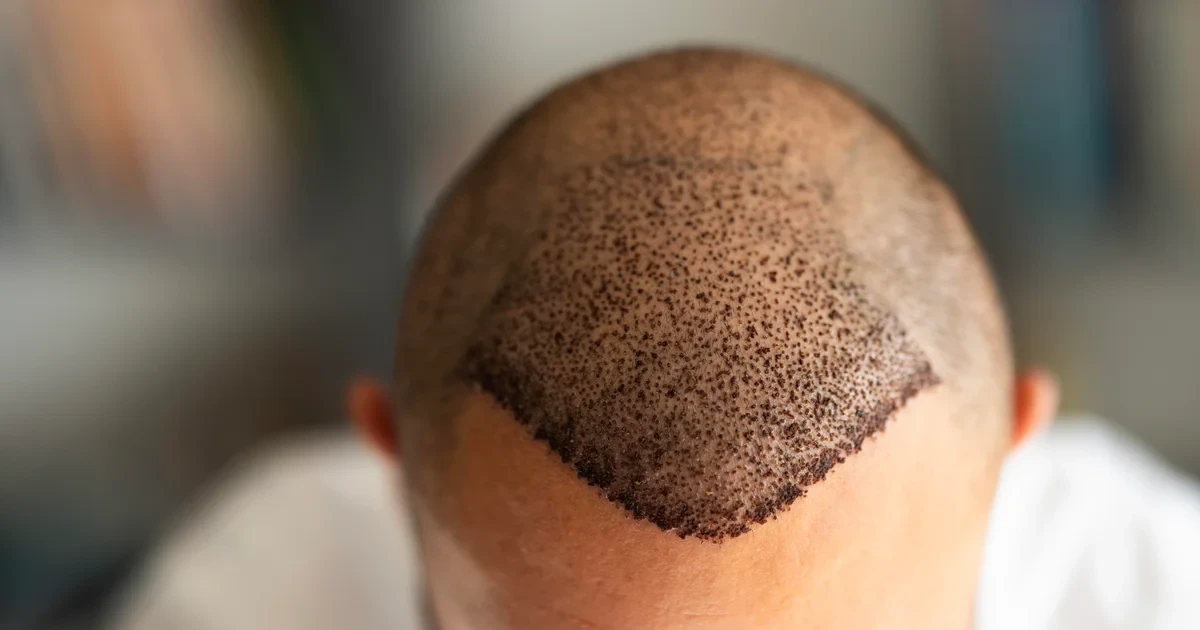
If you have advanced diffuse balding and haven’t responded satisfactorily to non-surgical treatments, a hair transplant can offer a long-term solution to restore your hair density. Hair transplant procedures move healthy hair follicles from donor areas to thinning regions, providing natural-looking results and permanent improvement.
Common hair transplant surgical techniques include:
- Follicular Unit Extraction: One of the most popular techniques, FUE Hair Transplant, involves individually extracting follicles and implanting them with minimal scarring.
- Direct Hair Implantation: Another advanced method, DHI Hair Transplant, is where follicles are implanted directly using a specialized tool that eliminates the need for pre-made recipient sites, improving graft survival and reducing recovery time.
How Effective are Hair Transplants?
When considering these hair transplant techniques, a common question is, “Do hair transplants really work?” Extensive clinical research and patient outcomes show that both FUE and DHI techniques can provide natural-looking, long-lasting results when performed by experienced specialists. Success depends on factors such as the patient’s hair characteristics, the extent of thinning, and careful planning of graft placement.
What is the Durability and Duration of Hair Transplants
Another concern of most patients is, “How long hair transplants last?” With both FUE and DHI techniques, transplanted hair follicles are generally permanent because they are taken from areas resistant to hair loss. While results can be long-lasting, factors such as age, genetics, and ongoing hair loss in untreated areas can influence overall appearance; follow-up treatments or complementary therapies can help monitor and maintain optimal density.
Exactly How Many Grafts are Needed for a Hair Transplant
A key step in planning a successful hair transplant is calculating how many grafts are needed for a hair transplant to achieve the desired coverage and density. The number of grafts depends on factors such as the extent of thinning, hair characteristics, and the patient’s goals. A specialist will evaluate these factors during consultation to create a personalized treatment plan, ensuring natural-looking results and optimal long-term outcomes.
How Long Does Regrowth Take After Diffuse Hair Loss?
The timeline for hair regrowth after experiencing diffuse hair loss varies depending on the underlying cause and the chosen treatment. In cases like telogen effluvium, hair often begins to regrow within 3 to 6 months once the trigger is addressed. For more chronic causes, such as androgenetic alopecia, noticeable improvement may take 6 to 12 months of consistent treatment, and ongoing management may be required to maintain results.
Cause | Typical Treatment Approaches | Expected Regrowth Timeline |
Telogen Effluvium |
| 3–6 months after the trigger is resolved. |
Androgenetic Alopecia |
| 6–12 months with chronic management. |
Nutrient Deficiencies |
| 2–6 months after correcting the deficiency. |
Hormonal or Thyroid Issues |
| 3–12 months after hormone/thyroid balance is restored. |
Scalp Inflammation |
| 2–6 months after inflammation is controlled. |
Medications (Drug-induced Hair Loss) | Discontinue or adjust medication under supervision and supportive hair care. | 2–6 months after stopping/adjusting medication. |
Traction, Heat, and Styling Damage |
| 3–9 months depending on the hair cycle |
Persistent or Advanced Diffuse Thinning |
|
|
When to See a Specialist for Diffuse Thinning
It’s normal to lose some hair each day, but if you notice persistent thinning, sudden shedding, or a significant reduction in volume, it’s time to seek professional advice. A hair restoration specialist can help identify the underlying cause, perform necessary tests, and recommend targeted treatments to prevent further loss. Early consultation increases the chances of successful regrowth and helps protect the health and density of your hair over time.
Frequently Asked Questions (FAQ)
Is diffuse thinning reversible?
It can be. Diffuse thinning may improve or reverse when linked to temporary triggers like stress, nutrient deficiencies, illness, or hormonal changes. Addressing the root cause and supporting hair growth with treatments such as minoxidil often helps restore density. In contrast, hair loss from genetic factors or natural ageing is usually permanent, with management focusing on maintaining existing hair.
How long does it take for diffuse thinning hair to grow back?
The timeline for regrowth depends on the underlying cause of the thinning. Temporary factors like stress, illness, or nutritional deficiencies often see noticeable improvement within 3–6 months once addressed, while hair loss from genetic or hormonal causes may take longer and require ongoing treatment. Consistent care, targeted therapies, and addressing root causes are key to supporting healthy hair regrowth.
When should I see a dermatologist for diffuse hair loss?
It’s advisable to consult a dermatologist if you notice sudden or accelerated hair shedding, or if thinning persists several months after a major stressor, illness, or medication change. If paired with scalp irritations, redness, or discomfort, quick intervention can prevent further damage and help guide effective treatment. Rapid hair loss also warrants professional assessment to address both physical and psychological impacts.