Living With Alopecia Areata
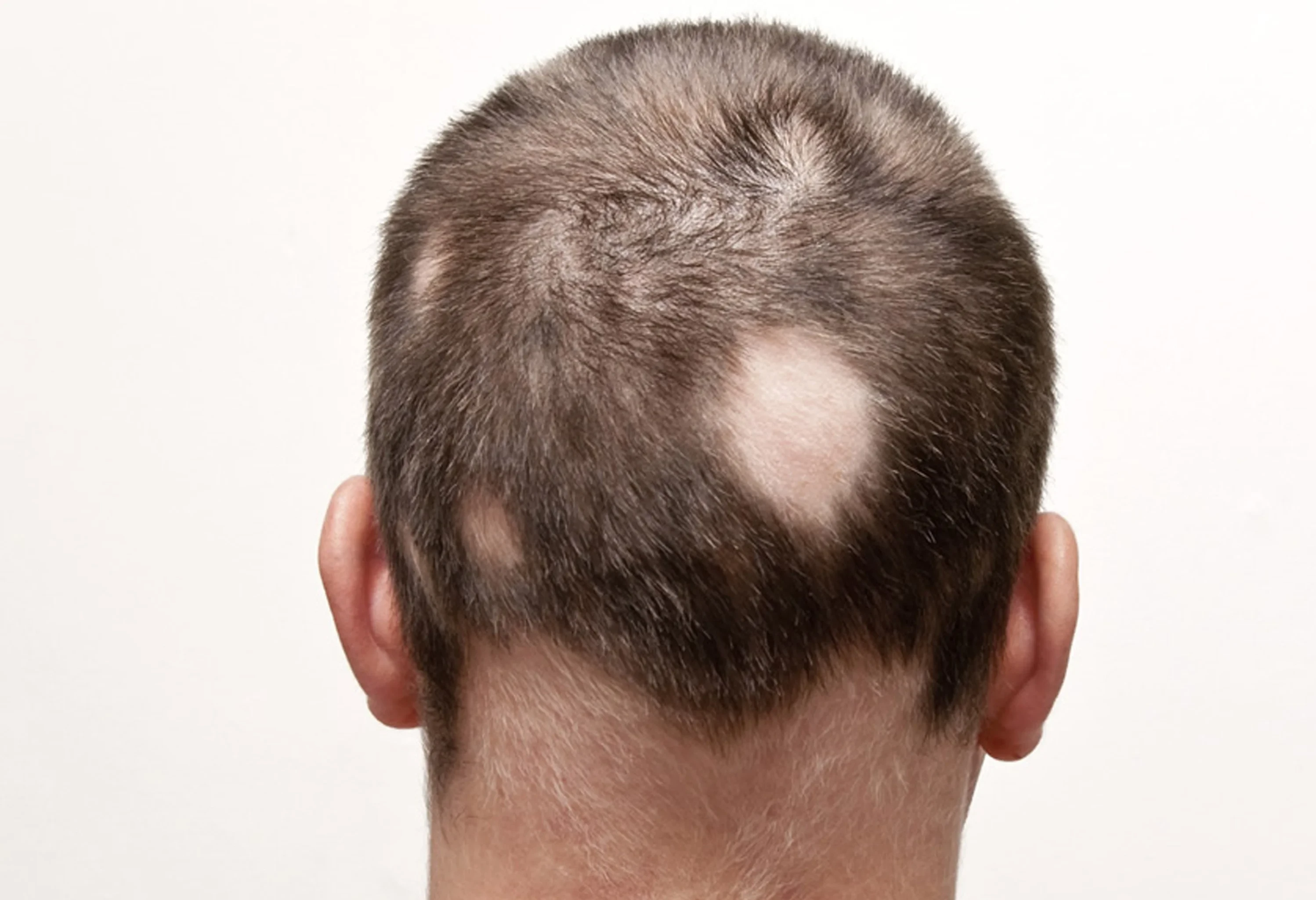
Living With Alopecia Areata means managing more than visible hair loss. It can affect routines, confidence, relationships, and the way a person moves through ordinary moments like getting ready, meeting new people, or being photographed. With the right information, flexible hair loss solutions, and steady emotional support, daily life can feel more manageable and less defined by uncertainty.
What does Living With Alopecia Areata really mean?
Living With Alopecia Areata means adapting to an autoimmune-related form of hair loss that can appear in patches, progress, improve, or return in ways that are difficult to predict. For some people, it may involve small areas of scalp hair loss; for others, it may affect eyebrows, eyelashes, facial hair, or larger areas of the body. The practical challenge is not only what is happening to the hair, but how to keep personal identity, comfort, and confidence intact while choices are changing.It is important to remember that alopecia areata is not caused by poor grooming, lack of effort, or anything a person has done wrong. Many people who experience it are otherwise healthy, which can make the suddenness of hair loss feel even more confusing. A clear diagnosis from a qualified healthcare professional can help separate alopecia areata from other causes of hair shedding and guide realistic next steps.
The emotional side deserves real attention
Hair is often tied to self-expression, culture, privacy, and the feeling of being recognized as yourself. When it changes unexpectedly, the emotional reaction can be intense, even when other people try to minimize it. Feeling shocked, frustrated, embarrassed, angry, or tired of explaining yourself is not overreacting; it is a human response to a visible change you did not choose. Alopecia awareness matters because it helps move the conversation away from shallow assumptions. Hair loss is sometimes treated as purely cosmetic, but many people experience social stress, practical inconvenience, and private grief.Awareness also helps friends, families, workplaces, and communities understand that support is not about fixing someone’s appearance; it is about respecting their autonomy and reducing stigma. Helpful emotional support can take many forms. Some people prefer private coping tools, such as journaling, counseling, or quiet routines that make mornings feel calmer. Others benefit from support groups, online communities, or conversations with people who understand the uncertainty of regrowth and recurrence. The best support is the kind that lets a person speak honestly without being pressured to stay positive all the time.
Practical routines can reduce daily stress
A steady routine can make alopecia areata feel less chaotic. The goal is not to control every outcome, because that may not be possible, but to reduce avoidable friction. Small preparations can make workdays, social events, travel, and unexpected flare-ups easier to navigate. Consider building a simple comfort plan around the situations that cause the most stress:- Morning preparation: Keep preferred head coverings, styling products, brow tools, or scalp care items in one easy-to-reach place so getting ready feels less rushed.
- Skin and scalp comfort: Use gentle products and avoid harsh pulling, tight styles, or irritating adhesives when the skin feels sensitive.
- Weather protection: A bare or thinning scalp may need protection from sun, wind, or cold, so hats, scarves, or lightweight coverings can be practical as well as personal.
- Event planning: Before a big meeting, celebration, or photo-heavy occasion, decide what makes you feel most comfortable rather than making choices under pressure.
- Backup options: If you wear a wig, scarf, cap, or cosmetic product, keeping a backup available can reduce anxiety about unexpected discomfort or damage.
Hair loss solutions should fit your life, not the other way around
Hair loss solutions for alopecia areata can include medical treatment, cosmetic options, styling strategies, protective accessories, and emotional support. The right mix depends on the extent of hair loss, personal comfort, budget, lifestyle, skin sensitivity, and whether regrowth is a current goal. No single option works for everyone, and a solution that feels empowering for one person may feel burdensome to another. Medical options should be discussed with a qualified healthcare professional who understands hair and scalp conditions. A clinician may assess the pattern of loss, ask about health history, examine the skin or nails, and discuss whether treatment is appropriate.Some people may be advised to monitor the condition, while others may explore therapies intended to encourage regrowth or reduce immune activity around hair follicles. Expectations matter, because regrowth can be slow, incomplete, or unpredictable. Cosmetic and nonmedical options can be just as meaningful in daily life. Wigs, toppers, wraps, scarves, hats, brow makeup, temporary hair fibers, and scalp-toned products may help a person feel more comfortable in specific settings.
These choices do not mean someone is insecure, and choosing not to use them does not mean someone is trying to make a statement. They are tools, not rules. When evaluating any option, ask yourself:
- Does this feel comfortable for my skin and scalp?
- Can I use it without adding too much stress to my routine?
- Does it match how I want to present myself today?
- Am I choosing it for my comfort, or only to manage other people’s reactions?
- Is the cost, upkeep, or time commitment realistic for my life?
How can you talk about alopecia areata with others?
You can talk about alopecia areata in whatever amount of detail feels safe, useful, and true for you. A short explanation is enough if you do not want a long conversation: you might say that you have an autoimmune form of hair loss, that it is unpredictable, and that you are handling it in the way that works best for you. You do not owe anyone medical details, emotional access, or a performance of confidence.It can help to prepare a few responses before questions come up. Curious comments often happen in public, at work, at school, or during family gatherings, when you may not have the energy to educate someone. Having language ready can protect your peace. Possible responses include:
- “It is a type of hair loss called alopecia areata. I am okay, but I do not really want to discuss it right now.”
- “My hair loss is health-related. I appreciate your concern, but I prefer not to get advice.”
- “Sometimes I cover it and sometimes I do not. It depends on what feels comfortable that day.”
- “I know you mean well, but comments about my appearance are hard for me.”
Confidence grows through repeated choice
Confidence with alopecia areata is not always instant or constant. It may come in small moments: going outside without checking a mirror repeatedly, choosing a scarf because it feels beautiful rather than necessary, telling someone a boundary, or attending an event even while feeling uncertain. These moments matter because they rebuild a sense of agency.One useful approach is to separate appearance from worth in practical ways. That does not mean pretending hair loss has no impact. It means refusing to let other people’s reactions become the final measure of how you see yourself. Try creating a confidence toolkit that includes:
- A grounding phrase: A sentence you can repeat when self-conscious thoughts get loud.
- A comfort item: A hat, wrap, accessory, or product that helps you feel prepared.
- A trusted contact: Someone you can text before or after stressful moments.
- A boundary script: A short response for comments you do not want to entertain.
- A reminder of identity: Photos, music, clothing, hobbies, or routines that reconnect you with yourself beyond hair.
Caring for relationships while caring for yourself
Alopecia areata can change relationship dynamics because it brings private vulnerability into visible spaces. Loved ones may want to help but may not know how. Some may offer quick fixes, compare your experience to ordinary shedding, or urge you to be grateful it is not something else. Even when these comments are well-intended, they can feel dismissive. Clear communication can make support more useful. You might tell loved ones whether you want advice, distraction, practical help, or simply someone to listen.If you are comfortable, explain that hair loss can be emotionally heavy even when it is not physically painful. This gives people a better chance to show up in a way that actually helps. Supportive people do not need perfect words. They need willingness to listen, respect boundaries, and avoid making your hair the center of every interaction. Over time, these small acts can make home, work, and social spaces feel safer.